


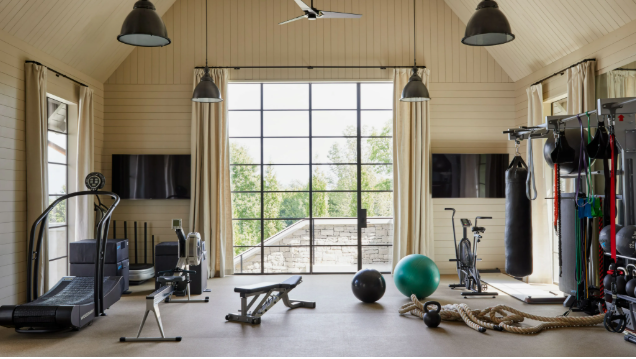
Understanding the Importance of a Home Gym
In recent years, the trend of establishing home gyms has witnessed remarkable growth. This increase can be largely attributed to the myriad advantages that personal training spaces offer. One of the most significant benefits of a home gym is convenience. With a home gym, individuals can engage in their workouts without the necessity of commuting to a commercial gym. This eliminates travel time and allows for flexibility in scheduling workouts, encouraging a more consistent exercise routine.
Moreover, a home gym can be more cost-effective over time. While the initial investment may seem sizable, the long-term savings can be substantial. Individuals are able to bypass monthly gym memberships, travel expenses, and additional costs associated with fitness classes. Once a home gym is fully established, the ongoing expenses are notably lower, enabling users to invest in high-quality equipment or supplementary wellness options, such as nutrition plans.
Another critical aspect of personal training spaces is the ability to design an environment that caters to individual preferences and needs. Each person has unique fitness goals and preferred workout styles. A home gym allows for the assembly of tailored equipment, ranging from strength training apparatus to cardio machines, all carefully selected to suit personal fitness objectives. Furthermore, individuals have the freedom to select their music, lighting, and overall ambiance, which can significantly enhance motivation and enjoyment during workouts.
As a result, a dedicated space for exercise can foster a greater sense of control and ownership over one’s fitness journey, promoting not only physical health but also mental well-being. Consequently, understanding the importance of a home gym becomes crucial for those seeking a more tailored and efficient approach to personal fitness.
Assessing Space and Layout for Your Home Gym
Creating a personal fitness training area within your home requires a thoughtful assessment of the available space and layout. The first step in this evaluation is to measure the room dimensions where you plan to set up your home gym. Consider not only the square footage but also the ceiling height, as these factors will determine the type and size of exercise equipment you can incorporate.

Natural light is another important aspect when assessing your space. Well-lit areas can enhance your workout experience and improve mood and motivation. If your intended gym space has windows, think about how the light can be utilized. However, also consider installing blackout shades or curtains to manage glare, especially if your workouts occur during bright daylight hours.
The flooring you choose can greatly influence your training effectiveness and safety. Various materials serve different purposes: rubber flooring is excellent for weightlifting and high-impact activities, while carpet can provide comfort for yoga and stretching routines. Ensure that the flooring you select is durable and easy to clean, as sweat can accumulate during intense workout sessions.
Finally, the layout of your home gym is crucial for optimizing the flow and functionality of the space. Consider where your equipment will be placed; allow enough room between machines for safe movement and exercises. If you plan on incorporating multi-functional equipment, position them in a way that encourages flexibility in your workout routine. A well-thought-out layout not only maximizes your space but can also enhance your overall fitness experience at home.
Essential Equipment for a Modern Home Gym
Creating a functional and efficient home gym requires careful selection of essential fitness equipment that caters to a range of exercise preferences and fitness goals. The first piece of equipment to consider is a set of dumbbells. Dumbbells are versatile and allow for a range of strength training exercises that can be adapted for beginners as well as advanced users. Opting for adjustable dumbbells can save on space while providing multiple weight options.
Resistance bands are another must-have for any home gym setup. They are lightweight, portable, and can be used to enhance strength training, flexibility, and rehabilitation exercises. These bands come in varying resistances, accommodating all fitness levels and allowing for a wide array of exercises targeting different muscle groups.
Cardio machines also play a crucial role in a modern home gym. Options such as treadmills, stationary bikes, and elliptical machines are popular choices for cardiovascular workouts. When selecting a cardio machine, consider factors such as reliability, space requirements, and your personal fitness goals, such as weight loss or endurance training. Many modern machines also come equipped with built-in workout programs and tracking features to help monitor progress.
For those with limited space, opting for space-saving equipment can be beneficial. This includes multi-functional machines that provide several workout options without taking up much room. Consider combining weight stations with cardio capabilities to optimize your workout space.
Lastly, investing in quality gear is essential. Conduct research on brands and products that offer durability and positive customer feedback. This commitment to quality ensures that your investment will withstand regular use. By thoughtfully selecting essential equipment, you can create a home gym that supports a variety of workouts and helps achieve your fitness objectives effectively.
Innovative Storage Solutions for Compact Spaces
In the pursuit of an efficient home gym setup, innovative storage solutions play a pivotal role, especially when space is at a premium. By utilizing vertical and wall-mounted storage options, homeowners can significantly declutter their workout areas while keeping essential equipment accessible. Wall-mounted shelves or racks can hold weights, resistance bands, and yoga mats, ensuring that floor space remains open for exercise routines. For instance, a pegboard can be customized to store various fitness tools, making it both functional and visually appealing.
Multi-purpose furniture is another excellent approach to maximizing space in a compact home gym. Consider investing in benches that double as storage units, where smaller items such as dumbbells or foam rollers can be stowed away when not in use. Foldable equipment, such as wall-mounted pull-up bars or collapsible benches, can further enhance the versatility of the space, allowing for a quick transformation from a workout haven to a multi-use room. Additionally, ottomans that open to reveal hidden compartments can serve dual functions, providing seating and storage simultaneously.
Organizational tools such as baskets, bins, or even labeled containers are essential in maintaining a neat environment. These tools can help categorize workout gear by type or frequency of use, simplifying the process of locating specific items amidst the hustle of daily routines. A clean and organized space not only enhances workout efficiency but also supports a positive mindset towards fitness commitments. By creatively incorporating these innovative storage solutions, homeowners can cultivate an effective and engaging training environment within their compact home gyms, paving the way for consistent personal fitness journeys.
Incorporating Technology into Your Home Gym
In the rapidly evolving landscape of personal fitness, incorporating technology into your home gym can significantly enhance the training experience. A well-equipped home gym utilizing the latest technological advancements can lead to increased motivation, accountability, and ultimately, better results. One of the most popular avenues for integrating technology is through workout applications. These apps offer tailored workout plans, instructional videos, and even community challenges that help users stay engaged. Users can choose applications that not only align with their fitness goals but also track progress and provide feedback, enhancing their overall training journey.
Moreover, smart gym equipment has entered the market with features that allow users to track their performance in real-time. For example, smart treadmills and stationary bikes can adjust resistance based on user feedback or pre-set goals, creating a highly personalized workout environment. Such equipment often syncs with mobile devices and fitness apps, ensuring that users have constant access to their training data, further supporting their fitness ambitions.
Virtual coaching has also transformed home workouts, introducing an interactive element that was typically exclusive to physical fitness classes. Online platforms offer live coaching, enabling individuals to engage in real-time with professional trainers from the comfort of their homes. This interaction not only aids in perfecting techniques but also fosters a sense of community, overcoming feelings of isolation that may come with independent workouts.
Finally, the use of fitness trackers has gained immense popularity, empowering users to monitor their physiological metrics like heart rate, calorie burn, and step count. Such devices help individuals set measurable goals, motivating them to improve their performance consistently. By integrating these technology tools into a home gym, fitness enthusiasts can create an environment that promotes continual growth and engagement.
Creating a Motivating Atmosphere
When setting up a home gym, establishing an inspiring and motivating atmosphere is essential for enhancing personal fitness training. The ambiance of the space can significantly influence your workout experience, making it vital to consider various elements such as lighting, color schemes, and decor.
Lighting plays a crucial role in setting the mood within your workout space. Natural light is ideal, as it not only boosts your energy levels but also creates a vibrant environment. If natural light is limited, opt for warm LED lights to simulate the sun’s rays, avoiding the harsh glare of fluorescent bulbs. Additionally, adjustable lighting features can help you adapt the atmosphere according to the type of workout you are doing.
The choice of colors in your gym can also make a substantial impact on your motivational levels. For instance, warm colors such as red and orange may stimulate energy and enthusiasm, while cooler shades like blue and green can have a calming effect, ideal for yoga or meditation sessions. A balanced approach using a combination of colors can help create a dynamic and visually appealing environment.
Incorporating inspiring decor into your home gym can further personalize the space and keep you motivated. This can include motivational quotes displayed on the walls, images of fitness role models, or even artwork that resonates with your personal fitness goals. Plants can also enhance the atmosphere, bringing a sense of vitality and freshness into the space.
Remember that your home gym is a reflection of you. Personalizing it with unique touches, whether they are motivational elements or accessories that resonate with your fitness journey, can cultivate a positive workout environment, ultimately enhancing your dedication to personal fitness training.
Designing a Functional and Aesthetic Space
Creating a home gym that is both functional and aesthetically pleasing requires a thoughtful blend of design and practicality. When embarking on this project, one should first consider the layout of the space. Efficient use of the available square footage is crucial to ensure that each exercise area is easily accessible. A well-organized layout will not only enhance usability but also provide a more inviting atmosphere to encourage regular workouts.
In terms of color palettes, the choice of hues can significantly impact the mood of the training space. Opting for calming colors, such as soft blues or greens, can create a serene environment, promoting focus during workouts. Conversely, vibrant colors like oranges or yellows might stimulate energy and motivation. Whichever color scheme you choose, be sure it resonates with your personal taste and inspires you to engage in fitness activities.
Another aspect of design to consider is the decor. Incorporating elements such as motivational artwork, indoor plants, or mirrors can enhance both functionality and visual appeal. Mirrors, for example, not only help with form and technique during exercises but also create an illusion of a larger space. Indoor plants can contribute to a healthier atmosphere by improving air quality and adding a touch of nature, making the home gym feel more vibrant. Additionally, the selection of durable and stylish gym equipment can serve as both a practical asset to your fitness routine and a decorative element to the space.
In conclusion, achieving an optimal balance between functionality and aesthetics in your home gym is pivotal to fostering an inviting environment. By carefully selecting layout, color schemes, and decor, you can craft a training space that truly reflects your personal style while meeting your fitness needs.
Safety Considerations for Your Home Gym
Creating a home gym is an exciting venture that empowers individuals to take control of their fitness journeys. However, it is essential to prioritize safety while designing and using the workout space. Proper safety measures will help prevent injuries and ensure a productive environment.
One significant aspect of home gym safety is the correct setup of equipment. Before placing fitness machines or weights, it is crucial to assess the space available. Equipment should be positioned to allow ample movement and avoid any risk of tripping. For instance, ensure that weights are stored on racks far from walking paths, and any bulky machines are not obstructing emergency exits.
Flooring is another vital consideration that can heavily influence safety in your home gym. The chosen flooring material should provide adequate cushioning and grip. Materials such as rubber flooring not only offer shock absorption, reducing impact on joints during workouts, but also enhance stability, decreasing the risk of slips and falls. Additionally, consider the area’s usage when selecting flooring; for high-intensity workouts, padded flooring may be more appropriate than traditional carpeting.
Ventilation plays a crucial role in maintaining a safe exercise environment. Adequate air circulation reduces the buildup of heat and humidity, which can lead to fatigue and decreased performance. Opening windows or utilizing fans can improve airflow, while installing an air conditioning unit may be necessary for more permanent setups. It is also advisable to keep hydrated during workouts, ensuring easy access to water within the gym space.
In summary, prioritizing safety involves careful consideration of equipment placement, selecting the right flooring, and ensuring proper ventilation. By adhering to these guidelines, individuals can create a safe and effective home gym that supports their fitness objectives.
Setting Up a Routine and Staying Committed
Establishing a workout routine within your home gym is essential for achieving personal fitness goals. The first step in this process is defining realistic and achievable objectives. Break down your fitness aspirations into smaller, manageable goals that allow for gradual progress. For instance, rather than aiming to run a marathon immediately, start with a commitment to jog for 15 minutes a few times a week, gradually increasing the duration and intensity over time.
Utilizing a fitness schedule can significantly enhance your commitment to maintaining a routine. Designate specific days and times for your workouts and treat these sessions with the same seriousness as professional appointments. This structure not only creates consistency but also helps in forming a habit. Consider incorporating variety into your routine by alternating different types of exercises on different days. This might include strength training, cardio, flexibility exercises, and even group classes. Switching up workouts keeps the regimen engaging and prevents burnout.
Staying motivated is crucial to ensure consistency in your personal training. One effective strategy is to track your progress and celebrate achievements, no matter how small. Keeping a journal of your workouts and noting improvements in strength, endurance, or overall well-being can provide encouragement. Additionally, connecting with others who share similar fitness goals can foster a sense of community and accountability. Consider joining online forums, social media groups, or local clubs that focus on your specific fitness interests.
Integrating enjoyable activities into your routine can also enhance motivation; explore new workout classes, outdoor activities, or training with friends to sustain interest. Ultimately, by establishing a structured approach to exercising, setting realistic goals, and seeking out motivation through community support and enjoyable activities, you can create a sustainable fitness routine in your home gym that leads to long-term success.