

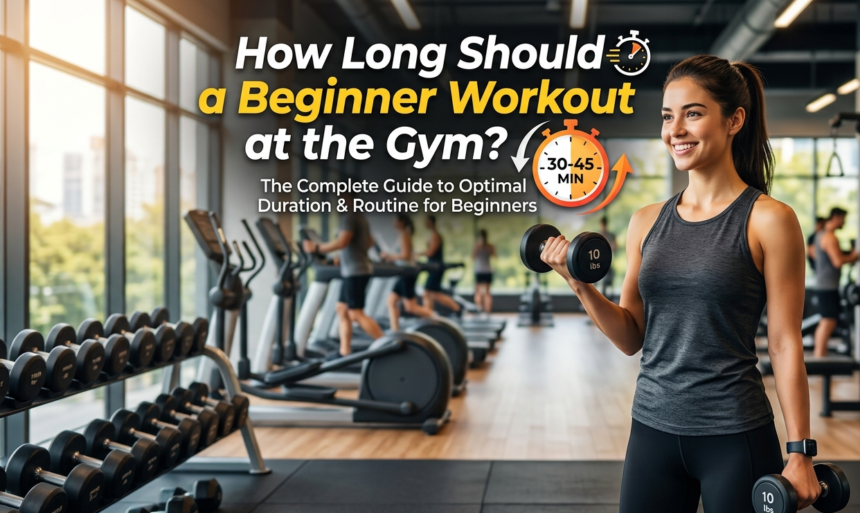
Understanding the Importance of Duration in Workouts
When embarking on a fitness journey, it is essential for beginners to understand the significance of workout duration. The length of each workout plays a pivotal role in achieving various fitness goals, such as weight loss, muscle gain, and overall health improvement. The commitment to a specific duration helps ensure that the exercises performed are effective and tailored to individual objectives.
For individuals aiming for weight loss, research indicates that a minimum of 150 minutes per week of moderate-intensity aerobic activity is recommended. This timeframe helps create a caloric deficit, which is crucial for shedding pounds. Beginners should also be mindful of the intensity and variety of their workouts within this duration to maintain engagement and effectively tackle weight loss challenges.
In terms of muscle gain, duration becomes paramount in promoting hypertrophy and strength development. Beginners are encouraged to include strength training sessions that last between 30 to 60 minutes, with adequate rest intervals. This approach allows muscles sufficient time to recover and adapt, optimizing growth while preventing fatigue or injury.
Moreover, the duration of workouts has a substantial impact on overall health. The consistency and sustainability of exercise habits hinge on the time commitment one is willing to make. Short, high-intensity sessions may yield results but can often lead to burnout or a lack of motivation if not balanced with longer, enjoyable workouts. Therefore, it is advisable to incorporate a mix of shorter and extended sessions to create a sustainable fitness routine that promotes long-term health.
Recommended Workout Duration for Beginners
For individuals new to fitness, understanding the appropriate duration of workouts is crucial to establishing an effective exercise routine. Generally, beginners are advised to aim for a workout duration of 20 to 60 minutes per session. This range allows sufficient time to warm up, engage in various exercises, and cool down afterward.
For those just starting, it is often recommended to focus on shorter sessions of around 20 to 30 minutes, especially if they have been sedentary. This duration can help prevent fatigue and mitigate the risk of injury. As fitness levels improve, individuals can gradually increase their workout duration, with many finding that 45 to 60 minutes becomes a feasible goal. This allows for a balanced mix of cardiovascular activities, strength training, and flexibility exercises.
Age groups also play an integral role in determining workout duration. Younger adults in their twenties may manage longer workouts, while older adults might benefit from shorter, more frequent sessions, typically around 30 to 45 minutes, to accommodate any physical limitations or recovery times. However, the cornerstone of any workout for beginners should be a focus on mastering proper technique before increasing duration.
Common beginner programs often include circuit training combined with cardio activities that may last about 30 to 45 minutes, ensuring that various muscle groups are engaged without overwhelming the individual. Including a mix of exercises not only helps maintain motivation but also enhances overall fitness without the monotony of longer sessions focused on one type of training. As beginner fitness enthusiasts acclimate to regular physical activity, they can explore diverse routines and adjust their workout lengths to match their evolving capabilities.
Frequency of Workouts for New Gym-Goers
For many individuals who are embarking on their fitness journey, one of the most common questions is about the appropriate frequency of workouts at the gym. New gym-goers need to find a balance that allows them to build strength and endurance without overtraining, which could lead to injury or burnout. As a general guideline, beginners should aim for about three to four sessions per week, interspersed with rest days to facilitate recovery.
When starting, it is important to focus on shorter and more manageable workout durations, typically ranging from 30 to 60 minutes. This not only ensures that beginners do not feel overwhelmed but also allows the body time to adapt to the new physical demands. Each workout session should include a combination of strength training, cardiovascular exercises, and flexibility work, with particular attention paid to the body’s response to these activities.
Additionally, incorporating rest days into the training regimen is imperative. This could involve a complete break from physical activities or engaging in light activities such as walking or yoga. Such practices help aid muscle recovery and prevent fatigue, ensuring that each subsequent workout is as effective as possible. Moreover, new gym-goers might consider alternating between different muscle groups throughout the week to provide adequate rest. For instance, while working on the upper body one day, focusing on the lower body during the next session can be beneficial.
Ultimately, establishing a consistent workout frequency not only helps maintain motivation but also contributes to long-term fitness success. By allowing ample time for recovery and gradually building workout intensity, beginners can cultivate a sustainable and enjoyable gym experience.
Types of Workouts and Their Duration
In the pursuit of fitness, it is essential for beginners to understand the various types of workouts available and their recommended durations. Each category of exercise serves a unique purpose and can contribute significantly to overall health and fitness.
Strength TrainingThis type of workout is crucial for building muscle mass, enhancing bone density, and boosting metabolism. Beginners should focus on compound movements, such as squats, deadlifts, and bench presses. For optimal results, strength training sessions should be 30 to 60 minutes long, ideally performed two to three times each week. It’s important for novices to start with lighter weights and gradually increase resistance, ensuring proper form and technique are maintained throughout.
Cardio ExercisesCardiovascular workouts, including activities like jogging, cycling, and swimming, are essential for improving heart health and burning calories. Beginners are encouraged to engage in moderate-intensity cardio workouts for approximately 20 to 30 minutes, three to five times per week. As endurance builds, the duration can be gradually increased. Incorporating a mix of different cardio activities can help keep routines exciting and sustainable.
Flexibility TrainingFlexibility exercises, such as stretching or yoga, are paramount for improving range of motion and preventing injuries. These sessions can be integrated into workout regimens for about 10 to 15 minutes after strength or cardio workouts. Regular flexibility training is beneficial and should be performed at least two to three times a week.
Interval TrainingInterval training combines short bursts of intense activity followed by low-intensity recovery periods. For beginners, a session lasting 20 to 30 minutes, two to three times a week, can effectively enhance cardiovascular fitness and burn fat. Starting gradually with fewer intervals can help novice exercisers adapt comfortably.
Understanding these types of workouts and their recommended durations will help beginners create a balanced and effective fitness regimen tailored to their goals.
Listening to Your Body: Signs to Adjust Duration
When embarking on a fitness journey, particularly for beginners, it is crucial to develop an awareness of one’s body and its responses to exercise. Understanding these signals can guide adjustments to workout duration, ensuring a more effective and safer training experience. Signs that indicate the necessity for altering workout length are varied and can manifest physically, mentally, and emotionally.
One clear sign indicating that the duration of your workout may need adjustment is persistent fatigue. If gym sessions leave you feeling exhausted, rather than revitalized, it might be an indication that you are overtraining. Overtraining occurs when the body does not have adequate time to recover, leading to diminished performance, increased risk of injury, and overall burnout. Listening to your body in this regard means noting when muscle soreness becomes excessive or when motivation declines substantially.
Conversely, if you find that your energy levels are consistently high throughout the duration of your workouts, it may be time to extend your sessions. A positive relationship with exercise often leads to a desire to engage longer, provided it feels right. It is essential to distinguish between fatigue from exertion and fatigue that signals overtraining. Incorporating periodic evaluations of your physical and mental state can offer insights into whether you should increase or decrease your workout time.
Self-assessment strategies can include maintaining a workout journal, where you document not only the duration but also your feelings before, during, and after exercise. Additionally, monitoring heart rate and recovery times can further inform your training decisions. Having a balanced approach, where gradual adjustments are made based on both subjective feelings and measurable indicators, can greatly enhance your fitness journey. By attuning yourself to these signals, you ensure that your workout regimen remains both enjoyable and beneficial.
Setting Realistic Goals Based on Workout Duration
For beginners, defining realistic fitness goals that correspond to their workout duration is essential for achieving optimal results. Setting both short-term and long-term objectives can significantly enhance focus and motivation during workout sessions. Short-term goals, which are typically achievable within a few weeks or months, serve as stepping stones that help maintain momentum in the fitness journey. An example of a short-term goal might be to complete a consistent workout three times a week for four weeks.
Long-term goals, conversely, provide a broader vision of what one hopes to achieve over several months or years. These goals often relate to more substantial objectives, such as losing a specific amount of weight, building muscle mass, or improving cardiovascular endurance. Establishing these long-term targets not only encourages commitment but also ensures that the workout duration aligns with the desired outcomes.
When setting these goals, it is crucial for beginners to consider their current fitness level and the amount of time they can realistically dedicate to exercising. A beginner may find it beneficial to allocate 30 to 45 minutes for workouts three to four times per week. This duration allows for adequate exercise while reducing the risk of burnout or injury. As fitness levels increase, these durations may be adjusted accordingly to reflect enhanced capabilities.
Additionally, tracking progress towards these goals can further motivate beginners to stick with their workout routines. Utilizing workout journals or fitness apps can aid in monitoring improvements, providing visual feedback that reinforces the commitment to both short-term and long-term objectives. By aligning goals with available workout duration, beginners can cultivate a sustainable and rewarding fitness regimen that resonates with their aspirations.
Integrating Warm-Up and Cool-Down into Workout Time
In any exercise regimen, particularly for beginners, incorporating warm-up and cool-down periods is crucial to enhance overall performance and minimize the risk of injury. A well-structured workout should include both warm-up and cool-down segments, typically lasting from 10 to 15 minutes each, to effectively prepare the body for physical activity and facilitate recovery afterward.
During the warm-up phase, individuals should engage in light aerobic activities such as brisk walking, cycling, or gentle jogging, followed by dynamic stretching targeting major muscle groups. This phase serves to gradually increase heart rate, improve blood flow, and elevate muscle temperature, thereby enhancing flexibility and readiness for more strenuous exercises. It is essential for beginners to take these steps seriously, as neglecting proper warm-ups can lead to strains or pulls during workouts, significantly hindering progress.
Post-exercise, the cool-down segment is equally vital. This phase allows the body to transition back to a resting state safely. Gentle walking combined with static stretching exercises can effectively lower heart rate and help reduce muscle soreness. Focus should be placed on areas that were heavily engaged during the workout, to promote relaxation and prevent tightness. Thus, both active cool-down methods and static stretching contribute significantly to the recovery process, aiding in flexibility and mitigating the impact of delayed onset muscle soreness (DOMS).
In summary, integrating adequate warm-up and cool-down periods is fundamental for beginners at the gym. Dedication to these components can lead to improved performance and significantly decrease the likelihood of injuries. Therefore, aspiring fitness enthusiasts should allocate appropriate time for these essential parts of their workout routine, ensuring a safer and more effective exercise experience.
Adjusting Workout Duration Over Time
As individuals embark on their fitness journey, monitoring workout duration is crucial for continued progress and motivational sustenance. For beginners, starting with a manageable duration of 20 to 30 minutes, focusing primarily on technique and building a familiarity with equipment, is advisable. However, as beginners become more comfortable, they should be mindful of the need to gradually increase the length and intensity of their workouts.
Progression can occur typically every few weeks—a criterion extending beyond mere duration to include the complexity of the exercises. For instance, once a beginner demonstrates an ability to complete their workout without excessive fatigue, it is appropriate to extend the session by either increasing the time by 5 to 10 minutes or incorporating more challenging exercises. This approach encourages the body to adapt and strengthens its capacity for higher workloads over time.
Additionally, tracking progress through a workout log or fitness app plays an essential role in determining when and how to adjust workout duration. Regularly assessing aspects such as energy levels, duration of recovery, and overall fitness achievements can provide insights into whether to intensify or extend workout periods. Progress markers not only affirm success but also act as motivational tools, fostering a deeper commitment to fitness goals.
Furthermore, listening to one’s body is vital. Signs of exhaustion, persistent soreness, or lack of enthusiasm may indicate the need for a deload or rest day, even if the intended workout duration has not been completed. Overall, beginners should embrace flexibility in their workout regimens, allowing for adjustments in duration and intensity that align with their evolving fitness levels and well-being.
Conclusion: Finding Your Optimal Duration for Gym Workouts
Determining the ideal duration for gym workouts can greatly enhance the overall experience for beginners. It is crucial to recognize that there is no universal solution regarding workout length. Each individual has unique factors influencing their optimal gym duration, including personal fitness goals, lifestyle commitments, and preferences.
Beginners should primarily focus on establishing a routine that feels comfortable yet challenges them appropriately. For those new to exercising, initial sessions may last between 30 to 60 minutes. This timeframe allows newcomers to acclimate to different workouts without overwhelming themselves. As experience and endurance increase, individuals can gradually adjust the duration of their workouts to align better with their evolving fitness objectives.
Moreover, it is essential for beginners to listen to their bodies during workouts. Factors such as energy levels, mood, and recovery should be monitored closely. Adjusting workout duration based on these elements can prevent burnout and foster a positive relationship with fitness routines. Implementing both short and long sessions throughout the week can also aid in preventing monotony while ensuring a balanced approach to strength and cardiovascular training.
In conclusion, identifying an optimal workout duration is a personal journey. Beginners should take the time to experiment with different lengths and observe how their bodies respond. By doing so, they can establish a sustainable gym routine that not only meets their fitness goals but also fits seamlessly into their daily lives, ultimately leading to a long-lasting commitment to health and wellness.