
How Technology is Revolutionizing Healthcare

admin
By admin
20 Min Read

Introduction to Technological Advancements in Healthcare

The healthcare sector has undergone a remarkable transformation over the past decade, driven by the integration of technology. Innovations ranging from telemedicine to artificial intelligence have not only enhanced patient care but also streamlined operations for healthcare providers. Today, technology is an integral part of the healthcare landscape, reshaping how medical professionals diagnose, treat, and manage patient care.

One of the most significant trends is the rise of telehealth services, which provide patients with access to healthcare professionals from the comfort of their homes. This advancement is particularly beneficial for individuals in remote areas or those with mobility issues, allowing them to receive timely medical advice without the need for travel. Coupled with telehealth are digital health tools such as mobile health applications that empower patients to monitor their health conditions, track medications, and even communicate with healthcare providers in real time.

Moreover, the utilization of electronic health records (EHR) has revolutionized the way patient information is stored and shared. EHR systems facilitate better communication among healthcare providers, ensuring that patient histories are easily accessible, which is crucial for informed decision-making. Additionally, advancements in data analytics have enabled providers to harness vast amounts of health data, improving the ability to predict patient outcomes and identify potential health risks before they escalate.

Another frontier in healthcare technology is the development of artificial intelligence and machine learning, which are being implemented in various aspects of healthcare. From interpreting medical imaging to developing personalized treatment plans, these technologies are proving to enhance diagnostic accuracy and improve patient outcomes.

As technology continues to evolve, the implications for both patients and healthcare providers are profound. By embracing these innovations, the medical community is poised to improve service delivery and enhance patient experiences in unprecedented ways. This blog will delve deeper into these technological advancements and explore their implications for the future of healthcare.

Telemedicine: Bridging Gaps in Healthcare Delivery

Telemedicine has emerged as a transformative force in the healthcare sector, altering the conventional models of healthcare delivery. This innovative approach utilizes telecommunications technology to provide clinical health care from a distance, facilitating access to medical services for individuals who may experience geographical or logistical barriers. The proliferation of telemedicine has significantly enhanced the accessibility of healthcare, particularly in remote or underserved areas, ensuring that patients receive timely medical attention.

One of the primary benefits of telemedicine is its ability to increase access to care. Patients can engage with healthcare providers via video calls, phone consultations, or secure messaging, thereby eliminating the need for travel. This is especially beneficial for individuals with mobility issues or those living in rural regions where healthcare facilities are sparse. Moreover, telemedicine facilitates immediate consultations for non-emergency situations, which can reduce the burden on emergency rooms.

Convenience is another critical advantage of telemedicine. Patients can schedule appointments from the comfort of their own homes, significantly reducing wait times and the associated stress of traditional in-person visits. Additionally, telemedicine has been vital during health crises, such as the COVID-19 pandemic, where maintaining social distancing was paramount.

However, the implementation of telemedicine is not without its challenges. Issues such as technological disparities among different populations, patient privacy concerns, and the need for regulatory frameworks can hinder its widespread adoption. Furthermore, not all medical conditions can be adequately addressed through telehealth, underscoring the importance of a hybrid approach in which telemedicine complements traditional healthcare services.

In summary, telemedicine stands at the forefront of revolutionizing healthcare delivery, bridging significant gaps in access and convenience. As technology continues to advance, it is imperative that healthcare systems navigate the challenges associated with telemedicine to create a more inclusive and effective healthcare environment.

Artificial Intelligence in Diagnostics and Treatment

Artificial intelligence (AI) has emerged as a transformative force in healthcare, particularly in the realms of diagnostics and personalized treatment plans. By leveraging machine learning algorithms and vast datasets, AI systems can analyze medical data with precision and speed that often surpass human capabilities. One significant application of AI in diagnostics is predictive analytics, where algorithms analyze patient information to determine the probability of developing certain conditions. This enables healthcare providers to initiate preventive measures sooner, ultimately improving patient outcomes.

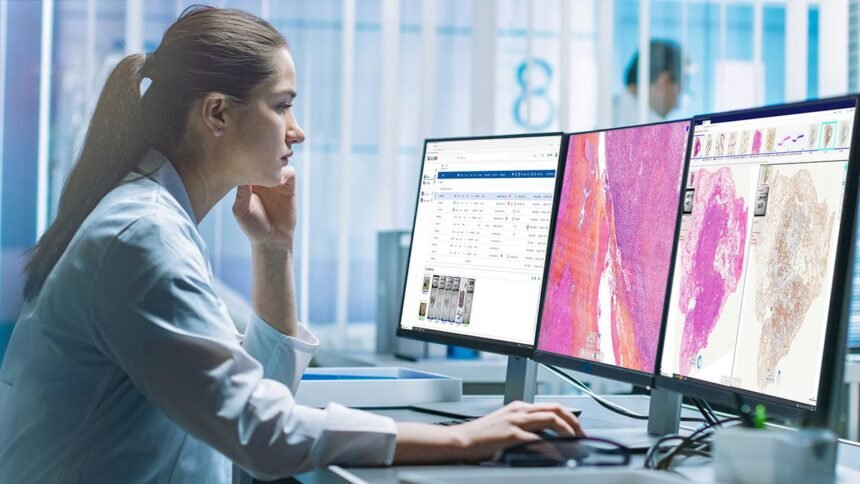
In imaging analysis, AI technologies are making strides in interpreting complex medical images. For instance, deep learning models are being used to detect abnormalities in radiology images, such as X-rays and MRIs, aiding radiologists in making more accurate diagnoses. Studies have shown that AI can identify lesions and tumors with a level of reliability comparable to experienced professionals, reducing the risk of oversight and enhancing diagnostic efficiency.

Furthermore, personalized medicine is another domain wherein AI plays a pivotal role. By analyzing genetic information alongside treatment responses, AI can facilitate tailored therapeutic strategies that cater specifically to individual patients. This approach not only optimizes treatment efficacy but also minimizes adverse effects by ensuring that patients receive the most suitable interventions based on their unique profiles.

However, the integration of AI in healthcare also raises ethical considerations. Concerns surrounding data privacy, algorithmic bias, and the potential for diminished human oversight in critical medical decisions must be addressed to ensure the responsible deployment of AI technologies. The future of AI in diagnostics and treatment holds great promise, but it is essential to navigate these challenges vigilantly to provide enhanced patient care while maintaining ethical standards in healthcare practice.

Wearable Health Technology: Monitoring Patients in Real Time

In recent years, the advent of wearable health technology has significantly transformed how we monitor and manage health. Devices such as smartwatches and fitness trackers have emerged as pivotal tools, allowing users to track a variety of health metrics, including heart rate, activity levels, and sleep quality. These devices not only empower individuals to take a proactive approach to their health but also hold substantial promise for preventive healthcare and chronic disease management.

Wearable health technology has the ability to provide real-time data, enabling individuals to monitor their health continuously. For those with chronic conditions such as diabetes or hypertension, these devices can offer critical insights, allowing for timely interventions and adjustments in treatment plans. With features like heart rate variability monitoring and ECG readings, wearables can alert users to concerning changes in their health status, thus facilitating prompt medical responses.

Moreover, wearable devices are instrumental in enhancing patient engagement. By making health information readily accessible, users become more aware of their wellness and are motivated to achieve their health goals. The instantaneous feedback provided by these devices encourages a more active lifestyle and adherence to prescribed healthcare regimens, ultimately leading to improved health outcomes.

Despite the numerous benefits associated with wearable health technology, data privacy concerns are paramount. As these devices collect and transmit sensitive health information, ensuring the protection of personal data is crucial. It is essential for manufacturers to implement robust data security measures and for users to remain informed about how their information is being utilized. Establishing a balance between utilizing health data to enhance patient care while maintaining privacy and security will be critical as wearable technology continues to evolve.

Electronic Health Records (EHR) and Their Impact on Patient Care

Electronic Health Records (EHR) represent a significant advancement in the management of patient data within the healthcare system. By transitioning from traditional paper records to electronic formats, healthcare providers can ensure enhanced accessibility and efficiency in storing patient information. EHR systems facilitate the seamless flow of patient data, which is crucial for delivering high-quality care.

One of the primary benefits of EHRs is the improvement in communication among healthcare professionals. With real-time access to patient records, doctors, nurses, and specialists can collaborate more effectively. This seamless communication reduces the likelihood of errors and ensures that all members of the medical team have the same up-to-date information, ultimately leading to informed decision-making. Through EHR technology, patient history, medication lists, and test results can be shared instantly, which is particularly vital in emergency situations.

Moreover, EHR systems significantly enhance the coordination of care. As patients navigate various facets of the healthcare system, multiple providers often become involved in their treatment. EHRs streamline this process by centralizing patient information, making it easily retrievable for all parties involved. This centralization helps to avoid redundant testing and miscommunication about treatment plans, which can result in unnecessary delays or complications in patient care.

In addition, the implementation of EHRs often leads to improved patient outcomes. With better access to important health information, healthcare providers can tailor their approaches to meet the individual needs of patients, ensuring a more personalized treatment plan. Furthermore, EHRs can support population health management by enabling healthcare organizations to analyze data trends and identify at-risk populations, allowing for proactive interventions.

Robotic Surgery: Precision and Efficiency in the Operating Room

Robotic surgery has emerged as a significant technological advancement that aims to enhance surgical precision and improve patient outcomes. By integrating robotics into surgical procedures, healthcare professionals can perform complex operations with remarkable accuracy, thereby minimizing complications and expediting recovery times. The utilization of robotic systems such as the da Vinci Surgical System has revolutionized various surgical fields, including urology, gynecology, and cardiothoracic surgery.

One of the main advantages of robotic-assisted surgery is the precision it offers. These surgical robots are equipped with high-definition 3D cameras and a range of articulating instruments that facilitate intricate maneuvers that are often beyond the capabilities of traditional laparoscopic methods. Surgeons can operate with enhanced visualization and dexterity, translating into minimally invasive techniques that lead to less trauma for patients. This precision not only fosters better surgical outcomes but also diminishes the risks associated with postoperative complications, such as infections or prolonged pain.

Besides improved outcomes, the adoption of robotic surgery can also result in shorter recovery periods for patients. Clinical studies suggest that patients undergoing robotic-assisted procedures experience less surgical pain and shorter hospital stays. This faster recovery translates into reduced healthcare costs and allows patients to return to their regular activities sooner. However, the transition to robotic surgery is not without challenges. High costs associated with robotic systems, need for specialized training, and concerns over the loss of traditional surgical skills are significant barriers to widespread adoption.

In essence, while robotic surgery represents a groundbreaking shift in healthcare technology, balancing the benefits against the challenges will be crucial for its future integration into standard medical practice.

Big Data and Healthcare Analytics: Transforming Decision Making

In recent years, the integration of big data and healthcare analytics has significantly transformed decision-making processes in the medical field. With the ability to collect vast amounts of data from various sources, healthcare providers are now equipped to make informed decisions that enhance patient care and operational efficiency. Data acquisition in healthcare primarily includes electronic health records (EHRs), wearables, and health information exchanges, which collectively supply a rich repository of patient information.

Once this data is collected, advanced analytics techniques are employed to identify trends, patterns, and insights crucial for clinical decision-making. For instance, predictive analytics can forecast patient outcomes, helping clinicians to tailor treatment plans based on individual risk factors. This personalized approach not only improves treatment efficacy but also optimizes the allocation of healthcare resources, thereby reducing costs. Furthermore, analytics can assist in identifying patient cohorts for clinical trials, leading to more efficient drug development processes.

Moreover, real-time data analytics capabilities enable healthcare organizations to monitor operational processes and identify inefficiencies. By evaluating data pertaining to patient flow, staffing, and inventory management, hospitals can make real-time adjustments that improve overall operational performance. This results in reduced wait times, enhanced patient safety, and better resource utilization, which are critical for providing quality care.

As the healthcare landscape continues to evolve, embracing big data and analytics will play a vital role in enhancing treatment protocols and improving healthcare outcomes. These technologies not only empower clinicians with actionable insights but also enable healthcare systems to adapt rapidly to changing patient needs, ultimately leading to a more effective healthcare system.

The Rise of Mobile Health Applications

The advent of mobile health (mHealth) applications has marked a significant transformation within the healthcare sector. These applications empower patients by enabling them to monitor and manage their health directly from their smartphones. This technological revolution has led to a proliferation of mobile health applications designed to cater to various health needs, thus broadening access to healthcare and enhancing patient engagement.

mHealth applications can be categorized into several types, including fitness tracking apps, medication management solutions, telehealth platforms, and mental health support tools. Fitness tracking apps, for instance, allow users to monitor their activities, heart rates, and daily calorie intake, fostering a proactive approach to well-being. Medication management applications remind patients to take their medications on time, helping to improve adherence and avoid costly complications. Telehealth platforms enable remote consultations with healthcare providers, thus reducing the barriers associated with in-person visits and broadening access to care, especially in underserved areas.

The potential benefits of these applications are profound. By providing real-time data and insights, mobile health applications can facilitate informed decision-making regarding one’s health. They promote self-management and accountability, which are crucial in chronic disease management. Additionally, these tools can lead to improved outcomes by allowing healthcare providers to tailor treatment plans based on the data collected from their patients’ activities and habits.

However, with the rapid growth of mobile health applications comes the critical need for regulatory oversight. To ensure the safety and efficacy of these tools, healthcare authorities and organizations must develop guidelines and standards for app developers. This oversight is essential to protect users from misleading information and to guarantee that the applications meet necessary health standards. Overall, the rise of mobile health applications represents a promising direction for enhancing patient autonomy and improving the quality of healthcare delivery.

The evolution of healthcare technology is an ongoing journey that promises to reshape the landscape of medical services in the years to come. Several emerging trends are set to leave a significant mark on healthcare delivery and management. One of these is the integration of virtual reality (VR) into medical training and patient treatment. VR can offer immersive simulations that allow healthcare professionals to hone their skills in a risk-free environment. Furthermore, patients suffering from chronic pain or anxiety have reported that VR can be a valuable tool for their treatment, enhancing therapy effectiveness through engaging, distraction-based experiences.

Another notable trend is the advancement of nanotechnology, which holds great potential for diagnostics and therapeutics. By utilizing nanoscale materials, medical professionals can develop more precise drug delivery systems that target specific cells while minimizing side effects. This could revolutionize treatment protocols, particularly for complex diseases such as cancer. Additionally, nanotechnology’s capabilities in imaging and diagnostics may lead to earlier detection of diseases, improving prognosis and patient outcomes.

Genomic medicine is also set to transform healthcare technology. The ability to analyze genetic information can facilitate personalized medicine, where treatments and preventive measures are tailored to an individual’s genetic makeup. This shift towards a more bespoke approach to healthcare can enhance treatment effectiveness and reduce adverse effects, ultimately improving patient care.

As these trends materialize, they present opportunities for enhanced healthcare delivery, making services more efficient, personalized, and accessible. The synergy of virtual reality, nanotechnology, and genomic medicine suggests a future where healthcare is not only more responsive but also proactively preventive, paving the way for improved overall health outcomes in the population.

Share This Article
Leave a comment

Leave a Reply

Your email address will not be published. Required fields are marked *