

Introduction to Hydration
Hydration is an essential aspect of maintaining overall health and well-being. Water, a fundamental component of the human body, plays a critical role in various physiological processes. It is not only involved in maintaining cellular function but is also vital for digestive health, temperature regulation, and joint lubrication. Understanding the necessity of adequate water intake is crucial for optimizing bodily functions and preventing dehydration-related complications.
One of the primary functions of water in the body is aiding digestion. It facilitates the breakdown of food, aiding in the absorption of nutrients and the removal of waste products. Without sufficient water, this process can become less efficient, leading to gastrointestinal issues such as constipation or indigestion. Therefore, drinking an adequate amount of water each day is essential for ensuring the digestive system operates smoothly.
Moreover, water helps regulate body temperature through the process of sweating. When the body heats up, sweat is released to the skin’s surface, where it evaporates and cools the body down. Insufficient hydration can impair this cooling mechanism, increasing the risk of heat-related illnesses. Consequently, maintaining proper hydration is particularly important during physically demanding activities or in hot environments.
Additionally, water serves a critical role in joint lubrication. The synovial fluid, primarily composed of water, helps cushion joints and reduce friction during movement. Dehydration can lead to joint discomfort and an increased risk of injury during physical activities. Thus, adequate water intake directly impacts the health of the musculoskeletal system.
Factors Influencing Water Intake
The amount of water an individual should drink daily is influenced by several personal and environmental factors. One of the most significant determinants is age. As individuals age, their bodies often lose the ability to conserve water, necessitating an increased intake to maintain proper hydration levels. Moreover, children and adolescents may require different amounts based on their growth rates and activity levels.
Gender also plays a crucial role in determining hydration needs. Typically, men require a higher daily water intake compared to women due to differences in body composition and metabolic rates. Women, particularly those who are pregnant or breastfeeding, have increased hydration needs as well, emphasizing the necessity of tailored water consumption guidelines.
Another essential factor is activity level. Individuals who engage in regular physical activity or strenuous exercises lose more fluids through sweat and respiration, thus demanding a higher intake to replace lost fluids and maintain performance. For those who lead a sedentary lifestyle, water needs may be lower, but they still require sufficient hydration for overall health.
Climate is yet another critical aspect impacting water intake. In hot and humid weather, people tend to sweat more, increasing their hydration needs. Conversely, in cooler climates, water intake may decrease, although maintaining hydration is still imperative. Additionally, health conditions such as fever, vomiting, or chronic illnesses like diabetes can exacerbate fluid loss and may necessitate higher water consumption to prevent dehydration.
Understanding these factors is vital for developing a personalized hydration strategy that accommodates individual needs. Hence, recognizing that there is no one-size-fits-all approach to daily water intake is important, and adjusting hydration habits based on these influences can help optimize health outcomes.
Daily Water Intake Recommendations
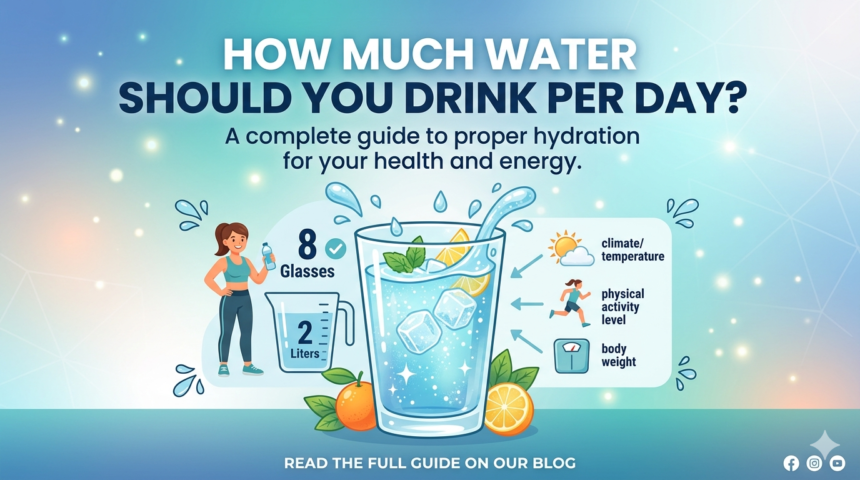
Maintaining proper hydration is vital for overall health, and various recommendations have been proposed to guide individuals in determining their daily water intake. One of the most widely known suggestions is the “8×8 rule,” which advocates for the consumption of eight 8-ounce glasses of water per day, equating to a total of 64 ounces or approximately 2 liters. This straightforward guideline serves as a practical benchmark; however, it does not account for individual variations such as activity level, climate, and overall health.
Health authorities have provided additional insights into daily water intake. The National Academies of Sciences, Engineering, and Medicine recommends approximately 3.7 liters (or about 13 cups) for men and 2.7 liters (around 9 cups) for women, encompassing all beverages and food consumed throughout the day. It is essential to note that these figures represent total water intake, which includes moisture found in food items as well as other beverages, not just plain drinking water.
The distinctions between total water intake and the consumption of plain water are crucial. While plain water is a vital element for hydration, many people obtain significant amounts of their fluid needs from various sources, including fruits, vegetables, and other liquids. For instance, foods such as cucumbers, watermelon, and oranges have high water content, contributing to the total hydration levels.
Ultimately, while guidelines can offer a solid foundation, individual needs may differ considerably. Factors like age, gender, weight, physical activity, and the environment should all be considered when determining how much water to drink daily. Listening to one’s body and adjusting fluid intake accordingly remains paramount in achieving optimal hydration.
Signs of Dehydration
Dehydration occurs when the body loses more fluids than it takes in, impairing its ability to function properly. It is essential to recognize the signs of dehydration early to prevent potential health complications. The symptoms can range from mild to severe and may vary among individuals.
One of the initial indicators of dehydration is increased thirst. As the body becomes more dehydrated, the brain signals for fluid intake; thus, persistent thirst is often the first warning sign. Accompanying this feeling, a dry mouth may also present itself, indicating a lack of saliva production due to insufficient hydration. These early indicators should not be overlooked and should prompt an increase in fluid intake.
As dehydration progresses, additional symptoms may arise, such as fatigue. This sensation occurs because the body is prioritizing essential functions, leading to a sense of tiredness. In many cases, individuals may experience dizziness or lightheadedness, particularly when standing up quickly. This symptom results from lower blood volume, which can affect blood pressure regulation.
At a more advanced stage of dehydration, cognitive effects may manifest, including confusion and difficulty concentrating. Physical performance can also decline, with symptoms such as reduced strength and coordination appearing. These consequences underline the importance of maintaining proper hydration levels, especially during physical activity or in hot environments.
Understanding the signs of dehydration is crucial for maintaining overall health. By being attentive to the symptoms and responding promptly with increased water intake, individuals can help prevent the adverse effects of dehydration and support their body’s optimal functioning.
Hydration Myths and Facts
When discussing the topic of water intake, several myths can often lead to confusion. One prevalent myth is the belief that individuals should only drink water when they are thirsty. Although thirst is a helpful signal indicating a need for hydration, it is not always the best indicator of the body’s hydration status. By the time thirst is felt, dehydration may have already begun to set in, which can negatively impact physical and cognitive performance.
Another common misconception is that all beverages are equally effective in contributing to hydration. While it is true that many beverages, including tea, coffee, and even beverages with some sugar content, can contribute to overall fluid intake, they may differ in their hydrating properties. For example, caffeinated drinks can have a mild diuretic effect but do not necessarily counteract the hydration they provide. It is essential to recognize that water remains the most efficient and effective source for hydration.
Additionally, some might think that the traditional guideline of consuming eight 8-ounce glasses of water daily is necessary for everyone. However, hydration needs can vary significantly based on factors such as individual physiology, activity levels, environment, and diet. Various health organizations emphasize the importance of listening to one’s body signals and adjusting water intake accordingly. The color of urine is also a practical indicator of hydration; pale yellow typically signifies proper hydration levels, while darker urine may indicate a need for increased water consumption.
Ultimately, understanding these hydration myths can empower individuals to make informed choices about their water intake. By dispelling common misconceptions and relying on scientific insights, one can better appreciate the nuances of hydration and its importance for overall health. Staying adequately hydrated is crucial, and appropriate practices should be adopted to ensure well-being.
Monitoring Your Hydration Levels
Maintaining optimal hydration is essential for overall health and wellness. Understanding how to monitor your hydration levels is crucial to ensure that you are drinking enough water throughout the day. One practical method is to assess the color of your urine. Ideally, your urine should be light yellow; darker shades can indicate dehydration, while completely clear urine may suggest you are over-hydrated.
In addition to urine color, being attuned to your body’s signals can greatly aid in monitoring hydration. Common indicators of dehydration can include feelings of thirst, dry mouth, fatigue, and headaches. Conversely, drinking sufficient water can contribute to improved energy levels and cognitive function. Paying attention to these signs and making it a habit to drink water when you’re thirsty can effectively enhance your hydration practices.
Another useful approach is utilizing technology to track your hydration habits. Many hydration apps are available that allow users to log their water intake and set reminders to drink. These applications often provide personalized recommendations based on various factors such as age, weight, and activity level. Furthermore, some smart water bottles also connect to apps, providing real-time monitoring of your daily intake, which can be an engaging way to encourage consistent hydration.
Incorporating these different techniques into your daily routine can create a holistic approach to hydration. Whether it is using urine color as a guide, listening to your body’s signals, or leveraging technology to keep track, developing personalized hydration habits can significantly improve your overall health and well-being.
Effect of Exercise on Water Needs
Engaging in physical activity significantly influences an individual’s hydration needs. During exercise, the body undergoes diverse physiological changes, one of which involves an increase in body temperature. To regulate this temperature and maintain homeostasis, the body responds by perspiring, thereby losing fluids. This fluid loss necessitates an adjustment in daily water intake to compensate for the water expelled through sweat and respiration.
The volume of sweat produced during physical activities can vary greatly, depending on several factors including the exercise intensity, duration, environmental conditions, and an individual’s personal physiology. For instance, individuals exercising in a humid environment may experience greater fluid loss due to the difficulty of sweat evaporation. Similarly, high-intensity workouts tend to result in more significant sweat production compared to moderate activities.
As a guideline, it is generally recommended that individuals increase their water intake by approximately 1.5-2.5 cups (or 400-600 ml) for every hour of strenuous exercise. It is crucial to hydrate both before and after exercising to restore optimal fluid levels. Pre-exercise hydration should begin hours before the workout to ensure that the body is adequately prepared, and post-exercise hydration is essential for recovery, especially if the exercise session was particularly prolonged or intense.
Moreover, it may be beneficial to consume beverages containing electrolytes during extended workouts or activities lasting over an hour. Electrolytes play a pivotal role in maintaining fluid balance in the body, and losing significant amounts through sweat can lead to deficits that might impair performance. Thus, monitoring hydration status by observing urine color and volume can assist individuals in evaluating whether they are maintaining sufficient hydration levels.
Hydrating Foods and Beverages
Maintaining proper hydration is essential for overall health, and various foods and beverages play a significant role in achieving daily hydration goals. Foods that are rich in water content can be an excellent addition to one’s diet, complementing the typical water intake. Fruits and vegetables, in particular, are not only hydrating but also provide essential vitamins and minerals.
Watermelon, cucumbers, oranges, and strawberries are examples of fruits and vegetables that contain over 90% water by weight. Consuming these nourishing foods not only hydrates the body but also adds fibers and antioxidants which are beneficial for health. For instance, watermelon is not just refreshingly hydrating but is also rich in lycopene, an antioxidant linked to several health benefits.
In addition to solid foods, beverages like herbal teas and infused water can also contribute to one’s overall fluid intake. Herbal teas, which are available in a variety of flavors, provide hydration without added calories or caffeine, making them a perfect choice for those seeking to boost their fluid consumption. Infusing water with fruits, herbs, or vegetables can enhance its flavor, encouraging individuals to drink more throughout the day. For example, a combination of lemon and mint in water can make a refreshing option that can be enjoyed at any time.
Moreover, beverages such as broths and soups, while often overlooked, can also be substantial sources of hydration. They not only replenish fluid levels but may also provide additional nutrients, depending on the ingredients used. Therefore, focusing on a diverse intake of water-rich foods and beverages can prove beneficial in achieving optimal hydration levels.
Conclusion and Practical Tips
In conclusion, maintaining adequate hydration is crucial for overall health and well-being. Current guidelines suggest that the average adult should aim for about eight 8-ounce glasses of water each day, commonly referred to as the “8×8 rule.” However, individual hydration needs can vary based on several factors, including age, sex, activity level, and climate. It is imperative to listen to your body’s thirst signals and adjust your water intake accordingly.
To effectively integrate sufficient water consumption into your daily routine, consider implementing the following practical tips. First, setting reminders on your smartphone can be a helpful way to ensure that you drink water at regular intervals throughout the day. Moreover, carrying a reusable water bottle not only serves as a visual reminder to frequently hydrate but also makes it convenient to access water no matter your location.
Additionally, it’s essential to adjust your water intake according to environmental factors. For instance, in hot weather or during vigorous exercise, your body loses more fluids through sweat, necessitating increased hydration. Conversely, during colder months, hydration may not feel as pressing, but it remains vital, as the body often loses moisture through respiration in dry air.
Lastly, incorporating hydrating foods into your diet, such as fruits and vegetables, can also contribute to your daily fluid intake. Foods like watermelon, cucumber, and oranges are rich in water content and can help maintain hydration levels. By following these tips, you can easily enhance your daily water intake, thus promoting better health and optimizing bodily functions.