
How to Choose the Right Furniture for Your Home

admin
By admin
19 Min Read

Understanding Your Space

Choosing the right furniture for your home begins with a profound understanding of your space. Each room has its own unique dimensions and characteristics, which play a crucial role in determining what kind of furniture can be effectively incorporated. Therefore, measuring the dimensions of each room is the first step in this process. Taking precise measurements will help you visualize how different pieces can fit within the defined space, thereby preventing possible mismatches.

Furthermore, it is essential to consider the flow of movement within your rooms. Evaluating how people navigate through a space allows for the optimal arrangement of furniture. For example, in a living room, leaving adequate pathways ensures that traffic can move smoothly around the seating areas, preventing the area from feeling cramped. Consider utilizing painter’s tape to outline potential furniture layouts on your floor; this visual aid can assist you in conceptualizing how small or large items will fit cohesively together.

Another key aspect to keep in mind is the scale of furniture relative to your space. Opting for oversized pieces in smaller rooms may overwhelm the area, while smaller items may appear insignificant in larger spaces. The goal should be to achieve a balance that enhances the aesthetic appeal without cluttering the surroundings. Lastly, consider the vertical space. Shelving or tall cabinets can draw the eye upwards, making a room feel larger than it is. By thoroughly understanding your space, you can make informed decisions that lead to successful furniture placements, ultimately enhancing the functionality and beauty of your home.

Defining Your Style

Choosing the right furniture for your home begins with defining your personal style. Different interior design styles can evoke various feelings and moods, and recognizing which resonates with you is essential. Some popular styles include modern, rustic, industrial, and traditional. Each of these categories has distinct characteristics, colors, materials, and layouts that can affect the ambience of a space.

Modern design typically embraces minimalism, characterized by clean lines and a neutral color palette. It often features materials such as metal, glass, and leather, creating a sleek and uncluttered environment. On the other hand, rustic style tends to incorporate natural elements, focusing on warmth and a cozy atmosphere, with wooden furniture and earthy tones highlighting its charm.

Industrial design is known for its utilitarian aesthetic, often showcasing raw materials such as exposed brick, steel, and concrete. This edgy approach to design presents a chic, urban feel, suitable for lofts or any space needing character. Finally, traditional style brings a sense of history and elegance, featuring ornate details, rich fabrics, and classic lines.

To help identify your aesthetic, consider creating a mood board. Collect images, textures, and colors that resonate with you from magazines, online platforms, or design websites. This visual representation can guide you in selecting pieces that reflect your passions and preferences. Not only will this streamline the furniture selection process, but it will also ensure that the final result aligns with the overall feel of your home.

Finding inspiration can also be beneficial. Visit local furniture stores, showrooms, and design exhibitions for a tactile experience. Observe how various pieces fit together, providing you insights on how to compose your living spaces effectively.

Prioritizing Functionality

When selecting furniture for your home, prioritizing functionality is essential to ensure that your living space meets your everyday needs. The purpose of each room plays a significant role in guiding your furniture choices. For example, a living room may require versatile seating arrangements for both entertaining guests and comfortable family downtime, while a home office may necessitate a desk that promotes productivity while providing adequate storage for work materials.

In addition to the designated functions of each room, it is crucial to consider your lifestyle needs. Families with children or pets may benefit from selecting durable materials that withstand wear and tear, while individuals who frequently host gatherings may prefer adaptable furniture that can easily accommodate varying numbers of guests. Furthermore, understanding the flow of your space can help determine optimal placements of furniture to promote ease of movement and accessibility.

In smaller spaces, choosing multifunctional pieces is particularly advantageous. Furniture that offers storage solutions, such as ottomans with hidden compartments or beds with built-in drawers, can maximize the usability of limited square footage. Additionally, consider modular furniture systems that can be reconfigured depending on your needs and preferences. Such adaptability provides not only practical benefits but also enhances the overall aesthetic charm of an area.

Ultimately, the key to a well-furnished home lies in balancing aesthetic appeal and functionality. By focusing on the practical requirements of your rooms and selecting pieces that serve multiple purposes, you can create a harmonious environment that enhances your quality of life.

Selecting Quality Materials

When it comes to furniture selection for your home, the materials used play a crucial role in determining not only the durability but also the overall aesthetic appeal. Choosing the right materials can significantly impact the longevity of your furniture pieces. The three predominant types of materials used in furniture production are wood, metal, and upholstery.

Wood is a classic choice, revered for its strength and natural beauty. Solid hardwoods, such as oak, maple, and cherry, are typically more durable and resistant to wear over time compared to softwoods. Additionally, furniture made from engineered wood, like plywood or MDF, can be a more affordable alternative, although it may lack the same robustness. When selecting wooden furniture, consider the finish as well, as high-quality finishes protect against moisture and scratches.

On the other hand, metal furniture introduces a modern touch and is often praised for its structural integrity. Metals such as steel and aluminum offer longevity and resistance to various environmental conditions. Furniture crafted from these materials may require less maintenance and can be ideal for both indoor and outdoor settings.

Upholstery presents another layer of consideration, particularly in terms of comfort and style. The fabric used can significantly influence the appearance and durability of upholstered furniture. Natural fibers, such as cotton or linen, provide a soft touch, whereas synthetic fabrics, such as polyester and nylon, can enhance durability and stain resistance. For households with pets or children, opting for stain-resistant fabrics can prolong the life of your upholstered items.

In addition to these material options, consideration should also be given to sustainability. Opting for furniture made from reclaimed or sustainably sourced materials not only reduces environmental impact but also adds a unique character to your home furnishings. Prioritizing quality materials is essential in selecting furniture that complements your lifestyle, ensuring both beauty and functionality in your living space.

Budgeting for Your Furniture

When embarking on the journey of furnishing your home, establishing a budget is a critical first step. A well-defined budget will not only help guide your purchasing decisions but also ensure that you make financially sound choices without compromising on style or comfort. The key to effective budgeting lies in understanding your priorities and making informed decisions regarding your furniture purchases.

Begin by listing the essential pieces you need for your home, such as a couch, dining table, and beds, alongside items that would enhance your living experience, like decorative accents or bookshelves. Once you have a comprehensive list, assign a realistic budget to each item based on its necessity and your personal preferences. This approach allows you to focus your spending on what truly matters and helps eliminate impulse purchases.

While shopping, keep an eye out for sales and seasonal discounts that can significantly reduce costs. Many retailers offer promotions during holidays or end-of-season clearance events. By timing your purchases, you can secure higher quality pieces at more affordable prices, striking a favorable balance between cost and quality.

In addition to new furniture, consider exploring alternative options. Secondhand furniture shops, estate sales, and online marketplaces offer a wide range of budget-friendly pieces that can often be found at a fraction of the retail price. Not only does this option promote sustainable practices, but it can also lead to unique finds that add character to your home.

If you possess a creative flair, consider embarking on DIY projects. Repurposing or upcycling existing furniture can yield personalized items that enhance your space while remaining within budget. This approach allows for both cost savings and a sense of fulfillment in creating a home that reflects your style.

Choosing the Right Color Palette

The color of your furniture is not just an aesthetic choice; it fundamentally influences the atmosphere and perceived space within a room. Selecting a suitable color palette can create a desired mood, whether it’s a serene environment or a vibrant and energizing atmosphere. Therefore, understanding color theory and trends is essential when making decisions regarding furniture selection.

The first step in choosing the right color palette is to assess the existing decor of your space. This includes considering wall colors, flooring, and any permanent fixtures. Harmonizing your furniture colors with these elements is crucial to achieving a cohesive look. For instance, if your walls have muted tones, opting for furniture in bolder colors can create a striking focal point. Conversely, if the walls are already vibrant, you may want to choose neutral-colored furniture to create balance.

Current trends showcase a variety of color schemes that can inspire your furniture selection. Earthy tones, such as terracotta, olive green, and soft browns, have gained popularity for their natural and calming qualities. These colors can be particularly effective in creating a cozy atmosphere in living rooms or bedrooms. On the other hand, cooler shades like navy blue, charcoal gray, and crisp white have also become popular, chosen for their ability to evoke a clean and contemporary vibe.

Additionally, it is advisable to consider how different colors can influence emotions and moods. Warm colors, such as reds and yellows, tend to energize and stimulate, while cool colors, such as blues and greens, often provide a calming effect. Experimenting with color swatches and visualizing your space with various furniture options can aid in making informed decisions.

Planning the Layout

Choosing the right furniture is not solely about aesthetics; a well-thought-out layout can enhance the functionality and flow of your living space. To initiate the layout planning process, begin by assessing the dimensions of your room. Measure the length and width of the space, taking note of architectural features such as windows, doors, and built-ins that may impact the arrangement. Creating a scaled floor plan can be an invaluable first step, allowing you to visualize potential furniture placements before making purchases.

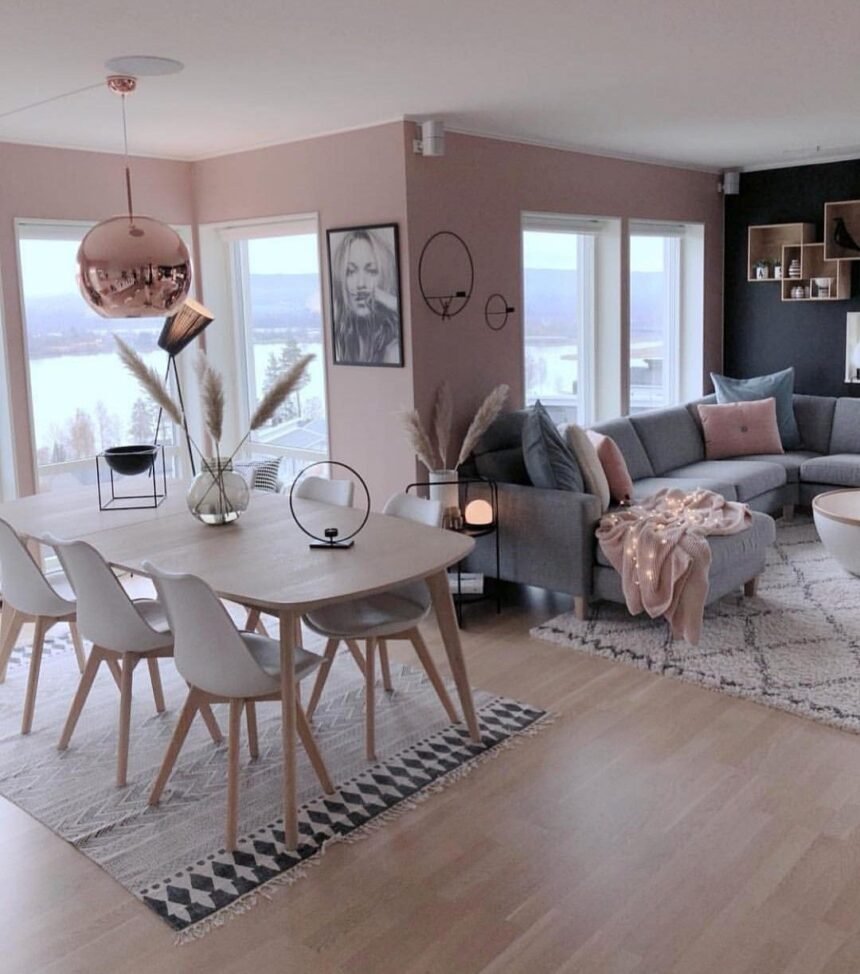
Once you have a clear understanding of your space, consider various layout ideas. For smaller rooms, a minimalist approach with multifunctional furniture can maximize utility while maintaining an open atmosphere. In larger rooms, you might explore creating distinct zones—such as a conversational area, reading nook, or entertainment corner—by grouping furniture appropriately. Utilizing area rugs can help delineate these spaces while adding warmth and texture.

Balance and proportion are crucial in ensuring that your layout is aesthetically pleasing and functional. Strive for harmony by distributing heavier pieces, such as sofas or armchairs, evenly throughout the room. Avoid overcrowding any particular area and make sure that there is enough space for movement and access to essential elements like pathways, tables, or cabinets. Aim for a visual balance with varying furniture heights and shapes to create an inviting atmosphere.

Additionally, modern tools like room planners or design software can assist in visualizing different arrangements effectively. These tools often allow you to experiment with various furniture configurations, ensuring that you find the best fit for your layout before committing to a final design.

Incorporating Accessories and Textiles

When selecting furniture for your home, it is essential to consider how accessories and textiles will enhance the overall aesthetic and functionality of each room. These elements play a crucial role in complementing chosen furniture styles and can significantly impact the atmosphere of a space.

Rugs, for instance, serve not just as decorative items but also as defining features that delineate different areas within an open layout. A well-placed rug can tie together disparate furniture pieces, creating a cohesive look. When selecting a rug, it is important to consider factors such as color, texture, and size, ensuring it harmonizes with the furniture selection while simultaneously adding depth to the room.

Curtains and window treatments are equally important accessories that can alter a space’s perception. They not only offer privacy but also contribute to the overall aesthetic appeal. Fabrics in light, airy materials can help make a room feel more spacious, while heavier, darker fabrics can create a cozier ambiance. The choice of curtain design can also reflect the furniture style, with sleek, modern furniture benefiting from simple, minimalistic drapes, and traditional furniture being complemented by rich, textured fabrics.

Decorative items, such as art pieces and ornamental decor, are critical in adding personality to a space. These accessories should resonate with the overall theme established by the furniture, drawing connections through color and style. When thoughtfully curated, these items can serve as conversation starters, enriching the environment with visual interest while ensuring that the furniture remains the focal point.

By mindfully incorporating accessories and textiles, homeowners can significantly enhance their furniture selections, foster a welcoming atmosphere, and truly personalize their living spaces. This synergy between furniture and accents is pivotal in creating a harmonious home environment.

Finalizing Your Choices and Delivery Considerations

Upon selecting the furniture pieces that suit your preferences and home decor, the next crucial step involves finalizing your choices and considering delivery options. It is essential to be mindful of how these aspects impact your overall shopping experience.

Firstly, clarifying your final selection ensures that all pieces complement each other and fit cohesively within your space. Before making a purchase, review dimensions thoroughly to avoid an unpleasant surprise during delivery. Consider the layout of the room and how the new furniture will interact with existing elements. Additionally, take into account aesthetic aspects such as color, material, and style to achieve a harmonious environment.

Delivery considerations should also be at the forefront of your decision-making. While many retailers offer delivery services, it is important to inquire about delivery fees, estimated arrival times, and whether the service includes assembly. Understanding these aspects can help you prepare better for the arrival of your new furniture. If assembly is required, see if the retailer offers an assembly service. Hiring a professional can streamline the setup process, especially for larger pieces that may be cumbersome to handle alone.

Furthermore, always check the returns policy before completing your purchase. Familiarizing yourself with possible return procedures ensures that you can make informed decisions should the furniture not meet your expectations upon arrival. Being proactive about the return process can alleviate future stress. Most reputable retailers provide a clear returns policy, detailing timeframes and any potential charges associated.

In conclusion, thorough evaluation of your final choices, along with an understanding of delivery logistics and return policies, can significantly enhance your furniture shopping experience, leading to a satisfying addition to your home.

Share This Article
Leave a comment

Leave a Reply

Your email address will not be published. Required fields are marked *