

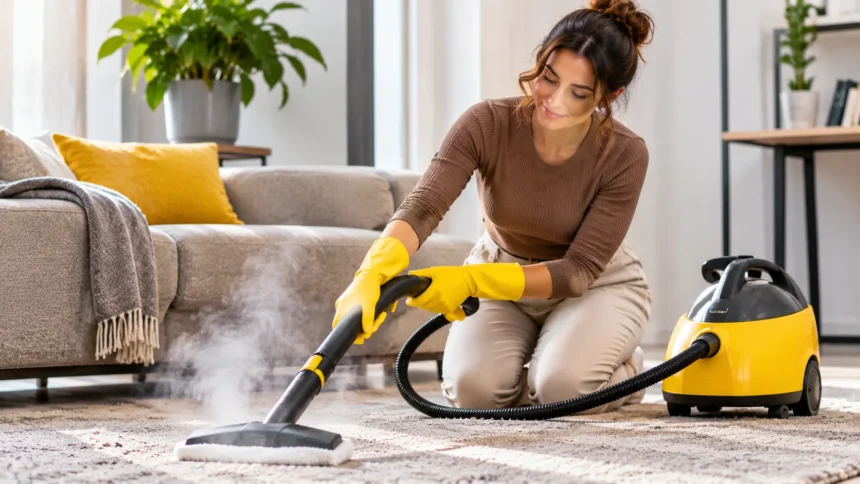
Keeping your home clean can feel challenging when dirt, grease, and stubborn stains build up on different surfaces. Traditional cleaning methods often require several products, extra scrubbing, and considerable time. A good steam cleaner can make certain cleaning tasks easier by using heated water vapor to loosen grime. However, choosing the best steam cleaner depends on your surfaces, cleaning needs, and available budget.
Steam cleaners come in different designs, including handheld models, steam mops, and larger canister machines. Some are intended for sealed hard floors, while others include attachments for bathroom tiles, grout, and household fixtures. Understanding these differences helps you avoid purchasing equipment that does not suit your home.
This buying guide explores popular steam cleaner models, their useful features, and the advantages of different machine types. You will also learn how steam cleaning works, what to consider before buying, and which surfaces require special care. Whether you need a compact cleaner or a versatile household machine, this guide will help you make an informed decision.
What Is a Steam Cleaner and How Does It Work?
A steam cleaner is a household appliance that heats water to produce steam for cleaning suitable surfaces. The steam helps loosen dirt, grease, and some stubborn residues, making them easier to wipe away. Different machines deliver steam through floor heads, handheld nozzles, or specialized attachments. Their effectiveness depends on temperature, contact time, surface material, and cleaning technique.
Unlike traditional mops, many steam cleaners operate without adding detergent to their water tanks. This can reduce the need for certain household cleaning products. However, steam alone does not remove every type of stain or contamination. Some cleaning tasks still require wiping, scrubbing, or an appropriate surface-safe cleaning solution used separately.

Steam cleaners are available in several sizes and configurations. Compact handheld models are convenient for small areas, while steam mops are designed primarily for compatible floors. Canister models often provide additional accessories and longer cleaning sessions. Understanding these categories makes it easier to choose a machine that matches your routine.
Dupray Neat Steam Cleaner – Best Overall Versatile Option
The Dupray Neat Steam Cleaner is a popular canister-style machine designed for a variety of household cleaning tasks. Its compact body connects to different attachments for suitable floors, grout, and other surfaces. The machine uses pressurized steam to loosen dirt and residue. It is worth considering for people who want more flexibility than a basic steam mop provides.
One useful feature is its relatively large water tank, which supports longer cleaning sessions compared with many handheld machines. The included accessories allow users to change cleaning tools according to the surface. However, the traditional Neat model requires several minutes to heat up. Its canister design also needs more storage space than a lightweight upright mop.
The Dupray Neat is a strong candidate for households that regularly clean several different surface types. Buyers should check the exact model because specifications can differ between the Neat and newer versions. Verify surface compatibility before using steam on delicate materials. Its versatility makes it appealing, but a simpler machine may be more practical for floor-only cleaning.
Kärcher SC3 EasyFix – Best for Quick Heating
The Kärcher SC3 EasyFix is a versatile canister steam cleaner known for its relatively fast heating system. Unlike traditional machines that may need several minutes, this model is designed to become ready in approximately thirty seconds. This convenience can be useful for people who prefer shorter cleaning sessions. Its accessories support cleaning different suitable household surfaces.
The SC3 EasyFix includes a floor-cleaning system and attachments for smaller areas. Its water tank can be refilled during use according to the manufacturer’s instructions, reducing interruptions. A descaling cartridge helps manage mineral buildup from water. These features make the machine convenient for routine cleaning, particularly in households with multiple compatible surfaces.
One consideration is that the SC3 EasyFix generally costs more than basic steam mops. Its canister, hose, and accessories also require storage space. Buyers should compare the available accessory package and regional specifications before purchasing. For households that value quick startup and versatile cleaning, it deserves serious consideration.
Bissell PowerFresh Steam Mop – Best for Sealed Hard Floors
The Bissell PowerFresh Steam Mop is designed for routine cleaning of compatible sealed hard floors. Its upright shape resembles a conventional mop, making it relatively straightforward to move around rooms. The machine uses steam and a reusable cleaning pad to loosen and collect surface dirt. It is particularly useful for households focused mainly on floor maintenance.
The PowerFresh range includes models with different cleaning features, such as adjustable steam settings and specialized scrubbing accessories. Some versions have a built-in scrubber for difficult spots. The design makes daily floor cleaning convenient without requiring a large canister. However, it does not provide the same versatility as a full multipurpose steam cleaner.
Before using any steam mop, confirm that your floor manufacturer permits steam cleaning. Heat and moisture may damage certain wood, laminate, or other moisture-sensitive materials. The PowerFresh is most suitable for compatible sealed flooring rather than every household surface. If your main priority is floor cleaning, its simpler design may be preferable to a larger machine.
McCulloch MC1385 – Best for Extended Cleaning Sessions
The McCulloch MC1385 Deluxe Canister Steam Cleaner is designed for larger cleaning tasks that benefit from longer operating periods. It features a substantial water tank and a variety of cleaning attachments. The machine can be used on appropriate household surfaces according to its instructions. Its design appeals to buyers who want a multipurpose machine for detailed cleaning.
The MC1385 comes with tools intended for different cleaning situations, including brushes and extended-reach attachments. Its larger tank supports extended steam operation, although actual runtime varies with usage. The trade-off is a longer initial heating period and a bulkier design. Users also need space to store the accessories when the cleaner is not in use.
This model may suit households that regularly tackle bathroom grout, kitchen residue, and other demanding cleaning jobs. However, stronger or longer-lasting steam does not make every surface safe to clean. Buyers should review the operating instructions and avoid delicate materials that cannot tolerate heat. The MC1385 is better suited to planned cleaning sessions than quick touch-ups.
Bissell SteamShot – Best for Small Cleaning Tasks
The Bissell SteamShot range includes compact handheld steam cleaners designed for smaller cleaning areas. These machines are easier to carry than larger canister models and typically include focused nozzles. They can be useful for compatible fixtures, corners, and other limited spaces. Their portability makes them attractive to people who do not need a full-size floor-cleaning appliance.
Handheld cleaners generally have smaller water tanks than canister machines. This means they may require more frequent pauses during extended cleaning tasks. The focused steam output can also be unsuitable for delicate finishes or heat-sensitive materials. Exact attachments and specifications vary between SteamShot versions, so comparing the individual model is important.
A handheld steam cleaner is most practical when your main cleaning tasks involve small, accessible areas. It is not an efficient replacement for a full-size mop when cleaning large floors. Buyers should also review any safety notices or product recalls associated with their particular model. Choosing a reliable version with appropriate safety features matters more than purchasing the cheapest handheld option.
Shark Steam Mop – Best for Convenient Floor Maintenance
Shark offers several steam mop models designed for cleaning compatible hard floors. Depending on the model, features may include reusable pads, different steam settings, and specialized cleaning heads. The upright design is convenient for routine household use. It can appeal to buyers who want a straightforward alternative to traditional wet mopping.
Certain Shark models use different pad arrangements or additional features to help loosen stuck-on dirt. Some also provide detachable cleaning components, although these are not standard across every model. Buyers should compare exact product specifications rather than assuming all Shark steam mops work identically. Floor compatibility remains a key consideration.
Shark steam mops are most appropriate for households that prioritize convenient floor cleaning. They are less suitable when you need extensive upholstery, grout, or detailed fixture-cleaning capabilities. Check replacement pad availability and manufacturer recommendations before buying. A simple, well-matched floor cleaner may provide better everyday value than a more complicated multipurpose machine.
Different Types of Steam Cleaners Explained
Steam cleaners generally fall into three main categories: handheld cleaners, steam mops, and canister machines. Each design serves different cleaning needs and offers its own advantages. Selecting the right type is often more important than choosing a particular brand. Your available storage space and preferred cleaning routine should also influence the decision.
Handheld steam cleaners are compact and useful for targeted cleaning, while steam mops are designed primarily for compatible floors. Canister machines provide greater versatility through attachments and extended reach. However, canister models may require additional preparation, heating time, and storage. Their broader capabilities are valuable only when you regularly use those functions.
Some specialized appliances combine steam with vacuuming, extraction, or fabric-cleaning functions. These products are not necessarily interchangeable with ordinary steam cleaners. For example, an upholstery extractor removes liquid, while a basic steam cleaner may only loosen residue. Understanding the differences prevents unrealistic expectations and helps buyers select suitable equipment.
Key Features to Look for in the Best Steam Cleaner
Water tank capacity is an important feature because it influences how frequently the machine requires refilling. A larger tank can support longer sessions, while a smaller tank may make the appliance lighter. Heating time also affects convenience. Buyers should consider whether they prefer quick everyday cleaning or less frequent, extended cleaning sessions.
Attachments can significantly influence a steam cleaner’s usefulness. Floor heads, brushes, extension tubes, and concentrated nozzles serve different tasks. However, a large accessory package is not automatically better if most tools remain unused. Prioritize attachments that match the surfaces you actually intend to clean.
Other useful features include clear operating indicators, comfortable handling, suitable cord length, and dependable safety mechanisms. Some models provide adjustable steam output or systems that reduce mineral buildup. These features may improve convenience and maintenance. Compare them alongside warranty coverage, replacement parts, and the manufacturer’s instructions before making a purchase.
Best Steam Cleaner for Bathrooms and Grout
Bathrooms often contain grout lines, tiled surfaces, and fixtures where residue can accumulate. A steam cleaner with a suitable focused nozzle or brush attachment may help loosen certain deposits. Canister and handheld models are commonly considered for these tasks. However, steam cleaning cannot repair damaged grout or replace necessary surface maintenance.
Grout cleaning requires attention to the condition of the surface. Loose grout, cracked tiles, and damaged seals may allow moisture to enter areas where it does not belong. Certain natural stone finishes are also sensitive to heat and moisture. Check manufacturer recommendations before applying steam, particularly around older bathroom installations.
For regular bathroom cleaning, choose a model that is comfortable to handle and includes appropriate accessories. Avoid directing steam toward electrical fixtures, outlets, or sensitive sealants. Use caution around reflective surfaces and materials that may experience thermal stress. A suitable steam cleaner can simplify some bathroom tasks when used according to the surface’s requirements.
Best Steam Cleaner for Carpets and Upholstery
Carpets and upholstery require special consideration because they contain fabrics, padding, dyes, and adhesives that may react differently to moisture. Some steam cleaners include fabric accessories or carpet gliders. However, these attachments do not necessarily provide deep carpet extraction. Buyers should understand the machine’s intended function before choosing it for textile cleaning.
A carpet glider on a steam mop may help refresh certain compatible carpets, but it generally does not extract embedded dirt and moisture like a carpet-cleaning machine. Upholstery can be even more sensitive to heat or water. Some fabrics require professional cleaning or specific methods. Always check the care label and appliance instructions.
If your main goal is removing deep carpet stains, a dedicated carpet extractor may be more suitable. For occasional fabric refreshing, a compatible steam cleaner could be useful when the manufacturer permits it. Test procedures and drying requirements matter. Avoid assuming that a machine advertised for multiple surfaces can safely treat every textile.
Benefits of Using a Steam Cleaner at Home
One advantage of steam cleaning is the ability to loosen certain dirt and grease deposits using heated water. This may reduce the need for additional cleaning products in some situations. Steam can also reach suitable crevices when used with appropriate attachments. However, cleaning results depend on the material, temperature, technique, and type of residue.
Steam cleaners can make some routine tasks more convenient, particularly on compatible sealed floors and tiled surfaces. Reusable cleaning pads may also reduce reliance on disposable floor-cleaning materials. The actual environmental impact depends on energy use, appliance durability, and cleaning habits. A steam cleaner should be viewed as one household tool rather than a universal replacement.
Some manufacturers advertise sanitizing performance under specified laboratory conditions. However, those results depend on achieving the required temperature and contact time on appropriate surfaces. Ordinary home use may not reproduce every test condition. Steam cleaning should therefore not be assumed to disinfect every surface or eliminate every health-related risk.
Steam Cleaner vs. Traditional Mop: Which Is Better?
Traditional mops and steam cleaners both have useful roles in household maintenance. A conventional mop can clean many surfaces with water and appropriate cleaning solutions. Steam cleaners use heated vapor to loosen residue and support cleaning on compatible materials. Neither method is automatically the best choice for every type of flooring.
Steam mops may be convenient when cleaning compatible sealed tile or other manufacturer-approved floors. However, traditional damp mopping is often more suitable for materials that cannot tolerate significant heat or moisture. Conventional mops can also be less expensive to purchase. The appropriate choice depends on floor construction and maintenance requirements.
Households with several flooring types may benefit from using different cleaning methods in different rooms. For example, sealed tile may be suitable for steam, while sensitive wood flooring may require a specialized approach. Checking floor warranties and care instructions helps prevent avoidable damage. Surface compatibility should guide your decision more than marketing claims.
How to Choose the Right Steam Cleaner for Your Budget
The best steam cleaner is not necessarily the most expensive model available. A basic steam mop may provide everything needed for routine floor care. Larger canister machines generally cost more but can offer additional attachments and longer cleaning sessions. Choosing the right design prevents paying for features you rarely use.
Consider the total ownership cost rather than focusing only on the purchase price. Replacement pads, brushes, descaling supplies, and maintenance requirements may add expenses over time. Warranty coverage and availability of spare parts can also affect long-term value. A durable machine with accessible replacement components may be more practical than a cheaper model with limited support.
Before buying, identify your most common cleaning tasks and compare a few suitable machines. Check current retailer prices, regional voltage compatibility, product specifications, and customer support arrangements. Reviews can provide useful information about handling and durability, but individual experiences vary. A careful comparison helps you choose equipment that fits both your budget and household needs.
Steam Cleaner Safety and Maintenance Tips
Steam cleaners produce very hot vapor that can cause burns if used incorrectly. Follow the manufacturer’s instructions, keep the nozzle directed away from people and animals, and allow components to cool before handling. Never open a pressurized boiler while it remains hot. Store the appliance securely and keep children away during operation.
Regular maintenance helps support dependable performance. Mineral deposits can accumulate inside certain machines, particularly when hard water is used. Follow the manufacturer’s recommendations for filling, cleaning, and descaling the appliance. Do not add detergents, fragrances, or other substances to the water tank unless the specific product instructions clearly permit them.
Before cleaning any surface, confirm that the material can tolerate steam. Avoid electronics, electrical outlets, and surfaces with damaged or moisture-sensitive finishes. Test permitted surfaces in an inconspicuous area when recommended. Taking these precautions helps protect household materials while reducing avoidable risks during cleaning.
Conclusion
Choosing the best steam cleaner depends on your cleaning priorities, preferred features, and available budget. The Dupray Neat and Kärcher SC3 EasyFix are versatile options for different household tasks, while the Bissell PowerFresh and selected Shark models focus on floor maintenance. Larger machines such as the McCulloch MC1385 may be more suitable for extended cleaning sessions.
Before purchasing, compare water tank capacity, heating time, accessories, maintenance needs, and surface compatibility. A compact cleaner may be sufficient for occasional detail work, while a larger machine can support more varied cleaning tasks. Paying attention to these differences helps prevent unnecessary expenses and disappointing results.
A suitable steam cleaner can become a useful addition to your household cleaning routine when operated correctly. Choose a reliable model, follow the manufacturer’s safety instructions, and use steam only on compatible surfaces. With realistic expectations and proper maintenance, you can make everyday cleaning more convenient and manageable.
Frequently Asked Questions
What Is the Best Steam Cleaner for Home Use?
The Dupray Neat and Kärcher SC3 EasyFix are versatile choices for different household tasks. The best option depends on surface compatibility, tank capacity, accessories, and budget.
Are Steam Cleaners Better Than Traditional Mops?
Steam cleaners can help loosen dirt on suitable surfaces, while traditional mops work well on many flooring types. Neither is universally better, and the correct choice depends on your floors.
Can You Use a Steam Cleaner on Hardwood Floors?
Steam may damage certain hardwood floors by introducing heat and moisture. Use it only when your flooring manufacturer explicitly approves steam cleaning for your specific floor.
Do Steam Cleaners Remove Stubborn Stains?
Steam can loosen some grease, grime, and stubborn residue, making cleaning easier. However, results vary by surface and stain type, and additional cleaning methods may still be necessary.
Is a Handheld or Canister Steam Cleaner Better?
Handheld models are convenient for small cleaning tasks, while canister cleaners usually offer larger tanks and more attachments. Choose according to your home size and cleaning requirements.