

Window film upgrades can improve privacy, reduce solar heat and glare, block UV exposure, and protect interiors. Architectural mirror and solar films suit homes and offices, while pre-cut automotive tint kits provide tailored coverage for vehicle glass. Choosing the right film requires considering application, installation, performance, and relevant UK requirements.
Key Takeaways
- Solar and privacy films drastically cut domestic thermal loss and solar heat build-up.
- UK law mandates 75% light transmission for front windscreens and 70% for front side glass.
- Factory-cut films eliminate blade risks, reduce trimming effort, and deliver professional edge fitment.
According to the Glass and Glazing Federation (GGF), up to 24% of a home’s heat energy can escape through old, draughty glazing, highlighting the potential energy-efficiency benefits of upgrading inefficient windows.
Upgrading existing glazing with specialised window treatments offers a cost-effective alternative to complete frame replacement. Furthermore, applying protective glass layers enhances personal privacy, mitigates solar heat gain, and safeguards vehicle interiors.
Comparative Overview of DIY Window Films and Tint Upgrades
A mirror window film or tint upgrade is not only about the appearance and price. The right option depends on where the film will be applied, the level of privacy or solar control required, installation difficulty, and any relevant UK planning, building or vehicle requirements.
- For vehicle applications, GOV.UK states that vehicles first used on or after 1 April 1985 must allow at least 75% light through the windscreen and 70% through the front side windows. The rear windscreen and rear passenger windows are not subject to the minimum light-transmission rules.
- For residential glazing, GOV.UK suggests that planning requirements depend on the property and the nature of the work. Permitted development rights do not automatically cover every situation, and restrictions such as Article 4 Directions or conditions attached to previous planning permissions may apply.
The table below provides a practical comparison of common film and tint options.

| Upgrade Solution | Target Application | Primary Benefit | UK Compliance Consideration |
| Architectural Solar Film | Home and commercial glazing | Helps reduce solar heat and glare | Check suitability for the existing glazing and any property-specific restrictions |
| Architectural One-Way Film | Ground-floor windows and offices | Provides daytime privacy while retaining outward visibility | Privacy performance varies with lighting; planning restrictions can apply in some properties |
| Vehicle Tailored Tint Kit | Rear automotive glass | Adds privacy and can reduce solar/UV exposure | UK rules restrict tinting of the front windscreen and front side windows; there is no minimum light-transmission requirement for rear passenger windows or the rear windscreen |
Table: Comparison of DIY Window Film and Tint Upgrade Options
Architectural Privacy Meets Automotive Precision
Many DIY enthusiasts struggle to choose between hand-cut generic roll film and computerised precision kits. Manual cutting often leads to jagged borders, damaged window rubber seals, and peeling corners. Selecting exact CAD-cut films solves this issue for both home glazing and vehicles.
Architectural One-Way Privacy Solutions
For residential settings, daytime privacy without losing natural light is essential. Mirror window film creates a reflective exterior barrier under daylight conditions while leaving interior visibility clear.
- Solar Heat Control:Reflects infrared radiation, lowering summer interior temperatures.
- UV Shielding:Blocks up to 99% of harmful ultraviolet rays, protecting flooring and furnishings from fading.
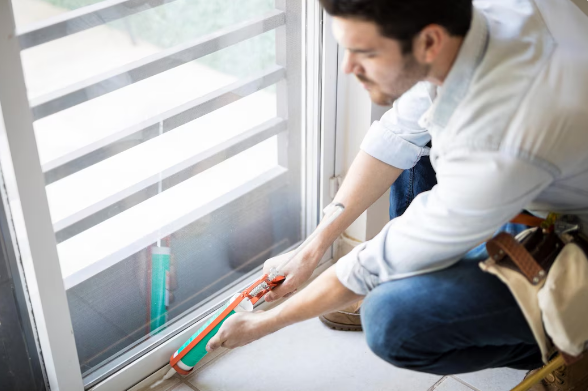
- Surface Preparation:Requires thorough cleaning using lint-free cloths and soapy water to ensure a dust-free glass surface.
Mirror window film provides an immediate security barrier for ground-floor urban properties and conservatory glass panels.
Automotive Precision with Factory-Cut Kits
Installing pre-cut window tint to upgrade vehicle glass ensures exact alignment with complex window curves.
- Blade-Free Safety:It eliminates the need to use utility blades against vehicle glass or rubber gaskets.
- Enhanced Comfort:Reduces solar glare and heat for rear-seat passengers while securing visible cargo.
Opting for high-grade window film on home glass or a tailored pre-cut window tint for automotive applications delivers professional results at a fraction of installer fees.
Practical Implementation: A Case Study
A homeowner in Manchester (she/her) wanted to reduce solar glare in a south-facing home office while preventing direct view from the street. She also planned to tint her vehicle’s rear windows for child comfort. Using precision-cut architectural mirror window film on the office sash windows and a tailored pre-cut window tint kit on the car, the complete installation took less than four hours. It also helped her save hundreds of pounds compared to professional installation.
Wrapping Up
Upgrading domestic and vehicular glass with high-performance film delivers high thermal efficiency, privacy, and long-term cost savings. Selecting custom-tailored film kits eliminates installation risks, preventing glass damage and ensuring a reliable finish.
Get the Best-Quality Window Film and Vehicle Tint for Privacy and Safety
Explore custom-cut architectural and automotive glass film solutions to upgrade your home’s privacy and vehicle comfort. Get the best products tailored to your glass type, space, and specific performance requirements for a clean, professional-looking finish. Check brand reviews and pricing to find convenient and cost-effective window films and tints.