

Introduction to Adventure Travel
Adventure travel is a multifaceted segment of the tourism industry that emphasizes exploration and physically engaging activities. It encompasses a wide array of experiences ranging from hiking along rugged mountain trails to embarking on thrilling water sports. This form of travel is distinguished by its focus on seeking both physical challenges and unique cultural experiences, catering to those who desire more than the traditional vacation.
The significance of adventure travel in the tourism industry has grown substantially over the years. As travelers seek to escape the mundane and embrace novel experiences, the appeal of stepping outside one’s comfort zone has never been more pronounced. The adrenaline rush associated with engaging in adventurous activities often fosters a profound sense of accomplishment and personal growth. Consequently, this sector of travel has attracted diverse demographics, including thrill-seekers and families alike, thereby creating a vibrant niche within the larger tourism landscape.
Individuals seek adventure travel for a variety of reasons. Many are motivated by the desire to push their limits and conquer new challenges, while others are drawn to the opportunity to connect with nature and experience the beauty of the great outdoors. Furthermore, participating in adventure-based activities often leads to the formation of deeper connections with fellow travelers and local communities, promoting cultural exchanges that enrich the travel experience. The journey itself becomes an adventure, filled with stories to tell and memories to cherish. In essence, adventure travel not only satisfies the wanderlust but also contributes significantly to personal development and well-being.
Hiking Iconic Trails Around the World
Hiking is a profound way to connect with nature, and some trails around the world are especially iconic for their breathtaking views and cultural significance. The Inca Trail in Peru, the Pacific Crest Trail in the United States, and the Camino de Santiago in Spain are among the most renowned hiking paths that adventure travelers must experience.
The Inca Trail is not only famous for its challenging terrain but also for its rich historical context. Stretching approximately 26 miles, this ancient trail leads hikers to the awe-inspiring ruins of Machu Picchu. As trekkers navigate through diverse landscapes—from sprawling mountain ranges to lush cloud forests—they are met with the remnants of Incan structures, such as tunnels and agricultural terraces. It is recommended to book guided tours in advance due to its popularity, as the Peruvian government limits the number of daily hikers.
On the other hand, the Pacific Crest Trail offers a different set of challenges and scenery, stretching over 2,650 miles from Mexico to Canada. Encompassing several national parks, the trail passes through the Sierra Nevada and Cascade mountain ranges, providing spectacular vistas, diverse wildlife, and varying climates. Hikers should prepare thoroughly, as certain sections of the trail can be particularly demanding and isolated. Proper gear, adequate supplies, and familiarity with navigation skills are essential for anyone planning to take on this epic journey.
Lastly, the Camino de Santiago is a pilgrimage steeped in spirituality and culture. Originating from various points across Europe and converging in Santiago de Compostela, Spain, this route emphasizes the experience of community among pilgrims. The various itineraries cater to different skill levels, and the welcoming albergues provide an excellent opportunity for rest and reflection. Hikers will discover not only the physical rewards of the journey but also the camaraderie of fellow travelers from around the globe.
Extreme Sports for the Thrill-Seeker
In the realm of adventure travel, extreme sports offer unparalleled excitement and a rush of adrenaline that captivates thrill-seekers around the world. Activities such as bungee jumping, skydiving, and white-water rafting stand out as some of the most exhilarating experiences that adventure enthusiasts should consider. Each of these sports serves as a gateway to a unique adventure, providing individuals with the opportunity to push their physical limits and confront their fears.
Bungee jumping is perhaps one of the most recognized extreme sports, allowing participants to leap from great heights, secured only by an elastic cord. Famous bungee jumping locations include the Bloukrans Bridge in South Africa and the Kawarau Bridge in New Zealand. The breathtaking views coupled with the sheer thrill of freefall create an unforgettable experience. Safety is paramount in bungee jumping; thus, it is crucial to choose reputable operators who prioritize stringent safety measures.
Skydiving also appeals to those in search of gravity-defying thrills. Jumping from an aircraft at thousands of feet in the air, skydivers experience a delightful blend of freefall and parachuting as they descend to the ground. Iconic destinations like Interlaken in Switzerland and the Gold Coast in Australia are renowned for their stunning drop zones, complemented by professional instructors ensuring safety throughout the jump.
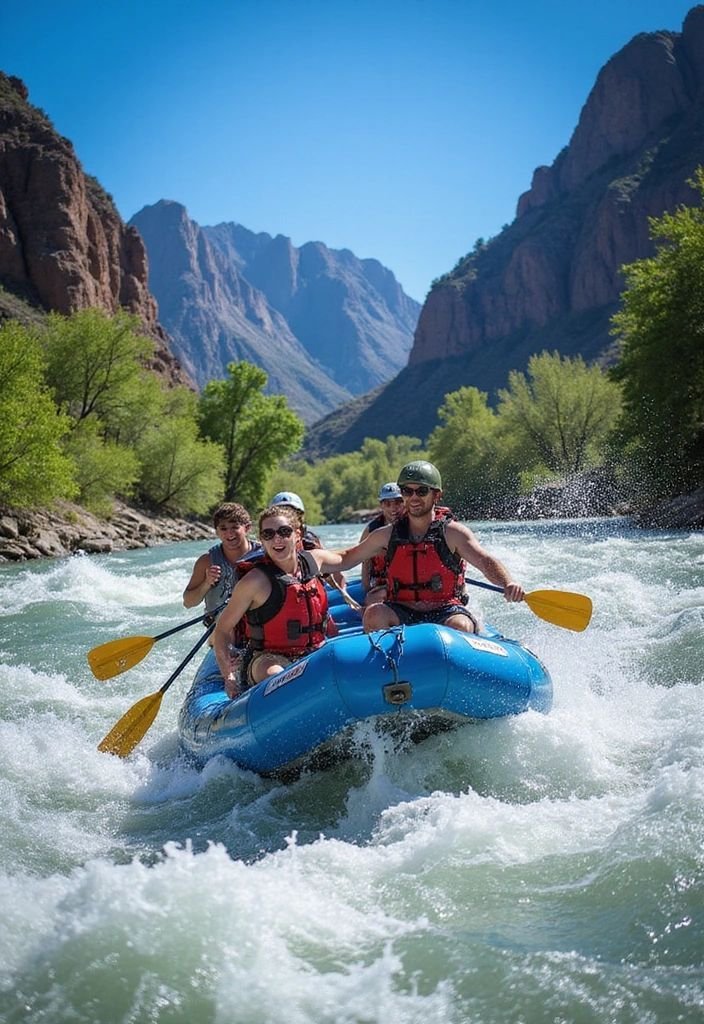
White-water rafting represents another exhilarating option for adventure travelers, offering thrilling rides through rugged rapids. This team-based activity not only tests individual endurance but also fosters camaraderie among participants. Popular white-water rafting locations include the Colorado River in the United States and the Zambezi River in Zambia. Safety in rafting involves wearing appropriate gear and following the guidance of trained professionals who can navigate the unpredictable waters.
In conclusion, extreme sports such as bungee jumping, skydiving, and white-water rafting present exciting opportunities for those seeking adventure. Engaging in these activities, while adhering to safety protocols, allows thrill-seekers to safely enjoy the exhilaration of outdoor sensations while creating lasting memories.
Wildlife Safaris: A Journey into the Wild
Embarking on a wildlife safari offers a transformative experience, immersing travelers in the natural habitat of some of the world’s most fascinating species. Africa’s Serengeti National Park is perhaps the most renowned destination for such adventures, famous for its incredible migration of wildebeest and the exhilarating presence of the Big Five: lions, elephants, buffalo, leopards, and rhinoceros. Visitors can expect to be captivated by breathtaking landscapes and the opportunity to observe animals in their natural environment, making for a memorable experience.
Travelers seeking a distinct wildlife experience may also consider the Galapagos Islands in South America. This archipelago is home to unique species such as giant tortoises, marine iguanas, and diverse birdlife. The small group sizes and regulated tours ensure minimal impact on the ecosystems, allowing travelers to engage with wildlife sustainably. Snorkeling with sea lions or watching blue-footed boobies perform their courtship dances highlights the exceptional biodiversity here.
Preparation for a wildlife safari is essential to ensure a rewarding journey. Researching the best time to visit, understanding the local climate, and being aware of necessary vaccinations can significantly enhance the experience. Additionally, packing appropriate gear, such as binoculars and field guides, is crucial for maximizing viewing opportunities. Opting for eco-friendly accommodations not only supports local conservation efforts but also reflects a commitment to ethical travel.
Ethical interactions with wildlife are paramount in any safari adventure. Following guidelines set by tour operators and being respectful of wildlife habitats help protect these delicate ecosystems. Actively participating in conservation efforts during the safari, such as donating to local wildlife initiatives, can make a positive impact while enriching the overall travel experience.
Cultural Immersion: Adventure with a Twist
Cultural immersion offers travelers a unique opportunity to blend adventure with meaningful engagement in local customs and daily life. This approach to travel not only enriches the visitor’s experience but also fosters a deeper understanding of the host culture. By participating in activities such as volunteering in remote villages, tourists can contribute positively to their surroundings while gaining firsthand insights into local traditions and lifestyle practices.
One of the most captivating aspects of cultural immersion is the chance to engage with local festivals and celebrations. These vibrant events showcase traditional music, dance, and art, often reflecting the values and history of the community. Engaging with locals during these festivities allows travelers to appreciate the significance behind the events, transforming a mere observation into a participatory experience. For example, joining in a traditional harvest festival not only offers adventure through physical activity but also deepens one’s appreciation for agricultural practices and local customs.
Moreover, opting for home-stays or community-based tourism enhances the adventurer’s journey by allowing for interaction with local families. These experiences enable travelers to share meals, learn crafts, and explore the landscapes alongside community members. Such genuine connections often lead to lifelong friendships and a nuanced understanding of cultural dynamics, providing travelers with a richer perspective of their destinations.
Whether it’s hiking to remote villages, participating in cooking classes, or learning indigenous languages, cultural immersion experiences add a unique twist to the adventure travel landscape. They invite travelers to step beyond the tourist façade, providing opportunities that are not only thrilling but also profoundly transformative.
Adventure on Water: Sailing and Diving
Water-based adventures offer exhilarating opportunities to explore breathtaking marine environments while engaging in thrilling activities such as sailing, diving, and surfing. Among these, sailing in the Caribbean stands out as a quintessential experience that allows adventurers to navigate crystal-clear waters surrounded by stunning tropical landscapes. With trade winds to guide the journey, sailing enthusiasts can enjoy the smooth sailing conditions that this region is famous for, making it an ideal location for both beginners and seasoned sailors alike.
Further enhancing the allure of adventure on water is the opportunity to dive in iconic locations like the Great Barrier Reef. This world-famous reef system boasts vibrant underwater ecosystems teeming with marine life, making it a diving paradise. Novice divers can partake in introductory courses, while experienced divers can explore deeper sections of the reef. Encountering colorful coral formations and diverse species creates an unforgettable connection with nature that fuels a passion for marine exploration.
Another thrilling water-based adventure is surfing in Hawaii, where powerful waves create ideal conditions for both novice and expert surfers. Hawaii is often regarded as the birthplace of surfing, and its unique culture inspires countless enthusiasts to ride its famous waves. Those looking to learn can find numerous schools offering lessons on popular beaches, enabling newcomers to embrace this spirited pursuit. For skilled surfers, the challenge of conquering larger swells at renowned surf spots epitomizes the adrenaline that defines adventure travel.
In summary, the adventures on water, including sailing in the Caribbean, diving in the Great Barrier Reef, and surfing in Hawaii, create unforgettable experiences. These activities not only provide thrills but also foster a profound appreciation for the beauty of the ocean and its ecosystems. As such, they should be considered essential for anyone seeking to immerse themselves in adventure travel.
Mountain Climbing: Reaching New Heights
Mountain climbing is not merely a sport; it is a profound experience that challenges both the body and the mind. For many adventurers, summiting notable peaks is a rite of passage, offering not only physical challenges but also spectacular views that are rewarding beyond measure. Among the most iconic mountains to conquer are Mount Everest, Mount Kilimanjaro, and the majestic Andes.
Mount Everest, the highest point on Earth, stands at 8,848 meters and presents extreme challenges, including harsh weather conditions and altitude sickness. Climbers must prepare rigorously, training for endurance and strength while acclimating to the high altitudes. This expedition often requires the use of specialized gear and assistance from experienced guides, highlighting the importance of proper preparation and safety measures.
On the other hand, Kilimanjaro, standing at 5,895 meters, is regarded as one of the most accessible high peaks for climbers. However, it still demands a considerable physical effort, with diverse ecosystems and altitudinal changes contributing to its unique allure. Preparation for Kilimanjaro includes not only physical training but also ensuring the climber’s awareness of the risks associated with altitude, including altitude sickness, which can occur despite lower elevations compared to Everest.
Finally, the Andes, encompassing several countries in South America, offer a variety of climbing experiences ranging from technical climbs to scenic hikes. Peaks like Aconcagua, the highest in South America at 6,961 meters, present their own sets of challenges but reward climbers with breathtaking landscapes that epitomize the essence of mountain exploration. The physical and mental fortitude required for climbing in the Andes cultivates resilience and a deep appreciation for the natural world.
Exploring Remote Destinations
Traveling to remote and off-the-beaten-path destinations offers adventurers the unique opportunity to experience the world in its most untouched state. These locations, often tucked away from the hustle and bustle of urban life, allow travelers to immerse themselves in nature, culture, and solitude. From the icy expanses of the Arctic tundra to the vibrant ecosystems of the Amazon rainforest, each destination presents its own distinct charm and adventure.
The Arctic tundra, for instance, is a breathtaking environment characterized by its stark beauty and extreme climate. Travelers may engage in activities such as dog sledding, ice fishing, and even witnessing the mesmerizing Northern Lights. This region, with its vast, open landscapes, offers a profound sense of solitude and connection to nature, making it a perfect escape for those seeking adventure.
On the other hand, the Amazon rainforest provides a contrasting experience, filled with diverse wildlife, lush vegetation, and rich indigenous cultures. Exploring this remote area often involves guided tours through the dense jungle, offering opportunities to encounter exotic species and learn about the unique lifestyles of local tribes. Adventure seekers can also participate in activities such as river rafting and canopy tours, each providing an exhilarating perspective of this majestic ecosystem.
When planning an adventure to these remote destinations, it is crucial to prepare adequately. Consider factors such as the best times to visit, necessary permits, and local regulations that may apply. Additionally, researching potential guides and tour operators can enhance the experience, ensuring travelers make the most of their journey. Embracing the adventure of exploring remote locations not only satisfies the wanderlust but also fosters a deeper appreciation of the planet’s natural wonders.
Conclusion: Why Adventure Travel Matters
Adventure travel engages one’s spirit of exploration and discovery, offering profound experiences that contribute to personal growth and broadening perspectives. As highlighted throughout this blog, adventure includes a multitude of activities from trekking through breathtaking landscapes to immersing oneself in different cultures. Each encounter provides travelers with unique insights and memories that shape their understanding of the world.
The transformative power of adventure travel is undeniable. By stepping outside of their comfort zones, individuals can develop resilience and adaptability while gaining confidence. Engaging in thrilling activities—be it white-water rafting, hiking up majestic mountains, or exploring hidden caves—challenges not only physical abilities but also mental fortitude. Such experiences foster a sense of accomplishment that transcends the moments spent adventuring.
Moreover, adventure travel serves as a departure from the monotony of everyday routines. It encourages individuals to embrace spontaneity, take risks, and connect with nature and fellow travelers alike. In doing so, adventure enthusiasts often find renewed inspiration and motivation upon their return home. The stories and experiences accumulated during these journeys linger long after the return journey, enhancing interpersonal relationships and nurturing a deeper appreciation for diverse cultures.
In conclusion, adventure travel matters because it not only enriches individual lives but also fosters a greater understanding of global communities. It presents opportunities to witness the beauty of the world firsthand, offering educational experiences that engage both heart and mind. Therefore, it is crucial for anyone seeking growth and new perspectives to consider integrating adventure travel into their lives. By exploring the world and embracing adventure, individuals can discover more about themselves and the diverse tapestry of human experience.