
Understanding the Importance of Closet Organization
Closet organization plays a pivotal role in maximizing both space and functionality within any living area. A thoughtfully arranged closet not only showcases one’s possessions but also enhances the ease with which users can access their items. In an era where minimalism and efficiency are increasingly valued, investing time in organizing closets can significantly streamline daily routines. When everything has a designated place, time spent searching for clothing or accessories is drastically reduced, leading to smoother mornings and improved overall productivity.
Moreover, a well-ordered closet can serve as a visually pleasing aspect of a home. Clutter can contribute to a chaotic environment, which often translates to increased stress levels. By contrast, a neatly organized space promotes tranquility and encourages a more mindful lifestyle. This visual appeal can also boost one’s mood, as a fresh and orderly closet fosters a sense of accomplishment and satisfaction. When individuals invest in organizing their closets, they not only create a functional space but also contribute positively to their mental well-being.
Another essential benefit of closet organization is its potential to create opportunities for self-reflection. When individuals sort through their belongings, they have the chance to reassess their needs, preferences, and values. This process often leads to a clearer understanding of what items are truly essential, and it may even inspire a commitment to a more sustainable lifestyle by encouraging conscious consumption. Thus, closet organization proves to be more than just an aesthetic upgrade; it is an invaluable tool for enhancing one’s life quality.
Assessing Your Closet Space
Effectively evaluating your current closet space is the first step toward implementing successful organization strategies. To begin, it is essential to measure your closet accurately. Use a tape measure to determine the width, height, and depth of the space. This will provide a clear understanding of the available area, allowing you to develop a plan that maximizes every inch.
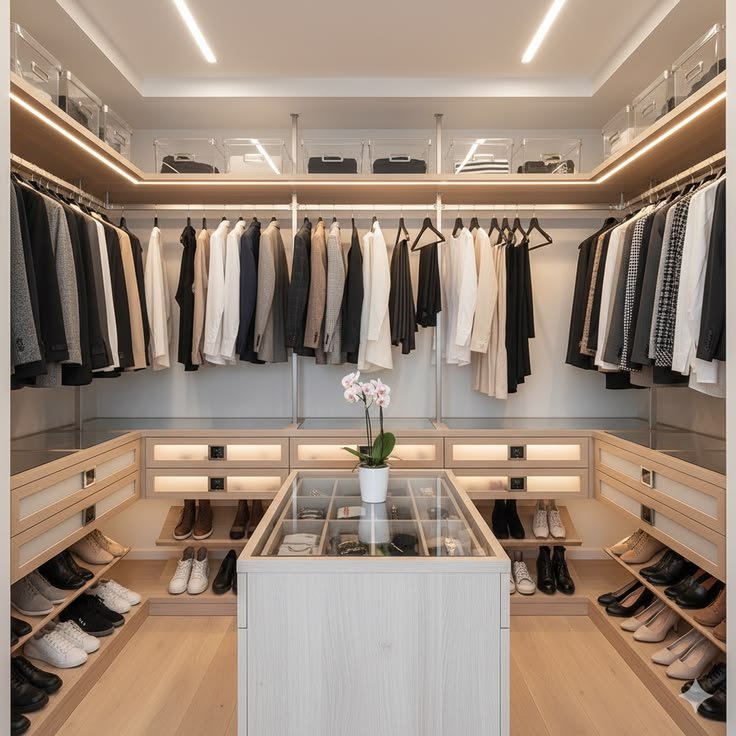
Next, identify the type of closet you have; whether it be a walk-in, reach-in, or a wardrobe-style closet, understanding its structure will aid in designing an effective organization system. Walk-in closets often allow for more flexibility in arrangement due to their size, while reach-in closets may require more consideration regarding depth and accessibility. Knowing your closet type will also help in selecting suitable storage solutions such as shelving, hanging rods, or drawers.
Throughout this evaluation process, it’s important to recognize the specific challenges that your closet space presents. For instance, a reach-in closet may struggle with depth limitations, making it difficult to utilize storage efficiently, while a walk-in closet might face issues of potential clutter due to its larger size. Make a note of these challenges as they will inform your organizational decisions going forward.
Moreover, consider the items currently stored in your closet. Assess how often they are used and whether they fit within your lifestyle. This will not only help in identifying essential versus non-essential items but also facilitate the effective use of your space. By understanding the dimensions and characteristics of your closet, as well as your own organizational needs, you can create a personalized plan that optimizes functionality while saving space.
Decluttering: The First Step to Organization
To achieve a more organized closet, the first essential step is decluttering. This process involves evaluating each item within your wardrobe and making informed decisions regarding its necessity. Start by emptying your closet completely and categorizing your clothing and accessories into three distinct piles: keep, donate, and discard. The act of removing all items allows for a thorough inventory, enabling you to assess what you truly wear and what might be taking up valuable space.
When deciding what to keep, consider the frequency of use, the condition of each item, and whether it aligns with your current style. If the piece has not been worn in the past year, it may be time to reconsider its place in your wardrobe. Additionally, sentimental attachments can make this process challenging. If an item holds significant memories but is seldom worn, consider taking a photograph to preserve the memory while allowing yourself to let go of the physical garment.
For the items designated for donation, reach out to local charities or organizations that can benefit from gently used clothing. This approach not only helps others but also ensures that your excess items do not accumulate back in your closet. The discard pile should include any damaged items that cannot be repaired or repurposed, which should be disposed of responsibly.
Maintaining a clutter-free closet is essential for maximizing space and enhancing the overall organization of your wardrobe. Regularly revisiting your closet to perform mini-declutters, perhaps at the change of seasons, helps ensure that space remains optimized and that your wardrobe is reflective of your current preferences. By fostering this habit, you can ensure that your closet remains a source of joy and convenience, rather than a burden of excess.
Effective Storage Solutions for Small Closets
Maximizing space in small closets can present a significant challenge, but there are effective storage solutions available that can greatly enhance accessibility and organization. One of the most impactful strategies is to utilize vertical space. Installing shelves above the hanging rod allows for storing items that are seldom used, such as seasonal clothing or bulky items, while leaving the lower space more accessible for everyday needs. Utilizing tall shelving units can also make full use of the closet’s height, enabling you to store boxes or bins that contain additional items.
Incorporating hanging organizers is another excellent way to optimize small closet spaces. These organizers can be hung on closet rods or the back of doors, offering compartments for shoes, accessories, or even folded clothes. This not only increases organization but also makes it easy to see and access different items at a glance. For instance, a hanging shoe organizer can clear valuable floor space that would otherwise be taken up by shoe racks.
Utilizing storage bins can also help maintain order in small closets. Clear bins enable easy visibility of contents while stacking options can help maximize shelf space. Consider labeling these bins to make it even easier to find what you need quickly. Additionally, over-the-door organizers are fantastic for storing items like shoes, scarves, or belts, effectively transforming unused door space into practical storage.
Lastly, employing a tension rod is an innovative approach that allows for hanging lightweight items such as scarves or accessories, thus providing extra storage without taking up much space. Combining these various storage solutions, such as shelves, hanging organizers, and bins, can create a well-organized, functional closet that maximizes the available space efficiently.
Maximizing Vertical Space in Your Closet
When it comes to closet organization, utilizing vertical space is crucial for maximizing storage efficiency. One effective strategy is to install additional shelves. By adding shelves higher up, you create space for less frequently used items, such as seasonal clothing or spare bedding. This not only declutters the lower areas of your closet but also allows you to take full advantage of the often-overlooked vertical dimensions.
In addition to shelves, incorporating hanging baskets can be a game-changer in enhancing vertical storage. These baskets can be suspended from the shelf above, adding more space for smaller items like accessories, shoes, or folded clothes. This method keeps items visible and easily accessible while making use of vertical space that might otherwise be wasted. Choose baskets that complement your closet’s style to maintain a cohesive look.
Another innovative way to maximize vertical space is by implementing closet rods at different heights. Standard closet rods may limit your storage options, so consider adding a second rod below the existing one to store shorter items, such as shirts or blouses. Alternatively, you can install a third rod for accessories like scarves and ties. This layering system not only optimizes the use of vertical space but also creates a visually organized closet.
Moreover, utilizing vertical dividers or hooks can aid in keeping items organized without consuming significant space. By strategically placing these elements, you can develop a functional system that accommodates your lifestyle and needs while maximizing vertical space effectively. These enhancements enable you to store a variety of items in an organized manner, transforming your closet into a well-structured area that accommodates your personal style.
Multi-Functional Furniture and Accessories
In the quest for maximizing closet space, integrating multi-functional furniture and accessories has proven to be an effective strategy. These versatile items not only offer practical solutions but also contribute to creating a more organized and visually appealing space. One prime example is foldable shelving units. These units can be conveniently expanded when needed and collapsed when not in use, allowing for optimal use of space without overwhelming the closet. Such flexibility is essential in adapting the closet to changing storage needs.
Additionally, collapsible storage bins are an excellent investment for any closet organizer. These bins can be used to store seasonal clothing, shoes, or various accessories, and when they are not needed, they can be easily folded flat for compact storage. This feature is particularly beneficial in maintaining a tidy environment, as it encourages individuals to keep only the essentials on display while hiding away items that are not frequently accessed.
Moreover, furniture that doubles as storage solutions, such as ottomans or benches with hollow interiors, enhances both functionality and aesthetic appeal in a closet setting. This dual-purpose furniture offers the benefit of seating or surface area while providing additional storage space, making it an invaluable component in smaller areas. Incorporating these multi-functional pieces can transform closets from mere storage spaces into organized, efficient areas that reflect one’s personal style.
Overall, choosing the right multi-functional furniture and accessories is pivotal in achieving a clutter-free environment. These items not only elevate the organization of a closet but also ensure that every inch of space is utilized effectively. By investing in such solutions, individuals can significantly enhance their storage capabilities while maintaining an orderly and attractive space.
Seasonal Organization Tips
Organizing your closet based on the seasons can significantly enhance space efficiency and make accessing your wardrobe more manageable. One of the most effective strategies is to rotate your clothing according to the season. By doing so, you not only maximize your closet space but also ensure that the most relevant items are easily reachable, while off-season attire is stored away securely.
To implement seasonal organization, begin by evaluating your wardrobe at the start of each season. Store away items that are no longer needed, such as heavy winter coats during the summer months or shorts and tank tops as the temperatures drop. Utilizing clear storage bins can be advantageous for off-season clothing. These bins keep garments protected from dust and damage, while also allowing for visibility of contents, making retrieval easy when the season changes.
Furthermore, consider designating specific areas within your closet for seasonal accessories such as hats, scarves, and gloves. This approach not only keeps these items organized but also ensures they are readily accessible when needed. For instance, during winter, keep your warm accessories at eye level or within the first section of your closet. Conversely, when transitioning to spring, those heavy textiles can be stored higher or in less accessible locations.
Lastly, it’s beneficial to periodically assess the effectiveness of your seasonal organization. If certain items are not being used, consider decluttering. Streamlining your wardrobe will free up significant space and contribute to a more organized living environment. By following these seasonal organization tips, you can create a functional and visually appealing closet that maximizes space throughout the year.
Maintaining Your Organized Closet
Once you have invested time and effort into organizing your closet, it is imperative to maintain that organization to ensure long-term efficiency and functionality. Implementing a few practical strategies can significantly assist in keeping your closet tidy and preventing clutter from reclaiming the space.
One effective strategy is to set a regular schedule to reevaluate your closet’s organization. Establishing a monthly or seasonal check-up can help you identify items that are no longer used or suitable, ensuring your closet remains a reflection of your current needs. During these evaluations, take the time to assess your wardrobe and decide if certain items should be put back into circulation or set aside for donation.
Another useful approach is adopting a one-in-one-out policy when it comes to new purchases. For every new item you bring into your closet, consider removing an item of equal or greater volume. This practice not only helps maintain the existing order but also encourages mindful shopping habits, as you will be more deliberate about your clothing choices. Avoiding impulse buys becomes easier when aware that each new purchase requires the removal of a current item.
Periodic decluttering should be an integral part of your closet maintenance routine. Take advantage of changes in seasons or lifestyle shifts as perfect opportunities to declutter. Be proactive; keep an eye out for pieces that remain unworn or unneeded. Creating a dedicated donation box can simplify this process, offering you a tangible solution for streamlining your collection.
Ultimately, consistency is key to achieving an organized closet. By regularly reviewing, practicing the one-in-one-out strategy, and consciously decluttering, you can ensure that your organized closet remains functional and inspiring for years to come.
Conclusion: Embracing an Organized Life
In the journey toward maximizing your space, the principles of closet organization play a pivotal role. A well-structured closet not only brings order to your belongings but also sets the tone for a more organized life overall. By implementing the various strategies discussed throughout this blog post, such as utilizing storage solutions, categorizing items effectively, and adopting a minimalist approach, you can transform your closet into a functional and accessible space.
The impact of an organized closet extends beyond mere aesthetics; it fosters a sense of calm and efficiency. When items are neatly stored and easily retrievable, the daily routines become simpler, allowing for a smoother transition between tasks. Furthermore, maintaining an organized closet encourages a habit of mindful consumption, where individuals can assess their needs and make informed choices, thus minimizing clutter.
As you embrace the principles of organization, remember that it is a continuous process rather than a one-time task. Regularly reassessing and reorganizing your closet ensures it meets your evolving needs. This proactive approach not only enhances your living space but ultimately contributes to a more harmonious lifestyle. By prioritizing organization, you affirm the value of a well-maintained environment, which can positively influence other areas of your life.
In conclusion, the benefits of closet organization go far beyond just saving space; they promote a structured and peaceful living environment. Whether through creative storage solutions or regular decluttering, taking these steps can lead to a life that thrives in order and functionality. Embracing an organized life, then, is not merely about neatness but about cultivating a more enjoyable and manageable daily experience.