

Introduction to Eco-Friendly Home Living
In contemporary society, the significance of eco-friendly home living cannot be overstated. It encapsulates the practices and lifestyle choices that prioritize environmental sustainability, aiming to minimize the ecological impact of our daily activities. By adopting eco-conscious habits within our homes, individuals contribute significantly to the larger goal of reducing carbon footprints and conserving precious natural resources.
Eco-friendly living is rooted in the philosophy that small, individual actions can lead to substantial global changes. This perspective encourages homeowners to consider the effects of their choices on the environment. For instance, utilizing energy-efficient appliances not only lowers energy consumption but also reduces utility bills, demonstrating the financial benefits alongside environmental ones. Furthermore, making informed decisions about water use, waste management, and product sourcing can create a ripple effect in shifting consumption patterns towards sustainability.
The importance of eco-friendly home living extends beyond individual households; it plays a vital role in addressing broader environmental challenges. As urbanization and population growth continue to exert pressure on natural ecosystems, the need for sustainable practices becomes increasingly urgent. By prioritizing eco-friendly initiatives, homeowners can help reduce emissions, conserve biodiversity, and promote cleaner air and water. This shift towards sustainable living not only fosters a healthier planet but also enhances the quality of life within communities.
In conclusion, embracing eco-friendly home living is an essential step towards a more sustainable future. It empowers individuals to make deliberate choices that benefit both the environment and their families, paving the way for a more resilient and sustainable world. As awareness of ecological issues continues to grow, the collective impact of conscientious living will inevitably steer society towards greater environmental stewardship.
What Are Smart Energy Saving Appliances?
Smart energy-saving appliances are innovative devices designed to optimize energy consumption while enhancing convenience and efficiency in the home. These appliances utilize advanced technology, such as sensors, Wi-Fi connectivity, and machine learning algorithms, to monitor usage patterns and adjust their operation accordingly. By minimizing energy waste, they contribute significantly to an eco-friendly lifestyle and help reduce overall utility costs.

Unlike traditional appliances that operate at a fixed level of efficiency, smart energy-saving appliances can adapt their performance based on real-time data. For instance, a smart thermostat can learn a household’s heating and cooling preferences, adjusting the temperature automatically when residents are present or away. This not only ensures comfort but also conserves energy by avoiding unnecessary heating and cooling.
Another example is smart LED lighting. These energy-efficient lights can be controlled remotely via smartphones and can also be programmed to turn on and off based on occupancy or time of day. This feature not only provides convenience but significantly reduces electricity usage compared to conventional incandescent bulbs.
Smart appliances also include refrigerators that monitor food freshness and recommend optimal storage conditions, washing machines that determine the load size and adjust water use, and dishwashers that adapt their cycles based on the level of soil on the dishes. By efficiently managing resources, these intelligent devices help homeowners maintain a more sustainable lifestyle while still enjoying modern conveniences.
Incorporating smart energy-saving appliances in home living is an effective way to contribute to environmental preservation and promote energy efficiency, ultimately fostering a greener future for all.
Benefits of Using Smart Energy Saving Appliances
The incorporation of smart energy-saving appliances into home living provides numerous advantages, making them increasingly popular among homeowners aiming for efficiency and sustainability. One primary benefit is the potential for reduced energy bills. These devices are designed to operate more efficiently than their traditional counterparts, minimizing energy consumption without sacrificing performance. For instance, smart thermostats can learn a household’s routine and adjust heating and cooling based on occupancy, leading to significant cost savings.
In addition to financial savings, these appliances offer enhanced convenience through automation and remote control. Homeowners can manage their energy use from anywhere, using mobile applications that allow adjustments to settings in real-time. This level of control ensures that devices operate only when needed, optimizing energy usage and aligning with personal schedules. For example, smart plugs can be programmed to turn off devices at specific times, preventing unnecessary energy waste.
Another advantage is the improved comfort and functionality they provide. Smart energy-saving appliances often integrate advanced technology, which enhances user experience. Features such as adjustable lighting, humidity control, and programmable settings contribute to a more tailored living environment. Homeowners can create personalized settings that adapt to their lifestyle, increasing overall satisfaction with their living space.
Finally, the positive environmental impact of switching to smart energy-saving appliances cannot be overlooked. By reducing energy consumption, these devices help lower carbon footprints, contributing to broader sustainability goals. The collective effort of households embracing energy-efficient solutions plays a crucial role in combating climate change, promoting a greener future for all.
Popular Smart Energy Saving Appliances for Your Home
In today’s environmentally-conscious world, many homeowners are looking for ways to reduce their energy consumption while maintaining comfort and convenience. Smart energy-saving appliances not only help in minimizing energy usage but also enhance home automation. Below are some popular options available in the market.
Smart Thermostats are designed to optimize heating and cooling systems in a home. By learning household patterns, these devices can automatically adjust the temperature based on when people are home or away. This feature not only ensures comfort but also leads to significant savings on energy bills, as heating and cooling are major contributors to household energy consumption.
Energy-Efficient Refrigerators are equipped with advanced technology that minimizes energy use while preserving food freshness and extending its shelf life. These refrigerators often utilize LED lighting, improved insulation, and smart sensors to adjust cooling levels based on the contents and exterior conditions, thereby reducing unnecessary energy draw.
Smart Lighting Systems allow for greater control over electricity use in homes. By integrating with home automation systems, these lights can be programmed to turn off when no one is present or adapt their brightness based on the time of day and natural light availability. Such systems not only lower electricity consumption but also enhance the overall ambiance of the home.
Smart Irrigation Systems manage outdoor water use in a more efficient manner. By using sensors and weather forecasts, these systems can determine the optimal watering schedule for gardens or lawns, reducing water waste while ensuring plants receive the right amount of moisture. This contributes not only to energy savings but also to responsible water usage.
Implementing these smart energy saving appliances can lead to a more sustainable lifestyle, helping you save both energy and money while enjoying the benefits of modern technology.
How to Choose the Right Appliances for Your Home
Selecting the right smart energy-saving appliances is a crucial step in maintaining an eco-friendly home environment. One of the primary factors to consider is the energy rating of the appliances. Energy ratings provide a reliable indication of an appliance’s efficiency and its expected energy consumption, allowing homeowners to make informed decisions. Look for devices with high efficiency ratings, such as ENERGY STAR certifications, which signify compliance with stringent energy-saving standards.
Another essential consideration is the compatibility of these appliances with your existing home systems. Particularly for smart appliances, ensure that they can seamlessly integrate with your home automation system. This compatibility allows for enhanced functionality, enabling you to monitor and control energy usage more effectively.
Budget considerations also play a significant role in the selection process. While energy-efficient appliances may come with a higher initial investment, it’s important to weigh this cost against long-term savings on your energy bills. In some cases, utility incentives or rebates can alleviate the upfront costs, positively influencing your decision.
Lastly, researching brands and models before making a purchase is essential for achieving user satisfaction. Look for reviews and ratings from actual users to assess the reliability and performance of the appliances. Consider factors such as longevity, warranty options, and available customer service. All these factors combined will help ensure that your investment in smart energy-saving appliances leads not only to lower energy consumption but also to a more comfortable living space.
Integrating Smart Appliances into Your Home System
In the modern era of home living, integrating smart energy-saving appliances into an existing home system can significantly enhance both convenience and energy efficiency. A centralized control system allows homeowners to manage various smart devices from a single interface, thus streamlining operations and maximizing energy savings.
One of the primary benefits of this integration is the ability to monitor energy consumption in real time. Home automation platforms, such as Google Home or Amazon Alexa, provide functionalities that allow users to track energy usage across different devices, enabling more informed decisions about consumption patterns. Furthermore, homeowners can schedule appliances to operate during off-peak hours, which can lead to reduced energy costs and a lower carbon footprint.
However, compatibility issues may arise when integrating new appliances with existing systems. It is essential that the smart appliances selected are compatible with the home automation hub to ensure they can communicate effectively. Many manufacturers now prioritize interoperability and design their products to work well with popular automation systems, so it’s beneficial to research compatibility before making purchases.
To ensure seamless operation across devices, homeowners should consider a few tips. First, selecting appliances that support common communication protocols, such as Wi-Fi, Zigbee, or Z-Wave, can facilitate easier integration. Additionally, keeping software and firmware up to date is crucial for maintaining device functionality and security. Regular updates can also improve compatibility with new technologies as they emerge.
Combining smart energy-saving appliances with a robust home automation system ultimately contributes to a more efficient lifestyle while promoting eco-friendly practices. Not only does this integration enhance comfort and convenience, but it also fosters a sustainable environment by reducing overall energy consumption.
Case Studies: Real-Life Examples of Eco-Friendly Living
Across the globe, many households are adopting smart energy-saving appliances as part of their commitment to eco-friendly living. One remarkable case is that of the Johnson family in Colorado, who retrofitted their home with a range of smart appliances, including a smart thermostat, energy-efficient washing machine, and smart LED lighting. By using these appliances, they reported a substantial reduction in their energy consumption, particularly in heating and cooling costs. The family noted that the smart thermostat allowed them to program their heating and cooling efficiently, adjusting automatically based on their daily routines.
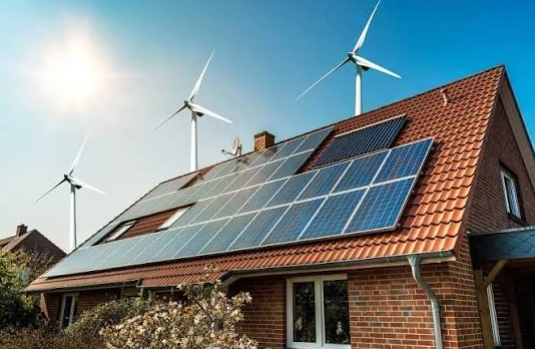
In another instance, the Martinez family from California integrated solar panels alongside smart kitchen appliances, such as a smart refrigerator that optimized its energy use according to occupancy. They found that combining renewable energy with smart technology significantly reduced their reliance on the grid, cutting their monthly energy bills by almost 40%. The enhancements provided by the refrigerator, such as monitoring food freshness and suggesting recipes based on available ingredients, also made their cooking practices more sustainable.
Furthermore, the Lee family’s experience in New York demonstrates the profound influence of smart technologies on overall satisfaction with home living. After installing an energy-efficient dishwasher and smart irrigation system, they not only observed lower utility bills but also noticed the convenience added to their daily routines. The irrigation system uses weather data to determine irrigation schedules, ultimately conserving water while ensuring their garden thrived. This case illustrates the potential of smart energy-saving appliances not only to lower consumption but also to enhance quality of life for the household. These real-life examples showcase how integrating such appliances fosters a more sustainable lifestyle and encourages others to consider similar changes in their homes.
Challenges and Considerations for Implementation
Implementing smart energy-saving appliances in a home can present several challenges that consumers must navigate to ensure a smooth transition towards eco-friendly living. One of the primary concerns is the upfront cost associated with these advanced devices. While many smart appliances offer long-term savings through energy efficiency, the initial investment can be significant, often deterring homeowners from making the switch. Consumers should consider budget constraints and the potential return on investment when contemplating the purchase of these appliances.
In addition to financial considerations, technical issues may arise during the integration of smart energy-saving appliances into existing home systems. Compatibility with current technology, internet connectivity, and software updates are essential factors that can create hurdles for users. For some, the setup process may prove daunting, particularly for individuals with limited technical expertise. Homeowners should be prepared to allocate time for installation and troubleshooting to ensure seamless operation.
Another critical aspect is the learning curve associated with using new technology. Smart appliances often come equipped with advanced features and functionalities, which can be overwhelming for some users. Familiarizing oneself with various applications, settings, and smart home ecosystems may take time and patience. Consumers may benefit from educational resources, tutorials, and customer support to make the transition smoother. Overall, addressing these challenges proactively can help homeowners maximize the benefits of smart energy-saving appliances and contribute to a more sustainable household.
Conclusion and Future Trends in Energy-Saving Technology
As we have explored throughout this blog post, smart energy saving appliances play a pivotal role in fostering eco-friendly home living. These appliances not only contribute to the reduction of energy consumption but also enhance the convenience and efficiency of daily activities. From intelligent thermostats to energy-efficient kitchen gadgets, the evolution of technology has allowed consumers to align their lifestyles with sustainable practices.
Looking ahead, several exciting trends are emerging in the realm of energy-saving technology. One such trend is the proliferation of smart home systems that seamlessly integrate various devices with a central control hub, allowing homeowners to monitor and manage their energy usage in real-time. This connectivity not only provides insights into energy expenditure but also promotes informed decision-making, empowering individuals to take charge of their ecological impact.
Moreover, advancements in renewable energy sources are expected to complement smart appliances significantly. For instance, the integration of solar energy systems with smart appliances can lead to remarkable energy savings, especially during peak usage hours. As these technologies become more accessible and affordable, the potential for a substantial reduction in carbon footprints becomes increasingly realistic.
Furthermore, sustainability initiatives driven by governmental regulations and consumer demand are likely to accelerate the development of innovative energy-saving appliances. This momentum fosters a competitive market, pushing manufacturers to focus on designing products that not only meet but exceed energy efficiency standards.
In conclusion, the intersection of technology, sustainability, and consumer choices will pave the way for a future where energy-saving appliances continue to evolve and inspire eco-friendly living. By embracing these advancements, society can collectively contribute to a greener planet, ensuring a sustainable legacy for future generations.