


Introduction to Voice Recognition Technology
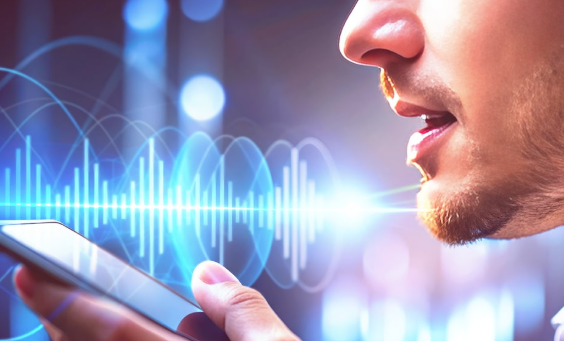
Voice recognition technology, also known as speech recognition, is a remarkable capability that allows devices to identify and process human language. This technology captures spoken words and converts them into text, enabling seamless communication between humans and machines. The significance of voice recognition has surged in recent years, particularly with the rise of smart devices, transforming how users interact with technology.
Historically, voice recognition has evolved significantly since its inception. Early systems were rudimentary, capable of recognizing a limited vocabulary and requiring precise pronunciation. However, advancements in digital signal processing and machine learning algorithms have exponentially improved the accuracy and functionality of modern voice recognition systems. Today, these systems can comprehend diverse accents, dialects, and even contextual nuances, broadening their applicability in various domains.
At the core of contemporary voice recognition technology lies artificial intelligence (AI). AI algorithms analyze voice patterns, learning from vast data sets to enhance their recognition capabilities. This process involves natural language processing (NLP) techniques, enabling devices to understand not just the words spoken, but also the intended meaning behind them. As a result, users can issue commands, ask questions, and receive responses in a more intuitive manner.
The importance of voice recognition technology in smart devices cannot be overstated. It enables hands-free operation, providing convenience and safety in environments where manual interaction is impractical. For instance, voice commands allow users to control smart home systems, manage tasks via virtual assistants, and navigate their devices without needing to touch a screen. As consumers increasingly expect quicker, more efficient interactions, voice recognition continues to play a pivotal role in the ongoing evolution of smart technology.
How AI Enhances Voice Recognition Systems
Artificial Intelligence (AI) fundamentally transforms voice recognition systems, enhancing both their accuracy and efficiency. This transformation is largely attributed to advanced technologies such as machine learning algorithms and neural networks. These technologies enable systems to learn from vast amounts of audio data, progressively improving their ability to understand varied voice inputs.
Machine learning algorithms play a crucial role by allowing voice recognition systems to analyze patterns in spoken language. Through supervised and unsupervised learning, these algorithms can identify pronunciations, accents, and even emotional tones, which adds a layer of nuance that traditional systems often lack. For instance, when a user interacts with a smart device, the machine learning model processes countless audio samples. Over time, it refines its understanding and enhances performance in real-world applications.
In conjunction with machine learning, neural networks significantly boost the capabilities of voice recognition systems. These networks—especially deep learning models—mimic the human brain’s structure and function to process audio inputs more effectively. By utilizing multiple layers of neurons, these networks can discern complex features of spoken language, such as context and syntax, which are vital for accurate interpretation. This capability helps voice recognition systems manage not just direct commands, but also the subtleties of conversational speech.
Natural language processing (NLP) is another essential component that augments voice recognition systems. NLP allows devices to interpret and respond to user requests in a human-like manner. By breaking down sentences and analyzing the grammatical structure, NLP equips systems to offer relevant responses or actions, enhancing the overall user experience. This integration of AI technologies underscored an evolution where smart devices can understand context, adapt to various linguistic styles, and improve user engagement.
Applications of Voice Recognition in Smart Devices
Voice recognition technology has rapidly integrated itself into the realm of smart devices, providing users with enhanced convenience and accessibility. One of the most prominent applications of voice recognition systems is found in virtual assistants such as Siri, Alexa, and Google Assistant. These assistants use advanced algorithms to accurately understand and respond to spoken commands, making everyday tasks more efficient.
In smartphones, voice recognition enables users to make calls, send messages, set reminders, and even control applications through voice commands. This feature is particularly valuable for enhancing hands-free operation, allowing users to perform tasks while driving or multitasking. The technology not only improves user experience but also promotes safety by minimizing distractions.
Smart speakers are another significant arena where voice recognition systems thrive. Devices such as the Amazon Echo and Google Home utilize voice commands to play music, control smart home devices, provide weather updates, and even manage schedules. Users can interact with their environment through simple voice prompts, making these devices a central hub for home automation.
Moreover, home automation systems have begun to incorporate voice recognition in various ways. From controlling lighting to adjusting thermostats, users can manage their home environment through verbal commands. The incorporation of this technology allows for a seamless integration of smart devices, creating a connected ecosystem that enhances user comfort and control.
In summary, the applications of voice recognition in smart devices are vast and varied. As technology continues to evolve, the potential for further integration and innovation in this field remains promising, paving the way for even smarter and more intuitive devices in the future.
Challenges in Voice Recognition Technology
The development of voice recognition technology has seen significant advancements in recent years, yet several challenges remain that hinder its accuracy and usability. One of the primary issues is achieving high accuracy across diverse languages and accents. Many voice recognition systems struggle to effectively process different dialects or regional accents, which can lead to misunderstandings and frustration for users. This limitation is particularly evident in multilingual societies where users may switch between languages seamlessly, presenting a unique challenge for recognizing speech accurately.
Another pressing concern is the interference caused by background noise. Voice recognition systems often falter in environments with high ambient noise levels, such as busy streets or loud indoor settings. The presence of competing sounds can obscure the targeted speech, making it difficult for the technology to discern and interpret commands accurately. Ongoing research is focused on improving noise cancellation techniques and developing more sophisticated algorithms that can enhance performance in such challenging auditory environments.
Additionally, privacy concerns have emerged as a significant obstacle in the widespread adoption of voice recognition technology. Users may be apprehensive about allowing devices to continually listen and process their vocal interactions, fearing unauthorized data collection or misuse. Manufacturers are increasingly addressing these issues by implementing stringent data protection measures and providing users with enhanced control over their personal data.
Despite these challenges, ongoing advancements in artificial intelligence and machine learning show promise for the future of voice recognition technology. Through continual refinement of algorithms and increased understanding of linguistic diversity, it is possible to overcome these hurdles and improve the overall user experience. Striving for perfection in voice recognition remains a critical focus for developers in an ever-evolving technological landscape.
The Role of Data in Voice Recognition Systems
Data serves as the backbone of voice recognition systems, playing a pivotal role in training algorithms to accurately interpret and process human speech. The efficacy of these systems largely depends on the quality and diversity of the datasets employed during the training phase. Voice recognition technology uses various types of data, including audio recordings, transcriptions, and contextual information, to learn the nuances of language and speech patterns.
One crucial aspect is the availability of diverse datasets. Varied speech samples that encompass different accents, dialects, languages, and speaking styles are essential. This diversity helps enhance the robustness of AI models, enabling them to perform effectively across different user demographics. Furthermore, datasets should include background noise variations, emotional tones, and other contextual factors to replicate real-world scenarios where voice recognition systems are often used.
Additionally, the sourcing of data poses significant challenges. Publicly available datasets, such as those generated from social media, telephone conversations, and podcasts, can contribute valuable training material. However, the integration of proprietary data from organizations may further refine the models since it often focuses on specific domains or specialized vocabularies relevant to particular industries.
Moreover, data privacy and ethical considerations cannot be overlooked. Organizations must ensure compliance with regulations that govern the collection and use of personal data, especially when utilizing voice recordings. By prioritizing ethical data practices and fostering transparency, companies can build trust with users, which is essential for widespread adoption of voice recognition technologies.
The Future of Voice Recognition Technology
The future of voice recognition technology is poised for transformative advancements, driven by rapid innovations in artificial intelligence (AI) and emerging technologies. One can anticipate that voice recognition systems will become more accurate and responsive, thanks in part to improvements in natural language processing (NLP) and machine learning algorithms. These developments will enhance the capability of smart devices to understand diverse accents, dialects, and languages, thereby broadening accessibility and user engagement.
As AI technology continues to evolve, we can expect the integration of contextual understanding in voice recognition systems. This means that devices will not only recognize spoken commands but will also gain the ability to interpret the user’s intent based on previous interactions and situational contexts. For instance, smart home assistants could adapt their responses based on the time of day or previous user preferences, creating a more personalized and seamless user experience.
The rollout of 5G connectivity will further enhance the functionality and effectiveness of voice recognition systems. With faster data transmission speeds and reduced latency, voice recognition can happen in real-time, providing instant feedback to the user. Enhanced connectivity will also allow for more complex computations to be performed in the cloud rather than on-device, leading to richer interactions and more comprehensive responses from voice-enabled applications.
Moreover, organizations are exploring the integration of voice biometrics into Voice Recognition. This will not only authenticate users but also tailor services to individual preferences and needs. As these technologies converge, the possibilities for applications spanning various sectors—from healthcare to education—will become increasingly sophisticated and dynamic. Society stands on the brink of a new era in human-computer interaction, fundamentally transforming how users engage with technology and access information.
User Experience and Interaction with Voice Recognition
User experience is a critical component in the design and implementation of voice recognition systems for smart devices. As technology continues to evolve, the expectation for intuitive user interactions grows, significantly influencing user satisfaction. An effective voice recognition system must seamlessly integrate into the daily lives of users, allowing for natural and efficient communication with devices.
One of the foundational elements of a positive user experience is the clarity and accuracy of the voice recognition technology. Users expect their devices to comprehend commands quickly and respond appropriately. If the system frequently misunderstands or fails to recognize commands, frustration may arise, leading to decreased user satisfaction. Thus, developers must prioritize enhancing recognition accuracy and minimizing response time to ensure a fluid interaction.
Moreover, the role of contextual awareness cannot be overstated. Voice recognition systems that leverage contextual information can offer personalized and relevant responses, greatly enhancing the user experience. For instance, a smart device that remembers previous interactions or adjusts its responses based on the user’s preferences will create a more engaging and satisfying interaction. Such features not only improve the functional performance of the system but also foster a sense of rapport between the user and the device.
Visual feedback is another aspect that can enhance user interaction with voice recognition systems. Users often benefit from visual prompts or confirmations that accompany vocal responses, as these cues can reinforce understanding and ensure that the system has correctly interpreted the user’s intent. For example, displaying the recognized command on a screen can provide reassurance and facilitate clearer communication.
Ultimately, prioritizing user experience in voice recognition systems leads to greater user engagement and satisfaction. By focusing on accuracy, contextual awareness, and visual feedback, developers can significantly enhance the interaction between users and their smart devices, paving the way for a more effective and enjoyable communication experience.
Ethical Implications and Privacy Issues
As voice recognition technology continues to advance and integrate into everyday smart devices, a plethora of ethical implications and privacy concerns arise. These issues primarily revolve around the surveillance capabilities of such systems, the handling and protection of personal data, and the ethical usage of vocal data obtained from users. With devices increasingly equipped with voice-activated functionalities, the potential for constant monitoring presents significant challenges. This surveillance can lead to both unintentional data collection and intentional exploitation, thereby raising red flags regarding user privacy.
Data privacy is at the forefront of discussions on voice recognition technology. Companies employing these systems often collect substantial amounts of data, which may include not only voice samples but also personal information associated with users. The manner in which this data is stored, processed, and shared remains a critical point of concern. Users are often unaware of the extent of information being gathered, which can lead to feelings of vulnerability and distrust towards the technology. It is essential for organizations to adopt transparent data practices, clearly communicating to consumers how their information is being utilized.
In response to these pressing issues, many companies are taking steps to integrate ethical practices into their AI developments. This includes implementing robust data protection measures, ensuring compliance with relevant regulations such as the General Data Protection Regulation (GDPR), and fostering a culture of accountability within their organizations. Moreover, organizations are increasingly prioritizing user consent, allowing individuals to have greater control over their data, thereby promoting responsible AI implementations. By addressing these ethical considerations, the voice recognition industry can work towards fostering a more trustworthy relationship between consumers and technology.
Conclusion: The Impact of Voice Recognition Systems on Daily Life
In contemporary society, voice recognition systems have emerged as transformative technologies that significantly reshape our interaction with smart devices. These systems enable users to engage with technology in a more intuitive and hands-free manner. As voice recognition becomes increasingly integrated into everyday applications, from smartphones and home assistants to automobiles, it alters how individuals communicate and access information.
The sophisticated algorithms driving voice recognition technology allow for more seamless interactions with digital platforms. For instance, users can perform tasks such as setting reminders, making calls, and controlling smart home devices, all through simple vocal commands. This capability not only enhances efficiency but also fosters a sense of accessibility for individuals with physical limitations. Furthermore, the ongoing improvements in contextual understanding and natural language processing promise to improve the accuracy and responsiveness of these systems.
Moreover, the potential future advancements in voice recognition systems raise questions about the implications of these technologies on communication dynamics. As devices become more responsive to diverse vocal inputs, including dialects and languages, they offer the potential to bridge communication gaps across various demographics. This democratization of technology fosters inclusivity, allowing wider user engagement.
As these innovations unfold, the growing reliance on voice recognition systems fundamentally shifts our relationship with technology. The convenience and immediacy it offers are likely to lead to an increasing expectation for personalization and efficiency in interactions across all platforms. Hence, voice recognition systems not only enhance daily productivity but also significantly alter how society communicates and engages with the digital world.