

Introduction
International travel has become easier in many ways, but staying connected can still create challenges. Travelers need reliable internet for maps, translation apps, online bookings, transportation, messaging, work, and keeping in touch with family. Depending on hotel networks or searching for public Wi-Fi is not always convenient, especially when arriving in an unfamiliar country.
Fortunately, travelers now have several alternatives to traditional international roaming. Two popular options are an esim for international travel and a portable Wi-Fi solution. Both can provide internet access while abroad, but they work differently and suit different types of travelers.
Understanding how these connectivity options work can help travelers choose a solution that matches their destination, travel style, and data requirements.
Why Internet Access Matters When Traveling
A smartphone has become an essential travel tool. Instead of carrying separate devices for navigation, translation, communication, reservations, and entertainment, travelers can use a single phone for most everyday needs.
However, these functions often require an internet connection. Offline maps can help in some situations, but real-time directions, ride-hailing applications, travel updates, and online reservations usually work better with mobile data.

Reliable connectivity can also provide peace of mind. Travelers can quickly contact accommodation providers, check transportation schedules, communicate with companions, or access important travel information whenever necessary.
Understanding eSIM Technology
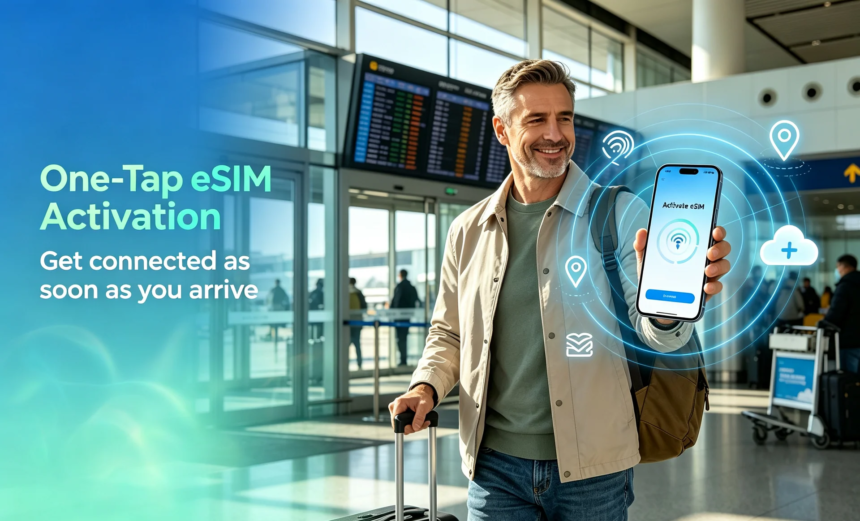
An eSIM is a digital SIM that can be activated without inserting a physical SIM card into the phone. Depending on the provider and destination, travelers can purchase a suitable data plan before departure or after reaching their destination.
An esim for international travel can be particularly convenient for people visiting another country for a short period. Instead of removing their regular SIM card, travelers can use a compatible eSIM profile for mobile data while keeping their primary number available for other purposes.
This can eliminate one common inconvenience associated with international travel: finding and physically installing a local SIM card.
How an International eSIM Works
Using an eSIM generally begins with selecting a plan for the destination. The traveler then receives activation information, often through a digital process.
Once the eSIM is installed and activated according to the provider’s instructions, the phone can connect to a supported mobile network.
The exact process varies between providers and smartphones, so travelers should check device compatibility before purchasing a plan. It is also important to confirm whether the phone is unlocked and whether the selected eSIM supports the destination country.
Advantages of Using an eSIM Abroad
One of the biggest benefits of an esim for international travel is convenience. There is no physical card to remove, store, or replace.
Another advantage is preparation. Travelers can often arrange their connectivity before leaving home. This means they may have mobile data available soon after landing instead of searching for a SIM retailer at the airport.
eSIMs can also be useful for multi-country trips. Depending on the plan, travelers may be able to use one service across multiple destinations rather than purchasing a separate physical SIM in every country.
What Is a Portable WiFi Device?
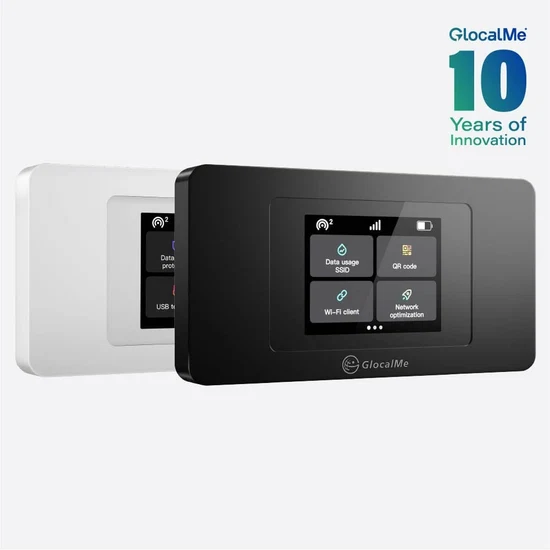
A portable Wi-Fi device is a small wireless hotspot that provides internet connectivity to nearby devices. It typically connects to a mobile network and then creates a private Wi-Fi network that smartphones, tablets, laptops, or other compatible devices can access.
For travelers carrying multiple devices, this approach can be practical. Instead of activating mobile data separately on each device, several devices can potentially connect to the same hotspot.
A portable wifi device can therefore be especially useful for families, business travelers, or groups traveling together.
Benefits of Portable WiFi
One of the main advantages of portable Wi-Fi is multi-device connectivity. A traveler may connect a smartphone, laptop, and tablet to the same hotspot, depending on the device’s supported connection limit and service plan.
This can be valuable for people who need to work while traveling. A laptop can remain connected while the traveler uses their smartphone for calls, navigation, or messaging.
Portable Wi-Fi can also make connectivity easier for groups. Instead of every person arranging an individual data plan, a compatible hotspot may allow several travelers to share one connection.
Comparing eSIM and Portable WiFi
Although both options provide internet access, they have different strengths.
An eSIM is integrated directly into a compatible smartphone. This makes it lightweight and convenient because there is no additional device to carry or recharge.
A portable Wi-Fi hotspot, on the other hand, is a separate device. It must be charged and carried throughout the trip, but it can potentially provide internet access to several devices simultaneously.
The best choice depends largely on how the traveler uses technology.
For someone traveling alone with one smartphone, an eSIM may be the simpler solution. For a family carrying several phones and tablets, a portable hotspot could offer greater flexibility.
Connectivity for Business Travelers
Business travelers often have more demanding connectivity requirements. They may need to attend virtual meetings, access cloud platforms, respond to emails, upload documents, and communicate with clients.
In this situation, reliable internet can directly affect productivity.
An eSIM can provide convenient smartphone connectivity, while a portable hotspot may be useful when a laptop and several other devices need access to the internet.
Travelers should consider expected data consumption rather than selecting a plan based only on price. Video meetings, cloud backups, streaming, and large file transfers can consume significantly more data than basic messaging and browsing.
Traveling With Family or Friends
Group travel introduces different connectivity requirements. Several people may need internet access at the same time for maps, social media, communication, entertainment, and travel planning.
A portable hotspot can be convenient in this situation because multiple devices may share one connection.
However, travelers should remember that everyone connected to the hotspot uses the available data allowance. Heavy usage by one person could affect the experience for everyone else.
An eSIM can still be useful for individual travelers within a group who want independent connectivity and do not want to rely on another person’s hotspot.
Checking Compatibility Before Departure
Regardless of the option selected, preparation is important.
For eSIM users, the smartphone should support eSIM functionality and generally needs to be unlocked for use with another network. Travelers should also verify that their destination is covered by the selected plan.
For portable Wi-Fi users, it is important to check which countries are supported, how much data is included, battery life, and how many devices can connect simultaneously.
Checking these details before departure can prevent unnecessary connectivity problems after arrival.
Managing Data Usage While Abroad
Even with an international data solution, managing consumption is a smart idea. Travelers can reduce unnecessary usage by downloading maps, entertainment, and important documents before leaving.
Automatic application updates and cloud backups can also consume considerable amounts of data. Adjusting these settings while traveling may help extend a limited data allowance.
Travelers should also monitor their usage when available so they know how much data remains throughout the trip.
Security and Public WiFi
Public Wi-Fi can be convenient, but travelers should be cautious when using unknown networks. Airports, cafés, hotels, and public spaces may offer free connections, but users should avoid treating every network as completely secure.
Using a private mobile connection through an eSIM or hotspot can reduce dependence on open public networks.
Travelers should still follow basic digital security practices, including using strong passwords, keeping devices updated, and avoiding suspicious links or downloads.
Choosing the Right Travel Connectivity Option
There is no single solution that works perfectly for everyone.
An eSIM can be an excellent choice for travelers who value simplicity, minimal luggage, and direct smartphone connectivity. It is particularly attractive for solo travelers and people who primarily use one phone.
A portable Wi-Fi device can be more suitable for travelers with multiple devices or groups that want to share a connection.
The destination also matters. Before making a decision, travelers should compare network coverage, data allowances, pricing, activation requirements, and supported countries.
Making International Travel More Convenient
Internet access is no longer a luxury for most travelers. It has become an important part of modern travel planning.
From finding a restaurant to checking a flight update, contacting accommodation, translating a message, or joining an online meeting, connectivity supports countless travel activities.
Both eSIM technology and portable Wi-Fi have made international connectivity more flexible than traditional roaming arrangements.
Conclusion
Staying connected while traveling internationally does not have to be complicated. An esim for international travel can provide a convenient digital alternative for travelers who want mobile connectivity without handling a physical SIM card.
Meanwhile, a portable wifi device can be an effective option for families, groups, and professionals who need to connect multiple devices through one hotspot.
The right choice ultimately depends on the traveler’s destination, number of devices, expected data consumption, and personal preferences. By researching coverage and compatibility before departure, travelers can spend less time worrying about connectivity and more time enjoying their international journey.