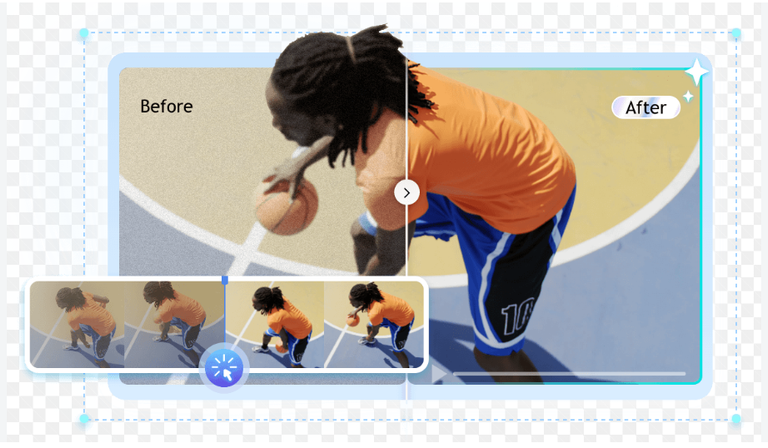
Creating attractive digital content no longer requires advanced editing skills or expensive professional software. Today, artificial intelligence is making image and video editing faster, easier, and more accessible. From improving the quality of an old photo to enhancing a video recorded on a smartphone, AI-powered tools can handle many time-consuming editing tasks automatically.
Among the software companies working in the PC utility and digital optimization space IObit is known for developing tools designed to make everyday computer tasks simpler. As AI continues to influence creative workflows, technologies such as an AI image editor and video enhancer can help users improve visual content without spending hours learning complicated editing techniques.
The Growing Role of AI in Visual Editing
Traditional photo and video editing often involves multiple manual steps. Users may need to adjust brightness, correct colors, remove unwanted elements, sharpen details, resize media, and export the final result in the appropriate format.
AI can simplify many of these processes. Instead of requiring users to understand every technical adjustment, intelligent editing systems can analyze an image or video and automatically identify areas that could be improved.
This approach is particularly useful for people who create content regularly but do not have professional editing experience. Bloggers, social media creators, students, online sellers, and small businesses can all benefit from faster visual editing workflows.
More Read

What Can an AI Image Editor Do?
An AI image editor uses artificial intelligence to assist with common image-editing tasks. Depending on the software, it may be capable of improving image quality, adjusting colors, removing distractions, enhancing details, or making other automated corrections.
One of the biggest advantages is convenience. Instead of manually experimenting with dozens of settings, users can rely on intelligent processing to make appropriate adjustments.
For example, a photograph captured in poor lighting may look dull or lack detail. An AI-powered editing system can analyze the image and optimize different visual elements to produce a cleaner and more balanced result.
More Read
AI image editing can also be useful when working with large numbers of pictures. Someone managing an online store or social media account may need to prepare many images in a short period. Automation can reduce repetitive work and allow more time to be spent on creating content.
Improving Photos Without Complicated Techniques
Not every user wants to become a professional photographer or graphic designer. Sometimes the goal is simply to make an existing picture look better.
An AI-based editing workflow can help users improve photos without requiring extensive knowledge of exposure, contrast, saturation, sharpening, or other technical concepts.
For instance, a casual smartphone photo may contain unwanted noise or appear slightly blurry. Intelligent enhancement can attempt to recover visible details and produce a more polished image.
This can be especially useful for older photographs. Images that were captured years ago may have lower resolution than modern pictures. AI-powered enhancement technologies can sometimes improve their appearance by analyzing existing visual information and reconstructing certain details.
Video Enhancement Is Becoming More Accessible
Images are only one part of modern digital content. Video has become equally important across websites, social platforms, online courses, advertisements, and personal projects.
More Read
A video enhancer can help improve the visual quality of recorded footage. Depending on the technology being used, enhancement may include sharpening, noise reduction, brightness correction, color improvements, stabilization, or resolution enhancement.
The usefulness of these features becomes clear when working with footage recorded in less-than-ideal conditions. A video captured indoors with limited lighting, for example, may contain visible noise and lack clarity. Automated processing can help produce a cleaner-looking result.
Why Video Quality Matters
High-quality video can make a significant difference in how viewers perceive content. Even when the information itself is valuable, poor visual quality can make a video difficult or unpleasant to watch.
This matters for businesses as well as individual creators. Product demonstrations, tutorials, promotional videos, interviews, and social media clips all benefit from clear visuals.
A video enhancer can therefore become part of a broader content-production workflow. Rather than recording everything perfectly on the first attempt, creators can use enhancement technology to improve certain imperfections during post-production.
Combining Image and Video Workflows
Modern content creators frequently work with multiple media formats. A single marketing campaign may require product images, short videos, social media graphics, and website visuals.
Using AI-powered tools can help make these workflows more efficient. An image can be enhanced before being used in a promotional design, while recorded video can be processed before being published online.
The main advantage is consistency. When visual content is processed carefully, images and videos can have a more polished appearance across different platforms.
How IObit Fits Into the PC Software Ecosystem
IObit has built a reputation around software designed to help users maintain, optimize, and manage their Windows PCs. Its broader software ecosystem includes utilities aimed at system performance, security, driver management, and other everyday computing needs.
As artificial intelligence becomes increasingly integrated into consumer software, users are becoming more interested in tools that can automate complex tasks. AI-based visual editing is part of this wider movement toward smarter and easier software experiences.
For users who regularly work with digital media, the combination of efficient PC tools and intelligent creative technologies can provide a more streamlined workflow.
Benefits for Content Creators
AI-powered editing can be valuable for many types of creators. Social media users can improve photos before posting them, YouTubers can enhance recorded footage, bloggers can prepare better visuals for articles, and online businesses can create more attractive product media.
Another important benefit is time savings. Manual editing can become repetitive, especially when working with dozens or hundreds of files. Automated features can reduce the amount of routine work involved.
This does not mean that AI replaces human creativity. Instead, it can handle technical adjustments while the creator focuses on ideas, storytelling, branding, and presentation.
Choosing the Right Editing Approach
Although AI can automate many editing tasks, users should still review the final result. Excessive sharpening, unrealistic colors, or aggressive enhancement can sometimes make an image or video look unnatural.
The best approach is to use AI as an assistant rather than depending on it blindly. Start with the original media, apply appropriate improvements, and then check whether the final output still looks natural.
It is also important to consider the intended platform. An image prepared for a website may require different dimensions and compression from one intended for social media. Similarly, a video for a mobile platform may have different requirements than a high-resolution desktop presentation.
Final Thoughts
AI is changing the way people create and improve digital content. An AI image editor can simplify photo enhancement and help users produce better-looking visuals with less manual effort, while a video enhancer can improve the quality of recorded footage and make videos more enjoyable to watch.
For everyday users and content creators, these technologies can save time and reduce the technical knowledge required for basic editing. Meanwhile, companies such as IObit continue to contribute to the broader software ecosystem by developing tools that focus on making computing tasks more accessible.
As AI technology continues to develop, image and video editing will likely become even more automated. The result is a more convenient creative process where users can spend less time dealing with complicated technical adjustments and more time focusing on the content itself.