
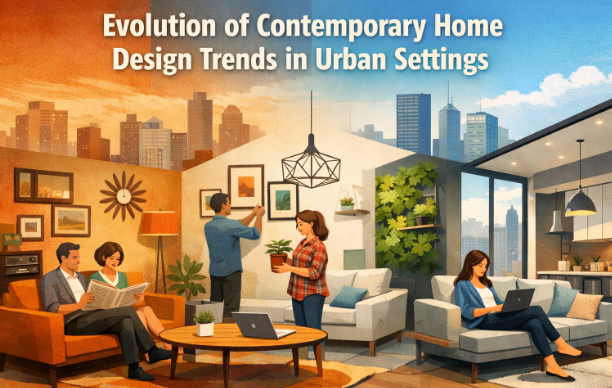
Introduction to Contemporary Home Design
Contemporary home design is an architectural style that is constantly evolving to reflect the present culture and technological advancements. It is characterized by minimalism, open spaces, and an emphasis on function and aesthetics, distinguishing itself from traditional home design. Primarily, contemporary design emphasizes simplicity, clean lines, and a neutral color palette, creating spaces that are both practical and visually appealing.
In urban settings, contemporary home design holds significant relevance. Cities are often marked by limited space and the need for functional living solutions. As a result, contemporary homes are increasingly designed with maximizing space efficiency in mind. Multi-functional furniture, open-concept layouts, and the use of natural light are core principles that guide this approach. These elements enable urban dwellers to make the most of their available space while maintaining a sense of comfort and style.
The significance of contemporary home design extends beyond mere aesthetics; it reflects changing lifestyles, societal values, and technological innovation. For instance, the integration of sustainable materials and energy-efficient technologies into contemporary homes speaks to the growing awareness of environmental concerns and energy conservation. Moreover, the focus on health and well-being has led to an emphasis on indoor air quality and natural light, creating a connection between the interior environment and the natural world.
As we further explore the evolution of contemporary home design trends, it is essential to understand the foundational principles that contribute to its development within urban contexts. The interplay between aesthetics, functionality, and environmental considerations positions contemporary home design as a pivotal element in shaping modern urban living, making it relevant for both current and future generations.
Historical Context of Urban Home Design
Urban home design has undergone significant transformations over the decades, shaped by social, economic, and technological changes. The early 20th century marked a pivotal point in architectural evolution, with the emergence of the Arts and Crafts movement, which emphasized handcrafted quality and an appreciation for natural materials. This shift was a response to the industrialization of the era, highlighting the importance of individual craftsmanship amidst rapid urban expansion.
As cities grew in population and density, the demand for housing led to novel design solutions. The introduction of modernism in the 1920s and 1930s further shaped urban home design, as architects like Le Corbusier championed minimalist aesthetics and functional layouts. This movement favored open floor plans, large windows, and integration with nature, reflecting a departure from traditional styles that prioritized ornamentation.
Post-World War II, the suburbanization phenomenon shifted the focus of urban design away from city centers to outer suburban developments. The mid-century ranch-style homes became prevalent, characterized by their wide layouts, integration with the landscape, and emphasis on family-oriented spaces. This period also saw the rise of prefabricated housing, which aimed to accommodate the influx of returning veterans and their families.
In the latter part of the 20th century, urbanization cycles prompted a resurgence of interest in city living, leading to the revitalization of older neighborhoods and a trend favoring loft-style apartments in repurposed industrial spaces. The embrace of sustainability in the 21st century has fostered energy-efficient homes and green building practices, with designs that prioritize both environmental responsibility and urban-centered lifestyles. This evolution of urban home design reflects a dynamic interplay between social needs and architectural innovation, laying the groundwork for contemporary aesthetics.
Influences on Contemporary Design Trends
The evolution of contemporary home design trends in urban settings has been significantly affected by various dynamic factors, including cultural shifts, technological advancements, and economic changes. As society progresses, the values and priorities of individuals and communities naturally influence design preferences and architectural styles. Notably, cultural diversity in urban areas fosters the integration of various design aesthetics, leading to innovative blending of styles and functional spaces that cater to an array of lifestyles.
Technological advancements have also played a crucial role in shaping contemporary home design. The emergence of smart home technology and sustainable building practices has prompted designers and architects to consider efficiency and adaptability in their designs. Smart home systems facilitate enhanced living experiences through automation, while eco-friendly materials and energy-efficient practices promote sustainable urban living. These advancements are not merely trends; they represent fundamental shifts in how spaces are utilized in urban environments.
Moreover, economic conditions have a considerable impact on contemporary home design trends. As urban populations grow and housing demands increase, affordability becomes a central concern. This challenge often leads to collaborations among designers, architects, and homeowners, aiming to maximize limited space while keeping affordability in mind. Such collaborations encourage innovative solutions and creative designs that better utilize available resources, helping to redefine functionality in smaller living spaces.
In summary, the interplay of cultural shifts, technological advancements, and economic changes continues to be instrumental in shaping contemporary home design trends in urban settings. By embracing these influences, designers can create spaces that reflect the unique identity of urban dwellers, while also addressing the practical demands of modern living.
Characteristics of Modern Urban Homes
Modern urban homes have evolved to reflect the dynamic lifestyles of city dwellers, incorporating design elements that enhance both functionality and aesthetic appeal. One of the defining characteristics is the open floor plan. This design allows for seamless interaction between spaces, making even compact city apartments feel more spacious and inviting. As urban living tends to favor efficiency, open layouts facilitate a sense of flow and connectivity, catering to the needs of families and individuals alike.
Natural light is another key element that modern urban homes prioritize. Large windows, glass doors, and skylights not only bring abundant light inside but also promote well-being while enhancing the overall ambiance. Access to natural light has been shown to improve mood and productivity, making it an essential feature in home design today. Additionally, urban homes are increasingly being designed to ensure optimal positioning of windows to capitalize on views and light exposure.
Sustainability has emerged as a critical aspect of modern home design, especially in urban settings. Many urban dwellers now seek to minimize their environmental footprint, opting for sustainable materials that promote durability and energy efficiency. Features such as recycled materials, energy-efficient appliances, and green roofing are common, serving both aesthetic and ethical purposes. This inclination towards sustainable design aligns with the growing awareness of environmental issues among urban populations.
Furthermore, multifunctional spaces are integral to modern urban homes. With space at a premium in cities, innovative solutions such as foldable furniture and adaptable rooms allow for versatile use of limited areas. Home offices, guest rooms, or recreational areas can easily transform, catering to the diverse needs of residents. This adaptability is essential in urban environments, where lifestyle demands can vary significantly.
Sustainability in Urban Home Design
The trend of sustainability in urban home design has gained significant traction in recent years. As urban environments continue to grow, the demand for environmentally-friendly living spaces has become paramount. Homeowners and architects are increasingly prioritizing eco-friendly materials, energy-efficient technologies, and sustainable practices in their designs.
One of the most notable aspects of sustainable urban home design is the incorporation of eco-friendly materials. These materials often include reclaimed wood, recycled metal, and sustainable bamboo, which not only minimize environmental impact but also lend a unique aesthetic to urban homes. Additionally, the use of non-toxic paints and finishes helps create healthier indoor environments, further enhancing the sustainability of these spaces.
Energy efficiency is another key component of contemporary urban home design. Homebuilders and designers are now embracing technologies such as solar panels, energy-efficient appliances, and advanced insulation techniques. These innovations reduce energy consumption and lower utility costs for homeowners, while also contributing to a smaller carbon footprint. Smart home technology is also gaining popularity, allowing residents to monitor and manage their energy use effectively.
Furthermore, sustainable practices in urban home design extend beyond the materials and technologies used. Designers are increasingly considering the overall layout of urban homes to promote natural ventilation and sunlight exposure, which can lead to reduced reliance on heating and cooling systems. Incorporating green roofs, vertical gardens, and communal green spaces not only benefits the environment but also enhances the quality of life for residents by providing access to nature in densely populated urban settings.
Overall, the commitment to sustainability in urban home design reflects a broader societal shift towards environmental awareness and responsibility. As urban areas continue to evolve, this trend is likely to shape the future of home design, creating spaces that are not only aesthetically pleasing but also harmonious with nature.
The Role of Technology in Home Design
The influence of technology on contemporary home design cannot be overstated, as it plays a pivotal role in shaping modern living environments. In urban settings, where space is often limited and the demand for functionality is high, the incorporation of technology into home design has become essential. Smart home features, such as automated lighting, climate control, and security systems, not only enhance convenience but also contribute to greater energy efficiency and safety within the domestic space.
Automation technologies allow homeowners to control various aspects of their living environment remotely, often via mobile applications. The integration of smart thermostats, for example, adapts heating and cooling systems based on usage patterns and preferences, resulting in tailored comfort levels while minimizing energy waste. Further, automated security systems enable residents to monitor their property in real-time, offering both peace of mind and control over their surroundings.
Moreover, the advent of innovative design software has transformed the way designers and homeowners conceptualize their spaces. Advanced simulations give real-time feedback and visualizations, allowing for dynamic alterations in design before any physical changes are made. This not only streamlines the design process but also ensures that the final product aligns with the homeowner’s vision and lifestyle. The ability to utilize virtual and augmented reality in home design further enhances the customization experience, enabling clients to visualize potential changes in their spaces with remarkable accuracy.
As technology continues to evolve, we can expect even more sophisticated advancements that will impact contemporary home design. The focus will likely shift toward sustainable solutions that utilize technology to minimize environmental footprints and increase overall efficiency. This ongoing evolution underscores the critical role technology plays in redefining urban living, making spaces not just functional, but also responsive to the evolving needs of their occupants.
Cultural and Social Influences on Design
In the realm of contemporary home design, particularly within urban settings, cultural diversity plays a crucial role. The interactions of various cultures contribute significantly to the aesthetic choices, spatial layouts, and functional aspects of homes. Often, these influences lead to unique design elements that reflect the specific identities of communities. For instance, homes within culturally rich neighborhoods can showcase distinctive architectural styles and decorative motifs derived from different heritages, creating a tapestry of visual diversity.
Moreover, social trends such as sustainability and wellness have begun to take precedence in urban home design. As communities increasingly prioritize eco-friendly living, designers are challenged to incorporate sustainable materials and energy-efficient solutions. This shift is not only a reflection of individual preferences but also a collective movement towards greater environmental responsibility. Urban homes are now often designed with features like green roofs, solar panels, and efficient waste systems, all of which serve to embody the community’s commitment to sustainability.
The layout of urban homes also evolves in response to social dynamics and lifestyle changes. Open floor plans, for example, have gained popularity as they accommodate the modern preference for collaborative living spaces that foster social interaction. This trend reflects a broader societal push towards inclusivity and community engagement. The ability to easily transition between indoor and outdoor living spaces can further strengthen neighborhood bonds, positioning homes as facilitators of social connections.
Lastly, cultural events and communal activities, often celebrated through design elements, infuse homes with a sense of belonging. The integration of community spaces, such as shared gardens or rooftop terraces, exemplifies how relationships among residents shape the design landscape. Overall, the influence of cultural diversity and evolving social trends significantly informs the contemporary design ethos in urban environments.
Future Trends in Urban Home Design
The landscape of urban home design is rapidly evolving as a result of various interrelated factors, including urbanization, technological innovation, and changing societal values. As cities continue to grow, future trends in home design will likely reflect the aspirations and needs of increasing population densities. One prominent trend will be the integration of eco-friendly materials and sustainable practices. As more homeowners prioritize environmental responsibility, eco-conscious designs will become mainstream. This encompasses the use of recycled materials, energy-efficient systems, and possibly even self-sustaining homes, utilizing technologies such as solar panels and rainwater harvesting systems.
In addition, the concept of multifunctional living spaces will become increasingly prevalent. Urban dwellers often face limited space, which necessitates the design of homes that can adapt to various needs. This can manifest through movable walls, innovative storage solutions, and flexible furniture that allows for the seamless transition from work to leisure. The rise of remote work and telecommuting is also set to shape future designs, with a dedicated focus on workspaces that are ergonomic and conducive to productivity.
Technological advancements will play a pivotal role in urban home design, leading to the proliferation of smart homes. Future residences may include features such as automated climate control, advanced security systems, and integrated smart appliances, enhancing comfort and efficiency for homeowners. Connectivity will also be a critical aspect, with the Internet of Things (IoT) allowing for seamless integration between personal devices and home systems.
Lastly, as cities prioritize community and well-being, the incorporation of communal spaces within residential developments will become more significant. These spaces may include shared gardens, recreational areas, and hubs for social interaction, fostering a sense of community among residents. As urban home design continues to evolve, it is essential to recognize these trends, which reflect a broader shift towards sustainable, adaptable, and community-focused living environments.
Conclusion and Reflection
As we explore the evolution of contemporary home design trends within urban settings, we recognize that adaptability and resilience play a pivotal role in shaping these spaces. Urbanization continues to influence how we conceive, construct, and inhabit our homes. The need for functional yet aesthetically pleasing environments has driven designers to innovate, blending style with practicality.
Throughout this discussion, we have identified several key trends that illustrate the changing landscape of urban home design. Options such as sustainable materials, multifunctional spaces, and integration of technology are now at the forefront of the design process. These trends not only respond to the demands of urban living but also advocate for a sense of community and connection to nature. Furthermore, the incorporation of flexible layouts caters to the dynamic lifestyles of urban residents, demonstrating an essential shift from traditional, rigid design frameworks.
Reflecting on these advancements highlights the importance of considering the broader social and environmental implications of home design. As cities continue to expand, the ability to adapt designs to meet evolving needs will be crucial. This may include embracing smaller living spaces that prioritize efficiency, or rethinking communal areas that foster interaction among residents. The resilience of urban home design lies in its capacity to reflect the values of the community it serves.
Looking forward, we can forecast further developments in home design influenced by technological advancements and social shifts. The potential for smart homes, eco-friendly initiatives, and community-centric designs suggest a move toward a more integrated approach. By understanding the past trends and current innovations, we can better anticipate future possibilities in urban home design, ensuring that living spaces continue to evolve in response to changing societal demands.