


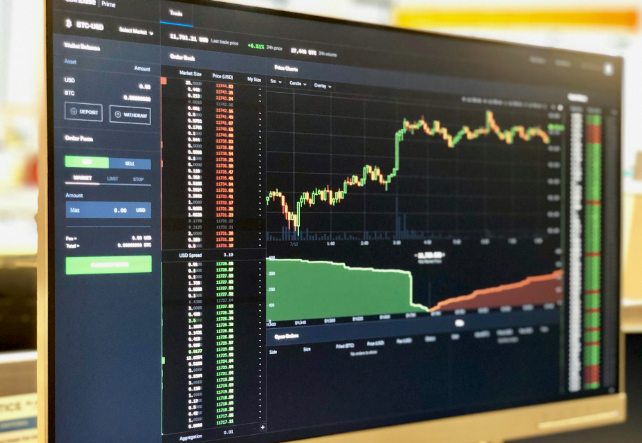
Introduction to Cryptocurrency Market Research
Cryptocurrency market research plays a pivotal role in the realm of digital assets, especially given the remarkable growth and volatility associated with this sector. Effective market research allows investors and traders to analyze market trends, assess potential investments, and mitigate risks associated with this high-stakes environment. As digital currencies experience sharp fluctuations in value, understanding market dynamics through comprehensive research techniques becomes increasingly essential for making informed financial decisions.
The cryptocurrency market is known for its unpredictability, often influenced by a variety of factors including regulatory news, technological advancements, and market sentiment. Therefore, having a solid grip on market research techniques is crucial for anyone engaged in cryptocurrency investment. Investors who prioritize robust analytical methods tend to navigate this volatility more successfully, positioning themselves for potential gains while protecting against losses.
Moreover, cryptocurrency market research is not merely about tracking price movements; it encompasses a broader spectrum of analysis, including studying the underlying technology of cryptocurrencies, evaluating project teams, and examining market trends. This holistic approach ensures that investors are not only informed about current market conditions but are also equipped to anticipate future movements. By implementing effective research methods, investors can make strategic decisions grounded in comprehensive data and critical analysis, maximizing their chances of success in the evolving landscape of cryptocurrency.
In conclusion, as the cryptocurrency market continues to mature and attract mainstream attention, the importance of diligent market research cannot be overstated. By embracing relevant research techniques, investors can navigate the complexities of this dynamic field with greater confidence and foresight.
Understanding Market Dynamics
The cryptocurrency market is characterized by its inherent volatility and rapid fluctuations. These characteristics are primarily influenced by various factors including supply and demand, prevailing market trends, and investor behavior. Understanding these market dynamics is essential for any cryptocurrency investor seeking to perform effective analysis.

Supply and demand play a crucial role in determining cryptocurrency prices. When demand exceeds supply, prices tend to increase, signaling a bullish market. Conversely, when supply surpasses demand, prices typically fall, indicating a bearish phase. Recognizing these fundamental economic principles allows investors to make informed predictions about potential price movements in the market.
Another significant aspect of market dynamics relates to prevailing trends within the cryptocurrency landscape. These trends can be identified through technical analysis, which involves examining historical price movements and trading volumes. Bullish trends might be characterized by rising prices over an extended period, while bearish trends represent a decline in the same. Investors who accurately identify these trends can leverage them to maximize their investment returns.
Additionally, understanding investor behavior is vital when analyzing cryptocurrency markets. Market sentiment, fueled by news events, social media interactions, or changes in regulatory frameworks, can lead to sudden price changes. The emotional aspect of trading often results in impulsive decisions, which can exacerbate market volatility. Investors who can assess sentiment effectively may gain an advantage in anticipating market movements.
Thus, comprehending the interplay between supply and demand, market trends, and investor behavior is central to performing advanced market analysis. Mastery of these dynamics enhances an investor’s ability to make data-driven decisions, reducing risks while optimizing potential returns in the fast-paced cryptocurrency market.
Fundamental Analysis of Cryptocurrencies
Conducting a thorough fundamental analysis of cryptocurrencies is essential for discerning their potential within the market. This form of analysis revolves around evaluating various elements that contribute to a cryptocurrency’s overall viability and future prospects. A key starting point in this evaluation is the examination of a cryptocurrency’s whitepaper. This document outlines its purpose, mechanisms, and technical aspects, providing insight into the project’s foundational goals and intentions. A well-crafted whitepaper can indicate a strong vision and the potential for long-term success.
Equally important is the technology underpinning the cryptocurrency. Investigating the blockchain architecture, consensus algorithms, and scalability solutions can uncover the strengths and weaknesses of the project. Innovative technology that addresses specific issues in the existing financial ecosystem can drive demand and adoption. Hence, technical viability plays a significant role in the analysis.
Furthermore, assessing the development team behind the cryptocurrency is crucial. A team with a strong track record in technology and a profound understanding of the industry can inspire confidence among investors. Their experience, credibility, and commitment to the project can have lasting implications on the success of the cryptocurrency.
Additionally, evaluating the use case of a cryptocurrency is imperative; it should offer a practical application that solves real-world problems or enhances existing processes. High utility and demand for a cryptocurrency can lead to increased market interest and investor participation, positively influencing its price.
Finally, metrics such as market capitalization and transaction volumes provide quantitative support in measuring a cryptocurrency’s performance. Market capitalization, which reflects the total value of a cryptocurrency in circulation, aids in determining its market dominance and investor perception. Transaction volumes, on the other hand, indicate the activity levels and liquidity within the market, presenting a clearer picture of user adoption and network health.
Technical Analysis Techniques
Technical analysis is an essential aspect of cryptocurrency trading, providing investors with the tools to evaluate price movements and market trends. By examining historical data through various charting techniques, traders can identify patterns that may indicate future price behavior. The primary purpose of technical analysis is to make informed trading decisions based on statistical figures and historical performance rather than relying on fundamental analysis.
One of the most foundational tools in technical analysis is the price chart. Price charts can be represented in various formats, including line charts, bar charts, and candlestick charts. Each format offers different insights, but candlestick charts are particularly popular among cryptocurrency traders due to their ability to convey information regarding price movements and trading volume succinctly. By analyzing these charts, traders can identify key trends and potential reversal points.
Additionally, traders often employ technical indicators to further refine their analysis. Common indicators include the Moving Average (MA), Relative Strength Index (RSI), and Moving Average Convergence Divergence (MACD). Each indicator provides unique information: for example, the RSI helps assess whether a cryptocurrency is overbought or oversold, while the MACD identifies potential buy or sell signals through crossovers. Incorporating these indicators into trading strategies allows investors to make more calculated decisions.
Patterns such as head and shoulders, double tops, and triangles also play a crucial role in technical analysis. These formations highlight potential price movements and provide visual cues for entry and exit points. Recognizing these patterns requires practice and a keen eye, yet mastering them can significantly enhance trading performance.
In conclusion, technical analysis techniques are indispensable for cryptocurrency investors seeking to navigate the volatile market effectively. By leveraging historical data, charts, indicators, and patterns, traders can develop strategies that increase their chances of making profitable investments.
Sentiment Analysis and Market Psychology
The realm of cryptocurrency is significantly influenced by market sentiment and psychology. Investors’ emotions and perceptions can drive price movements, making it crucial for professional investors to monitor these dynamics. Sentiment analysis involves assessing the attitudes and opinions of market participants, which can be indicative of future market trends. By understanding collective emotions, investors can better navigate the volatile cryptocurrency landscape.
To effectively measure market sentiment, various tools and techniques can be utilized. One prominent method is social media analysis, where platforms like Twitter, Reddit, and Facebook serve as vital indicators of trader mood. By analyzing the frequency and context of keywords related to cryptocurrencies, investors can gauge whether the prevailing sentiment is bullish or bearish. Furthermore, monitoring social media engagement can reveal spikes in interest or concern regarding specific cryptocurrencies, providing valuable insights for investment strategies.
Another method involves evaluating trading volume alongside price changes. Significant increases in trading volume often correlate with heightened investor interest and can indicate potential price shifts. For example, an uptrend in trading volume may suggest growing confidence in a particular cryptocurrency, while a decrease can signal waning interest. Tools such as the Fear and Greed Index can also assist in quantifying market sentiment by combining several factors, including volatility, social media activity, and market momentum.
In the cryptocurrency market, understanding sentiment is paramount to making informed investment decisions. By leveraging sentiment analysis techniques, professional investors can harness the psychological aspects of trading, allowing for a more holistic view of market movements. This insight aids in the development of strategies that align with the current emotional climate, enhancing the likelihood of successful investment outcomes.
Comparative Analysis of Major Cryptocurrencies
Conducting a comparative analysis of major cryptocurrencies is a critical technique for investors aiming to enhance their investment strategies. In this process, one typically benchmarks smaller or emerging cryptocurrencies against industry titans like Bitcoin and Ethereum. These two major players hold significant influence in the cryptocurrency market, making them ideal reference points for analysis.
To perform a thorough comparative analysis, investors should focus on various metrics including market capitalization, trading volume, historical performance, and technological advancements. Market capitalization serves as a primary indicator of a cryptocurrency’s size and potential stability, while trading volume can provide insight into liquidity and market interest. By comparing these metrics of lesser-known cryptocurrencies against Bitcoin and Ethereum, investors can ascertain where potential opportunities lie and identify cryptocurrencies that may be undervalued.
Furthermore, evaluating the underlying technology of these cryptocurrencies is crucial. While Bitcoin is primarily viewed as a store of value, Ethereum’s utility extends into decentralized applications and smart contracts. By understanding what differentiates these cryptocurrencies, analysts can assess potential growth areas within the market. For instance, if an emerging cryptocurrency demonstrates innovative technology or use cases that could rival Ethereum, it may warrant more attention from investors using comparative analysis.
In addition to technical assessments, social media sentiment and community support should also be considered. These non-tangible factors can heavily influence a cryptocurrency’s success and can vary greatly compared to established players. Therefore, consistent tracking of major cryptocurrencies against these emerging assets can unveil insights that may otherwise be overlooked.
In summary, comparative analysis of major cryptocurrencies not only aids in identifying robust investment opportunities but also sharpens the overall investment strategy by examining the landscape of the market in relation to established benchmarks.
Utilizing Data Aggregation and Analytics Tools
In the ever-evolving landscape of cryptocurrency investing, the utilization of data aggregation and analytics tools is paramount for informed decision-making. These resources enable investors to gather, analyze, and interpret vast amounts of data from multiple sources, streamlining the research process and enhancing overall market comprehension.
Data aggregation platforms, such as CoinMarketCap, Messari, and Nomics, provide comprehensive insights into market trends, cryptocurrency prices, and trading volumes. They compile data from numerous exchanges, offering a centralized hub for investors to monitor performance metrics across different assets. By employing these platforms, investors can track real-time market fluctuations and make educated judgments regarding their investment strategies.
In addition to these aggregation tools, analytics platforms like Glassnode and Dune Analytics offer deeper insights into on-chain metrics, network activity, and user behavior. These platforms allow investors to analyze historical data and visual representations, enabling them to detect patterns and trends that might not be immediately apparent. For example, on-chain analytics can reveal the behavior of large stakeholders or “whales,” providing clues on potential market movements.
Furthermore, sentiment analysis tools, such as The TIE and LunarCrush, can gauge public sentiment on social media and news feeds. By analyzing this qualitative data, investors can better understand market psychology and make projections based on collective sentiments. Incorporating these analytics into a well-rounded investment approach not only enriches data analysis but also facilitates a strategic advantage in a volatile market.
In conclusion, leveraging data aggregation and analytics tools is essential for cryptocurrency investors to enhance their research capabilities. By combining quantitative metrics with qualitative insights, investors can navigate the complexities of the cryptocurrency market more effectively, making well-informed investment decisions grounded in comprehensive data examination.
Risk Management Strategies in Cryptocurrency Investments
The volatile nature of the cryptocurrency market necessitates a robust approach to risk management for investors aiming to make informed decisions. Good risk management strategies are vital in safeguarding investments from unforeseen market fluctuations that can lead to significant losses. One widely employed technique is the implementation of stop-loss orders. These orders allow investors to set a predetermined price at which their assets will be sold, effectively limiting potential losses if the market moves unfavorably. By utilizing stop-loss orders, investors establish an automatic safety net that helps manage risk without requiring constant market oversight.
Diversification stands as another crucial technique in risk management within cryptocurrency investments. By diversifying across multiple cryptocurrencies and asset classes, investors can mitigate the risks associated with the poor performance of a single asset. A well-balanced portfolio can help normalize returns over time and reduce exposure to the individual volatility of any single cryptocurrency. For instance, holding a mix of prominent cryptocurrencies such as Bitcoin and Ethereum alongside smaller altcoins can potentially enhance overall stability.
Exposure limits form an essential component of a sound risk management strategy. By setting limits on the amount of capital allocated to a particular cryptocurrency or sector, investors can prevent large losses in the event of a market downturn. This practice involves assessing one’s own risk tolerance and establishing limits that align with it. By adhering to exposure limits, investors ensure they do not overexpose themselves to specific risk factors, thus maintaining a balanced and rational approach toward cryptocurrency investing.
In conclusion, employing effective risk management strategies, such as stop-loss orders, diversification, and exposure limits, is paramount for investors navigating the unpredictable cryptocurrency market. These techniques not only help in mitigating potential losses but also foster disciplined investment practices essential for long-term success.
Conclusion and Future Trends in Cryptocurrency Market Research
In the rapidly evolving landscape of the cryptocurrency market, effective research techniques are crucial for investors seeking to navigate this complex environment. Throughout this blog post, we have explored various methodologies for conducting thorough market analysis, with an emphasis on data-driven decision-making. Key components such as technical analysis, fundamental research, and market sentiment all play pivotal roles in understanding price movements and investment opportunities. These tools enable investors to mitigate risks and capitalize on potential returns amid market volatility.
As the cryptocurrency ecosystem continues to mature, we are likely to see significant advancements in market research methods. The integration of artificial intelligence and machine learning into analysis will enhance predictive modeling, allowing investors to make more informed decisions. Increased use of blockchain technology and smart contracts is anticipated to foster transparency in transactions, providing more reliable data for investors to examine.
Furthermore, as regulations evolve globally, investors will need to adapt their research approaches to align with compliance requirements. This will necessitate a deeper understanding of regulatory frameworks as they pertain to the cryptocurrency space. Additionally, heightened awareness about cybersecurity will push investors to consider security measures as an integral part of their research strategy.
Continuous learning and adaptation will be essential for success within the cryptocurrency market. As new projects emerge, market dynamics shift, and public perception changes, investors must remain vigilant. Engaging with community discussions and staying informed through reputable channels will help analysts keep their research current and relevant.
In conclusion, the future of cryptocurrency market research promises to be dynamic, influenced by technological innovations and regulatory changes. Investors who embrace these trends and employ rigorous research methodologies will be better positioned to thrive in this exciting marketplace.