


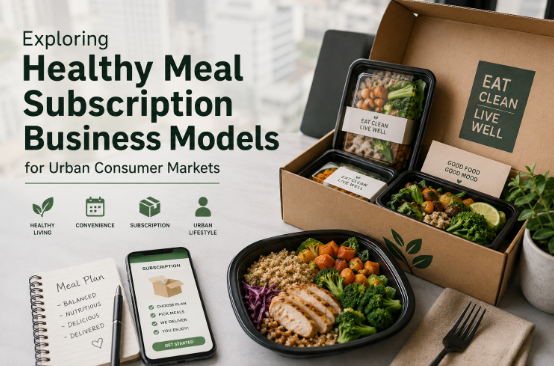
Introduction to Meal Subscription Services
Meal subscription services have emerged as a revolutionary concept in the culinary landscape, particularly appealing to the fast-paced lifestyles often associated with urban dwellers. These services operate by offering curated meal kits or prepared meals that can be delivered directly to consumers’ homes. Typically, individuals can select from various plans that align with their dietary preferences, whether they seek vegetarian, gluten-free, or calorie-conscious options. The rise of technology has accelerated this trend, as consumers increasingly turn to digital platforms for convenience and efficiency.
One of the key attractions of meal subscription services is the inherent convenience they provide. In a city environment where time is often a luxury, these services allow individuals to skip the shopping and meal preparation processes, which can be particularly daunting for those balancing work and personal commitments. By simply subscribing, users can receive meals that are ready to cook or fully prepared, thereby minimizing the barriers associated with meal planning and grocery shopping.
Moreover, these services resonate with health-conscious consumers seeking nutritious options without the hassle of cooking. Many meal subscription companies emphasize the quality of their ingredients, sourcing from local farmers or organic producers, and this commitment to health and sustainability appeals to a growing segment of urban professionals. As dietary awareness increases, these services play an essential role in simplifying healthy eating, making it more accessible and manageable for busy individuals.
As we delve deeper into the various meal subscription business models that cater to urban consumer markets, it becomes evident that their proliferation has transformed the way individuals perceive meal preparation and consumption, shaping a new dining experience defined by convenience, health, and variety.

The
Urban Consumer Landscape
The ur
ban consumer market is characterized by a diverse demographic profile, with individuals often balancing hectic lifestyles and demanding careers. As cities become increasingly populated, urban consumers find themselves navigating long commutes, busy work schedules, and various obligations that can challenge their ability to maintain healthy eating habits. This unique set of circumstances has led to a distinct shift in dietary choices, as convenience, nutritional value, and accessibility have become paramount in meal selection.
Urban consumers tend to be more health-conscious than their rural counterparts, driven by an awareness of the benefits of nutrition and wellness in their daily lives. This demographic often includes young professionals, busy families, and individuals pursuing fitness and overall well-being. Their food preferences increasingly reflect a desire for meals that not only taste good but also contribute positively to their health. The rise of organic ingredients, plant-based diets, and superfoods are indicative of this growing trend.
Furthermore, the demand for meal convenience has surged, resulting in various culinary solutions, such as meal kits and prepared meal delivery services. This has been particularly attractive to urban dwellers who lack the time or skills to cook elaborate meals but still wish to consume balanced and nutritious options. Urban consumers appreciate flexible meal plans, which allow them to experiment with new recipes or opt for familiar favorites without compromising their dietary goals.
Another significant factor shaping the urban consumer landscape is the increasing reliance on technology. With many consumers using apps and online platforms to order groceries or meal services, the convenience of digital access has transformed how urban individuals approach food consumption. This integration of technology with food services aligns perfectly with the lifestyle of urban consumers, who consistently seek efficiency and ease in their meal preparation.
Types of Healthy Meal Subscription Models
The landscape of healthy meal subscription services has evolved significantly to cater to the diverse preferences of urban consumers. In this context, three prominent models emerge: pre-prepared meals, meal kits, and diet-specific plans such as vegan, keto, and paleo. Each of these models presents unique advantages and challenges that align with the varying lifestyles of urban dwellers.
Pre-prepared meal subscriptions offer convenience and time savings, appealing to busy urban consumers who may lack the time or inclination to cook. These services deliver ready-to-eat meals, which are generally designed by nutritionists and chefs to ensure balanced nutrition. However, the potential downside includes limited customization options and a higher price point compared to other models. As urban living can be fast-paced, the appeal of this model lies in its ability to provide a healthy meal option with minimal preparation.
On the other hand, meal kits allow consumers to engage in the cooking process without the hassle of planning and grocery shopping. Consumers receive the ingredients required to prepare specific recipes, which fosters culinary experimentation and learning. This model can be financially advantageous, as it often results in less food waste. However, the time investment in meal preparation may deter some urban consumers seeking quicker solutions. Meal kits also require a basic level of cooking skill and equipment, which can be a barrier for certain demographics.
Lastly, diet-specific plans target consumers with particular dietary preferences or restrictions. These subscriptions cater to niches such as veganism, ketogenic diets, or paleo lifestyles, addressing the increasing demand for specialized nutrition. While this model can foster a dedicated consumer base, it may face limitations in scalability and appeal to a broader audience. Overall, the effectiveness of each model hinges on understanding urban consumer needs for convenience, taste, and health.
Target Audience and Market Segmentation
Identifying and segmenting the target audience for a meal subscription service in urban markets necessitates an understanding of various demographic and psychographic factors. This includes analyzing age groups, income levels, dietary preferences, and lifestyle habits that can influence consumer choices. Urban populations tend to exhibit diverse dietary needs, which can be shaped by cultural backgrounds, health-conscious tendencies, and individual preferences.
Age groups form a crucial demographic segment. For instance, millennials and young professionals often favor convenience, looking for meal subscriptions that offer quick and healthy options to fit their busy lifestyles. On the other hand, older adults may prioritize nutritional value, seeking services that cater to specific health conditions or dietary restrictions. Understanding these age-related preferences can assist companies in tailoring their offerings effectively.
Income levels also play a significant role in market segmentation. Higher-income consumers might exhibit a willingness to pay premium prices for organic and locally sourced ingredients, while budget-conscious individuals will seek options that provide good value. By analyzing urban income distribution, meal subscription businesses can adjust their pricing strategies and offerings to accommodate different consumer segments.
Furthermore, dietary preferences have become increasingly salient, with many consumers pursuing specific diets such as vegetarian, vegan, keto, or gluten-free. Capturing this information through surveys or data analytics allows businesses to customize their meal plans, thereby increasing customer satisfaction. Lifestyle habits, including work schedules, family dynamics, and cooking skills, also affect consumers’ decisions about meal subscriptions. Urban dwellers often appreciate services that simplify meal preparation, enabling them to enjoy healthy meals without significant time investment.
Overall, thorough market segmentation facilitates targeted marketing strategies that resonate with distinct urban demographics, ensuring that meal subscription services meet the needs of diverse consumer groups.
Marketing Strategies for Meal Subscription Businesses
In the competitive landscape of urban meal subscription services, effective marketing strategies play a pivotal role in attracting and retaining consumers. Given the fast-paced urban lifestyle, the nuanced preferences of city dwellers require meal subscription businesses to implement tailored marketing approaches that resonate with this demographic.
One of the core strategies involves leveraging digital marketing to engage effectively with potential customers. This can be achieved through targeted online advertising, particularly on social media platforms such as Instagram and Facebook, where urban consumers are most active. Engaging visual content, such as high-quality images and videos of meal preparations, can significantly enhance brand visibility and appeal. Additionally, search engine optimization (SEO) techniques can help ensure that meal service websites rank higher in search results, thereby attracting more traffic.
Partnerships with local gyms and health clubs represent another effective strategy. These partnerships can facilitate cross-promotional opportunities, wherein meal subscription services offer exclusive discounts or trial periods to gym members. By aligning with health-focused organizations, meal services can reinforce their commitment to nutrition while reaching an audience that prioritizes well-being.
Social media engagement also plays a critical role in building brand loyalty among urban consumers. Regularly posting engaging content, including user-generated recipes and testimonials, can create a sense of community and foster connections with the audience. Moreover, incorporating feedback and actively responding to inquiries can enhance the customer experience, making subscribers feel valued.
Finally, emphasizing sustainability and health benefits in marketing communications is essential. Urban consumers are increasingly concerned about environmental impact and nutritional value. By highlighting organic ingredients, eco-friendly packaging, and transparent sourcing, meal subscription businesses can position themselves as not just a convenience but also a responsible choice, appealing to the conscientious urbanite.
Challenges in the Meal Subscription Industry
The meal subscription industry has witnessed significant growth, particularly in urban consumer markets. However, several challenges hinder the successful establishment and sustainability of these businesses. One prominent issue is the intense competition in a crowded marketplace. Numerous players, ranging from startups to established brands, vie for the same customer base, making it critical for new entrants to differentiate themselves through unique offerings or unparalleled service.
Logistics present another major hurdle for meal subscription services. Urban environments often feature complex transportation networks and varying traffic patterns, which can complicate timely deliveries. Efficient supply chain management is essential to ensure that ingredients arrive fresh and that meals are delivered promptly, thereby maintaining customer satisfaction. Failure to address logistical issues can lead to delays, spoilage, and increased costs, ultimately affecting the bottom line.
Customer retention is a further challenge faced by meal subscription services. Consumers in urban areas often seek convenience, leading them to try multiple meal options before settling on a preferred service. Maintaining engagement through personalized offerings and consistent communication is crucial for fostering loyalty. Moreover, the ability to adapt to diverse dietary needs is paramount. Urban populations are increasingly embracing various dietary preferences, including vegan, gluten-free, and keto diets. Meal subscription services must be prepared to offer inclusive options that accommodate these varying requirements to attract and retain a wider audience.
In summary, companies in the meal subscription industry must navigate a multifaceted landscape characterized by fierce competition, logistical complexities, customer retention difficulties, and the need for dietary inclusivity. Addressing these challenges effectively can lead to a sustainable business model and long-term success in urban markets.
Case Studies of Successful Meal Subscription Services
In recent years, the meal subscription service industry has witnessed remarkable growth, particularly in urban markets. One standout example is Blue Apron, which revolutionized home cooking in densely populated areas. By offering a wide range of healthy meal options, Blue Apron successfully catered to health-conscious consumers looking for convenience without compromising on nutrition. Their consistent success can be attributed to several factors, including high-quality ingredients, comprehensive recipe guides, and a user-friendly online platform.
Another exemplary service is Sun Basket, which focuses on organic and clean ingredients tailored for various dietary preferences, such as paleo, keto, and vegan. In urban environments where consumers are increasingly mindful of their health, Sun Basket resonates well with their target audience. The company’s commitment to sustainability, including environmentally-friendly packaging and sourcing practices, has not only contributed to their market appeal but also fostered customer loyalty.
Freshly is another notable case. This meal subscription service targets busy urban professionals seeking quick and nutritious meal solutions. Freshly differentiates itself by offering fully cooked meals that require minimal preparation time. This strong emphasis on convenience, coupled with the commitment to providing wholesome, preservative-free options, has catered to a growing demographic of urban dwellers who prioritize both time and health.
Key factors contributing to the success of these meal subscription services include an emphasis on local sourcing, effective marketing strategies tailored to urban consumers, and a strong online presence. Furthermore, customer feedback mechanisms have been essential for continuous improvement and adherence to consumer preferences. Understanding these dynamics offers valuable insights for aspiring entrepreneurs in the healthy meal subscription space, enabling them to replicate successful strategies while innovating for their specific urban markets.
Future Trends in Healthy Meal Subscriptions
The healthy meal subscription service industry is rapidly evolving, driven by changing consumer preferences and technological advancements. One of the most significant trends is the automation of meal preparation. Technologies like robotic cooking systems and AI-driven platforms are streamlining the meal preparation process, reducing costs, and allowing for faster service. This trend not only enhances efficiency in kitchens but also offers consumers a more consistent product. As automation becomes more prevalent, meal subscriptions can maintain quality while increasing the volume of deliveries.
Another emerging trend in the healthy meal subscription space is personalized nutrition. Consumers are becoming increasingly aware of their dietary needs and preferences, which has led to a demand for tailored meal options. Subscription services are leveraging data analytics and AI algorithms to customize meal plans based on individual health goals, allergies, and lifestyle choices. This level of personalization fosters customer satisfaction and loyalty, making the subscription model more viable and appealing to a broader audience.
Sustainability has also taken center stage as a critical factor influencing meal subscription services. Urban consumers are demonstrating heightened awareness and concern for environmental impact, prompting meal providers to adopt sustainable practices. This includes sourcing ingredients locally, minimizing packaging waste, and offering plant-based meal options. Subscription services that prioritize sustainability not only capture the attention of environmentally conscious consumers but also position themselves competitively within the market.
In conclusion, the future of healthy meal subscriptions lies in embracing automation, catering to personalized nutrition needs, and committing to sustainable practices. By aligning with these trends, businesses can foster innovation and remain relevant in an increasingly competitive landscape.
Conclusion and Recommendations
In exploring the landscape of healthy meal subscription services, it is evident that urban consumer markets present unique opportunities and challenges. As more individuals seek convenience and nutrition, entrepreneurs entering this dynamic sector can leverage a variety of business models tailored to meet the specific needs of city dwellers. Throughout this blog post, we have highlighted crucial factors such as target demographics, effective marketing strategies, quality control, and customer engagement that significantly influence the success of meal subscription services.
To begin with, understanding the target audience is key for entrepreneurs. Urban consumers often prioritize health, convenience, and variety. Thus, a deep dive into consumer behavior will inform product offerings and pricing strategies. It is advisable to conduct preliminary market research to identify preferences and dietary restrictions prevalent in the target demographic.
When launching a service, transparency in sourcing local and sustainable ingredients can resonate well with health-conscious consumers. Moreover, incorporating technology that allows users to easily customize their meals can enhance the user experience, leading to greater customer satisfaction. Effective marketing is equally essential; leveraging social media platforms and engaging in collaborations with local health influencers can significantly increase visibility in a crowded marketplace.
Furthermore, maintaining customer satisfaction should remain a priority post-launch. Implementing feedback loops through surveys and customer interactions can yield valuable insights that help refine the service and address any concerns. Building a community through events or social media can foster brand loyalty, encouraging subscribers to become advocates for the service.
In summary, by aligning meal subscription services with the evolving needs of urban consumers, and focusing on quality, engagement, and marketing strategies, entrepreneurs can create a viable and sustainable business model in the healthy meal subscription landscape.