


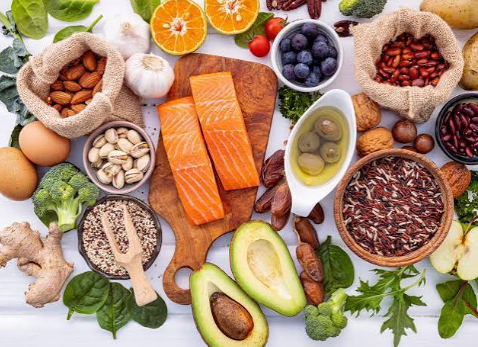
Understanding the Anti-Aging Process
Aging is an intricate biological process that affects all living organisms, including humans. It is characterized by a gradual decline in the physiological functions that are essential for survival and maintenance of health. At the cellular level, aging is primarily influenced by various factors, including genetic predisposition, environmental influences, and lifestyle choices. One of the critical aspects of cellular aging is the phenomenon known as senescence, where cells lose the ability to divide and function effectively. This process ultimately contributes to the visible signs of aging, such as wrinkles, decreased skin elasticity, and diminished organ function.
Nutrition plays a significant role in the aging process, acting as a modulator that can either accelerate or mitigate age-related changes. The consumption of nutrient-dense foods rich in antioxidants is crucial because these compounds help combat oxidative stress—an imbalance between free radicals and antioxidants in the body. Oxidative stress has been linked to inflammation and other metabolic changes that promote aging. Incorporating a variety of colorful fruits and vegetables into one’s diet can enhance antioxidant levels and promote cellular health.
Moreover, the aging process is also intimately connected to inflammation, often referred to as “inflammaging.” This term describes the chronic, low-grade inflammation that accompanies aging and is influenced by poor dietary choices as well as lifestyle factors such as sedentary behavior. By prioritizing anti-inflammatory foods—such as omega-3 fatty acids found in fish and plant-based options like flaxseeds—individuals may be able to decrease their risk of developing age-associated diseases and support overall wellness.
In summary, understanding the biological mechanisms of aging highlights the importance of nutrition in promoting health and longevity. By making informed dietary choices, individuals can positively influence their cellular aging process, thereby enhancing their chances of maintaining vitality throughout their lives.
Key Nutrients for Anti-Aging
As individuals age, the body undergoes numerous changes that can affect overall health and appearance. Emphasizing a nutrition plan rich in essential nutrients is crucial for combating the signs of aging. Among the most significant are vitamins, minerals, and macronutrients such as omega-3 fatty acids and collagen. Each of these nutrients plays a unique role in promoting long-term wellness.

Vitamins, particularly Vitamin C and E, are potent antioxidants that combat oxidative stress, which contributes to aging. Vitamin C is vital for collagen synthesis, which keeps skin firm and youthful. It can be found in citrus fruits, strawberries, and leafy greens. Vitamin E, on the other hand, protects cell membranes from damage and is found in nuts, seeds, and vegetable oils.
Minerals also hold significant importance in an anti-aging diet. Zinc supports immune function and skin health, while selenium acts as an antioxidant. Foods rich in zinc include shellfish, legumes, and whole grains, while Brazil nuts and seafood are excellent sources of selenium.
Omega-3 fatty acids, commonly sourced from fish such as salmon and mackerel, are known for their anti-inflammatory properties and their ability to bolster brain health. Their inclusion in a meal plan can significantly improve cardiovascular benefits, enhancing overall longevity.
Finally, collagen is an essential protein that helps maintain skin elasticity and joint health. Its production naturally declines with age, making it essential to incorporate collagen-rich foods like bone broth, chicken skin, and fish into the diet, or consider supplementation for enhanced benefits.
Incorporating these key nutrients into daily meals not only helps in managing the visible signs of aging but also promotes overall health and well-being, establishing a foundation for a vibrant life.
The Role of a Balanced Diet in Aging Gracefully
A balanced diet plays a pivotal role in maintaining health and vitality as we age. Nutrition is not merely about sustenance; it significantly influences our overall well-being and longevity. A diet rich in various food groups is essential for providing the body with required nutrients that contribute to optimal functioning. The three main macronutrients—carbohydrates, fats, and proteins—play critical roles in supporting bodily processes and can influence the aging process itself.
Carbohydrates are an essential energy source for the body. They help fuel our daily activities and are crucial for brain function. Choosing complex carbohydrates, such as whole grains and legumes, over simple sugars promotes sustained energy levels and may help stabilize blood sugar levels. This can also mitigate risks associated with age-related conditions such as diabetes.
Fats, often misunderstood, are vital for cellular health. Healthy fats, particularly those found in olive oil, avocados, and fish, can reduce inflammation and improve heart health. This is crucial as cardiovascular health tends to decline with age, and maintaining a healthy heart can directly influence longevity.
Proteins are equally indispensable, particularly for maintaining muscle mass, which is vital for mobility and overall quality of life. Including lean proteins such as poultry, fish, beans, and legumes in one’s diet aids in repair and growth, contributing to a more robust aging process.
To achieve a balanced diet, prioritizing variety is key. Incorporating a wide range of fruits and vegetables ensures an adequate supply of vitamins and minerals, which are essential for immune function and longevity. Therefore, by consciously choosing a diverse array of foods, individuals can significantly enhance their nutritional status, paving the way for graceful aging.
Anti-Aging Superfoods to Include in Your Diet
When considering a nutrition plan centered around anti-aging, certain superfoods stand out due to their numerous health benefits. Incorporating these foods into your diet can enhance overall wellness and contribute to long-term health.
Berries are packed with antioxidants, particularly anthocyanins, which help combat oxidative stress in the body. Varieties such as blueberries, strawberries, and blackberries not only support cognitive function but also promote skin health. Including a handful of berries in your morning smoothie or as a topping for yogurt is a simple way to enjoy their benefits.
Leafy greens, including spinach, kale, and swiss chard, are rich in vitamins A, C, and K, all of which play essential roles in skin health and cellular repair. These greens also provide fiber, improving digestive health and promoting a healthy weight. Incorporating leafy greens into salads, smoothies, or as a side dish can significantly increase your nutrient intake.
Nuts, such as walnuts and almonds, are excellent sources of healthy fats, protein, and vitamin E. Nuts can help reduce inflammation and support skin elasticity. A handful of nuts as a snack or added to oatmeal or salads can help maintain energy levels while supporting anti-aging efforts.
Seeds like chia seeds and flaxseeds are ideal for boosting omega-3 fatty acid intake, which is vital for brain health and may help reduce the risk of chronic diseases. They can be easily added to smoothies, yogurt, or baked goods for a nutritious boost.
Finally, fish, especially those rich in omega-3 fatty acids like salmon and sardines, can improve heart health and reduce inflammation. Incorporating fish into your weekly meal plan can promote mental clarity and a youthful appearance.
By consciously including these superfoods in your diet, you can harness their anti-aging properties and contribute to your long-term wellness.
Creating an Anti-Aging Meal Plan
Developing a nutritious anti-aging meal plan is essential for promoting long-term health and maintaining youthful vitality. A well-structured meal plan can help you incorporate essential vitamins, minerals, and antioxidants, which play a significant role in combating oxidative stress and cellular aging. Here is a sample meal plan designed to support anti-aging efforts.
Breakfast: Start your day with a nutritious breakfast that includes whole grains and healthy fats. For instance, consider oatmeal topped with a tablespoon of flaxseeds, a handful of berries, and a dollop of Greek yogurt. This combination delivers fiber, omega-3 fatty acids, and antioxidants.
Morning Snack: A small portion of mixed nuts or a piece of fruit, such as an apple or banana, can boost energy levels. Nuts are rich in vitamin E and healthy fats, contributing to skin health.
Lunch: A well-balanced lunch could consist of a quinoa salad mixed with mixed greens, cherry tomatoes, cucumbers, and a protein source like grilled chicken or chickpeas. Drizzle with a dressing made from olive oil and lemon juice to enhance flavor and provide additional antioxidants.
Afternoon Snack: Opt for a vegetable platter with hummus or a handful of edamame, which provides both protein and fiber, contributing to satiety and nutritional balance.
Dinner: For dinner, consider grilled salmon with steamed broccoli and a small serving of brown rice. Salmon is an excellent source of omega-3 fatty acids, which are crucial for brain and heart health. The vegetables add vital nutrients and fiber.
Portion sizes should be appropriate to your personal health requirements, and it is essential to maintain a variety of food choices to ensure you receive a broad spectrum of nutrients. This structured anti-aging meal plan not only supports overall wellbeing but also serves as a preventive strategy against the aging process.
Hydration and Its Impact on Aging
Hydration plays an essential role in maintaining health, particularly as we age. The human body is composed of approximately 60% water, and adequate hydration is crucial for various physiological functions. As we grow older, our body’s water content can decrease, leading to potential health issues, such as decreased skin elasticity, impaired detoxification, and diminished overall health.
One of the most visible effects of proper hydration is on the skin. Well-hydrated skin tends to be more elastic and resilient, which can help reduce the appearance of wrinkles and fine lines. Conversely, dehydration can lead to dry, flaky skin that may exacerbate signs of aging. To support skin health, it is recommended that adults aim for at least 8 cups (approximately 2 liters) of water daily, although individual needs may vary based on activity level and environmental factors.
In addition to drinking water, consuming hydrating foods can significantly contribute to daily water intake. Fruits and vegetables, such as cucumbers, watermelon, oranges, and strawberries, contain high water content and provide essential vitamins and minerals that promote a healthy lifestyle. Incorporating these foods into meals can enhance hydration while delivering nutrients necessary for aging gracefully.
To increase water consumption, consider practical strategies such as carrying a reusable water bottle, setting reminders to drink throughout the day, or infusing water with herbs and fruits for added flavor. Regular consumption of herbal teas and broths can also help maintain hydration levels. Paying attention to one’s hydration needs is vital for long-term wellness and can positively impact aging.
Lifestyle Factors That Complement Nutrition
In the pursuit of long-term wellness and effective anti-aging strategies, it is crucial to explore the additional lifestyle factors that can significantly influence the aging process. Among these, regular exercise, stress management, and quality sleep stand out as fundamental components that enhance the benefits of a healthy nutrition plan.
Exercise is not only vital for maintaining physical fitness but also plays a considerable role in promoting mental well-being. Engaging in regular physical activity helps improve circulation, boosts metabolic functions, and contributes to maintaining a healthy weight, all of which are essential for sustaining an youthful appearance. Furthermore, exercise has been shown to enhance mood and reduce symptoms of anxiety and depression, which are often associated with aging.
Equally important, stress management is critical in any anti-aging strategy. Chronic stress has been linked to accelerated aging processes, impacting both physical and mental health. Techniques such as mindfulness, meditation, and yoga can help mitigate stress levels, fostering resilience and enhancing overall health. Prioritizing mental health not only supports emotional stability but is also intrinsically linked to physical well-being.
Another essential aspect to consider is the quality of sleep. Adequate rest is fundamental for cellular repair and regeneration, aiding the body in combating the signs of aging. Poor sleep patterns can lead to various health complications, including hormonal imbalances and weakened immune responses. Establishing a bedtime routine and creating an optimal sleep environment can improve sleep quality, thereby reinforcing the effectiveness of a nutritious diet.
Incorporating a holistic approach by integrating exercise, stress management, and sleep hygiene with a well-balanced nutrition plan creates a synergistic effect, amplifying the benefits and promoting longevity. By addressing these lifestyle factors, individuals can significantly enhance their anti-aging efforts, leading toward a healthier and more vibrant life.
Common Misconceptions About Anti-Aging Nutrition
Anti-aging nutrition is often surrounded by a variety of misconceptions that can lead to confusion and misguided dietary choices. One of the most common myths is the belief that extreme diets or drastic caloric restrictions can effectively reverse the aging process. In reality, such extreme measures can be harmful, leading to nutritional deficiencies and a host of health problems. Research has shown that a balanced diet, rich in whole foods rather than falling for quick-fix diets, promotes better health and longevity.
Another prevalent myth is the assumption that expensive supplements are necessary for achieving optimal aging outcomes. While certain vitamins and minerals play a crucial role in maintaining overall health, a well-rounded diet typically provides all the nutrients required for optimal functioning of the body. Instead of relying on costly supplements, individuals are encouraged to focus on nutrient-dense foods, like fruits, vegetables, whole grains, and healthy fats, which can effectively support the aging process.
Moreover, many individuals believe that aging inevitably leads to weight gain and diminished health. This presumption overlooks the significant role that healthy nutrition and regular physical activity can play in maintaining a healthy weight and boosting overall wellbeing, regardless of age. A realistic perspective on aging acknowledges that while changes are natural, they can be mitigated by adopting a proactive approach towards diet and lifestyle.
In summary, busting these myths about anti-aging nutrition emphasizes the importance of adopting evidence-based nutritional approaches for promoting long-term wellness. By focusing on balanced diets and realistic expectations around health and aging, individuals can foster a healthier future.
Conclusion and Long-Term Maintenance Strategies
In closing, adopting a healthy anti-aging nutrition plan is not merely a short-term endeavor; rather, it’s a lifelong commitment aimed at maintaining overall wellness and longevity. The principles discussed throughout this blog post serve as a guide to help individuals take crucial steps toward establishing sustainable dietary habits that support both body and mind.
It is essential for individuals to understand that effective anti-aging nutrition is inherently tied to consistency and realistic goal setting. By incorporating nutrient-dense foods, such as fruits, vegetables, whole grains, and healthy fats into daily meals, one can gradually improve their dietary patterns. Start small by incorporating these elements into one or two meals each week, and progressively enhance your overall intake. This gradual approach can minimize the feeling of overwhelm often associated with dietary changes.
Furthermore, regular check-ups with healthcare professionals play a significant role in monitoring progress and addressing any potential nutritional deficiencies. These appointments can encourage individuals to stay engaged with their wellness journey while providing valuable insights into dietary adjustments tailored to specific health needs.
Moreover, it is important to approach anti-aging nutrition with flexibility. Life circumstances may influence eating habits, but remaining adaptable allows individuals to maintain their commitment without feeling discouraged. Exploring new recipes, learning about seasonal produce, and sharing meals with family and friends can make this journey enjoyable.
Ultimately, the goal of long-term wellness maintenance should be prioritized over achieving quick results. Embracing a healthy anti-aging nutrition lifestyle will not only support physiological health but will also promote vibrant well-being as one progresses through the years. By embodying these strategies, individuals can create a sustainable, nurturing, and fulfilling relationship with food that endures over time.