

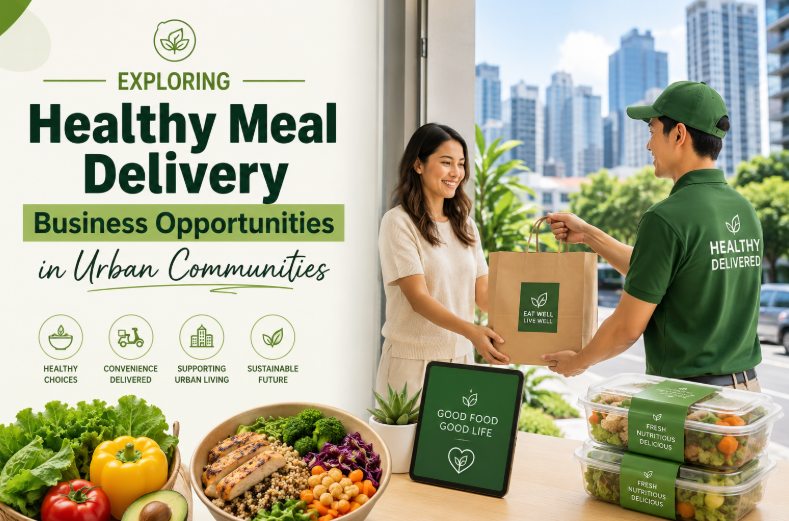
Introduction: The Growing Demand for Healthy Meals in Urban Areas
As the world becomes increasingly urbanized, the dietary habits of city dwellers are evolving significantly. This shift has contributed to a rising interest in healthy meal delivery services, which cater specifically to the fast-paced lifestyle of individuals living in urban communities. Health-conscious consumers are now actively seeking nutritious meal options that align with their dietary preferences and lifestyles, further intensifying the demand for convenient and wholesome meal alternatives.
Recent studies have highlighted a notable increase in health awareness among urban populations, driven by the prevalent issues of obesity, diabetes, and other lifestyle-related diseases. These health concerns have prompted many individuals to reevaluate their eating habits, leading to a greater inclination toward nutritious foods. Consequently, the meal delivery industry has adapted by providing diverse options that cater to various dietary needs, including vegan, gluten-free, and low-carb meals.
The juxtaposition of urban living and unhealthy eating habits cannot be overlooked. Many city dwellers face time constraints that often lead to reliance on fast food and processed meals, which are typically high in calories, sugar, and unhealthy fats. This trend is prompting a cultural shift as consumers increasingly prioritize not only the convenience of meal delivery but also the quality and nutritional content of their food choices. As businesses respond to this growing demand, they are presented with unique opportunities to create meal delivery services that focus on health and sustainability.
In this context, understanding the underlying motivations of urban consumers is crucial. Factors such as limited cooking time, increasing health awareness, and a desire for convenience are propelling the popularity of healthy meal delivery services. This burgeoning market not only addresses dietary preferences but also promotes overall wellness, making it a compelling area for entrepreneurs exploring business opportunities in urban communities.
Understanding the Urban Consumer: Demographics and Preferences
Urban consumers represent a diverse demographic group that exhibits unique preferences and behaviors regarding healthy meal delivery services. With an increasing focus on health and wellness, this consumer segment is primarily motivated by a variety of factors, including age, income, lifestyle choices, and health concerns.
Age plays a significant role in shaping meal preferences. Younger consumers, particularly millennials and Generation Z, tend to prioritize convenience and time-saving solutions, often opting for meal delivery services that align with their busy lifestyles. They are generally more health-conscious and inclined to experiment with dietary trends, such as plant-based meals, organic ingredients, and gluten-free options. In contrast, older generations may focus more on traditional dietary preferences or specific nutritional needs, impacting the types of meals offered by delivery services.
Income levels also influence spending habits in urban areas. Higher-income consumers are more likely to invest in premium meal services, seeking high-quality ingredients and gourmet meal options. Conversely, lower-income segments may prioritize affordability, often leading them to seek budget-friendly meal plans. Urban dwellers often face time constraints that make healthy eating challenging; thus, those who can afford meal delivery services view them as a practical solution to maintain their health goals.
Lifestyle choices further contribute to consumer preferences. A growing awareness of health-related issues, such as obesity and chronic diseases, has prompted consumers to lean toward healthier eating habits. Many urban residents actively seek transparency in sourcing, nutrition information, and ethical practices, often choosing meal delivery services that cater to their health concerns. Additionally, preferences for environmentally sustainable options are gaining traction, influencing decisions on meal selections.
In conclusion, understanding the demographics and preferences of urban consumers is crucial for effectively tapping into the healthy meal delivery market. By addressing the unique needs of these consumers, businesses can tailor their offerings, thereby enhancing their appeal and increasing customer loyalty.
Barriers to Accessing Healthy Meals in Urban Communities
Urban communities often face significant challenges in accessing healthy meals. One of the primary issues is the presence of food deserts, areas where residents have limited access to affordable and nutritious food. These neighborhoods may lack grocery stores or healthy food options, leading to a reliance on fast food and convenience stores that typically do not offer adequate healthy choices. The limited availability of fresh produce and whole foods exacerbates nutritional deficiencies among residents, influencing their overall health outcomes.
In addition to geographical constraints, socioeconomic barriers further hinder access to healthy meals. Many residents in urban settings may be living on low incomes, which can restrict their ability to purchase healthy foods. Food insecurity is common in these populations; many families are forced to prioritize caloric intake over nutritional quality due to budget limitations. Consequently, even when healthier options are available, they may be perceived as unaffordable when compared to cheaper, calorie-dense alternatives.
Lack of transportation is another significant factor that affects access to healthy meals in urban areas. Public transportation may not be readily available or convenient, posing challenges for individuals who do not own a vehicle. This limitation often means residents must rely on their immediate localities for food sources, further isolating them from fresh and nutritious options available in other areas of the city.
Meal delivery services emerge as a viable solution to address these barriers by providing convenient access to nutritious foods directly to consumers’ doorsteps. These services can significantly ameliorate obstacles related to food deserts, economic hardships, and transportation challenges, ensuring that urban residents have the opportunity to make healthier food choices without the associated difficulties.
Types of Healthy Meal Delivery Services: What’s Available?
The healthy meal delivery sector has seen significant growth, catering to diverse consumer preferences and dietary needs. Various types of services are available, each designed to provide convenience and wholesome nutrition. Understanding these options is crucial for both consumers and entrepreneurs looking to enter this market.
One of the most popular categories is the meal kit delivery service. These services offer pre-measured ingredients accompanied by detailed recipes. Subscribers receive a box of fresh ingredients, which enables them to cook healthy meals at home without the hassle of grocery shopping. Meal kits often emphasize seasonal, local produce and cater to specific dietary preferences such as vegan, gluten-free, or paleo, providing options that resonate with health-conscious consumers.
Another prevalent model is prepared meal delivery. Unlike meal kits, these services provide fully cooked meals that require minimal preparation. Consumers simply heat the meals before consumption, making this option attractive for those with busy lifestyles who seek nutritious choices without committing time to cooking. Prepared meal services often focus on calorie control, nutrient density, and tailored plans for weight loss or dietary restrictions, further enhancing their appeal.
Subscription models are also gaining traction, where customers pay a recurring fee for regular meal deliveries. This can encompass both meal kits and prepared meals, and often allows for customization according to individual dietary needs and preferences. Flexible subscription plans, which may offer options for skip weeks or changes in meal selection, help maintain consumer engagement and satisfaction.
Finally, some services provide specialized meal delivery for specific demographic groups, such as athletes, seniors, or families with young children. By addressing the unique requirements of these groups, companies enhance their market appeal. Overall, the diverse landscape of healthy meal delivery services offers various solutions that cater to the evolving needs of urban consumers seeking convenience and nutrition.
Building a Healthy Meal Delivery Brand: Key Characteristics
In the competitive landscape of healthy meal delivery services, establishing a brand that resonates with consumers is crucial. One significant aspect to consider is the sourcing of local and organic ingredients. By prioritizing fresh, high-quality produce from nearby farms, a meal delivery brand not only supports local economies but also guarantees the meals are nutritious and promote a healthier lifestyle. This commitment to ingredient quality can foster customer loyalty and promote a positive brand image.
Meal customization options serve as another important characteristic for a successful healthy meal delivery brand. Modern consumers are increasingly mindful of their dietary needs, preferences, and restrictions. Therefore, offering personalized meal plans can significantly enhance customer satisfaction, ensuring that the meals cater to a variety of dietary requirements, from gluten-free to vegan options. By allowing customers to select ingredients and customize their meals, brands position themselves as responsive to their clientele’s health goals and preferences, which is essential for long-term engagement.
Sustainability is also a vital component of a healthy meal delivery brand. This includes not only the choice of ingredients but also eco-friendly packaging and delivery methods. Brands that prioritize sustainability can attract environmentally-conscious consumers, fostering a sense of community and shared values. Implementing practices such as compostable packaging or energy-efficient delivery vehicles showcases a commitment to protecting the planet, which can resonate deeply with modern consumers.
Moreover, building trust with customers is paramount for any meal delivery service. Transparency regarding ingredient sourcing, preparation practices, and pricing can significantly enhance a brand’s reputation. Engaging with customers through informative content and responding to their feedback can also strengthen this trust. A well-established level of trust can result in repeat business and positive word-of-mouth recommendations, creating a robust customer base.
Marketing Strategies for a Healthy Meal Delivery Service
In the competitive landscape of meal delivery services, particularly those centered around health-conscious offerings, effective marketing strategies are paramount to success. Digital marketing plays a crucial role in this domain, making it essential for businesses to establish a strong online presence. Incorporating search engine optimization (SEO) techniques can assist in enhancing visibility on search engines. Alongside SEO, utilizing pay-per-click (PPC) advertising enables targeted outreach, effectively reaching audiences most likely to engage with healthy meal options.
Moreover, social media serves as a powerful channel for engaging with potential customers. Platforms like Instagram, Facebook, and Twitter are ideal for showcasing vibrant, appealing images of nutritious meals, sharing testimonials, and communicating regularly with the community. Developing a content calendar that includes engaging posts, recipes, and health tips can facilitate ongoing interaction and build a loyal following.
Community engagement is another pivotal marketing strategy for a healthy meal delivery service. Establishing connections with local organizations, health clubs, and fitness centers can amplify reach. For instance, partnerships with gyms can lead to cross-promotional opportunities where health-oriented meal options are offered to gym members, potentially at a discounted rate. Hosting workshops or tasting events in collaboration with local health organizations can elevate brand awareness and foster community goodwill.
Additionally, leveraging influencer marketing can dramatically extend the reach of a healthy meal delivery service. Collaborating with local nutritionists, health coaches, and lifestyle influencers can authentically promote meal offerings to a like-minded audience. This partnership not only enhances credibility but also showcases the business’s alignment with a health-conscious lifestyle.
Incorporating these marketing strategies provides a comprehensive approach to successfully launch and promote a healthy meal delivery service. The combination of digital marketing, community engagement, partnerships, and social media utilization can create a robust marketing foundation.
Operational Challenges: Logistics and Supply Chain Management
Running a healthy meal delivery service in urban communities presents unique logistical and operational challenges that must be effectively managed to ensure sustainability and customer satisfaction. Central to these challenges is inventory management, which involves sourcing high-quality ingredients while maintaining freshness. Meal delivery businesses must establish relationships with reliable suppliers who can provide organic and locally sourced products consistently. Additionally, efficient inventory control systems are crucial to prevent wastage and ensure timely delivery of fresh ingredients.
Another significant aspect of logistics is the delivery system implemented by the meal delivery service. Urban areas often have variable traffic conditions, which can affect delivery times and customer expectations. Employing a robust delivery management software can help optimize routes, enabling drivers to navigate congested areas efficiently. Furthermore, considering the use of electric vehicles or bicycles may not only reduce the carbon footprint but also appeal to socially conscious consumers who prioritize sustainability in their purchasing decisions.
Packaging options also play a key role in the operational success of a meal delivery service. Healthy meal delivery services must utilize packaging that preserves food quality and temperature while also being eco-friendly to align with customer values. Sustainable materials, such as compostable containers and reusable bags, can enhance the service’s brand image while reducing environmental impact.
Finally, maintaining food safety standards is paramount. Compliance with local health regulations ensures that the food not only reaches customers safely but maintains its nutritional integrity. This involves regular training for staff on food handling practices, consistent evaluations of kitchen sanitation, and proper refrigeration during transportation. Addressing these operational challenges comprehensively can facilitate a successful healthy meal delivery business in urban communities.
Case Studies: Successful Healthy Meal Delivery Businesses in Urban Areas
In today’s fast-paced urban environments, healthy meal delivery businesses have emerged as viable solutions for busy individuals seeking nutritious options. This section explores several case studies of successful companies that have navigated the complexities of urban markets effectively.
One prominent example is Freshly, a meal delivery service that specializes in providing ready-to-eat meals that cater to health-conscious consumers. Founded in New York City, Freshly identified a gap in the market for convenient, wholesome meals. Their strategy hinges on partnering with local farms to source fresh ingredients, thereby ensuring high quality while supporting the local economy. This approach has not only fostered loyalty among customers but also enhanced their brand reputation, allowing Freshly to expand rapidly across various metropolitan areas.
Another noteworthy case is Sun Basket, which has carved a niche by offering organic and clean ingredients tailored to customer preferences, including various dietary restrictions such as vegan and gluten-free. Operating primarily within dense urban settings like San Francisco, Sun Basket emphasizes customization, allowing customers to select meals that align with their lifestyle choices. This level of personalization has proven essential in attracting a diverse clientele, contributing to substantial growth.
Green Chef is another example, focusing on USDA-certified organic ingredients. They utilize sustainable practices not only in food sourcing but also in packaging. Their commitment to environmental stewardship resonates deeply with urban consumers who are both health-conscious and environmentally aware. This alignment with market values has led to increased customer loyalty and repeat business.
These case studies underscore the importance of sustainability, personalization, and community engagement in building successful healthy meal delivery services in urban areas. Entrepreneurs looking to enter this market can draw valuable lessons from these businesses, enhancing their strategies and ensuring their offerings meet the needs of urban consumers.
Conclusion
As the demand for healthy meal delivery services continues to rise, urban communities are poised for significant growth in this sector. The intersection of health consciousness and the fast-paced lifestyle typical of urban living has created fertile ground for innovative meal delivery solutions. Consumers are increasingly prioritizing nutrition and convenience, making healthy meal options not just a trend, but a necessity.
Future opportunities in the healthy meal delivery industry will likely revolve around customization and personalization. As technology advances, meal delivery services can harness data analytics to provide tailored meal plans that cater to individual dietary preferences and health goals. This could include options for vegetarian, vegan, gluten-free, or low-carb meals. Such personalization will resonate well with urban consumers who are often looking for specific health benefits tailored to their unique lifestyles.
Furthermore, sustainability will undoubtedly play a crucial role in shaping the future of healthy meal delivery. Urban consumers are becoming increasingly aware of the environmental impact of their food choices. As a result, meal delivery businesses will need to adopt eco-friendly practices, such as using biodegradable packaging and sourcing ingredients locally. This aligns seamlessly with the growing trend towards not only healthy but also sustainable living, thereby broadening market appeal.
In conclusion, the healthy meal delivery market within urban settings is on the brink of transformation. By focusing on consumer needs for health, convenience, and sustainability, businesses can position themselves strongly in this expanding market. Embracing innovation and responding to evolving consumer trends will be critical for those looking to thrive in this exciting space.