


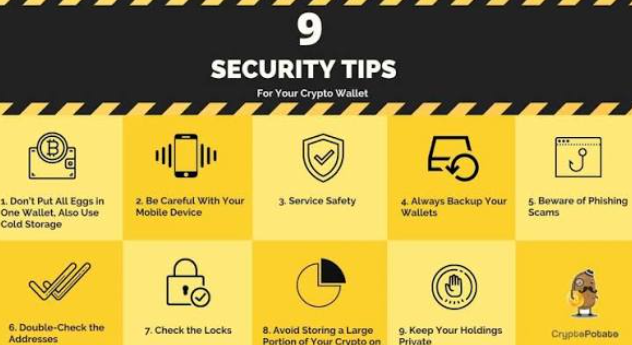
Introduction to Cryptocurrency and Blockchain Security
Cryptocurrency, a form of digital or virtual currency, has gained significant traction over the past decade, primarily due to the underlying blockchain technology that secures its transactions. At its core, blockchain is a decentralized ledger that records all transactions across a network of computers, ensuring transparency and immutability. This structure eliminates the need for intermediaries, such as banks, thus offering a more efficient way of conducting transactions. However, as the adoption of cryptocurrency continues to increase, so does the attention of malicious entities attempting to exploit vulnerabilities inherent in the system.
The importance of securing digital assets cannot be overstated. With the rise of cryptocurrencies, we have seen a parallel increase in cyber threats, including hacking attempts, phishing schemes, and other forms of cyber attacks targeting both individual users and exchanges. Losses from security breaches can be catastrophic, leading to the theft of millions of dollars worth of digital assets in a matter of moments. Consequently, the need for robust security measures has never been more critical.
Effective cryptocurrency security strategies encompass multiple layers of protection, from secure wallets and private keys management to sophisticated encryption protocols. These measures aim to safeguard digital assets against unauthorized access and theft, ensuring that users can engage in transactions with confidence. Understanding the basic principles of blockchain technology and the security challenges it faces is essential for anyone involved in the cryptocurrency space.
In summary, as cryptocurrency becomes more mainstream, a comprehensive understanding of blockchain security methods will be paramount for protecting digital assets. The evolution of cyber threats necessitates an ongoing commitment to improving security practices within this rapidly changing landscape.
Common Threats to Cryptocurrency Security
In the evolving world of cryptocurrencies, the security of digital assets has become a paramount concern for investors and users alike. Various threats persist, each posing significant risks that can undermine both individual investments and the broader cryptocurrency ecosystem. Understanding these threats is essential for anyone involved in digital currency.

One of the most prevalent threats is phishing attacks. Cybercriminals employ phishing techniques to deceive users into disclosing their private keys or login credentials. This is often executed via counterfeit websites or malicious emails that impersonate legitimate services. When users fall victim to such scams, they may inadvertently grant hackers access to their wallets, resulting in substantial financial losses.
Additionally, hacking attempts are a continual threat facing cryptocurrency exchanges and individual wallets. Skilled hackers may exploit vulnerabilities within the infrastructure of exchanges or leverage insecure personal computers to infiltrate users’ accounts. High-profile exchange hacks have led to the loss of millions of dollars’ worth of cryptocurrencies, significantly shaking investor confidence.
Malware is another critical risk, commonly utilized to target cryptocurrency holders. Malicious software can be installed on a user’s device unbeknownst to them, capturing inputs such as passwords and private keys. This type of software can operate stealthily in the background, making it particularly hazardous for untrained users who may not recognize the signs of infection.
Fraud, in various forms, is also prevalent in the cryptocurrency landscape. This includes Ponzi schemes and fake initial coin offerings (ICOs) that lure unsuspecting investors, promising astronomical returns. Such fraudulent schemes not only drain resources from individuals but can also tarnish the reputation of legitimate projects within the market.
Understanding Blockchain Technology
Blockchain technology is a revolutionary approach that underpins cryptocurrencies, utilizing a decentralized network to enhance security and transparency in digital transactions. At its core, a blockchain is a distributed ledger that records data across multiple computers, ensuring that no single entity has control over the entire network. This decentralization significantly reduces the risks associated with data manipulation, making blockchains inherently resistant to fraud and cyberattacks.
One of the key components of blockchain security is cryptography. Specifically, public and private key cryptography is employed to facilitate secure transactions. Each user has a unique pair of keys; the public key is shared with others to receive cryptocurrency, while the private key is kept confidential to safeguard access to the assets. Cryptographic hashing further secures the integrity of the data stored on the blockchain. It converts transaction details into a fixed-length string of characters, creating a unique identifier for each block, which is practically impossible to alter without consensus from the majority of participants within the network.
Consensus mechanisms play a critical role in maintaining the security of blockchain networks. These protocols determine how transactions are validated and added to the blockchain. Popular mechanisms include Proof of Work (PoW) and Proof of Stake (PoS). In PoW, miners solve complex mathematical puzzles for the right to add new blocks, which not only secures the network but also ensures that participants are incentivized to behave honestly. On the other hand, PoS allows validators to create new blocks based on the number of coins they hold and are willing to ‘stake’, thus promoting energy efficiency and sustainability in the validation process.
Through the interplay of decentralization, cryptography, and consensus mechanisms, blockchain technology establishes a resilient security framework for cryptocurrencies, enhancing user confidence and fostering widespread adoption.
Security Methods for Digital Asset Protection
Securing digital assets is of paramount importance in today’s cryptocurrency landscape. Various methods and practices can be employed to ensure the safety of these assets. One fundamental aspect is the choice between hot and cold storage wallets. Hot wallets are connected to the internet, facilitating quick transactions but leaving assets vulnerable to cyber-attacks. In contrast, cold storage wallets, which are offline, provide a higher level of security for long-term asset holding. Investors should weigh the need for accessibility against the inherent risks associated with each type of wallet.
Another crucial method for safeguarding digital assets involves the implementation of two-factor authentication (2FA). This security feature requires users to provide two forms of verification before gaining access to their cryptocurrency accounts. By combining something the user knows, like a password, with something the user has, such as a smartphone for receiving a text code or an authentication app, 2FA significantly reduces the risk of unauthorized access. It is advisable for all cryptocurrency users to enable 2FA wherever possible, as this adds an essential layer of protection to their accounts.
Furthermore, the management of private keys plays a critical role in the security of digital assets. Private keys grant access to cryptocurrency holdings, and therefore, must be kept secure. Users should avoid sharing their private keys and store them in a safe location, either using secure software solutions or hardware devices designed for key storage. Regularly updating keys and utilizing multi-signature wallets can further enhance security. By adhering to these practices—balancing between convenience and safety—investors can significantly bolster their defenses against potential threats in the digital landscape.
The Role of Smart Contracts in Security
Smart contracts are self-executing contracts with the terms of the agreement directly written into lines of code. Operating on blockchain technology, they automate and enforce digital agreements without the need for intermediaries. This system enhances the security of transactions by ensuring that all parties adhere to predefined conditions, thereby minimizing the risk of fraud or manipulation. Since smart contracts reside on the blockchain, their code is publicly accessible and can be audited by anyone, which promotes transparency and accountability.
In addition to operational efficiency, smart contracts significantly bolster security by enabling encryption and decentralized verification. Each transaction conducted through a smart contract is validated by multiple nodes on the blockchain network, creating a robust defense against unauthorized changes. Consequently, this distributed ledger technology increases trust among parties involved in a transaction, instilling confidence that the terms will be met faithfully.
However, while smart contracts bring a host of security benefits, they are not devoid of vulnerabilities. Coding errors or oversights can lead to exploitation by malicious actors, resulting in significant financial losses. For instance, a poorly written smart contract could contain weaknesses that hackers can exploit to drain funds or execute transactions improperly. Furthermore, smart contracts are often immutable; once deployed, they cannot be easily altered. This limitation means that any security flaws inherent in the contract’s initial design can persist, posing risks over time.
Thus, the importance of thoroughly testing smart contracts before their deployment cannot be overstated. Employing comprehensive code audits and security best practices is crucial to mitigating the risks associated with smart contracts. Ensuring robust security in smart contract development is a foundational step in protecting digital assets within the broader scope of blockchain technology.
Regulatory Compliance and Legal Frameworks
The landscape of cryptocurrency is continuously evolving, with regulatory compliance and legal frameworks playing a pivotal role in enhancing security within the industry. Governments and regulatory bodies around the world are establishing guidelines aimed at fostering a safer environment for digital asset transactions. Compliance with these regulations not only protects users but also helps to stabilize the market and build trust among participants.
Various jurisdictions have implemented distinct approaches regarding cryptocurrency regulation. For example, while some countries, like Japan, have embraced cryptocurrencies, integrating them into existing financial regulations, others, such as China, have imposed strict bans on cryptocurrency trading. This inconsistency creates challenges for users as well as financial institutions in adapting to varying legal frameworks. Understanding the legal landscape is crucial for stakeholders aiming to navigate the risks associated with cryptocurrency trading and security.
Compliance with regulations can lead to the adoption of best practices, such as Know Your Customer (KYC) and Anti-Money Laundering (AML) protocols. These practices not only help to identify and prevent fraudulent activities but also enhance the overall security of the cryptocurrency sector. By enforcing stringent compliance measures, organizations can improve their security posture, thereby protecting user data and digital assets effectively.
Furthermore, legal frameworks can aid in the pursuit of recourse for users who fall victim to fraud or cybercrime. Establishing a robust legal foundation allows individuals to seek justice and accountability from malicious actors, contributing to a safer trading environment. As regulatory compliance continues to mature, the cryptocurrency industry will likely witness an increased emphasis on security measures that protect users and reinforce trust in digital assets.
Best Practices for Individuals and Businesses
As cryptocurrencies gain prominence, ensuring the security of digital assets becomes increasingly critical for both individuals and businesses. Implementing best practices can significantly mitigate the risks associated with cryptocurrency investments and protect valuable digital holdings from potential threats.
One fundamental measure is the use of strong passwords along with two-factor authentication (2FA). Individuals should create complex passwords that include a mix of letters, numbers, and symbols to enhance security. 2FA provides an additional layer of protection by requiring a second form of verification beyond the password, such as a code sent to a mobile device. This drastically reduces the risk of unauthorized access to crypto wallets and exchanges.
Moreover, utilizing hardware wallets is recommended for storing cryptocurrencies. Unlike online wallets, hardware wallets store private keys offline, making them less susceptible to hacking attempts. Individuals should carefully choose reputable hardware wallet providers and ensure firmware updates are performed regularly to counter any emerging vulnerabilities.
Educating oneself about phishing attacks is also crucial. Both individuals and businesses should learn how to identify phishing attempts, which often lure users to malicious sites that mimic legitimate exchanges. Always verifying URLs and avoiding clicking suspicious links can prevent potential losses.
For businesses, conducting regular security audits is essential. By assessing current security measures, companies can identify vulnerabilities and implement necessary updates. Furthermore, companies should establish clear protocols for cryptocurrency transactions to ensure that only authorized personnel can access or handle digital assets.
Finally, staying informed about cryptocurrency regulations and best practices is vital. This knowledge not only helps individuals and businesses comply with legal requirements but also guides them in making informed security-related decisions. Adopting these practices can form a robust defense against unauthorized access and ensure a safer investment environment in the cryptocurrency space.
Future Trends in Cryptocurrency Security
The cryptocurrency landscape is continuously evolving, prompting significant advancements in blockchain security to tackle emerging threats. One of the most pressing challenges is the sophistication of cyberattacks targeting cryptocurrency exchanges and wallets. As attackers develop more sophisticated techniques, it becomes increasingly vital for security protocols to adapt. This demands robust multi-factor authentication processes, encryption methods, and real-time monitoring systems that can identify and mitigate potential breaches.
Another noteworthy trend is the rise of decentralized finance (DeFi), which has become a prominent target for hackers. As traditional financial institutions adopt DeFi solutions, vulnerabilities within smart contracts must be addressed to enhance security. Future strategies may include automated auditing and verification tools that use algorithms to detect anomalies and ensure compliance with security standards. Additionally, the integration of artificial intelligence and machine learning can facilitate predictive analyses that anticipate potential security threats before they manifest.
Moreover, the regulatory landscape surrounding cryptocurrencies is anticipated to become more stringent. Governments and financial oversight bodies are increasingly recognizing the need for cohesive regulation in the industry. Future cryptocurrency security methods may require adherence to international standards, compelling exchanges and service providers to adopt best practices in safeguarding digital assets. The incorporation of regulatory technology (RegTech) can streamline compliance processes while reinforcing security measures.
As technological advancements progress, solutions such as quantum computing pose both risks and opportunities for cryptocurrency security. While quantum computers have the potential to dismantle existing cryptographic methods, they also inspire the development of quantum-resistant algorithms. These innovations will be crucial in shaping the future of blockchain security, protecting digital assets against emerging threats.
Conclusion and Final Thoughts
In the ever-evolving landscape of cryptocurrency, the significance of adopting robust security measures cannot be overstated. As digital assets continue to gain popularity, they simultaneously attract an increasing number of threats and malicious entities. Therefore, the implementation of effective blockchain security methods is essential to protect these investments and ensure the integrity of transactions.
The cryptocurrency ecosystem is inherently decentralized, which provides a unique set of challenges and opportunities regarding security. With multiple stakeholders involved, from exchanges to wallets and blockchain platforms, it is critical that all participants adopt a proactive approach to safeguard their digital assets. By employing state-of-the-art security protocols, such as two-factor authentication, cold storage solutions, and regular audits, users can mitigate risks significantly.
Moreover, education and awareness play a vital role in enhancing digital asset protection. Cryptocurrency users should stay informed about the latest security threats and best practices. This knowledge empowers individuals and organizations to make informed decisions about their security measures, ensuring that they can effectively respond to potential risks.
In conclusion, vigilance and proactive approaches are pivotal in safeguarding digital assets within the cryptocurrency realm. As the technology continues to advance, so too will the methods employed by those seeking to exploit vulnerabilities. Therefore, it is imperative for users to remain committed to implementing robust security measures, therefore ensuring the long-term viability and safety of their digital investments.