


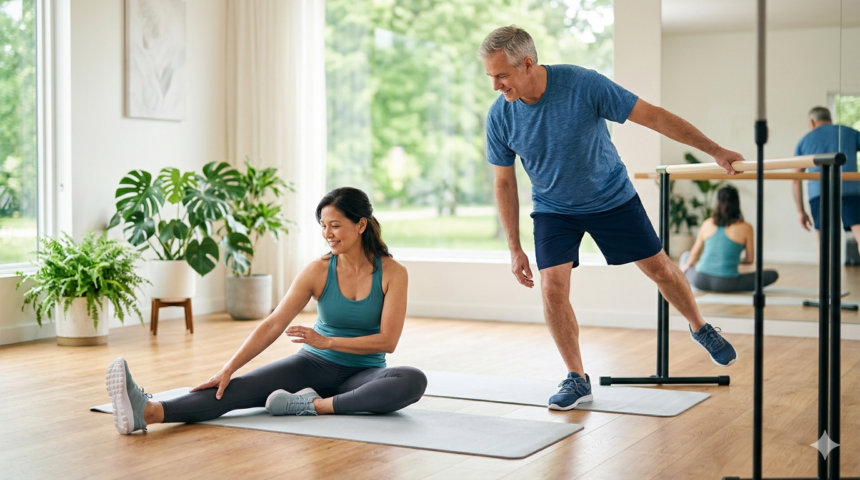
Knee pain is a common problem that affects people of all ages. It may result from arthritis, previous injuries, overuse, excess body weight, or age-related wear and tear. While knee discomfort can make exercise challenging, staying active is often an important part of managing pain and maintaining joint health.
Low-impact exercises place less stress on the knees while helping improve muscle strength, flexibility, balance, and overall fitness. With the right approach, many people with mild to moderate knee pain can exercise safely and enjoy the benefits of regular physical activity.
Why Exercise Is Important for Knee Pain
Many people assume they should avoid movement when their knees hurt, but gentle exercise can often help.
Regular physical activity may:
- Strengthen the muscles that support the knee
- Improve joint flexibility
- Reduce stiffness
- Enhance balance and stability
- Support healthy weight management
- Improve overall mobility
Stronger muscles around the knee can help reduce pressure on the joint during everyday activities.

Talk to Your Healthcare Provider First
Before starting a new exercise routine, consult your healthcare provider if you have severe knee pain, swelling, recent injuries, or a diagnosed joint condition.
A doctor or physical therapist can recommend exercises that are appropriate for your specific situation and help you avoid movements that may worsen your condition.
Walking
Walking is one of the simplest low-impact exercises for knee health.
Start with short, comfortable walks on flat, even surfaces. Wear supportive shoes and maintain good posture while walking. If you experience increased pain, reduce your distance or take more frequent breaks.
Gradually increase your walking time as your strength and endurance improve.
Swimming
Swimming is an excellent option because water supports your body weight and reduces pressure on your knees.
Swimming laps or simply moving through the water can improve cardiovascular fitness while strengthening muscles with minimal joint stress.
Many people with arthritis find water exercise especially comfortable.
Water Aerobics
Water aerobics combines gentle movement with the natural resistance of water.
The buoyancy helps reduce impact on the knees while allowing you to improve strength, flexibility, and balance. Many community pools offer beginner-friendly water exercise classes.
This is an ideal choice for individuals who find land-based exercise uncomfortable.
Cycling
Using a stationary or outdoor bicycle provides low-impact cardiovascular exercise.
Cycling strengthens the quadriceps, hamstrings, and calf muscles, which help support the knee joint. Begin with low resistance and increase intensity gradually as your comfort improves.
Proper bike fit is important to reduce unnecessary knee strain.
Elliptical Training
An elliptical machine offers smooth, controlled movement without the repeated impact of running.
Many people with mild knee pain find elliptical workouts more comfortable than jogging while still improving cardiovascular fitness and leg strength.
Adjust the resistance to match your ability.
Gentle Yoga
Yoga can improve flexibility, posture, balance, and muscle strength.
Choose beginner or therapeutic yoga classes that focus on gentle movements and avoid deep knee bends if they cause discomfort. Inform your instructor about your knee pain so they can suggest modifications.
Listen to your body and avoid painful positions.
Tai Chi
Tai Chi involves slow, controlled movements combined with deep breathing.
Research suggests it may improve balance, flexibility, coordination, and joint function while reducing pain in some individuals with knee osteoarthritis.
Its gentle nature makes it suitable for many beginners.
Strength Training
Building muscle strength helps stabilize the knee joint.
Exercises that may be appropriate include:
- Straight leg raises
- Seated leg extensions
- Mini squats (within a comfortable range)
- Glute bridges
- Side leg lifts
- Step-ups on a low platform
Use proper technique and avoid movements that increase pain.
Stretching Exercises
Gentle stretching helps improve flexibility and reduce muscle tightness.
Focus on stretching the:
- Hamstrings
- Quadriceps
- Calf muscles
- Hip flexors
Hold each stretch for about 20 to 30 seconds without bouncing or forcing the movement.
Balance Exercises
Improving balance may reduce the risk of falls and support better joint stability.
Simple balance exercises include standing on one foot while holding onto a stable surface or practicing heel-to-toe walking.
Begin with support until your confidence improves.
Tips for Exercising Safely
Following safe exercise habits helps protect your knees.
- Warm up before exercising.
- Wear supportive footwear.
- Increase activity gradually.
- Avoid sudden twisting movements.
- Rest if pain increases.
- Stay hydrated.
Consistency is usually more beneficial than intense workouts.
Exercises to Approach with Caution
Some activities may place greater stress on painful knees.
These include:
- Running on hard surfaces
- High-impact jumping
- Deep squats
- Intense plyometric exercises
- Sudden pivoting sports
If you enjoy these activities, discuss safe modifications with a healthcare professional.
When to Stop Exercising
Mild muscle soreness is common when starting a new routine, but certain symptoms require attention.
Stop exercising and seek medical advice if you experience:
- Sharp or severe knee pain
- Significant swelling
- Joint instability
- Locking of the knee
- Pain that continues long after exercise
These symptoms may indicate an underlying injury that requires evaluation.
Conclusion
Low-impact exercise is an effective way to improve knee strength, flexibility, mobility, and overall health while minimizing stress on the joints. Activities such as walking, swimming, cycling, water aerobics, yoga, Tai Chi, and gentle strength training can help many people manage knee pain and maintain an active lifestyle.
Always begin gradually, use proper technique, and consult a healthcare professional if you have persistent or severe knee pain. With consistency and appropriate exercise choices, you can support healthier knees and improve your quality of life.
Frequently Asked Questions (FAQs)
1. What is the best low-impact exercise for knee pain?
Swimming, water aerobics, walking, cycling, and gentle yoga are among the most commonly recommended low-impact exercises because they place less stress on the knee joints.
2. Is walking good for knee pain?
Yes. Walking can help strengthen muscles and improve joint function when performed on level surfaces with supportive footwear and within a comfortable pain range.
3. Should I exercise if my knees hurt?
Many people with mild knee pain benefit from gentle exercise, but severe pain, swelling, or recent injuries should be evaluated by a healthcare professional before beginning a new routine.
4. Can strength training help knee pain?
Yes. Strengthening the muscles around the knee—particularly the quadriceps, hamstrings, and glutes—can improve joint stability and reduce stress on the knee.
5. Which exercises should I avoid with knee pain?
High-impact activities such as running on hard surfaces, jumping exercises, deep squats, and sports involving sudden twisting may aggravate knee pain in some individuals.
6. How often should I perform low-impact exercises?
Many health experts recommend at least 150 minutes of moderate physical activity per week, adjusted to your fitness level and medical condition. A healthcare provider or physical therapist can recommend an exercise schedule that best suits your needs.