

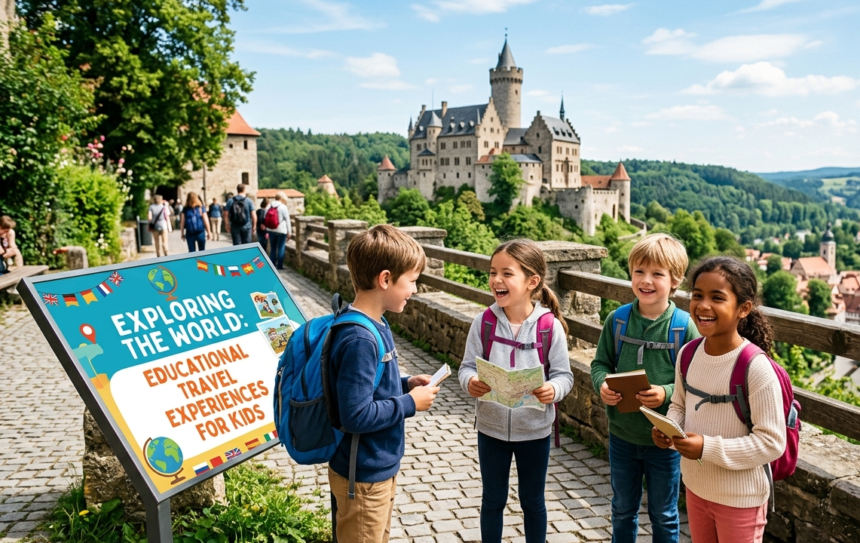
Exploring the World: Educational Travel Experiences for Kids

admin
By admin
19 Min Read

The Importance of Educational Travel

Educational travel serves as a significant catalyst in a child’s development, offering rich, multifaceted experiences that are often unattainable through traditional classroom settings. Through travel, children are given the distinct opportunity to engage directly with diverse cultures, environments, and historical landmarks, fostering a deeper understanding of the world around them. These experiences promote not only knowledge acquisition but also the cultivation of essential life skills.

One of the major benefits of educational travel is its impact on problem-solving abilities. As children navigate new environments, they are frequently faced with challenges that require immediate resolution. For instance, they might need to find their way in unfamiliar cities or communicate in different languages. Such experiences compel children to think critically and creatively, enhancing their ability to analyze situations and devise effective solutions.

Furthermore, educational travel plays a key role in developing robust communication skills. Interacting with locals and other travelers provides children with a platform to practice language skills and learn the nuances of interpersonal communication. This firsthand experience encourages them to articulate their thoughts and understand diverse perspectives, thus preparing them for future social interactions in an increasingly globalized world.

Lastly, adaptability becomes a vital skill honed through travel. Children learn to adjust to various circumstances, whether it’s adapting to a new climate, embracing different foods, or navigating local customs. This flexibility prepares them for a lifetime of learning and growth, instilling a sense of resilience that is crucial in a rapidly changing world.

In essence, educational travel not only enhances a child’s educational journey but also paves the way for multifaceted personal growth, emphasizing the importance of real-world experiences in their overall development.

Choosing the Right Destinations

When planning educational travel experiences for children, it is crucial to select destinations that provide rich opportunities for learning while still being engaging and enjoyable. One effective way to approach this is to consider locations that are well-known for their historical, scientific, geographical, and artistic significance.

Countries such as Greece, with its ancient ruins, offer children a fascinating glimpse into the past. The Acropolis in Athens can serve as an outdoor classroom where children can learn about ancient civilizations and their contributions to modern society. This combination of exploring historical sites while allowing for interactive learning makes Greece an excellent option.

In terms of science, places like the Kennedy Space Center in Florida provide insights into aerospace technology, space exploration, and the science behind rocketry. Children can engage with interactive exhibits that encourage curiosity, making science both accessible and fun. Educational institutions such as the Exploratorium in San Francisco also provide hands-on experiences that can spark a love for science and experimentation.

For geography enthusiasts, national parks such as Yellowstone or the Grand Canyon not only showcase the natural beauty of the world but also offer lessons in geology and ecology. Guided tours led by park rangers can deepen children’s understanding of the environment, fostering a respect for nature and conservation.

Lastly, immersing children in the arts is equally vital. Cities like Paris, Florence, and New York are teeming with museums that house impressive collections of art. Visiting institutions such as the Louvre or the Museum of Modern Art can encourage creativity and help children appreciate different art forms and styles. Emphasizing the balance between educational content and entertainment will ensure that children remain engaged and excited about their travel experiences.

Planning Educational Activities

When it comes to enhancing educational travel experiences for kids, careful planning of activities is paramount. One effective way to engage young travelers is through guided tours, which can provide structured insights into the history, culture, and significance of various locations. These tours should be tailored to the child’s age and interests, ensuring the information presented is both accessible and engaging. For instance, a museum tour aimed at younger audiences should incorporate interactive elements that spark curiosity, such as scavenger hunts or hands-on exhibits.

Workshops are another excellent option for maximizing educational value during travel. Children can participate in hands-on activities that allow them to immerse themselves in the local customs, arts, or sciences. Cooking classes that teach traditional recipes or craft workshops that explore local artistic styles can be particularly enriching. Such experiences not only promote skill development but also foster a deeper appreciation for the regional culture.

Local community interactions can further diversify educational travel experiences. Engaging with local families, schools, or community projects helps children develop a broader worldview and enhances their social skills. Volunteer opportunities, where kids can participate in service projects, are particularly beneficial as they allow children to understand societal challenges while actively contributing to solutions.

It is crucial to consider the individual interests and developmental stages of children when planning these activities. By striking a balance between education and fun, parents can create unforgettable travel memories that foster lifelong learning. Ultimately, the goal is to inspire curiosity and a desire for knowledge, thereby shaping well-rounded global citizens. Through thoughtful planning of educational activities, families can ensure that their travel experiences yield rich opportunities for learning and personal growth.

Engaging with Local Culture

Traveling provides an incredible opportunity for children to explore and learn about different cultures. Engaging with local culture is vital for enhancing a child’s understanding of the world and fostering a sense of global citizenship. Through immersive experiences, children can appreciate the diversity of traditions, customs, and lifestyles that exist outside their everyday environment.

One of the most enriching ways to engage with local culture is by interacting with residents. Encouraging children to greet locals, participate in community events, or engage in conversations can provide them with unique insights into daily life. These interactions often lead to spontaneous learning opportunities, where children can ask questions and discover the values and beliefs that shape a community.

In addition, trying traditional foods is a fundamental aspect of cultural immersion. Meals are often a reflection of a region’s history, geography, and social practices. By tasting local dishes, children not only expand their palates but also learn about the ingredients that are indigenous to that culture. Participating in cooking classes or food markets can further enhance this experience, giving kids hands-on opportunities to prepare and appreciate what they consume.

Furthermore, participating in local customs and festivals allows children to witness vibrant traditions in action. Whether it is attending a festival, learning traditional dances, or observing religious practices, these experiences can leave lasting impressions. Parents should guide their children on how to be respectful participants; this involves learning about the significance of customs and understanding the appropriate behavior expected in various cultural contexts.

Overall, engaging with local culture is an essential element of educational travel. By fostering connections with people, attempting local cuisines, and appreciating customs, children can gain a profound understanding of global diversity that goes beyond typical classroom learning.

Utilizing Technology on the Go

In the realm of educational travel, technology serves as an invaluable asset, enhancing the learning experience for children while they explore new cultures and places. With the rapid advancement of mobile applications, traveling families can now efficiently utilize their devices to enrich their travel adventures. One prominent category of applications is those designed for learning. Language apps, such as Duolingo or Babbel, encourage children to learn basic phrases in the local language, fostering both communication skills and cultural appreciation.

Moreover, technology also facilitates active documentation of experiences. Digital journaling apps, like Journey or Day One, enable children to document their daily adventures and reflections. This practice not only promotes writing skills but also encourages kids to process and articulate their thoughts about what they have learned during their travels. Additionally, photography applications allow young explorers to capture memorable moments, which can later be used for presentations or projects upon their return home.

Organization is another key benefit technology offers during travel. Apps such as TripIt or Google Maps help families keep their itineraries organized and navigable, ensuring that they can focus on learning rather than logistical details. Pre-travel research is simplified with online resources, allowing families to explore historical sites, museums, and local customs before departure. Websites such as TripAdvisor or educational blogs can provide insights into appropriate learning opportunities for children at various destinations.

Post-travel reflection is equally important; technology fosters an environment for children to recount their experiences and share newfound knowledge with peers and family. Online platforms encourage children to create multimedia presentations that encapsulate their learning journey, integrating both visual and written content.

The Role of Parents and Educators

Facilitating educational travel experiences involves the collaborative effort of both parents and educators. To maximize the benefits of travel, preparation is essential. Parents can begin by engaging their children in discussions about the destinations they will visit, highlighting cultural, historical, and geographical aspects that will enrich their journey. This preliminary exploration of the destination can pique a child’s curiosity and set a foundation for meaningful learning experiences during the trip.

For educators, it is vital to define clear learning objectives that align with the travel experience. This could involve creating a thematic focus that corresponds with the curriculum, such as studying local wildlife, understanding historical landmarks, or exploring cultural practices. By establishing these learning goals, travelers can gain a deeper understanding of their environment and its significance, turning their travel into an immersive educational experience.

Encouraging discussions before, during, and after travel is another effective strategy. Parents can prompt conversations by asking open-ended questions about their children’s observations and feelings throughout the trip. Similarly, teachers may incorporate reflective assignments that encourage students to document their experiences, whether through journals, presentations, or creative projects. This not only reinforces lessons learned but also helps in developing critical thinking and analytical skills.

Finally, both parents and educators should recognize the importance of post-travel discussions. This stage provides opportunities to connect experiences back to academic lessons and cultivate a lifelong interest in learning. By actively participating in the travel experience, parents and educators can effectively foster a sense of wonder and inquiry that enhances children’s educational journeys.

Inspiring a Love for Learning

Travel can serve as a powerful catalyst for nurturing a lifelong passion for learning among children. By exposing them to different cultures, languages, and historical contexts, children often find inspiration in the diversity of the world around them. This first-hand experience often ignites new interests and encourages curiosity about subjects they had previously overlooked. For example, a child who visits ancient ruins may develop an enduring fascination with archaeology, while another might cultivate an interest in culinary arts after sampling traditional dishes in a foreign country.

Consider the case of a young girl named Sarah, who traveled to Italy with her family. While exploring Roman architecture, she found herself captivated by the stories behind each structure. Upon returning home, her family encouraged her to delve deeper into history by enrolling her in a local history club focused on ancient civilizations. This simple exposure during their travels not only enriched her knowledge but also sparked a desire to learn about other historical periods and countries.

To continue this educational journey after returning home, parents can implement a few practical tips. First, encourage frequent discussions about travel experiences. By revisiting their adventures, children can draw connections between their travels and academic subjects, whether it be geography, history, or even language arts. Second, parents can integrate travel themes into home learning by visiting libraries or online resources that offer books, documentaries, and interactive experiences related to their travels. Lastly, establishing a travel journal can be beneficial. Children can document their experiences, discoveries, and newfound interests, reinforcing their learning and enthusiasm.

Ultimately, educational travel experiences can profoundly shape a child’s approach to learning. Encouraging ongoing exploration and curiosity will ensure that the love for knowledge continues to grow long after the suitcase is packed away.

Overcoming Challenges in Educational Travel

Embarking on educational travel can be a transformative experience for children, yet it is not devoid of challenges that may arise during the planning and execution stages. Understanding these potential hurdles is essential for ensuring a smooth, enriching journey.

One common challenge is travel anxiety, which can manifest as fear or apprehension regarding unfamiliar surroundings and experiences. To mitigate this, parents or educators can gradually introduce children to the concept of travel through discussions about destinations, cultural practices, and anticipatory excitement. Engaging in preparatory activities, such as watching documentaries or reading related literature, can also build a sense of familiarity and comfort.

Budget constraints often pose another significant obstacle for educational travel. It is crucial to establish a clear budget early in the planning process, taking into account expenses such as transportation, accommodation, meals, and entrance fees to educational sites. Exploring options such as group discounts, off-peak travel seasons, and free local attractions can help reduce costs. Additionally, consider setting up a savings plan that encourages children to contribute towards their travel fund, fostering a sense of ownership and responsibility.

Logistical issues, such as itinerary scheduling, transportation, and accommodation arrangements, can complicate travel plans. A well-structured itinerary is fundamental; however, flexibility is equally important. Allowing room for spontaneity can lead to unexpectedly enriching experiences. When traveling with children, prioritize accommodations that are family-friendly and centrally located to minimize travel time and maximize engagement with local educational opportunities.

With careful preparation and open communication, overcoming the challenges associated with educational travel can transform potential barriers into invaluable learning experiences for children. Thoughtful planning will not only enhance logistical effectiveness but also deepen the overall educational benefit of the journey.

Reflecting on Experiences for Long-Term Benefit

Travel experiences can be greatly enriched through the practice of reflection, allowing children to internalize and retain the educational benefits derived from their journeys. Engaging in thoughtful consideration of what they have learned during their travels can deepen their understanding of different cultures, customs, and the world at large. One effective way to facilitate this reflection is by encouraging children to keep travel journals. By documenting their adventures, thoughts, and feelings, they create a personal narrative that not only solidifies their memories but also fosters writing skills.

In addition to journals, families can consider various projects or presentations as a means of reflecting on their travel experiences. For example, children can create scrapbooks or digital slideshows, incorporating photographs, descriptions, and anecdotes from their trips. This creative approach allows them to express their learning and share their insights with friends and family. Such projects can serve as both a record of their adventures and a tool for reinforcing the concepts they have encountered.

Classroom settings can also benefit from these reflections. Teachers can encourage students to present their travel experiences, promoting not only public speaking skills but also critical thinking as they analyze and discuss what they learned during their journeys. Engaging peers in these discussions often leads to a broader understanding of the subject matter and stimulates curiosity about new places, potentially inspiring future travels.

The process of reflecting on travel experiences serves to solidify learning and create a lasting impact on children. It instills a sense of appreciation for diversity, a drive for lifelong learning, and a desire to explore further. Ultimately, by encouraging children to articulate and document their experiences, families can ensure that the educational benefits of their travels extend far beyond the trip itself.

Share This Article
Leave a comment

Leave a Reply

Your email address will not be published. Required fields are marked *