
Defining Your Purpose and Destination
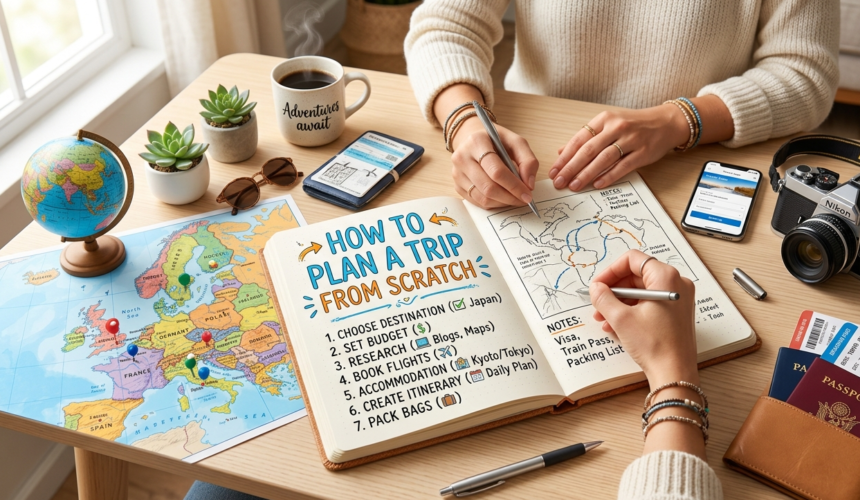
When planning a trip from scratch, the first critical step is to clearly define your purpose for traveling. Understanding the motivations behind your journey will help shape your plans and ensure a more fulfilling experience. Travelers may typically have various reasons for their trips, including relaxation, adventure, cultural exploration, or business engagements. By identifying your primary purpose, you can narrow down potential destinations that align with your interests and objectives.
For instance, if relaxation is your goal, you might consider destinations known for their pristine beaches or tranquil retreats. Alternatively, if you are seeking adventure, locations that offer outdoor activities like hiking, skiing, or scuba diving would be more suitable. Cultural trips may take you to cities rich in history and art, while business travel will necessitate destinations that facilitate your professional responsibilities.
Budget is another important aspect to consider when selecting your destination. It is wise to research potential locations and evaluate the cost of travel, accommodation, and activities. Understanding the economic aspect will allow you to choose a destination that fits within your financial plan, while still providing the experiences you desire. A thorough exploration of both high-end and budget-friendly options can yield exciting possibilities for your trip.
Finally, consider your personal interests and any recommendations from friends or family. Engaging with their experiences may introduce you to new places that you may not have considered initially. Ultimately, the combination of your purpose, budget, and cultural interests will guide you in making an informed decision on where to travel, setting the foundation for a successful trip planning process.
Setting a Budget for Your Trip
When embarking on the journey of planning a trip from scratch, establishing a solid budget is an essential first step. A well-defined budget not only helps manage expenses but also ensures a smoother travel experience. To begin, consider the major components of your trip that will incur costs.
Firstly, transportation is typically one of the largest portions of your budget. This includes flights, train fares, or driving-related costs like fuel and tolls. Researching various travel options can help you find the most economical choices. Furthermore, if your destination is accessible by budget airlines or public transport, opting for these can significantly lower your costs.
Accommodation forms another substantial part of your overall trip budget. Explore different lodging options such as hotels, hostels, or vacation rentals. Websites that offer price comparisons can aid in locating the best deals. Additionally, consider the length of stay; staying in one location for longer might enable you to negotiate better rates.
Food is another critical aspect to factor in. Decide whether you will dine out for every meal or if you’ll be cooking during your trip. Exploring local dining options, including street food or budget-friendly restaurants, can enhance your experience while saving you money.
Activities and attractions should also be included in your financial plan. Entry fees, guided tours, and special experiences can add up quickly. Researching free attractions or discounts can provide alternatives that align better with your budget.
Finally, it is prudent to set aside a buffer for unexpected expenses, such as medical emergencies or changes in plans. By following these steps and implementing money-saving strategies, you can commit to a realistic budget that enhances your travel experience without causing financial strain.
Research Your Destination
Thoroughly researching your chosen destination is crucial for enhancing your overall travel experience. The first step is to find reliable travel resources. Utilize reputable websites, travel blogs, and official tourism boards to gather essential information. Websites such as TripAdvisor and Lonely Planet can provide insightful reviews and practical tips from fellow travelers. Additionally, make use of social media platforms like Instagram and Facebook to discover real-time experiences from visitors, which can also help you identify trends and popular spots.
Understanding the local culture is another vital component of your research. Each destination has its own cultural nuances, traditions, and social norms that can significantly affect your travel experience. Familiarizing yourself with the local customs, food, and etiquette can facilitate smoother interactions with locals and enhance your appreciation of their way of life. You may also consider reading books or watching documentaries that focus on the culture of your chosen destination, offering you a deeper understanding of its history and societal dynamics.
Additionally, it is important to investigate the climate during your planned travel dates. Knowing what weather to expect can greatly influence your packing choices and activities. For example, if you are heading to a tropical location, prepare for heat and humidity, while destinations in colder regions may require winter apparel. Websites like Weather.com or climate data sections from tourism sites can provide valuable weather forecasts and historical averages.
Lastly, compile a list of must-see attractions alongside hidden gems. While tourist hotspots are popular for a reason, often the lesser-known sites provide a more authentic experience. Consult online travel forums and local blogs to uncover these hidden treasures. Engaging with locals for recommendations can also guide you to experiences that might not be featured in guidebooks, creating a more memorable trip.
Create a Travel Itinerary
Creating a travel itinerary is a fundamental aspect of trip planning, serving as a comprehensive guide that outlines daily activities, transportation arrangements, dining options, and relaxation periods. A well-structured itinerary not only helps in managing time effectively but also enhances the travel experience by ensuring that important sites and experiences are not overlooked. To begin, one should establish a framework that outlines the dates of travel, key destinations, and primary activities. This initial step provides a clear perspective on how to allocate time across various engagements.
When organizing day-to-day activities, consider the travel time required between locations. Utilizing mapping tools and travel applications can assist in determining realistic timeframes for each journey. It is advisable to group attractions that are geographically close to minimize travel time and maximize sightseeing opportunities. Additionally, prioritize activities based on personal interests, availability, and opening hours. This method allows for a more fluid and enjoyable experience, reducing the chance of disappointment due to missed opportunities.
Incorporating dining options is essential, as meals provide a perfect opportunity to refresh and reflect on the day’s activities. Researching local restaurants and cafes in advance can enhance the itinerary, ensuring that unique culinary experiences are included. However, flexibility should also be built into the schedule, allowing travelers to make spontaneous decisions based on sudden recommendations or changes in preferences.
Furthermore, allocating time for relaxation is vital to avoid travel fatigue. Designating breaks or downtime can lead to a more enjoyable travel experience, giving one the chance to recharge before embarking on the next adventure. Balancing a structured itinerary with flexibility and rest ensures that travelers can navigate their trip smoothly while fully experiencing and enjoying their chosen destinations.
Booking Transportation and Accommodation
When planning a trip from scratch, securing reliable transportation and suitable accommodation is crucial. These two components significantly influence the overall experience, so it is essential to make informed decisions. The first step in this process involves choosing the right mode of transport, which can range from air travel to train rides, car rentals, or public transportation. Each option carries its own set of advantages and disadvantages. For example, flying can save considerable time on long-distance journeys, while driving might offer greater flexibility and the opportunity to explore hidden gems along the way.
Next, it’s important to consider accommodation styles. Options range from hotels and motels to vacation rentals, hostels, and even camping. Hotels often provide convenient amenities but can be expensive, especially in popular tourist destinations. Conversely, vacation rentals can be more economical and provide a local living experience, allowing travelers to immerse themselves in their surroundings. Hostels offer budget-friendly accommodation options, which can be conducive to social interactions with fellow travelers.
Finding the best deals on transportation and accommodation requires a bit of research. Start by comparing prices on various travel websites and platforms to identify the most competitive rates. Booking accommodation in advance can yield significant savings, especially during peak travel seasons. Another useful strategy is to sign up for alerts or newsletters from airlines and accommodation providers, as these often contain promotional offers or last-minute deals.
Additionally, utilize technology to streamline the planning process. There are numerous apps and websites designed to assist travelers in comparing options and finding the best prices. For transportation, consider leveraging tools that aggregate reviews and ratings to gauge the reliability of operators. Ultimately, making thoughtful decisions regarding transportation and accommodation can enhance the overall quality of the travel experience, ensuring that it aligns with your preferences and budget.
Prepare Necessary Documentation
When embarking on a journey, having the right documentation is paramount to ensure a smooth travel experience. Essential documents include passports, visas, travel insurance, and vaccination records, among others. Begin by checking the validity of your passport since many countries require it to be valid for at least six months beyond your planned return date. If your passport is nearing expiration, be sure to renew it promptly.
Visas are another critical aspect of international travel planning. Depending on your destination, you may require a visa to enter a country. Research the visa requirements well in advance, as processing times can vary significantly. Visit the consulate or embassy website of the country you plan to visit to understand the specific documents needed for visa application, as well as any fees involved.
Travel insurance is also highly recommended to safeguard against unexpected events such as trip cancellations, medical emergencies, or lost baggage. Evaluate different travel insurance policies, taking note of the coverage provided, limits, and exclusions. It is advisable to choose a plan that aligns with your needs and offers comprehensive coverage for your activities while traveling.
In addition to these primary documents, ensure you maintain vaccination records especially in light of recent global health issues. Some countries may require proof of vaccinations, including for diseases like Yellow Fever or COVID-19. Carrying digital copies of your vaccination records can also be useful.
Lastly, keeping your documents safe is essential. Utilize a travel wallet to organize your important papers and carry both physical and digital copies. Store them securely in a designated area of your luggage and consider using cloud storage for quick access in case of loss. Being well-prepared with the necessary documentation can alleviate stress and enhance your travel experience.
Packing Essentials for Your Trip
Packing for a trip can often feel overwhelming, especially when aiming for efficiency and versatility. To avoid the common pitfall of overpacking, it’s essential to start with a well-structured list tailored to your destination and planned activities. Begin by considering the climate and cultural norms of your destination, as this will influence your choice of clothing and other essentials.
For example, if traveling to a tropical location, lightweight and breathable fabrics are recommended, whereas colder destinations may necessitate thermal layers. Additionally, it is wise to pack versatile clothing items that can be mixed and matched to create multiple outfits. This strategy not only conserves space in your luggage but also lightens your load.
When it comes to essential items, think about the nature of your activities. If embarking on an outdoor adventure, sturdy footwear and weather-resistant gear should be prioritized. For urban exploration, comfortable walking shoes and a compact daypack will be invaluable. Always include a basic first-aid kit, toiletries, and any necessary medications to ensure you are prepared for various situations.
To efficiently organize your luggage, consider using packing cubes or compression bags. These tools help streamline your packing process, making it easier to find items and maximizing space. Additionally, rolling clothes instead of folding them can minimize wrinkles and save room. For longer trips, planning for laundry options might allow you to pack fewer outfits.
In summary, packing effectively is about strategy and selection. By choosing versatile clothing, prioritizing essential items based on your destination, and organizing your luggage with practical solutions, you can make your packing process smoother and more efficient. This approach not only enhances your travel experience but also ensures you have everything you need at your fingertips.
Stay Healthy and Safe While Traveling
Your health and safety during a trip are paramount to having a successful and enjoyable travel experience. Ensuring that you remain healthy while traveling involves being well-prepared and aware of potential health risks. Before embarking on your journey, make sure to consult with a healthcare professional regarding any vaccinations or medications you might need based on your destination. Certain regions may have outbreaks of diseases that require preventive measures, so staying informed is crucial.
When it comes to staying healthy on the road, maintaining proper hygiene practices can help prevent common travel-related illnesses. Always wash your hands regularly with soap and water or use hand sanitizer when soap is unavailable. Additionally, avoid consuming food or water from sources that may not be safe, as foodborne illnesses can quickly derail your trip. Being cautious about street food or open markets is advisable, especially in countries with different food safety regulations.
Safety tips vary greatly depending on your destination. Before traveling, research the specific safety concerns related to the area you’ll be visiting. This may include understanding local laws, potential health risks, and emergency contacts. For instance, carrying a local SIM card for your phone can be beneficial for accessing emergency services or navigating through the city. It is also wise to keep a copy of your important documents, such as your passport and travel insurance, in a secure but accessible location.
In case of a medical emergency, familiarize yourself with local healthcare facilities. Know where the nearest hospital or clinic is located and ensure you have the necessary travel insurance that covers health-related incidents. By proactively planning for these situations, you can navigate health and safety concerns with confidence and focus on enjoying your adventure.
Enjoy Your Trip and Share Your Experience
Having meticulously planned your trip, the final step is to immerse yourself in the journey and create lasting memories. Enjoying your trip goes beyond following an itinerary; it requires embracing spontaneity and engaging with the local culture. Allow yourself the freedom to explore hidden gems and unexpected sights, which can often lead to the most authentic experiences. Connecting with locals can offer insights and perspectives that enrich your understanding of the destination and elevate your travel experience.
As you travel, consider discovering local traditions, trying regional cuisine, and participating in community activities. This engagement not only enhances your enjoyment but also fosters a sense of connection with the places you visit. Being open to new experiences can lead to delightful surprises and rich interactions, each contributing uniquely to your journey’s narrative.
Furthermore, documenting your experiences is essential for preserving the memories of your trip. This can be accomplished through various methods such as journaling, photography, or blogging. By writing about your adventures, you reflect on your experiences and create a keepsake to look back on in the future. Capturing moments through photos enables you to visualize your journey and share it with friends and family. Consider utilizing social media platforms to showcase your travel experiences. Sharing your insights can inspire others to embark on their own adventures and encourage a community of like-minded travelers.
In conclusion, enjoy every moment of your trip while capturing the essence of your travels. By immersing yourself in the experience and sharing it with others, you not only create unforgettable memories for yourself but also contribute to the global narrative of travel and exploration.