
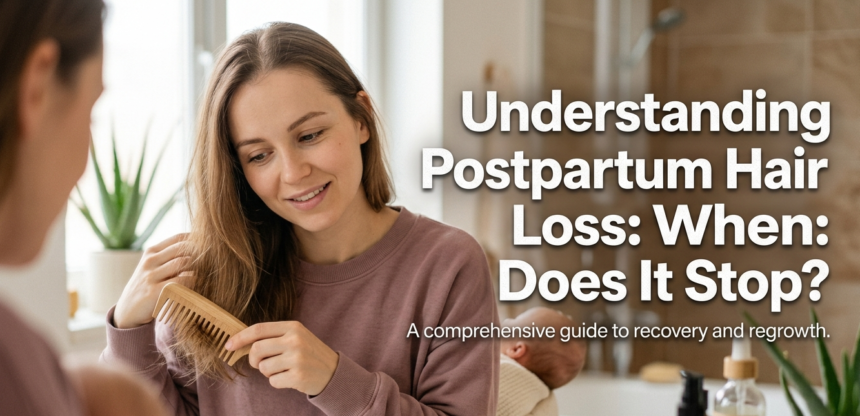
Understanding Postpartum Hair Loss: When Does It Stop?

admin
By admin
19 Min Read

Introduction to Postpartum Hair Loss

Postpartum hair loss, medically referred to as telogen effluvium, is a common condition that affects many women in the months following childbirth. This phenomenon is primarily attributed to hormonal fluctuations that occur after delivery, particularly the rapid decline in estrogen levels. During pregnancy, elevated estrogen levels result in prolonged hair growth, leading to thicker and fuller hair. However, once the baby is born, the body gradually returns to its pre-pregnancy hormonal state, triggering a significant number of hair follicles to enter the shedding phase of their growth cycle.

The emotional impact of postpartum hair loss can be profound for new mothers. Many women experience a sense of shock and distress upon noticing increased hair shedding, which can contribute to feelings of self-consciousness and anxiety about their appearance. The psychological implications are further magnified by the myriad challenges of new motherhood, including sleep deprivation and adjusting to the demands of caring for an infant. For some, this hair loss may exacerbate feelings of inadequacy and body image issues during a time when they are already feeling vulnerable.

Understanding postpartum hair loss and its underlying causes is crucial for new mothers as they navigate this natural yet often disconcerting phase of motherhood. While it is typically a temporary condition, knowing the factors that influence hair loss and the timeline for regrowth can help alleviate concerns and offer reassurance. This section serves as an introduction to the phases of hair loss that follow childbirth, highlighting the physical and emotional journeys many women experience during this transitional period.

The Science Behind Postpartum Hair Loss

Postpartum hair loss is a common experience for many women following childbirth, primarily influenced by shifting hormonal levels. Understanding the underlying mechanisms of this condition requires a closer examination of the hormonal changes that occur during and after pregnancy.

During pregnancy, levels of estrogen and progesterone increase significantly. These hormones contribute to an extended anagen phase in the hair growth cycle, promoting thicker and fuller hair. The normal hair growth cycle consists of three phases: anagen (growth), catagen (transitional), and telogen (resting). In a typical cycle, approximately 85-90% of hair follicles are in the anagen phase, while the remainder are in telogen.

In contrast, postpartum, there is a dramatic decline in these hormone levels, particularly estrogen. This hormonal shift results in a large number of hair follicles transitioning to the telogen phase simultaneously. Consequently, women may experience noticeable shedding of hair, often referred to as “telogen effluvium.” This phenomenon may start around three to six months after delivery and can last several months as the body gradually returns to its pre-pregnancy hormonal state.

Additionally, factors such as stress, inadequate nutrition, and lack of sleep postpartum may exacerbate hair loss. Although distressing for new mothers, it is crucial to recognize that postpartum hair loss typically resolves itself within a six to twelve-month period. Awareness of the hormonal dynamics at play and the normal hair growth cycle can help alleviate concerns for those experiencing this condition.

Typical Timeline of Postpartum Hair Loss

Postpartum hair loss, often referred to as telogen effluvium, is a common experience among new mothers. Typically, this condition arises approximately three to four months after childbirth. During pregnancy, hormonal changes lead to hair becoming thicker and healthier, as many strands remain in the growth phase. However, once delivery occurs, the abrupt shift in hormone levels can trigger hair follicles to enter the resting phase, leading to an increase in hair shedding.

Generally, postpartum hair loss begins around the three to four-month mark post-delivery, with many women noticing significant shedding during this time. The hair loss typically reaches its peak between the four to six-month range following childbirth. While this may be concerning for new mothers, it is essential to recognize that this phase is entirely normal and often resolves on its own.

For most individuals, the experience of postpartum hair loss lasts approximately six months to a year. Some women may find that their hair resumes its normal growth after this period, while others may continue to experience changes for a slightly longer duration. It is important to note that variations exist; some women may notice a quicker recovery, while others could still face challenges beyond the one-year mark.

Understanding the typical timeline of postpartum hair loss can alleviate concerns for new mothers. Although the experience is often temporary, maintaining a healthy diet and consulting with healthcare professionals can support hair growth and overall well-being during this transformative period.

Factors Influencing the Duration of Hair Loss

Postpartum hair loss, often experienced by new mothers, can vary significantly in duration due to a multitude of factors. Understanding these elements can help provide insight into the condition and its management. One primary factor influencing the length of time a woman may experience hair loss following childbirth is her genetics. Women with a family history of hair thinning or loss may find that their own experience aligns similarly, which showcases the hereditary nature of certain hair conditions.

Nutrition also plays a vital role in the regrowth of hair post-delivery. Adequate intake of essential vitamins and minerals is crucial for optimal hair health. A diet lacking in iron, vitamin D, and biotin, for instance, could exacerbate hair loss or impede recovery. Hence, maintaining a balanced diet rich in nutrients is paramount for new mothers to foster hair regrowth and overall wellness.

Underlying health issues can further complicate postpartum hair loss. Conditions such as thyroid disorders, anemia, or hormonal imbalances can prolong the loss and delay recovery. It is advisable for mothers to monitor any existing health conditions and consult healthcare providers for appropriate management strategies. Additionally, stress levels significantly impact hair health. The emotional and physical stress of adjusting to motherhood can lead to increased hair loss; lower stress levels through adequate support systems, rest, and self-care practices can potentially mitigate this effect.

Each of these factors—genetics, nutrition, health issues, and stress—intertwines to create a unique landscape for postpartum hair loss duration. Recognizing and addressing these influences can help new mothers gain control over their experience and promote healthier hair restoration.

Signs of Abnormal Hair Loss

While postpartum hair loss is a common experience for many women, some signs may indicate a condition that requires medical attention. It is essential to monitor the nature and extent of hair loss during this period to distinguish between regular postpartum shedding and symptoms of more serious conditions. Abnormal hair loss can manifest in various ways, and recognizing these signs can be crucial for timely intervention.

One significant indicator is the pattern of hair loss. If hair is falling out in patchy areas or concentrated regions, this may suggest a condition such as alopecia areata, an autoimmune disorder that causes hair to fall out in round patches. Unlike typical postpartum shedding, which generally results in diffuse thinning across the scalp, alopecia areata often exhibits clearly defined areas of hair loss.

Moreover, if the hair texture changes significantly, becoming brittle or resembling fine, wispy strands, this might also indicate an underlying health issue. Healthy hair should maintain its density and strength, and fluctuations in these attributes could suggest nutritional deficiencies or hormonal imbalances that warrant further examination.

Additionally, extreme hair loss accompanied by other symptoms such as rapid weight changes, changes in mood, or skin issues may point towards stress-related conditions or thyroid dysfunction. These accompanying symptoms should not be overlooked, as they can provide valuable context regarding the overall health of the individual.

Lastly, if the hair loss persists beyond the typical postpartum period, which is usually around six months after giving birth, it is prudent to seek professional guidance. Consulting a healthcare provider or a dermatologist can help determine the underlying cause of hair loss and facilitate appropriate treatment options. Recognizing these abnormal signs early on can lead to more effective management of any potential issues.

Tips for Managing Postpartum Hair Loss

Postpartum hair loss can be a distressing experience for new mothers, as hormonal fluctuations coupled with the rigors of new parenthood may adversely affect their hair health. However, there are several effective strategies to manage this temporary phase. First and foremost, establishing a gentle hair care routine is crucial. It is advisable to opt for mild shampoos and conditioners that are free from harsh chemicals, thereby minimizing further damage to the hair follicles.

Incorporating products that promote hair growth and strength can also be beneficial. Look for shampoos enriched with biotin, keratin, and botanical extracts, as these ingredients can nourish the scalp and support healthy hair. Additionally, consider using a leave-in conditioner or a hair serum that includes essential oils, such as rosemary or peppermint, known to stimulate blood circulation to the scalp, potentially encouraging hair regrowth.

Moreover, lifestyle adjustments, such as maintaining a balanced diet rich in vitamins and minerals, play a significant role in managing postpartum hair loss. Nutrients like iron, zinc, and omega-3 fatty acids are vital for hair health. Consuming a diet that includes leafy greens, nuts, fatty fish, and eggs can provide the necessary nourishment your body needs during this time. Staying well-hydrated is equally important, as sufficient water intake can support overall body function, including hair health.

Lastly, while it is tempting to experiment with various hairstyles during this transition, opting for loose, protective styles can help minimize stress on the hair strands. Reducing heat styling and opting for air drying can further help maintain hair integrity as it goes through the natural shed and regrowth cycle in the postpartum period.

When to Seek Professional Help

Postpartum hair loss is a common experience for new mothers; however, there are certain circumstances under which it is advisable to seek professional help. Recognizing the signs that your hair loss may exceed the typical range is essential for addressing potential underlying issues. If you notice that your hair loss persists beyond the initial postpartum months, it may warrant a consultation with a healthcare provider or a dermatologist.

One condition that should not be overlooked is when hair thinning occurs in patches rather than uniformly. This could indicate conditions such as alopecia areata, which is an autoimmune disorder that may require specialized treatment. Additionally, if the hair loss is accompanied by other symptoms such as skin rashes, severe scalp itching, or changes in the texture and health of your hair, these are signals that should prompt an evaluation by a professional.

Another critical aspect to consider is the emotional impact of postpartum hair loss. If the hair shedding leads to significant distress or anxiety, consulting with a mental health professional could be beneficial in conjunction with physical evaluations. Addressing the emotional toll is just as important as treating the physical symptoms.

A healthcare provider can also help determine if nutritional deficiencies, hormonal imbalances, or other medical conditions are contributing factors to your hair loss. Common deficiencies that may affect hair health include iron, vitamin D, and biotin levels. Adopting a proactive approach by seeking advice early on can aid in effectively managing the situation, promoting hair regrowth while ensuring overall well-being.

Engaging with a healthcare professional will provide clarity on the best management strategies tailored to the individual’s unique circumstances, making it a prudent step for new mothers experiencing prolonged or concerning hair loss.

Emotional Impact of Hair Loss on New Mothers

Postpartum hair loss is a widely experienced phenomenon that can have profound emotional effects on new mothers. The physical changes that accompany childbirth are often met with a mix of joy and anxiety, and when hair loss becomes a part of this experience, it can exacerbate feelings of vulnerability. Many mothers report a dip in their self-esteem and confidence as they grapple with the visible alterations in their appearance.

The hormonal shifts associated with pregnancy and childbirth are primarily responsible for this hair loss, and while it is a natural occurrence, the emotional toll can be significant. New mothers may feel that their hair is an integral part of their identity, and losing it can make them feel less attractive and more self-conscious. Anecdotal evidence often reveals stories of mothers who shared feelings of isolation as they navigated this secret struggle, fearing that speaking about it might be perceived as trivial compared to the challenges of new motherhood.

Experts in maternal mental health point out that addressing hair loss openly can be crucial for coping. Some mothers find solace in forming support groups, where they can share not just their experiences, but also effective coping strategies. By alleviating the stigma around discussing postpartum hair loss, these groups encourage a community atmosphere, fostering emotional resilience. Suggestions from professionals may include seeking therapy, practicing self-care, and focusing on the overall joy of motherhood rather than solely on physical aspects.

Ultimately, acknowledging and discussing the emotional impact of postpartum hair loss is vital. It can empower mothers to seek the support they need and remind them that they are not alone in this experience. The journey of new motherhood is filled with profound changes, and understanding these emotional aspects can contribute to a more positive and resilient transition into parenthood.

Conclusion and Encouragement

Postpartum hair loss is a phenomenon that many new mothers experience, often leading to feelings of anxiety and concern. Understanding the causes, which range from hormonal shifts to nutritional deficiencies, can provide clarity and help normalize this experience. It is crucial to recognize that postpartum hair loss is typically temporary. Most women will notice a gradual return to their normal hair density within six to twelve months after giving birth.

Moreover, support systems such as family, friends, and health professionals can significantly ease the emotional burden associated with this common condition. Engaging in conversations with fellow mothers who share similar experiences can foster a sense of community and reduce feelings of isolation. Additionally, employing effective self-care strategies—notably, a balanced diet rich in vitamins and minerals—can promote healthy hair growth during recovery.

It is important to view postpartum hair loss as a natural process linked to the bodily changes that occur during and after pregnancy. Although it may feel overwhelming at times, it is essential to give oneself grace and recognize that your body is adjusting and healing. If questions or concerns arise regarding the extent of hair loss or if it persists longer than expected, seeking advice from healthcare professionals is advisable. They can provide personalized recommendations tailored to individual needs.

In conclusion, while postpartum hair loss can be disheartening, it is a common challenge that many mothers face. Understanding that it does not last forever and that resources and support are available can empower women to navigate this transition with confidence and resilience. Remember, you are not alone in this journey, and brighter days are ahead for both you and your hair.

TAGGED:
Share This Article
Leave a comment

Leave a Reply

Your email address will not be published. Required fields are marked *