

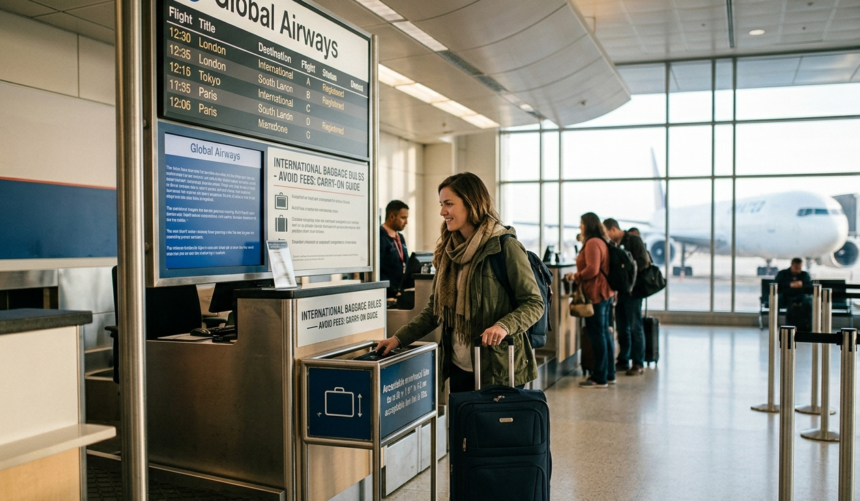
How to Avoid Baggage Fees on International Flights

admin
By admin
19 Min Read

Introduction to Baggage Fees

Baggage fees are charges imposed by airlines for passengers checking in luggage beyond a certain limit or for exceeding specific weight thresholds. They often arise from the need to manage operational costs and ensure that flights remain economically viable. These fees can vary significantly not only between international and domestic flights but also among different airlines.

On international flights, baggage fees tend to be more complex due to a multitude of factors, including the origin and destination countries, the nature of the airline’s operating model, and the type of ticket purchased. For instance, low-cost carriers may charge for all checked baggage, whereas traditional carriers might include a certain allowance in their fares. Understanding these discrepancies can help travelers navigate their airline’s policies effectively and avoid unexpected charges.

Aside from the financial implications, awareness of baggage fees can directly enhance the travel experience. Encountering these fees unexpectedly can be frustrating, leading to additional stress before the travel journey even begins. By being informed and planning accordingly, travelers can make educated decisions about how much luggage they bring along. This knowledge provides leverage to either pack efficiently or seek alternative transportation solutions to mitigate costs, ultimately enhancing the overall travel experience.

Therefore, it is advisable for travelers to familiarize themselves with the baggage policies of the airline they are using, ensuring they are aware of any potential charges associated with their luggage. With careful planning and a solid understanding of baggage fees, passengers can significantly reduce the likelihood of incurring these additional expenses on their international travels.

Understanding airline baggage policies is essential for travelers looking to avoid unexpected fees during their international flights. Different airlines have distinct rules regarding baggage allowances, which can include complimentary bags, weight limits, and size restrictions. Therefore, it is vital to thoroughly research each airline’s regulations prior to your journey.

Most airlines provide clear guidelines on their official websites, typically found in the sections dedicated to luggage policies. These guidelines often outline the quantity of free bags allowed and the weight limits for both carry-on and checked baggage. For example, while some airlines might permit one free checked bag weighing up to 23 kg (50 lbs), others may have stricter rules or charge fees for any checked baggage at all.

Furthermore, international flights may have unique regulations that differ from domestic policies. It is crucial to pay attention to whether your flight is classified as international since this can directly impact your baggage limits. Travelers should also take note of specific allowances that may apply to particular destinations due to local customs and regulations.

Size restrictions are another critical aspect of airline policies. Each airline has its own maximum dimensions for both carry-on bags and checked luggage. Exceeding these limits can result in additional charges, which can strain your travel budget. To avoid such issues, it is wise to measure your luggage and ensure it adheres to the specified dimensions, particularly for carry-on items that need to fit in overhead compartments or under the seat.

In conclusion, taking the time to understand and research airline baggage policies can save travelers from unnecessary expenses. By being aware of the free baggage allowances, size and weight restrictions, and other specific regulations, you can make informed decisions about your packing strategy and travel more efficiently.

When planning international travel, one of the important considerations is the selection of an airline that aligns with your baggage needs. Not all airlines have the same baggage policies, and understanding these differences can help travelers avoid incurring additional fees for excess baggage. Some carriers are known for their favorable baggage allowances, which can significantly reduce overall travel expenses.

For instance, many major international airlines offer complimentary checked baggage on their long-haul flights. Carriers such as Emirates, Air France, and British Airways generally include at least one checked bag in their standard fare, thereby presenting a cost-effective option for travelers who plan to pack more extensively. Additionally, low-cost carriers, while often appealing due to lower ticket prices, frequently impose strict weight limits and additional fees for checked luggage, which can lead to unexpectedly high expenses.

To make an informed decision, it is prudent to compare the baggage policies of various airlines during the booking process. Most airline websites provide detailed information about luggage allowances and associated fees. It is advisable to examine these policies closely, particularly regarding weight limits, the number of permitted bags, and costs associated with exceeding those limits. Tools such as flight comparison websites can help streamline this process, allowing travelers to easily discern which airlines offer the best baggage provisions.

Furthermore, frequent flyers or members of loyalty programs may benefit from enhanced baggage allowances. Many airlines reward their regular customers with additional baggage benefits, which can further mitigate costs. Overall, making the right choice in airline selection not only enhances the travel experience but also plays a significant role in avoiding baggage fees on international flights.

Pack Smart and Efficiently

Packing smartly is a crucial strategy when it comes to avoiding baggage fees on international flights. By making strategic decisions about what to bring, travelers can ensure they can fit all necessary items into their carry-on luggage. A great starting point is to choose lightweight luggage. Opting for a carry-on that adheres to airline regulations not only conserves weight but also saves space. Many airlines specify the dimensions and weight limits for carry-on bags, so it is wise to check these parameters before you start packing.

When it comes to the items packed, essentials should take precedence. Begin by selecting versatile clothing that can be layered and mixed and matched, reducing the total number of outfits required. Neutral colors generally work best, as they can easily be combined to create different looks. Additionally, consider the climate of your destination and select weather-appropriate garments that also allow for flexibility; lightweight jackets can often replace bulkier alternatives without sacrificing warmth.

To enhance the efficiency of your packing, utilizing packing cubes can increase organization and help maximize space. These containers allow travelers to compartmentalize items, which not only keeps your bag orderly but also enables you to pack tighter, leaving more room for necessities. Rolling clothes instead of folding them is another effective technique for maximizing space while minimizing wrinkles.

Furthermore, be mindful of personal item allowances, as many airlines permit a small backpack or purse in addition to a carry-on. By filling this personal item with necessities such as travel documents, electronics, or a change of clothes, you can further minimize the number of items in your carry-on. Ultimately, smart packing is an effective way to avoid baggage fees, ensuring a more economical international travel experience.

Benefits of Carry-On Luggage

Traveling with only carry-on luggage offers numerous advantages that can significantly improve the overall travel experience. Firstly, it eliminates the risk of lost baggage, a common concern for travelers on international flights. When you keep all your essential items within reach, you not only have peace of mind, but you also avoid the inconvenience of dealing with potential delays in retrieving checked bags at your destination. Moreover, having your belongings readily accessible allows for a more efficient transition through customs and immigration.

Another major benefit of carry-on luggage is the time savings. By bypassing check-in lines and not having to wait at baggage claim, you can dedicate more time to exploring your destination or preparing for your impending commitments. Additionally, many airlines have streamlined the boarding process for passengers with only carry-on bags, often allowing these travelers to board first, which can be a significant advantage on busy flights.

When selecting carry-on luggage, it is crucial to adhere to airline requirements. Most airlines specify dimensions for carry-on bags, typically around 22 x 14 x 9 inches, including wheels and handles. Choosing a bag that not only fits within these measurements but also maximizes internal space is essential. Look for options with multiple compartments for organization, durable materials for longevity, and lightweight designs. Additionally, consider versatile bags, such as backpacks or rolling suitcases, that can accommodate different types of trips and personal preferences.

By embracing carry-on luggage, travelers can enjoy the convenience and ease it provides while reducing the likelihood of incurring additional fees associated with checked baggage. Efficient packing and adherence to guidelines will ensure a pleasant travel experience without the worry of excess charges.

Utilizing Loyalty Programs and Credit Cards

Frequent travelers can significantly benefit from loyalty programs and travel credit cards that offer perks such as additional baggage allowance. Most major airlines have frequent flyer programs that reward members with points for every mile flown. Accumulating these points not only allows travelers to redeem free flights but often provides extra baggage benefits. For instance, elite status members may enjoy complimentary checked bags, which can lead to substantial savings on international flights where baggage fees can be quite high.

Moreover, certain credit cards affiliated with airlines also provide similar baggage perks. Many travel credit cards offer cardholders benefits such as free checked baggage, priority boarding, and even access to exclusive lounges. It is essential for travelers to choose credit cards that align with their travel habits and the airlines they frequently fly. Some cards provide additional benefits, such as bonus miles for signing up, which can further enhance the overall travel experience.

To maximize these advantages, travelers should consider enrolling in loyalty programs early and maintaining their status through regular flights. Even for infrequent travelers, obtaining a travel credit card can be advantageous, providing access to one or two free checked bags and other travel-related bonuses. Furthermore, travelers should regularly check their loyalty account for updates on promotions that may offer increased baggage allowances during specific times of the year. By strategically utilizing both loyalty programs and credit cards, travelers can effectively avoid excessive baggage fees while enjoying additional travel benefits.

Shipping Luggage Ahead of Time

Traveling internationally often entails the challenge of managing luggage while avoiding hefty baggage fees imposed by airlines. One effective strategy to circumvent these costs is to consider shipping your luggage ahead of time. By opting for luggage shipping services, travelers can bypass the restrictions and charges that accompany traditional airline baggage policies.

Shipping luggage is not only a practical solution but also a convenient one. Companies specializing in this service allow you to send your bags directly to your destination, whether it be a hotel or another address, thus eliminating the stress of airport check-ins and potential weight limits. This method also offers a seamless travel experience as you can enjoy your journey without the burden of dragging heavy bags through terminals.

Furthermore, using a luggage shipping service tends to be cost-effective, especially for those who may be planning an extended stay. Many shipping providers offer flat rates based on size and distance, which can often be less expensive than paying for additional checked bags with airlines. Additionally, various services may include door-to-door delivery, ensuring your belongings arrive at your desired location safely and on time.

It is essential, however, to plan ahead when choosing to ship luggage. Booking a shipping service a few days in advance is advisable, as it allows adequate time for your bags to arrive before your departure or check-in date. Moreover, always check the insurance options provided by the shipping company to protect your items in transit.

In summary, shipping luggage ahead of time offers a practical alternative to flying with heavy bags on international flights. Not only does it help avoid baggage fees, but it also provides a more relaxed travel experience, allowing you to focus more on your journey rather than the logistics of lugging bags around.

Know Your Rights as a Passenger

When traveling internationally, it is essential to understand the rights you hold as a passenger, particularly concerning baggage fees and handling. Airlines are bound by various regulations and policies that protect travelers, and being informed about these rights can significantly aid in avoiding unexpected costs and addressing any disputes that may arise.

First and foremost, familiarize yourself with the baggage policies of the airline you plan to fly with. Each airline typically offers a detailed breakdown of their baggage fees for checked and carry-on luggage, which can usually be found on their official website. Additionally, the International Air Transport Association (IATA) provides guidelines on baggage allowances, which can vary significantly depending on the airline and the specific route.

Moreover, understanding your rights regarding delayed or lost luggage can save you from incurred expenses. If your baggage does not arrive on time, under international conventions such as the Montreal Convention, you may be entitled to compensation for reasonable expenses incurred due to the delay. It’s important to keep all receipts and records of your travel itinerary, as these can support your claims for compensation.

In the event of a dispute regarding baggage fees, passengers are advised to document any communications with the airline. This includes taking notes of conversations, keeping copies of emails, and taking photographic evidence of any issues related to your baggage. If necessary, you can escalate your concerns to higher authorities within the airline or to aviation regulatory bodies. Understanding the proper channels for addressing complaints can assist in reaching a satisfactory resolution.

Being aware of your rights is a critical step in navigating international travel. By knowing the applicable baggage policies and how to address potential disputes, travelers can minimize the chances of unexpected baggage fees and ensure a smoother travel experience.

Conclusion and Final Tips

Traveling internationally often comes with various expenses, and baggage fees can significantly add to the overall cost of your trip. To avoid these unnecessary charges, it is essential to be proactive and informed about your airline’s policies on luggage. Throughout this guide, we have discussed several strategies to minimize or eliminate these fees, ensuring that your travel experience remains enjoyable and budget-friendly.

First and foremost, understanding your airline’s baggage policy is crucial. Each airline has different regulations regarding carry-on and checked baggage allowances. By familiarizing yourself with these rules, you can pack more efficiently and avoid any surprise charges at the airport.

Additionally, consider weighing your luggage before heading to the terminal. Having the proper weight not only helps in complying with restrictions but also allows you to make adjustments if necessary. Another valuable tip is to invest in lightweight luggage. By selecting bags that are both durable and light, you can maximize your packing capabilities without exceeding weight limits.

Moreover, take advantage of airline loyalty programs and credit cards that offer travel rewards. Many of these programs provide complimentary checked bags as a part of their perks, particularly for frequent flyers. This can eliminate baggage fees altogether, especially if you travel regularly with the same airline.

Lastly, remember to consider traveling during off-peak times or choosing budget airlines that often include baggage allowances in the base fare. By employing these strategies, you can navigate your international travels more affordably. We encourage you to implement these tips and enjoy a hassle-free travel experience, free from the burden of excessive baggage fees.

TAGGED:
Share This Article
Leave a comment

Leave a Reply

Your email address will not be published. Required fields are marked *