

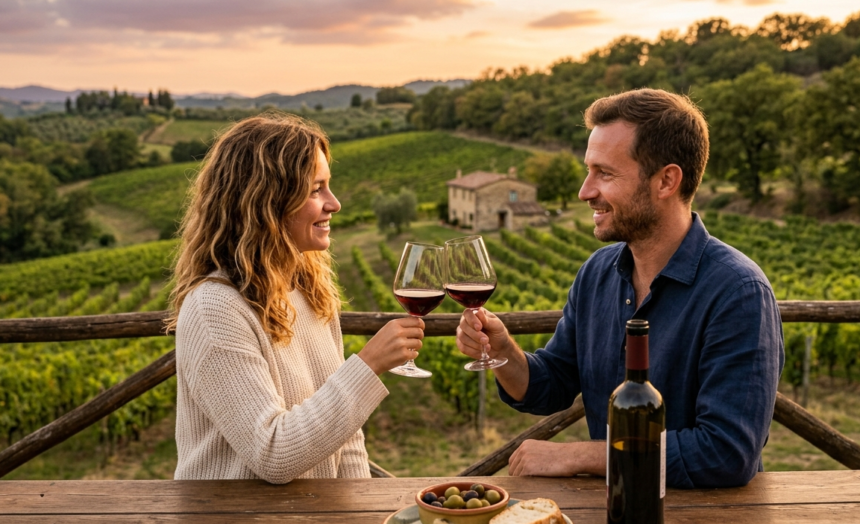
Introduction to Wine Tourism
Wine tourism, also known as enotourism, has seen a remarkable surge in popularity in recent years. This form of travel allows enthusiasts and casual drinkers alike to explore the rich landscapes and cultural heritage of some of the world’s finest wine regions. As travelers increasingly seek unique experiences, wine tourism offers an exceptional opportunity to connect not only with exquisite wines but also with local traditions, gastronomy, and the nuances of grape cultivation.
Visitors to wine-producing areas can engage in a variety of activities, making each journey a memorable adventure. Vineyard tours provide insights into the winemaking process, offering the chance to witness firsthand the meticulous care that goes into the cultivation of grapes. This intimate experience also allows tourists to appreciate the diverse terroirs that influence the flavor profiles of wines produced in different regions. Educational tastings hosted by knowledgeable vintners further enhance this experience, enabling visitors to understand the characteristics of various wine varietals.
Moreover, wine tourism creates opportunities for cultural engagement. Travelers can savor regional delicacies that pair beautifully with local wines, often enjoying meals prepared with a nod to traditional culinary practices. Many wine regions also host festivals, events, and workshops that celebrate local culture, providing tourists with deeper insights into the heritage that shapes the wine industry. From Bordeaux to Napa Valley, these regions offer abundant exploration opportunities, ensuring that travelers leave with more than just bottles of wine; they gain lifetime memories of enriching experiences.
Tuscany, Italy: The Heart of Chianti
Tuscany is often regarded as a premier wine destination, celebrated for its rolling hills and picturesque landscapes that create a stunning backdrop for vineyards. The region is particularly known for Chianti, a red wine that has become synonymous with the essence of Italian winemaking. Chianti wines are renowned for their vibrant acidity and berry flavors, making them perfect for pairing with a multitude of local dishes.
Visitors to Tuscany can explore famous wineries such as Castello di Ama and Antinori nel Chianti Classico, both of which offer immersive experiences from wine tastings to vineyard tours. Castello di Ama, located in the heart of Chianti, combines art and wine, presenting visitors with contemporary art installations amid picturesque vineyards. Antinori nel Chianti Classico provides a modern architectural marvel that harmoniously integrates with the surrounding landscapes, offering tastings of their exceptional wines accompanied by breathtaking views.
The local cuisine enriches the wine tasting experience in Tuscany. Traditional dishes such as ribollita, a hearty vegetable soup, and pici, a hand-rolled pasta often served with cacio e pepe, provide flavors that complement the robust characteristics of Chianti. Pairing a glass of Chianti with local meats or pecorino cheese elevates any meal, enhancing the overall gastronomic experience of the region.
Beyond wine and dining, Tuscany is steeped in culture and history. The charming towns of Siena and San Gimignano are just a short drive away, offering visitors the opportunity to explore medieval architecture and discover vibrant local artisans. The annual Chianti Classico Wine Festival is a highlight, where travelers can indulge in tastings and celebrate the region’s rich winemaking heritage.
Napa Valley, California: The American Wine Paradise
Napa Valley stands as a preeminent wine region in the United States, renowned for its exceptional vineyards and innovative wine production techniques. Stretching over 30 miles in Northern California, this picturesque region is celebrated not just for its wine but also for its stunning landscapes, which feature rolling hills adorned with vines, quaint towns, and luxurious accommodations.
Home to more than 400 wineries, Napa Valley produces notable varieties such as Cabernet Sauvignon, Chardonnay, and Merlot. Among the distinguished wineries, Stag’s Leap Wine Cellars gained international acclaim when its Cabernet Sauvignon won the 1976 Judgment of Paris wine competition, putting Napa on the global wine map. Other prominent wineries include Opus One, known for its collaborative production between American and French winemaking traditions, and Domaine Carneros, famed for its sparkling wines and breathtaking château-inspired architecture.
The region also hosts several wine festivals that attract visitors from around the world. The Napa Valley Wine Auction, for example, is one of the most prestigious events of its kind, showcasing rare vintages and allowing wine enthusiasts to participate in philanthropic efforts to support local causes. In addition, the Napa Valley Festival del Sole celebrates the arts and culture alongside wine, featuring a series of concerts and culinary experiences, enhancing the region’s allure.
Napa Valley seamlessly blends luxury with rustic charm, making it a sought-after travel destination. Visitors can enjoy wine tastings in idyllic settings, indulge in gourmet dining experiences, and explore boutique hotels and cozy bed-and-breakfast options. Whether one is a seasoned wine connoisseur or a casual traveler, Napa Valley offers an ambiance that caters to everyone’s desires.
Bordeaux, France: A Legacy of Fine Wines
Bordeaux, a region steeped in history, is celebrated as one of the most prestigious wine-producing areas globally. Its historical significance in the world of viticulture dates back to the Roman era, which initiated the rich tradition of winemaking that continues to flourish today. With a diverse array of grapes, Bordeaux is known for its distinctive reds, primarily composed of Merlot, Cabernet Sauvignon, and Cabernet Franc. This region’s legacy is underpinned by its formal classification system, established in 1855, which categorizes wines based on quality and reputation. The most notable estates, such as Château Lafite Rothschild and Château Margaux, epitomize the excellence that Bordeaux wines have become synonymous with.
Visitors to Bordeaux can immerse themselves in a variety of experiences that showcase the region’s rich vinous heritage. Vineyard tours offer an intimate insight into the meticulous process of winemaking, encompassing everything from grape growing to bottling. Many châteaux welcome guests to explore their vineyard landscapes, which are often beautifully maintained and picturesque. During these tours, guests can gain knowledge from enthusiastic guides who share insights into the unique terroir that influences the wine’s character.
Tastings are undoubtedly the highlight of any visit to Bordeaux. They typically take place in elegant tasting rooms overlooking scenic vineyards or in historical châteaux, providing a wonderful backdrop for sampling an array of wines. Guests have the opportunity to indulge in horizontal or vertical tastings, allowing them to compare different vintages or explore various expressions of a single vineyard. These interactive experiences create a deep appreciation for the art of winemaking and the nuances that different factors can impart to each bottle.
Wine enthusiasts globally are drawn to Bordeaux not only for its rich history and esteemed classification but also for the unforgettable experiences that await within its enchanting vineyards.
Mendoza, Argentina: The Land of Malbec
Mendoza, Argentina, stands as the country’s premier wine region, celebrated particularly for its exceptional Malbec wines. Located in the eastern foothills of the Andes Mountains, this region benefits from a unique combination of climate, altitude, and soil composition, making it particularly favorable for viticulture. The dry, sunny conditions coupled with cool temperatures at night create an ideal environment for grapes to develop their flavors, resulting in some of the finest Malbecs available.
The picturesque landscape of Mendoza, framed by the majestic Andes, offers stunning views that enhance the overall experience of wine tasting. Visitors can enjoy sipping wine while overlooking vast vineyards set against a backdrop of snow-capped mountains, lending a dramatic flair to the region’s beauty. This visual appeal is complemented by a variety of outdoor activities that are readily available, including hiking, cycling, and horseback riding through the vineyards or along the mountain trails.
Mendoza’s vibrant culture is woven intricately with its wine production, reflected in numerous local festivals, culinary experiences, and art installations centered around viticulture. The city also boasts a growing culinary scene, where traditional Argentine cuisine meets modern gastronomy, often paired beautifully with local wines. Wine enthusiasts can indulge in guided tastings, vineyard tours, and exclusive events that showcase the craftsmanship of Mendoza’s winemakers.
Moreover, the hospitality of the local community adds to the allure, as many wineries welcome guests with open arms, eager to share their passion for winemaking. This enthusiastic engagement fosters a deeper appreciation for the region’s wine culture, making Mendoza an essential stop for those exploring the world’s top wine destinations.
Douro Valley, Portugal: A Scenic Wine Adventure
The Douro Valley, located in northern Portugal, is a UNESCO World Heritage site renowned for its breathtaking landscapes and rich wine culture. Famous primarily for its production of Port wine, this region features dramatic terraced vineyards that cascade down steep hillsides, offering a stunning visual spectacle for visitors. The unique microclimate and slate soils contribute to the exceptional quality of the grapes grown here, making it a must-visit for wine enthusiasts.
One of the most enjoyable ways to explore the Douro Valley is through riverboat cruises along the Douro River. These cruises provide a unique perspective of the vineyards and the surrounding countryside, allowing travelers to appreciate the evolving scenery as they drift past charming villages and historic quintas (wine estates). Onboard, travelers can indulge in tastings of local wines, including the region’s acclaimed Ports, paired with traditional Portuguese cuisine. Additionally, some cruises offer excursions to vineyards where guests can experience firsthand the art of winemaking.
The history of wine production in the Douro Valley dates back centuries, with methods that have been refined over time. Visitors to the region can participate in tours that delve into these traditional practices, from grape harvesting to fermentation and aging. Many quintas offer guided tours, where one can learn about the labor-intensive processes that produce the exquisite Port wines the region is famous for. This immersion into the cultural and historical aspects of wine production elevates the travel experience, providing deeper insights into both the wine and the land from which it originates.
Barossa Valley, Australia: A Blend of Tradition and Innovation
Barossa Valley, renowned for its rich viticultural history and picturesque landscapes, stands out as one of Australia’s premier wine regions. This valley is synonymous with excellent Shiraz and offers visitors a unique blend of old-world charm and innovative winemaking practices. As the cradle of many renowned wineries, Barossa Valley is a destination where tradition and modernity coalesce seamlessly.
Among the prominent wineries in this region, Penfolds Grange is particularly noteworthy. This winery is legendary in its reputation, recognized for producing some of the world’s finest Shiraz blends. Visitors to Penfolds can explore its extensive cellar, participate in guided tastings, and engage with knowledgeable staff about their innovative approaches to wine aging and production. Another exceptional winery, Seppeltsfield, offers a different experience, showcasing fortified wines that date back to the 1800s, providing a glimpse into the area’s historical winemaking traditions.
The culinary options in Barossa Valley further enhance its appeal to wine enthusiasts. Many local restaurants emphasize farm-to-table cuisine and offer exquisite food pairings that complement the region’s wines. For example, a hearty lamb dish can perfectly pair with a full-bodied Shiraz, while lighter fare, such as roasted vegetables, harmonizes well with a crisp Riesling. The emphasis on local produce not only enriches the dining experience but ties visitors further into the cultural tapestry of the area.
Moreover, Barossa Valley is not solely about wine; it also offers various cultural experiences. Visitors can partake in vibrant festivals celebrating the grape harvest, explore local markets showcasing artisanal products, or enjoy guided tours of historic estates. These activities underscore the region’s commitment to preserving its heritage while embracing contemporary approaches to winemaking. In essence, Barossa Valley represents a remarkable fusion of tradition and innovation, making it an unmatched destination for wine lovers.
Okanagan Valley, Canada: The Rising Star
The Okanagan Valley, a picturesque region located in British Columbia, Canada, has recently emerged as a notable contender in the global wine market. This area boasts a unique combination of varied climates and topographies that contribute to the cultivation of an impressive array of grape varieties. The valleys and hills create a microclimate ideal for growing grapes, which is essential in supporting the burgeoning wine tourism in this region.
One of the key factors contributing to the Okanagan Valley’s reputation as a rising star in the wine industry is its diverse selection of grapes. From Chardonnay and Merlot to more unique varietals like Pinot Gris and Gamay, the wineries in this region produce wines that appeal to a wide variety of palates. Visitors can expect to enjoy not only traditional wines but also distinctive blends that showcase the valley’s terroir. Furthermore, many wineries offer guided tastings and vineyard tours, enriching the experience of wine enthusiasts.
The breathtaking landscapes of the Okanagan Valley add an extra layer of allure for tourists. With its shimmering lakes, verdant vineyards, and rolling hills, the scenery is nothing short of stunning. Outdoor activities abound, allowing visitors to immerse themselves in the natural beauty surrounding the vineyards. Summer months are particularly attractive for hiking, cycling, and water sports, while the fall seasons provide spectacular views of the foliage during harvest. The local climate, characterized by long sunny days and mild evenings, allows for optimal grape ripening, further enhancing the thus the quality and variety of wines produced.
Conclusion: Planning Your Wine Travel Adventures
Embarking on a journey to explore the best wine regions in the world can be a fulfilling experience that delights the senses. From the sun-soaked vineyards of Napa Valley to the picturesque landscapes of Bordeaux, each location offers unique flavors and traditions that celebrate local viticulture. Through this blog, we have highlighted some of the top wine regions, including their distinct characteristics and noteworthy vineyards, to inspire your travel plans.
As you consider your wine travel adventures, it is essential to plan a comprehensive itinerary that allows you to fully appreciate each destination. Start by identifying your favorite wine varietals, which will guide you in selecting regions famous for those specific wines. For example, if you enjoy Cabernet Sauvignon, Napa Valley would be an ideal choice. Conversely, if you are a fan of Pinot Noir, the Burgundy region in France offers an array of exquisite options.
When planning your visits, consider the best times to travel. Harvest season, typically late summer to early fall, presents an exciting opportunity to witness grape picking and participate in local festivities. Additionally, many regions host wine festivals throughout the year, providing further chances to savor various wines while immersing yourself in local culture.
To enhance your planning, utilize resources such as travel blogs, wine apps, and regional tourism websites. These platforms often provide insights on guided tours, tastings, and accommodations that cater specifically to wine enthusiasts. By leveraging these resources, you can streamline your travel arrangements and ensure you enjoy all that these enchanting wine regions have to offer. Ultimately, your wine travel adventures will be filled with unforgettable experiences, enticing flavors, and a deeper understanding of the art of winemaking.