

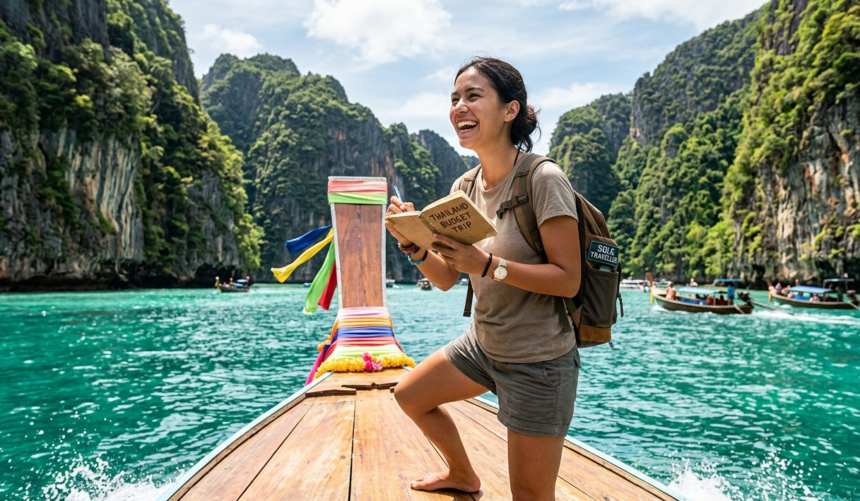
Thailand is one of the world’s most popular destinations for solo travelers, offering beautiful beaches, vibrant cities, ancient temples, delicious street food, and affordable accommodation. Whether you’re traveling for one week or several months, Thailand provides excellent value for money while making it easy to meet fellow travelers from around the globe.
This budget-friendly itinerary will help you explore Thailand’s highlights while keeping your travel expenses under control.
Why Thailand Is Ideal for Solo Travelers
Thailand has earned its reputation as a backpacker-friendly destination thanks to its extensive transportation network, affordable hostels, welcoming locals, and diverse attractions. English is commonly spoken in tourist areas, making it easier for first-time international travelers.
The country also offers activities for every interest, from cultural sightseeing and island hopping to hiking, food tours, and nightlife.
Estimated Daily Budget
Your daily expenses will vary depending on your travel style, but a budget-conscious solo traveler can often manage comfortably.
- Accommodation: $10–25 per night in hostels or budget guesthouses.
- Food: $8–15 per day by eating at local markets and street food stalls.
- Transportation: $5–15 per day using buses, trains, ferries, and public transit.
- Attractions: $5–20 per day depending on entrance fees and activities.
A total budget of $35–75 per day is realistic for many backpackers.
7-Day Budget Solo Travel Itinerary
Day 1: Arrive in Bangkok
Start your journey in Thailand’s energetic capital.
Visit famous landmarks such as the Grand Palace (from the outside if you’re saving money), Wat Pho, or Wat Arun. Explore Chinatown for affordable meals and spend the evening wandering through local night markets.
Use Bangkok’s public transportation, including the BTS Skytrain and MRT, to save both time and money.
Day 2: Explore Bangkok
Spend another day discovering Bangkok’s cultural attractions.
Visit free public parks, browse local markets, or take an inexpensive boat ride along the Chao Phraya River. Sample authentic Thai street food, which offers some of the country’s best meals at very affordable prices.
In the evening, explore Khao San Road or other backpacker-friendly neighborhoods where it’s easy to meet fellow travelers.
Day 3: Travel to Chiang Mai
Take an overnight train or a budget flight to Chiang Mai in northern Thailand.
After arriving, explore the Old City, visit historic temples, and enjoy the relaxed atmosphere. Chiang Mai is known for its affordable accommodations and excellent local cuisine.
Visit one of the city’s famous night markets for inexpensive shopping and dinner.
Day 4: Discover Chiang Mai
Spend the day exploring Chiang Mai’s cultural and natural attractions.
Popular budget-friendly activities include visiting temples, hiking nearby trails, or joining a reasonably priced cooking class to learn authentic Thai recipes.
If your budget allows, consider a day trip to nearby mountains or ethical elephant sanctuaries that prioritize animal welfare.
Day 5: Visit Pai or Continue Exploring Chiang Mai
Travel to Pai if you enjoy scenic mountain landscapes, waterfalls, and a relaxed backpacker atmosphere.
If you prefer staying in Chiang Mai, rent a bicycle or scooter (only if you’re experienced and properly licensed) to explore local villages and viewpoints.
Enjoy another evening at the night market while sampling regional dishes.
Day 6: Travel to Krabi or Phuket
Fly or take a combination of bus and ferry to southern Thailand.
If you’re on a tight budget, Krabi often provides more affordable accommodation than some of the more heavily visited islands.
Spend the afternoon relaxing on the beach, watching the sunset, or exploring nearby walking streets.
Day 7: Island Exploration
Take an affordable long-tail boat tour or enjoy a relaxing day at one of Thailand’s beautiful beaches.
Many beaches are free to access, making them perfect for budget travelers.
End your trip with fresh seafood or local Thai cuisine before preparing for your departure.
Budget Accommodation Tips
Thailand offers accommodation for nearly every budget.
Hostels are ideal for solo travelers because they provide inexpensive dormitory beds and opportunities to meet other travelers.
Budget guesthouses often include private rooms at reasonable prices, especially outside major tourist districts.
Booking in advance during peak travel seasons can help secure better prices.
Saving Money on Food
Thai street food is both delicious and affordable.
Popular budget-friendly meals include:
- Pad Thai
- Fried rice
- Green curry
- Mango sticky rice
- Fresh fruit smoothies
- Noodle soups
Eating where local residents dine often provides the best value while offering authentic flavors.
Affordable Transportation
Thailand’s transportation system makes budget travel relatively easy.
Public buses and trains are generally the most economical options for long-distance travel.
Within cities, public transit, songthaews (shared taxis), and local buses are usually cheaper than private taxis.
Budget airlines can save time when traveling between distant regions, especially if tickets are booked early.
Safety Tips for Solo Travelers
Thailand is generally considered a welcoming destination for solo travelers, but sensible precautions are still important.
Keep valuables secure, remain aware of your surroundings, and use licensed transportation services when possible.
Avoid carrying large amounts of cash, keep digital copies of important travel documents, and purchase travel insurance before your trip.
Respect local customs, dress appropriately when visiting temples, and stay informed about local regulations.
Packing Essentials
Travel light to make moving between destinations easier.
Useful items include comfortable clothing, lightweight walking shoes, sunscreen, insect repellent, a reusable water bottle, power adapter, portable charger, and a small first-aid kit.
A waterproof bag can also be helpful during boat trips or rainy weather.
Best Time to Visit Thailand
The cooler and drier months between November and February are generally considered the most comfortable for sightseeing.
The shoulder seasons can offer lower accommodation prices and fewer crowds, while the rainy season may provide additional savings for flexible travelers.
Conclusion
Thailand remains one of the best destinations for budget solo travel. Its combination of affordable accommodation, excellent public transportation, flavorful local cuisine, stunning natural scenery, and welcoming travel community makes it ideal for independent exploration.
With thoughtful planning, smart budgeting, and a flexible itinerary, you can experience Thailand’s rich culture, beautiful landscapes, and unforgettable hospitality without spending a fortune.
Frequently Asked Questions (FAQs)
1. Is Thailand safe for solo travelers?
Thailand is generally considered safe for solo travelers, especially in popular tourist destinations. Taking normal travel precautions and staying aware of your surroundings is recommended.
2. How much money do I need per day?
Many budget travelers can comfortably spend $35–75 per day, depending on accommodation, transportation, and activities.
3. What is the cheapest way to travel around Thailand?
Public buses, trains, shared transportation, and booking budget airline tickets in advance are usually the most economical options.
4. Which city is best for first-time solo travelers?
Bangkok is often the starting point for international visitors, while Chiang Mai is popular for its relaxed atmosphere, affordability, and strong backpacker community.
5. Are hostels a good option?
Yes. Hostels are affordable, clean in many locations, and provide opportunities to meet other travelers.
6. Can I rely on street food?
Street food is a major part of Thai culture and is often safe when purchased from busy vendors with freshly prepared food. Choose stalls that appear clean and have a steady flow of customers.
7. Do I need cash in Thailand?
Yes. While cards are accepted in many hotels and larger businesses, cash is still widely used at markets, small restaurants, and local shops.
8. Is Thailand expensive compared to other destinations?
Thailand is generally considered an affordable destination, although costs can vary depending on the region, travel season, and personal spending habits.
9. How many days are enough for Thailand?
A one-week trip covers a few major destinations, while two to three weeks allows for a more relaxed itinerary that includes cities, mountains, and beaches.
10. What is the best time to visit Thailand on a budget?
Traveling during the shoulder or rainy seasons may offer lower prices on accommodation and flights, though weather conditions can be less predictable.