

Safe Sleep Guidelines for Newborns

admin
By admin
19 Min Read

Introduction to Safe Sleep for Newborns

The safety and well-being of newborns are paramount concerns for parents and caregivers. Understanding safe sleep practices is crucial to ensuring that infants develop in a secure environment. Safe sleep for newborns refers to a set of guidelines designed to reduce the risks of sleep-related incidents, including Sudden Infant Death Syndrome (SIDS) and other sleep-related deaths. These practices not only promote physical safety but also contribute to healthy development and parental peace of mind.

Recent studies indicate that unsafe sleep environments significantly increase the likelihood of SIDS, a devastating condition where infants unexpectedly die in their sleep. Factors contributing to this risk include sleeping on soft surfaces, sharing a bed with adults or siblings, and the presence of loose bedding or soft toys in the crib. It is therefore critical to educate caregivers about the potential dangers associated with these practices and to promote safer alternatives.

This blog will explore various elements of safe sleep for newborns, providing a comprehensive overview of recommended practices. Key topics will include the importance of placing infants on their backs to sleep, selecting appropriate sleep surfaces, and creating a safe sleep environment that minimizes risks. Additionally, we will discuss the significance of maintaining a calm and safe sleep backdrop, as well as the role of parental education in encouraging adherence to safe sleep protocols.

By understanding and implementing these guidelines, caregivers can significantly reduce the risks associated with unsafe sleeping arrangements. Ultimately, committing to safe sleep practices will foster healthier sleep habits, ensuring that newborns remain safe and secure during their rest periods. By adhering to these recommendations, parents can enhance their infant’s safety and well-being.

Understanding Sudden Infant Death Syndrome (SIDS)

Sudden Infant Death Syndrome (SIDS) is defined as the sudden, unexplained death of an otherwise healthy infant, typically occurring during sleep. This tragic phenomenon predominantly affects infants under one year of age, with the highest incidence seen in babies between two and four months old. Statistics from various health organizations indicate that SIDS claims the lives of approximately 3,400 infants each year in the United States. Understanding the mechanisms behind SIDS is crucial for parents and caregivers, particularly since the exact causes remain largely unknown.

Several risk factors have been identified that may contribute to the likelihood of SIDS. These include sleeping on the stomach or side, exposure to cigarette smoke, having a low birth weight, and sleeping on soft bedding. Additionally, there are environmental factors, such as being overheated or sharing a sleep surface with an adult. Research suggests that while some infants may be more vulnerable due to genetic or biological factors, implementing safe sleep practices significantly reduces the risk of SIDS.

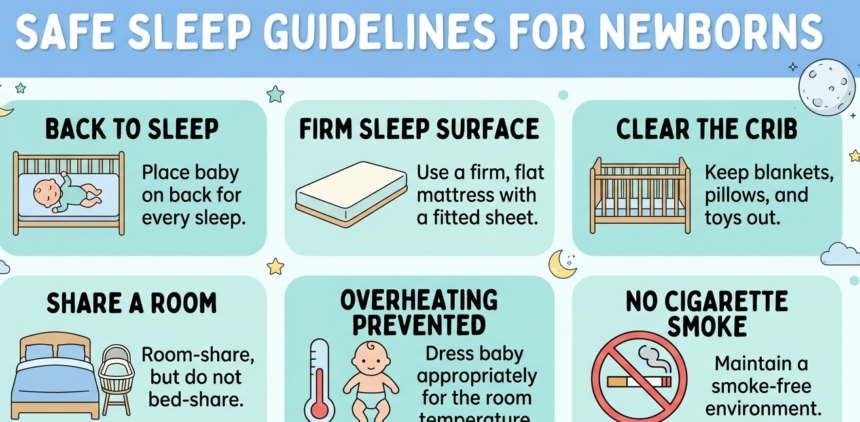
Safe sleep practices include placing infants on their backs for all sleep times, using a firm sleep surface, and keeping soft objects and loose bedding out of the crib. By adhering to these guidelines, parents can create a safer sleep environment that promotes the wellbeing of their newborns. Public health campaigns often underscore the importance of education surrounding SIDS, aiming to inform and empower caregivers to adopt preventive strategies. As ongoing research continues to identify better preventive measures, awareness of SIDS can drive collective efforts toward safeguarding infant lives.

Safe Sleep Environment Recommendations

Establishing a safe sleep environment for newborns is essential in reducing the risk of sleep-related incidents, such as sudden infant death syndrome (SIDS). The first recommendation is to provide a firm mattress for your baby’s crib or bassinet. A firm sleeping surface is crucial because it helps prevent suffocation and allows for proper air circulation. Avoid using soft surfaces such as sofas, armchairs, or other soft bedding that can increase the risk of entrapment or overheating.

In addition to a firm mattress, ensure that the crib is free from any soft bedding, pillows, toys, or bumper pads. These items can pose suffocation hazards and should not be included in the baby’s sleep space. The American Academy of Pediatrics emphasizes the importance of a clear sleeping area, which should consist solely of the baby and a fitted sheet on the mattress. This minimalistic approach not only promotes safety but also contributes to the establishment of healthy sleep habits.

Another critical component of a safe sleep environment is to always position the baby on their back to sleep. This position significantly decreases the chance of SIDS compared to placing the infant on their stomach or side. Babies should be placed on their backs for all sleep periods, including naps, until their first birthday. Once your baby can roll over independently, they may choose to shift their position, but it is essential to start them on their back each time. Parents and caregivers are encouraged to follow these recommendations consistently to foster a secure sleep environment conducive to the health and safety of their newborn.

Importance of Room Sharing vs. Bed Sharing

When it comes to infant sleep practices, understanding the distinctions between room sharing and bed sharing is essential for ensuring the safety and well-being of newborns. Room sharing refers to having the infant sleep in the same room as the parents, often in a separate crib or bassinet. This practice enables parents to easily respond to their baby’s needs during the night and fosters a secure sleeping environment. Furthermore, research indicates that room sharing can significantly reduce the risk of Sudden Infant Death Syndrome (SIDS) when compared to babies who sleep alone in separate rooms.

On the other hand, bed sharing involves having the infant sleep in the same bed as the parents. Although this practice is more common in some cultures, it poses various risks that parents should be aware of. Bed sharing can increase the likelihood of accidental suffocation, overheating, or entrapment, especially if the bedding is soft or if the adult is overly tired. For these reasons, many pediatricians advise against bed sharing, especially for younger infants, and highlight the safer alternative of room sharing.

To maximize the benefits of room sharing while minimizing risks, it is recommended that infants sleep in a separate, firm sleep surface, such as a crib or bassinet. The sleeping area should also be free from soft objects, blankets, and toys to ensure a safe sleeping environment. Additionally, parents should always place their baby on their back to sleep, which further reduces the risk of SIDS. By choosing room sharing over bed sharing, parents can provide their newborn with a safe sleep environment while maintaining close proximity for comfort and reassurance.

Sleep Positioning Guidelines

When it comes to ensuring the safety and well-being of newborns during sleep, adherence to proper sleep positioning is paramount. The American Academy of Pediatrics (AAP) recommends that infants always be placed on their backs to sleep, a guideline established to significantly reduce the risk of sudden infant death syndrome (SIDS). Placing babies on their backs is not only the safest position but also promotes healthier sleep as it allows for better airflow and reduces the risk of rebreathing exhaled air, a potential factor associated with SIDS.

Stomach sleeping is strongly discouraged. When infants are placed on their stomachs, they face an increased risk as their ability to clear their airways might be compromised. During this position, a newborn may inadvertently become trapped in a way that restricts airflow, leading to a higher likelihood of suffocation. Moreover, side sleeping has also been found to be dangerous. This position can easily lead to a baby rolling onto their stomach, creating risks similar to those of stomach sleeping. Thus, the AAP maintains that any sleep position other than supine is not advisable for infants.

In addition to positioning, it is essential to maintain a safe sleep environment. This includes a firm mattress and a crib or bassinet free from soft bedding, pillows, and toys that could pose hazards during sleep. As new parents or caregivers, being vigilant about sleep positioning and environment is critical for promoting safe sleep practices. These guidelines are designed not only to minimize risks but also to foster a secure and comfortable setting that will aid in the overall health and development of the newborn.

The Role of Pacifiers in Safe Sleep

Pacifiers can play a significant role in promoting safe sleep for newborns and have been linked to a reduction in the risk of Sudden Infant Death Syndrome (SIDS). Research suggests that using a pacifier during sleep may help to keep a baby’s airway open, possibly due to its ability to stimulate the swallowing reflex, which can prevent airway obstruction. However, it is important for parents to understand the proper timing and method for introducing a pacifier into their newborn’s sleep routine.

Experts recommend offering a pacifier at naptime and bedtime once breastfeeding is well established, typically around 3 to 4 weeks old. Introducing a pacifier too early may interfere with breastfeeding, as infants may become confused between lactation and sucking on a pacifier. Parents should observe their baby’s cues and ensure that the pacifier is offered in a controlled manner. It should not be forced into the mouth if the baby shows no interest.

When selecting a pacifier, parents should opt for those that are free of harmful chemicals, ensuring they meet safety standards. Soft silicone pacifiers are a popular choice, as they are easy to clean and generally safe for infants. Moreover, it is recommended that parents avoid tethering the pacifier to the infant’s crib or clothing with strings, as this can pose a strangulation hazard.

In addition to potential safety benefits, using a pacifier may also provide comfort for newborns, helping them to transition into a peaceful sleep. While parents should remain attentive to their child’s reactions to pacifier use, as some may prefer not to use one, they should also be aware of the importance of maintaining a safe sleep environment in conjunction with pacifier usage. Keeping the sleep space free of soft bedding, toys, and other hazards is essential.

Monitoring Baby’s Sleep

Monitoring a newborn’s sleep is a critical aspect of ensuring their safety and overall well-being. Keeping track of your baby’s sleep patterns can help caregivers identify any irregularities and address potential issues promptly. New parents should first note the average duration of sleep their baby gets, as newborns typically sleep between 14 to 17 hours a day, although this can vary. Utilizing a simple sleep diary or a dedicated app can make this task easier and more organized.

While keeping records, it is vital to recognize the signs of discomfort or distress in an infant. For example, a baby who frequently wakes up crying or appears restless may be experiencing discomfort or not getting sufficient sleep. Watch for cues such as excessive fussiness, difficulty settling, or a change in feeding patterns, as these can indicate that something may be wrong. Addressing these concerns promptly can help ensure that the baby gets the rest needed for healthy growth and development.

Establishing a consistent sleep routine can also benefit both the baby and the caregivers. Creating a calming environment that includes dim lighting, soft music, and consistent bedtime rituals can signal to the baby that it is time to wind down. Infants thrive on routine, and a predictable sleep schedule can facilitate better sleep quality. As babies grow, their sleep needs evolve, so it remains essential for caregivers to monitor these changes and adjust routines accordingly. By being proactive in observing sleep patterns, caregivers can create a nurturing sleep environment that prioritizes safety and comfort for their newborn.

The Impact of Parental Smoking and Substances on Sleep Safety

Creating a safe sleep environment for newborns is critical, and parental behaviors significantly influence this environment. One of the most concerning behaviors is smoking. Studies indicate that infants who are exposed to secondhand smoke have a much higher risk of Sudden Infant Death Syndrome (SIDS). The Centers for Disease Control and Prevention (CDC) estimates that approximately 22% of SIDS cases can be attributed to secondhand smoke exposure. The harmful chemicals in cigarette smoke can compromise an infant’s respiratory health, further increasing their vulnerability during sleep.

Similarly, parental substance use, including alcohol and illicit drugs, poses significant risks. The ingestion of these substances can lead to decreased vigilance and impaired judgment, potentially resulting in unsafe sleep practices. For instance, caregivers who are under the influence may place infants in compromising positions, such as co-sleeping on soft surfaces or near a sleeping parent, which increases the risk of suffocation. Alcohol consumption has also been linked to a higher occurrence of SIDS, as it can affect a caregiver’s reaction time and awareness of the infant’s needs during sleep.

Policies to promote smoke-free environments and the responsible use of substances during the perinatal period are essential. Health initiatives aimed at educating parents about the dangers of smoking and drug use should reinforce the importance of maintaining a smoke-free home, especially in areas where babies sleep. Additionally, support programs for parents struggling with substance use can provide crucial assistance in creating a safer sleep atmosphere for their children. Encouraging abstaining from smoking and substance use can help enhance the overall safety of a newborn’s sleep environment.

Conclusion and Final Thoughts

Ensuring the safety and well-being of newborns during sleep is paramount for all parents and caregivers. The guidelines surrounding safe sleep practices are designed to reduce the risk of sleep-related occurrences, such as Sudden Infant Death Syndrome (SIDS), while promoting healthy development. Key takeaways from this discussion include the importance of placing infants on their backs for sleep, utilizing a firm sleep surface, and maintaining a clutter-free sleep environment devoid of soft bedding and toys. Parents should also ensure that babies sleep in the same room, but not the same bed, as adults or older siblings, to foster an optimal, safe sleep setting.

It is essential for caregivers to remain vigilant regarding their newborn’s sleep habits. Regularly checking on an infant during sleep can help maintain safety, along with ensuring that the room temperature is comfortable to avoid overheating. Additionally, adhering to the recommended guidelines for pacifier use during sleep can further enhance safety measures, as studies suggest that pacifiers may reduce the risk of SIDS when used consistently.

As the evidence surrounding safe sleep practices continues to evolve, it is imperative for parents to stay informed and acclimate to these recommendations. Parenting can be an overwhelming journey; however, by adopting these safe sleep practices, caregivers are taking proactive steps toward safeguarding their newborn’s health and well-being. In conclusion, the integration of safe sleep guidelines not only supports the immediate safety of infants but cultivates a secure nurturing environment for developmental growth. Parents and caregivers must prioritize education and awareness of these practices to foster a culture of safety for all newborns.

Share This Article
Leave a comment

Leave a Reply

Your email address will not be published. Required fields are marked *