


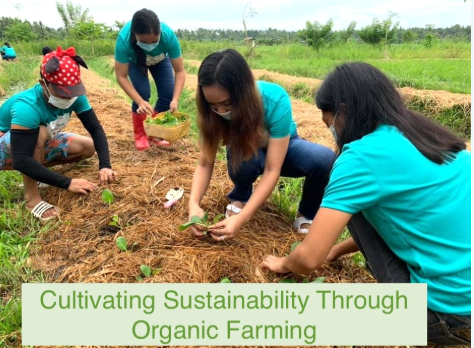
Introduction to Organic Farming
Organic farming is an agricultural approach that emphasizes the use of natural inputs and sustainable practices to foster ecological balance and biodiversity. Originating in the early 20th century as a response to the industrialization of agriculture, organic farming prioritizes environmental health and the well-being of farming communities. This method contrasts sharply with conventional farming practices, which typically rely on synthetic fertilizers, pesticides, and genetically modified organisms (GMOs) to enhance crop yields.
The principles of organic farming are centered around sustainability, which refers to meeting the needs of the present without compromising the ability of future generations to meet their own needs. Organic farmers aim to cultivate crops and raise livestock in a manner that maintains the health of soils, ecosystems, and people. By utilizing techniques such as crop rotation, cover cropping, and composting, practitioners focus on enhancing soil fertility and structure, thereby reducing reliance on chemical inputs.
Another key aspect of organic farming is its dedication to ecological balance. This entails fostering a harmonious relationship between agricultural practices and the surrounding environment, promoting the presence of beneficial organisms that contribute to pest control and pollination. Moreover, organic farming encourages the preservation of biodiversity, not only through the cultivation of a variety of crops and livestock breeds but also by supporting habitats that sustain wildlife and natural resources.
In essence, organic farming championed a return to traditional agricultural practices while integrating modern scientific understanding. As global awareness of environmental issues increases, organic farming stands out as a progressive alternative that aligns agricultural development with ecological principles and social responsibility.
The Importance of Sustainable Agriculture
Sustainable agriculture is vital for addressing the pressing challenges of global food security, environmental sustainability, and health concerns. As the world’s population continues to rise, the demand for food increases exponentially, making it essential to adopt practices that are both efficient and eco-friendly. The implementation of sustainable agricultural practices, particularly through organic farming, has emerged as a key solution in dealing with these multifaceted issues.
One of the major benefits of sustainable agriculture is its capacity to enhance food security. By integrating organic farming methods, farmers can produce healthier food options while maintaining the natural ecosystem’s integrity. This approach not only boosts crop diversity but also enhances resilience against climate change and extreme weather events. Organic farming employs practices such as crop rotation and intercropping, which are crucial in increasing yields while minimizing dependence on synthetic inputs.
Furthermore, sustainable agriculture plays a fundamental role in combating climate change. Through methods such as reduced tillage, cover cropping, and organic amendments, it helps capture carbon dioxide and prevent soil erosion. Healthy soils are foundational to sustainable agricultural development, as they enhance nutrient availability and foster biodiversity. In addition, organic farming promotes the use of natural pest control methods, which further reduces reliance on harmful pesticides that can have detrimental effects on human health and the environment.
In summary, the importance of sustainable agriculture cannot be overstated. By adopting organic farming practices, the agricultural sector can contribute significantly to food security, environmental health, and public well-being. These practices not only support the planet’s ecosystems but also cultivate a healthier population, making sustainable agriculture a necessary pursuit for future generations.
Key Principles of Healthy Organic Farming Practices
Healthy organic farming practices are guided by several fundamental principles that contribute not only to sustainable agricultural development but also to the well-being of the environment. One of the core tenets of organic farming is the use of natural inputs rather than synthetic chemicals. This approach helps enhance soil fertility and supports the overall ecosystem by reducing pollution and chemical runoff that can adversely affect local waterways and wildlife.
Another essential principle is crop rotation, which involves alternating the types of crops grown in a particular area over a sequence of seasons. This method helps prevent the depletion of specific nutrients in the soil, minimizes pest and disease cycles, and increases biodiversity. By rotating crops, farmers can also enhance the resilience of their farming systems, making them better equipped to respond to climatic changes and ecological shifts.
Intercropping is yet another significant practice within organic farming. This involves planting two or more crops in proximity for various benefits, including pest control, improved soil health, and increased yields. Intercropping encourages a diverse plant ecosystem, which helps in maintaining soil structure and biodiversity by providing habitats for beneficial organisms.
Preservation of biodiversity is a principle that extends beyond crop selection and includes the conservation of native species and habitats. Organic farms typically promote the use of indigenous species, which are more resilient to local pests and diseases. By encouraging a wide variety of plant and animal life, organic farming practices contribute significantly to ecosystem balance and resilience, ensuring that agricultural landscapes remain productive and sustainable for generations to come.
Soil Health and Fertility Management in Organic Farming
Effective soil health and fertility management is essential for sustainable agricultural development, particularly within the realm of organic farming. Organic farming emphasizes enhancing soil fertility through natural processes, thereby avoiding synthetic fertilizers that can be detrimental to the environment. One of the cornerstone practices in this approach is composting, which involves the decomposition of organic matter such as food scraps, plant materials, and livestock waste. Compost enriches soil, improves its structure, increases microbial activity, and provides a slow-release source of nutrients crucial for plant growth.
In addition to composting, cover cropping is another vital practice within organic farming that significantly enhances soil health. Cover crops, such as legumes, grasses, and brassicas, are planted during fallow periods to protect and enrich the soil. These crops help prevent soil erosion, suppress weeds, and enhance biodiversity. They also contribute to nitrogen fixation, improving soil fertility and reducing the need for external fertilizers. Furthermore, the roots of cover crops promote soil aeration and water infiltration, contributing to a healthier soil ecosystem.
The use of organic fertilizers is also critical in organic farming practices. Organic fertilizers, derived from natural sources such as animal manure, seaweed, and bone meal, improve soil nutrient content without causing the adverse environmental effects associated with chemical fertilizers. These fertilizers not only provide essential nutrients but also strengthen soil structure and microbial life, resulting in a more robust soil environment. In summary, the integration of composting, cover cropping, and organic fertilizers fosters a sustainable farming system that improves soil health, enhances fertility, and ultimately leads to higher crop yields. This holistic approach is vital for ensuring food security and environmental sustainability for future generations.
Pest and Disease Management without Chemicals
Organic farming emphasizes environmentally friendly practices, particularly in pest and disease management. The utilization of integrated pest management (IPM) strategies is pivotal in minimizing chemical inputs while ensuring efficient crop protection. IPM integrates multiple control techniques, including cultural practices, biological control agents, and mechanical interventions. This holistic approach not only controls pest populations effectively but also promotes the overall health of the ecosystem.
Biological control plays a significant role in organic farming, where natural predators and parasites are employed to manage pest populations. For instance, ladybugs and lacewings can be introduced to control aphid populations. Moreover, introducing beneficial nematodes helps manage soil-borne pests without harmful chemicals. Such strategies not only reduce dependency on synthetic pesticides but also encourage biodiversity within the farming ecosystem.
In addition to biological control, the use of natural pesticides derived from plant extracts or minerals has garnered attention in organic practices. Substances such as neem oil, diatomaceous earth, and garlic extract have proven effective in repelling various pests. These natural alternatives not only provide a safer environment for beneficial organisms but also minimize the risk of chemical residues in food products.
Farmers can also adopt cultural practices to reduce pest and disease prevalence. Crop rotation, for example, disrupts the life cycles of specific pests, while intercropping helps to confuse pest species. Maintaining a diverse planting strategy reduces the likelihood of widespread pest outbreaks, thereby fostering a resilient agricultural environment. Proper sanitation and hygiene practices further mitigate disease transmission and pest infestations, ensuring healthier crop production.
Water Conservation and Irrigation Techniques
Water conservation is a vital aspect of sustainable agricultural development, particularly in organic farming practices. Efficient use of water resources aids in promoting healthy soil conditions while minimizing environmental impacts. Among the various techniques employed for optimizing water usage, rainwater harvesting and drip irrigation are standout methods. These practices not only enhance water efficiency but also support the sustainability of organic farms.
Rainwater harvesting involves collecting and storing rainwater for agricultural purposes. This technique significantly reduces reliance on traditional water sources, particularly in regions where water scarcity is an issue. By implementing systems such as cisterns or catchment areas, farmers can capture runoff during the rainy season, providing an eco-friendly irrigation alternative during dry spells. This practice not only conserves water but also minimizes soil erosion and runoff, leading to healthier crops.
Drip irrigation is another effective method that has gained prominence in organic farming. This technique delivers water directly to the root zone of plants through a network of tubing and emitters. As a result, it minimizes water wastage caused by evaporation or surface runoff, ensuring that plants receive a consistent supply of moisture. Additionally, drip irrigation can improve crop yields and quality when managed appropriately, making it an essential technique in the realm of organic agriculture.
Moreover, responsible water use is imperative to maintain the ecological balance of agricultural ecosystems. By adopting sustainable water management practices, farmers can prevent groundwater depletion and salinization, which are detrimental to soil health. Implementing water conservation strategies ensures the longevity of organic farming while benefiting the environment, highlighting the interconnectedness of responsible water use and sustainable agricultural practices.
Challenges and Solutions in Organic Farming
Organic farming faces several challenges that can inhibit farmers from achieving their goals of sustainable agricultural practices. One primary challenge is market access. Organic products often compete with conventionally grown goods that are typically less expensive due to subsidies and mass production efficiencies. Consequently, organic farmers may struggle to obtain fair prices for their products, leading to financial instability. Additionally, limited access to markets can result from unestablished supply chains and inadequate infrastructure, especially in rural areas.
Another significant hurdle is the certification process for organic farming. Obtaining organic certification can be a time-consuming and complex task, often requiring extensive documentation and adherence to specific standards. Farmers may face challenges in understanding regulations, maintaining compliance, and managing the associated costs. This often deters new entrants into organic farming or discourages current farmers from pursuing organic methods.
Pest pressures are also a notable concern for organic farmers, as they do not have access to synthetic pesticides. This can result in lower yields and increased labor costs, as organic methods may involve more manual control strategies. To counteract pest pressures, successful organic farmers have adopted innovative practices such as crop rotation, intercropping, and the use of natural predators. These strategies can reduce reliance on chemical inputs while enhancing biodiversity and soil health.
In response to market access challenges, collaboration among farmers’ cooperatives may provide a solution, enabling bulk sales and reduced marketing costs. Investing in consumer education about the benefits of organic products can also help improve market demand. By addressing these challenges with strategic solutions, organic farmers can contribute to sustainable agricultural development while overcoming obstacles that threaten their practices.
Community Engagement and Education
Community engagement plays a pivotal role in the effectiveness and longevity of organic farming practices. When local community members take an active interest in organic agriculture, it not only enhances awareness but also promotes the adoption of sustainable farming methods. Education is a key component; it empowers farmers with the knowledge of organic techniques, resource management, and the ecological benefits associated with organic farming. Workshops, seminars, and field days provide platforms where agricultural information can be shared, refining skills and promoting innovative practices.
Farmer cooperatives serve as vital networks that strengthen community bonds among those involved in organic agriculture. These cooperatives not only provide a forum for sharing best practices but also enable members to collectively access resources, share knowledge, and offer support to each other. By banding together, organic farmers can negotiate better prices for their produce, share the burden of costs related to organic certification, and tackle challenges experienced within their local agricultural landscape. This cooperation can significantly enhance the resilience of the farming community.
Furthermore, establishing local markets is crucial for the success of organic farming initiatives. These markets create direct links between producers and consumers, fostering a sense of community and encouraging the support of local growers. When consumers become familiar with the benefits of organic products, including their health implications and sustainability, they are more likely to prioritize purchasing from local farmers. This not only sustains the livelihood of organic practitioners but also contributes to the overall health of the local economy, creating a win-win situation.
Conclusion and Future of Organic Farming
Healthy organic farming practices play a crucial role in fostering sustainable agricultural development. By employing methods that prioritize ecological balance, such as crop rotation, organic pest control, and the use of organic fertilizers, farmers can enhance soil fertility and biodiversity. The benefits of these practices extend beyond just environmental health; they also contribute to improved food quality and safer produce for consumers. As awareness about the importance of organic practices grows, more consumers are opting for organic products, thereby driving demand and encouraging farmers to adopt sustainable methods.
Looking towards the future, organic farming is poised to evolve further with advancements in technology and a deeper understanding of sustainable practices. The integration of precision agriculture and biotechnology in organic systems can optimize resource use and minimize environmental impacts while maintaining the core principles of organic farming. Additionally, increased focus on regenerative practices can further enhance soil health and carbon sequestration, addressing climate change challenges effectively.
Engaging with organic agriculture is becoming increasingly essential for individuals and communities alike. Supporting local organic farms not only promotes economic sustainability but also helps in preserving traditional farming practices and native biodiversity. As the movement toward sustainability gains traction, it is vital for consumers to recognize their role in this ecosystem. By choosing to purchase organic products, individuals can contribute to a more sustainable agricultural landscape, benefitting both the environment and their health.
In summary, healthy organic farming practices present a pathway to sustainable agricultural development that benefits people, the planet, and future generations. The interplay of consumer choice, technological advancement, and community support will shape the future of organic farming, making it a viable cornerstone of modern agriculture.