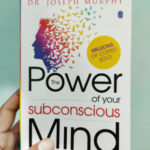



The Power of Reading
Reading is an essential activity that plays a crucial role in shaping our understanding of the world and enriching our lives. In our fast-paced and technology-driven society, the importance of cultivating the habit of reading cannot be overstated. Engaging with text allows individuals to expand their horizons, acquire new knowledge, and develop critical thinking skills. Through the act of reading, we not only absorb information but also immerse ourselves in different cultures, perspectives, and ideas that may challenge our existing beliefs.
Moreover, reading serves as a powerful tool for mental stimulation and personal growth. It has been shown to enhance cognitive functions, improve memory, and even increase empathy by exposing the reader to the thoughts and emotions of diverse characters in literature. By delving into a book, one can experience a world far removed from their own, leading to an enriched imagination and a broader worldview. This habitual engagement with written content allows individuals to build a mental library of ideas and experiences, fostering creativity and open-mindedness.
Furthermore, reading is a gateway to lifelong learning. Whether one is reading fiction, non-fiction, or academic texts, each form offers unique insights and information that contribute to a well-rounded education. In a world that constantly evolves, staying informed through reading is invaluable for personal and professional success. It not only keeps us abreast of current events and advancements but also encourages continuous self-improvement by exposing us to new concepts and practices.
Ultimately, the habit of reading daily can transform our minds, enhance our comprehension of complex topics, and open doors to opportunities that would otherwise remain hidden. As we explore the multitude of benefits associated with this practice, it becomes evident that fostering a love for reading is a vital investment in personal development and knowledge acquisition.
Enhances Cognitive Function
Reading regularly serves as an effective tool to enhance cognitive function in individuals of all ages. Engaging with various texts stimulates brain activity, fostering a dynamic environment for neural pathways to develop and strengthen. This stimulation occurs as the brain processes complex information, which in turn improves critical thinking skills and promotes creativity. Numerous studies underline the importance of reading in maintaining a sharp mind, revealing a robust correlation between habitual reading and mental agility.
Additionally, reading demands focus and concentration, skills that are increasingly essential in today’s fast-paced world. When one immerses in a book or any written content, the brain is called upon to decipher vocabulary, follow narrative arcs, and understand various writing styles. This level of engagement creates a mental workout that not only builds stamina but also encourages the mind to work more efficiently over time. Over time, skilled readers often find their ability to concentrate improves, benefitting other aspects of their daily lives, such as studying or listening to lectures.
Moreover, reading is closely linked to improved memory retention. As individuals read, they often form connections among characters, events, and themes, which promotes better understanding and recall of information. Research has illustrated that regular readers tend to have better memory capabilities compared to those who do not engage in reading frequently. This enhanced memory is crucial not only for academic success but also for the ability to remember names, events, or any day-to-day tasks.
In light of these findings, incorporating reading into one’s daily routine can serve as a powerful strategy for cognitive enhancement. The regular practice of reading not only enriches knowledge but protects the brain from age-related decline, paving the way for continuous mental growth and adaptability.
Reduces Stress and Promotes Relaxation
Engaging in reading can serve as an effective mechanism for reducing stress and fostering a sense of relaxation. When an individual immerses themselves in a book, they escape from the daily grind and embark on a journey through the pages of a story. This form of escapism not only distracts the mind from immediate worries but also allows for a temporary reprieve from the responsibilities that often lead to stress.
Psychological studies have demonstrated that reading can lower stress levels significantly. For instance, a study conducted at the University of Sussex found that reading can reduce stress by up to 68 percent. This remarkable statistic highlights how even a few minutes spent with a literary work can have profound effects on an individual’s mental state. When one becomes engrossed in a narrative, the mind shifts focus away from intrusive thoughts and daily pressures, promoting a tranquil state of being.
Furthermore, reading provides a variety of genres and formats, allowing individuals to choose what resonates with them. Whether it is fiction, poetry, or self-help, there is a book suited for every reader’s preference, which can enhance the overall experience. For example, someone enduring a demanding work environment may find solace in a light-hearted comedy, while others may opt for an inspiring memoir that offers comforting insights. Personal anecdotes, such as a busy professional finding momentary peace during their lunch hour with a gripping novel, reflect the broader impact of reading on relaxation.
In summary, incorporating reading into daily routines not only serves as entertainment but also functions as a healthy coping mechanism. By transforming reading into a habit, individuals can effectively manage their stress levels and foster a sense of calm in their lives.
Improves Vocabulary and Language Skills
Engaging in daily reading significantly enhances one’s vocabulary and language skills, offering a multitude of linguistic benefits. When individuals immerse themselves in different genres, they encounter a rich variety of words, phrases, and expressions that are often unavailable in everyday conversations. This exposure allows readers to expand their vocabulary and grasp the nuances of language, which can be remarkably beneficial in both personal and professional communication.
Reading diverse materials, including novels, articles, essays, and poetry, introduces readers to various sentence structures and styles of writing. Each author presents unique perspectives and techniques, which can inspire readers to adopt new approaches in their writing. By observing how experienced writers construct sentences and convey ideas, individuals can refine their own language skills, enabling them to articulate thoughts more clearly and effectively.
Moreover, the enhancement of vocabulary through reading contributes to improved comprehension skills. A larger word bank allows readers to understand texts with greater ease, making reading a more rewarding experience. This comprehension is critical for effective communication, as it enhances one’s ability to relay information accurately and persuasively.
For instance, a person who regularly reads high-quality literature may find themselves more adept at discussions, as they can draw upon a broader range of vocabulary and ideas. This linguistic ability not only aids in everyday conversation but also plays a crucial role in formal settings, such as presentations or writing reports.
In summary, the benefits of daily reading extend far beyond mere enjoyment; it cultivates vocabulary and language skills essential for successful communication in all areas of life.
Boosts Creativity and Imagination
Engaging with literature on a daily basis serves as a catalyst for both creativity and imagination. When individuals immerse themselves in diverse genres and styles, they encounter a variety of ideas, themes, and perspectives. This exposure can stimulate creative thinking, encouraging readers to visualize scenarios beyond their current realities and thus fostering innovative problem-solving skills. Reading fiction, in particular, opens a gateway to alternate worlds and diverse characters, leading to increased empathy and the ability to understand complex human emotions. In contrast, non-fiction texts present factual insights and analytical arguments, which can inspire creative applications of knowledge in practical settings.
Different writing styles contribute uniquely to the creative process. For instance, poetry utilizes condensed language and vivid imagery that can evoke emotions and provoke thought in a way that standard prose may not. Literary techniques such as metaphor, allegory, and symbolism not only enhance enjoyment but also inspire imaginative leaps. Moreover, encountering various narrative structures can challenge readers to think unconventionally, helping to cultivate a flexible mindset.
The act of reading itself is also a form of creative exercise. As readers interpret texts, they are prompted to form their own connections and conclusions, often leading to original thought. Just as an artist draws inspiration from the world around them, readers can extract ideas from narratives, igniting their own stories and innovations. Researchers suggest that frequent readers often exhibit higher levels of creativity in both thought and action. By regularly consuming a wide array of written works, individuals enhance their cognitive flexibility, which is essential for creative endeavors. In essence, the habit of reading nurtures the imagination and cultivates creativity, making it a vital practice for those looking to expand their mental horizons.
Increases Knowledge and Perspective
Reading on a daily basis serves as an enriching tool that significantly increases knowledge and broadens perspectives. By immersing oneself in various texts, whether fiction or non-fiction, readers encounter different cultures, histories, and philosophies. This exposure to diverse viewpoints not only fosters a more informed worldview but also enhances empathy, as individuals begin to appreciate experiences and challenges faced by others worldwide.
Literature, in its multifaceted forms, introduces readers to a plethora of ideas and narratives that reflect the vastness of human experience. Through novels, biographies, or academic articles, individuals are afforded a glimpse into the lives of others, cultivating a deeper understanding of societal dynamics and cultural practices. Consequently, individuals are not only consuming information but also integrating new insights into their own lives, thereby enhancing their knowledge base.
Furthermore, engaging with texts from various genres shapes critical thinking and analytical skills. Each book presents unique arguments and themes, challenging readers to think critically about what they consume. This practice of questioning and reflecting on different ideas equips readers with the tools necessary to navigate complex societal issues, fostering an environment wherein informed discussions can flourish.
To reap these benefits, it is essential to seek out a wide range of reading materials. By exploring genres outside one’s usual preferences, readers can experience a broader spectrum of knowledge. Embracing this diversity not only enriches personal knowledge but also promotes empathy and cultural sensitivity, essential traits in today’s interconnected world. Ultimately, daily reading becomes a fundamental practice that empowers individuals to engage thoughtfully with the world around them, underscoring the necessity of diverse reading in cultivating well-rounded perspectives.
Strengthens Analytical Thinking Skills
Reading every day has significant benefits, particularly in fostering analytical thinking skills. Engaging with complex texts requires readers to navigate intricate plots, understand various themes, and delve into character development. This multifaceted engagement serves as a robust exercise for the brain, enhancing one’s ability to analyze and interpret information critically.
When readers encounter various narratives, they must pay attention to the subtleties of the text. This includes recognizing the motivations of characters, evaluating different perspectives, and discerning underlying themes. Such activities not only cultivate an appreciation for literature but also sharpen analytical skills. By analyzing how characters develop and how plots unfold, readers learn to identify cause-and-effect relationships, which is a fundamental aspect of analytical reasoning.
Furthermore, critical reading stimulates one’s ability to make connections between disparate ideas and draw conclusions based on textual evidence. Readers are often required to draw inferences and synthesize information, which fosters a deeper understanding of content. This cognitive engagement trains the mind to evaluate arguments and identify biases, thus refining overall reasoning abilities.
With continued practice, the benefits of analytical thinking extend beyond reading tasks and contribute to improved problem-solving skills in real-world situations. Readers equipped with strong analytical tools can better navigate challenges, make informed decisions, and articulate their thoughts clearly. Moreover, these skills are invaluable in academic and professional settings, where rigorous analysis is frequently required.
In essence, the daily habit of reading not only enriches the mind but also actively develops crucial analytical thinking skills that empower individuals to approach texts and everyday challenges in a more thoughtful manner.
Enhances Emotional Intelligence
Engaging with literature offers a unique avenue for enhancing emotional intelligence, a crucial skill for effectively navigating social environments. Stories often revolve around complex characters facing various emotional challenges. As readers follow these characters through their emotional journeys, they are prompted to reflect on their own feelings and reactions. This immersive experience encourages a deeper understanding of one’s emotional landscape, which is essential in fostering emotional awareness.
The process of empathizing with diverse characters allows readers to explore and recognize a wide range of emotional responses, from joy and anger to sadness and fear. Such explorations can lead to heightened empathy—an essential component of emotional intelligence. As readers identify with characters in literature, they may begin to empathize not only within the confines of the story but also extend this understanding to their real-life interactions. This capacity to connect with others’ emotions enriches personal and professional relationships.
Moreover, the reflective practices associated with reading can further enhance social skills. The narratives often present moral dilemmas and ethical questions, prompting readers to consider different perspectives and responses. Engaging with these dilemmas hones critical thinking and promotes the ability to navigate complex social situations with greater sensitivity and insight. The skills developed through regular reading can translate into everyday life, improving communication, cooperation, and conflict resolution. By dedicating time to read daily, one cultivates not only a rich inner life but also equips oneself with vital social skills that contribute to a more fulfilling and connected existence.
Conclusion: Making Reading a Daily Habit
Reading every day offers numerous benefits that can significantly enhance both personal and professional development. The practice of daily reading fosters critical thinking, expands vocabulary, and helps improve writing skills. Moreover, it serves as a powerful tool for relaxing and reducing stress, allowing individuals to escape into different worlds and perspectives. With consistent daily reading, one can cultivate a deeper understanding of varied topics, ultimately enriching one’s knowledge base.
To effectively integrate reading into your daily routine, it’s essential to start with realistic goals. Setting aside a specific time each day to read, whether it be in the morning, during lunch breaks, or before bed, can help in establishing a habit. Even allocating just 15 to 30 minutes daily can lead to significant improvements over time. It is also beneficial to create a reading list that excites you, ensuring that you are motivated to continue exploring new materials.
Using technology to your advantage can further enhance this habit. E-readers and audiobooks allow readers to enjoy literature in various formats, making it easier to fit reading into a busy lifestyle. Additionally, joining a book club can provide structure and accountability, encouraging regular reading while fostering discussions that deepen comprehension.
In conclusion, making reading a daily habit can have a transformative effect on your life. By embracing this daily practice, you not only boost intellectual growth but also enhance your emotional well-being and personal fulfillment. Through the simple act of reading, you can unlock new possibilities and insights that contribute to your overall growth and success.