

Understanding Digital Transformation
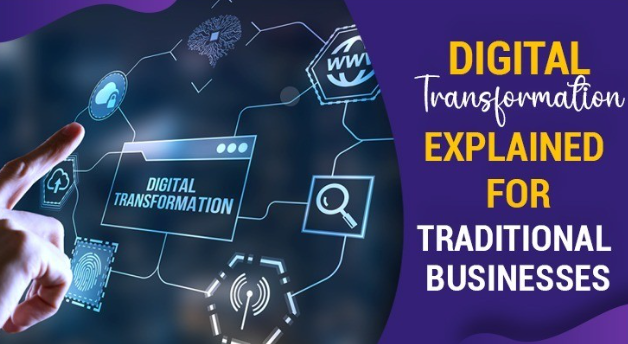
Digital transformation is a multidimensional process that encompasses the integration of digital technologies into all aspects of an organization’s operations, fundamentally altering its business model and how value is delivered to customers. For traditional corporate businesses, embracing digital transformation is no longer optional but a necessity for survival and growth in an increasingly competitive marketplace. This shift requires a comprehensive understanding of various facets of the organization, including technology adoption, organizational culture, and business processes.
The most prominent aspect of digital transformation is the adoption of new technologies that facilitate better data management, enhance customer engagement, and streamline operations. These technologies can range from cloud computing, artificial intelligence, to Internet of Things devices. Leveraging these tools allows businesses to collect and analyze vast amounts of data, leading to more informed decision-making processes and improved customer experiences.
However, technology alone is not sufficient. A successful digital transformation also necessitates a re-evaluation of existing business processes. Traditional workflows must be assessed and redesigned to maximize efficiency and responsiveness in the digital age. This might involve automation of routine tasks, rethinking supply chain management, and enhancing digital marketing strategies to reach broader audiences.
Furthermore, adapting the organizational culture is imperative to fully leverage the benefits of digital tools. This often requires fostering an environment of continuous learning and innovation, where employees are encouraged to embrace change and develop new skills that align with digital advancements. By cultivating a culture that is open to transformation, organizations can better position themselves to respond to market shifts and meet evolving customer expectations.
The Current State of Traditional Corporations
Traditional corporations, characterized by their established business models and longstanding operational practices, are currently navigating an increasingly complex landscape marked largely by rapid technological advancements and shifting market dynamics. One of the most significant challenges faced by these corporations is the prevalence of legacy systems. These outdated technological frameworks hinder agility and responsiveness, often leading to inefficiencies and an inability to leverage new digital tools effectively.
Moreover, traditional businesses are confronted with heightened market competition as digital-native companies streamline operations and capitalize on contemporary consumer behavior. Many traditional firms operate under the constraints of rigid hierarchies and bureaucratic decision-making processes that are ill-suited for the fast-paced demands of the digital economy. This mismatch is further exacerbated by the emergence of innovative business models that emphasize digital interaction with customers, which traditional corporations often struggle to replicate.
Additionally, evolving consumer expectations present another formidable obstacle. In today’s environment, customers increasingly anticipate seamless digital experiences — from personalized interactions to rapid service delivery. Traditional businesses, which have historically relied on face-to-face engagement and analog processes, must pivot and adapt their strategies to meet these new demands. Failure to do so not only risks losing customer loyalty but also opens the door for competitors willing to embrace digital transformation eagerly.
Thus, traditional corporations find themselves at a pivotal moment, facing the dual pressures of modernizing their operations while simultaneously maintaining their core business values. Addressing these challenges will require a thoughtful approach to digital transformation planning that takes into account both technological advancements and the evolving landscape of consumer needs.
Identifying Key Drivers for Digital Transformation
In the constantly evolving business landscape, traditional corporate enterprises are increasingly recognizing the necessity of digital transformation. Several key drivers contribute to this paradigm shift, influencing organizations to adopt new technologies and rethink their business strategies.
One of the primary drivers is changing customer demand. Today’s consumers are more tech-savvy than ever, expecting companies to offer seamless digital experiences. This expectation compels businesses to innovate their products and services, ensuring they align with contemporary consumer preferences. Failing to meet these demands can lead to diminished customer loyalty and loss of market share, further emphasizing the importance of digital transformation.
Technological advancements also play a significant role in driving digital transformation. The rapid pace at which technology evolves presents both opportunities and challenges. Emerging technologies such as artificial intelligence, machine learning, and cloud computing enable traditional businesses to enhance efficiency, improve decision-making, and foster innovation. As organizations become aware of the potential these technologies hold, they are motivated to implement changes that can help them stay relevant in their respective industries.
Moreover, competitive pressure is a critical factor that cannot be overlooked. As new, digitally native companies enter the market, traditional corporations face increased competition. To sustain their market position, established businesses are compelled to adopt digital tools and strategies that enable them to compete effectively. This competitive environment pushes companies to re-evaluate their operational methods and invest in digital solutions to maintain their edge.
Lastly, the pursuit of operational efficiency acts as a driver of digital transformation. By streamlining processes and leveraging technology to automate repetitive tasks, organizations can reduce costs and enhance productivity. This operational efficiency ultimately enables companies to deliver better value to their customers while ensuring sustained growth in a competitive market.
Developing a Strategic Digital Transformation Plan
Creating a successful digital transformation strategy requires a systematic approach that begins with setting clear organizational goals. The initial step should involve defining what the business aims to achieve through digital initiatives, such as enhancing customer experience, increasing operational efficiency, or fostering innovation. These objectives provide a crucial foundation, allowing stakeholders to understand the intended outcomes of the transformation process.
Following the establishment of goals, it is essential to conduct a thorough assessment of the current capabilities of the organization. This evaluation should encompass existing technology infrastructure, employee skills, and organizational culture. By identifying strengths and weaknesses, businesses can pinpoint areas that require improvement and investment. This assessment also aids in understanding the technological gaps that need to be bridged in order to achieve the desired goals.
Once the goals and current capabilities are clearly defined, the next step involves creating a roadmap for digital transformation. This roadmap should outline a series of actionable steps, timelines, and resources required to implement change effectively. It is advisable to prioritize initiatives based on their potential impact and feasibility. Moreover, this roadmap needs to be flexible, allowing for adjustments based on changing circumstances or emerging technologies.
Lastly, ensuring alignment between the digital transformation plan and overall business objectives is crucial for success. This involves engaging key stakeholders across various departments to facilitate a shared vision and commitment towards the transformation journey. Regular communication and updates can keep all team members informed and motivated, fostering a culture that embraces innovation and change.
Engaging Leadership and Stakeholders
The success of digital transformation within traditional corporate businesses is heavily dependent on the engagement and commitment of leadership and stakeholders. It is essential for leaders to recognize the significance of this process and to actively advocate for its seamless integration into the corporate culture. A strong leadership buy-in not only signals the importance of digital initiatives but also inspires confidence among employees, which is crucial for navigating change.
To secure commitment from leadership, it is vital to demonstrate how digital transformation aligns with the strategic goals of the organization. Presenting data-driven insights and case studies of successful transformations can effectively communicate the potential benefits. Moreover, fostering a culture of innovation within the organization encourages leadership to champion new initiatives actively, as they see firsthand the positive impact on operational efficiency and customer engagement.
Stakeholder engagement plays a complimentary role in this transformation process. Identifying key stakeholders and involving them early in the planning phase fosters collaboration and helps address any concerns they might have. Regular communication, including updates on progress and setbacks, is essential to maintain transparency. Engaging stakeholders in discussions around digital tools not only values their input but also cultivates a sense of ownership over the transformation effort.
Finally, creating cross-functional teams that involve diverse representation from various departments can encourage a more holistic approach to digital transformation. This inclusive strategy ensures that all perspectives are considered, leading to richer ideas and solutions tailored to meet organizational needs. By prioritizing engagement at leadership and stakeholder levels, traditional corporate businesses can successfully navigate the complexities of digital transformation, resulting in a more agile and innovative organization.
Investing in Technology and Tools
In the landscape of digital transformation, the investment in technology and tools is paramount for traditional corporate businesses striving to enhance efficiency, improve customer experience, and stay competitive. One essential technology is cloud computing, which provides scalable resources and services that can adapt to the fluctuating needs of a business. By adopting cloud solutions, organizations can ensure seamless accessibility and collaboration among teams, potentially leading to significant cost savings and operational agility.
Another critical area for investment is data analytics. Leveraging data analytics tools enables businesses to gain insights into customer behaviors, market trends, and operational efficiencies. This informed decision-making process enhances strategic planning and allows organizations to proactively address issues before they escalate. Companies can harness the power of big data analytics to develop predictive models, thus tailoring their services and products to meet market demands effectively.
Artificial Intelligence (AI) also plays a transformative role in business processes. By integrating AI-driven tools, organizations can automate routine tasks, enhance customer service through intelligent chatbots, and gain deeper insights from vast amounts of data. However, it is crucial for businesses to choose the right technological solutions that align with their unique objectives and operational requirements.
When selecting technology investments, businesses should consider factors such as scalability, ease of integration with existing systems, and total cost of ownership. Collaborating with technology partners who understand the specific challenges faced by traditional organizations can provide valuable insights and facilitate smoother transitions. Emphasizing the importance of training and change management cannot be overlooked, as employees must be equipped to maximize the potential of these new tools. This comprehensive approach to investing in technology and tools is essential for a successful digital transformation journey.
Managing Change and Employee Engagement
In the contemporary landscape of digital transformation, managing change effectively is crucial for traditional corporate businesses. The transition toward a more digital-focused operation not only involves technology but equally emphasizes the human aspect within the organization. Employee engagement plays a pivotal role in ensuring that the digital transformation is successful and sustainable.
First and foremost, organizations must prioritize training employees to familiarize them with new digital tools and processes. Effective training programs should be developed to cater to the diverse skill sets of employees, ensuring that all team members feel competent and confident in using new technologies. Workshops, hands-on demonstrations, and online resources can significantly enhance employees’ understanding and ease their transition into a digital environment.
Addressing resistance to change is another critical element in managing organizational change. Employees may feel apprehensive about their roles evolving or being replaced by digital solutions. To mitigate this, leaders should foster an open dialogue where employees can express their concerns and provide feedback. Transparent communication about the goals of the digital transformation can help in creating a culture of trust. Furthermore, involving employees in decision-making processes related to changes can increase their buy-in and reduce resistance.
Lastly, empowering employees during this transition is essential for maintaining high levels of engagement. Providing opportunities for employees to innovate, contribute ideas, and take ownership of their roles can enhance their sense of purpose within the organization. This engagement not only drives cooperation among staff but also promotes a collaborative environment where everyone is invested in the success of the digital transformation.
Measuring Success and Impact
As traditional corporate businesses embark on digital transformation initiatives, measuring the success and impact of these efforts becomes crucial. Organizations must establish a robust framework for evaluation that encompasses various key performance metrics (KPIs) designed to reflect the effectiveness of their digital initiatives. These metrics should be aligned with the company’s strategic goals and objectives to ensure a meaningful assessment of the transformation process.
One of the most critical KPIs to consider is customer engagement. This can be measured through metrics such as net promoter score (NPS), customer satisfaction scores, and the overall growth of customer interactions across digital platforms. Enhanced customer engagement is often a primary goal of digital transformation, as it indicates the business’s ability to utilize digital tools effectively to meet customer needs.
Moreover, operational efficiency metrics play a vital role in evaluating the impact of digital transformation. Metrics such as process cycle time, cost per transaction, and employee productivity can provide valuable insights into the efficiency gains achieved through digital initiatives. Analyzing these metrics allows businesses to identify areas for improvement and cost-saving opportunities that may arise from their digital investments.
Another essential aspect is the financial performance of the organization. Metrics such as revenue growth, return on investment (ROI), and profit margins should be regularly assessed to gauge the overall financial impact of digital transformation initiatives. By comparing these figures before and after implementing digital strategies, companies can obtain quantifiable evidence of their success.
In conclusion, measuring the success of digital transformation involves a multi-faceted approach using various KPIs. By focusing on customer engagement, operational efficiency, and financial performance, traditional corporate businesses can gain valuable insights into the effectiveness of their digital transformation efforts and make informed decisions moving forward.
Future Trends in Digital Transformation
As traditional corporate businesses navigate the complexities of digital transformation, it is essential to keep an eye on the future trends that will shape this journey. One prominent trend is the acceleration of artificial intelligence (AI) and machine learning technologies. Organizations are increasingly adopting AI to analyze consumer data, automate processes, and enhance decision-making capabilities. This shift not only enables businesses to respond more swiftly to market changes, but it also allows for the personalization of customer experiences, thereby fostering stronger brand loyalty.
Another critical trend is the emphasis on data-driven decision-making. With the exponential growth of data generation, corporations must harness big data analytics to gain insights into consumer behavior and market trends. This proactive approach enhances operational efficiency, facilitates informed strategy development, and ultimately contributes to competitive advantage. As organizations embrace a more data-centric approach, the real-time application of insights to adjust marketing strategies and product offerings becomes a necessity.
The rise of digital platforms also signifies a noteworthy evolution in business models. Subscription services, e-commerce, and on-demand solutions are becoming central to corporate strategies, reflecting significant shifts in consumer preferences. Businesses that can adapt their operations to leverage these digital platforms will be better positioned to serve a technology-driven customer base, fostering resilience and equipping them to thrive in disrupted markets. Furthermore, the focus on sustainability and corporate responsibility has emerged as a key driver of change, compelling businesses to integrate environmentally friendly practices into their digital transformation efforts.
To stay competitive, traditional corporate businesses must remain alert to these emerging trends in digital transformation. By understanding the technological advancements, shifts in consumer behavior, and evolving business models, organizations can better prepare for the future and increase their likelihood of successful transformation.