


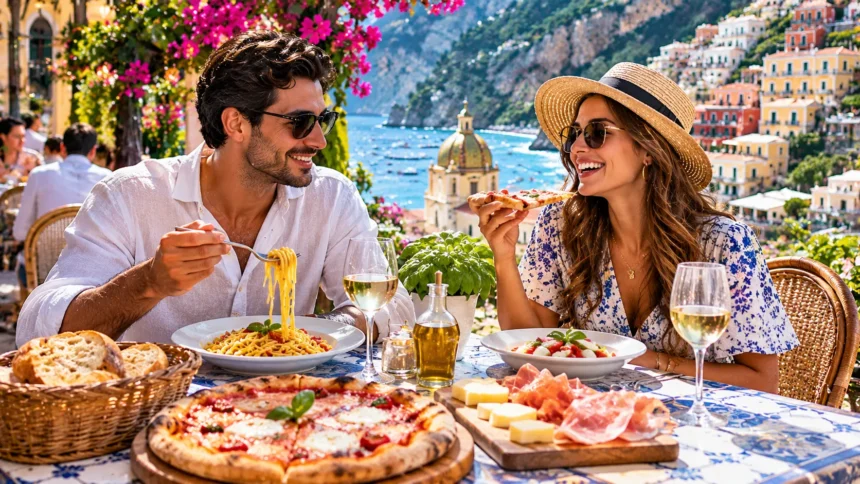
Italy is one of the world’s most exciting destinations for travelers who appreciate delicious food, beautiful landscapes, and unforgettable cultural experiences. From handmade pasta in Bologna to traditional pizza in Naples and fresh seafood along the Amalfi Coast, every region offers something special. However, choosing the right culinary experience can feel overwhelming when so many destinations and activities are available.
Luxury food tours in Italy provide an opportunity to explore authentic Italian cuisine while enjoying personalized services, private guides, and memorable dining experiences. These tours go beyond ordinary restaurant visits by introducing travelers to traditional cooking techniques, local ingredients, and regional food cultures.
What Are Luxury Food Tours in Italy?
Luxury food tours in Italy are premium travel experiences designed around authentic cuisine, regional ingredients, and personalized hospitality. Unlike standard sightseeing activities, these tours focus on discovering food traditions through guided tastings, cooking classes, market visits, and carefully selected restaurants. Many experiences also include private transportation and flexible schedules tailored to travelers’ interests.
A typical premium culinary tour may include visiting a traditional food market, meeting local producers, and enjoying a meal prepared by an experienced chef. Some operators arrange exclusive access to family-owned farms or artisan workshops. These experiences help visitors understand how Italian ingredients are grown, prepared, and incorporated into regional dishes.
The main attraction of luxury culinary travel is the combination of comfort, authenticity, and cultural discovery. Travelers can enjoy personalized attention while learning about traditional recipes and local food customs. Whether exploring a busy city or peaceful countryside, these experiences provide a meaningful connection with Italy’s remarkable culinary heritage.

What Makes a Luxury Italian Food Tour Different?
Luxury Italian food tours generally provide smaller groups, personalized itineraries, and greater flexibility compared with standard food excursions. Private guides can adjust activities according to dietary requirements, cultural interests, and preferred travel schedules. This approach allows visitors to explore destinations comfortably without following crowded routes or rushing between multiple attractions.
Another difference involves the quality and variety of culinary experiences included in the itinerary. Premium tours may feature private cooking lessons, visits to artisan producers, and dining at carefully selected restaurants. Instead of simply sampling popular dishes, travelers learn about regional ingredients, traditional preparation methods, and the history behind each specialty.
Comfortable transportation and attentive service are also important features of luxury food tourism. Some experiences include private drivers, countryside accommodations, and reserved dining arrangements. However, premium pricing does not automatically guarantee authenticity, so travelers should evaluate the experience, local expertise, and included services before making reservations.
Best Italian Destinations for Luxury Food Tours
Italy offers remarkable culinary diversity, making destination selection an important part of planning a luxury food vacation. Bologna is especially popular for handmade pasta, traditional ragù, and regional specialties from Emilia-Romagna. Nearby Parma and Modena provide opportunities to discover renowned cheese production, traditional balsamic vinegar, and the craftsmanship behind famous Italian ingredients.
Tuscany is another excellent destination for travelers who enjoy countryside scenery and traditional Italian cooking. Florence, Siena, and the surrounding villages feature fresh pasta, regional cheeses, olive oil, and rustic dishes prepared with local ingredients. Private culinary excursions can combine market visits, countryside dining, and hands-on cooking activities in beautiful rural settings.
Southern Italy provides equally memorable experiences through the distinctive food traditions of Naples, the Amalfi Coast, and Sicily. Naples is famous for traditional pizza, while coastal destinations highlight seafood and seasonal produce. Sicily introduces travelers to arancini, cannoli, fresh citrus, and regional recipes influenced by centuries of cultural exchange.
Private Cooking Classes With Professional Italian Chefs
Private cooking classes are among the most enjoyable experiences included in luxury food tours in Italy. These sessions allow travelers to learn traditional recipes directly from experienced chefs or local home cooks. Depending on the itinerary, classes may take place in professional kitchens, countryside villas, or family-owned cooking studios.
A typical lesson may begin with selecting fresh ingredients before learning how to prepare handmade pasta, sauces, or classic Italian desserts. Instructors often explain the importance of ingredient quality, preparation techniques, and regional cooking traditions. Smaller classes provide more opportunities to ask questions and practice techniques with personalized guidance.
After preparing the dishes, participants usually enjoy the meal together in a relaxed setting. This provides an opportunity to appreciate the results while discussing Italian dining customs and cooking traditions. Some classes also provide written recipes, allowing travelers to recreate their favorite dishes after returning home from Italy.
Exploring Local Food Markets and Traditional Producers
Visiting local markets is an essential part of many premium Italian culinary experiences. Markets provide an introduction to seasonal vegetables, fresh fruits, artisan cheeses, handmade products, and traditional ingredients. A knowledgeable local guide can explain regional specialties while introducing travelers to vendors who understand the history and preparation of their products.
In cities such as Florence, Rome, and Bologna, guided market visits can reveal how different ingredients contribute to everyday Italian cooking. Travelers may discover regional pasta shapes, traditional breads, preserved vegetables, and locally produced olive oil. These activities provide a practical understanding of Italian food culture beyond restaurant menus.
Luxury tours may also include visits to smaller producers located outside major cities. Family-owned cheese dairies, olive farms, and artisan workshops provide opportunities to learn about traditional manufacturing techniques. Meeting producers helps visitors appreciate the time, skill, and regional knowledge involved in creating high-quality Italian food products.
Discovering Italy’s Famous Pasta and Pizza Traditions
Pasta is one of Italy’s most recognizable foods, but preparation methods vary considerably between regions. Emilia-Romagna is known for fresh egg pasta, while Rome is associated with traditional dishes such as carbonara and cacio e pepe. Luxury culinary tours often explore these differences through restaurant visits and practical cooking demonstrations.
A private pasta-making experience may introduce travelers to kneading dough, rolling fresh pasta, and preparing traditional shapes. Instructors can also explain how sauces complement different pasta varieties. These activities create an engaging experience because participants learn techniques that can be used in their own kitchens.
Pizza experiences are especially popular in Naples, where traditional Neapolitan pizza remains an important part of local food culture. Guided culinary activities may explain dough preparation, ingredient selection, and traditional baking methods. Enjoying freshly prepared pizza while learning about its history provides a memorable introduction to southern Italian cuisine.
Luxury Food Experiences in Tuscany’s Countryside
Tuscany is an attractive destination for luxury food travelers because it combines traditional cuisine with beautiful countryside landscapes. Rolling hills, olive groves, historic villages, and family-owned farms create a peaceful setting for culinary exploration. Private experiences often focus on regional ingredients, rustic cooking techniques, and carefully prepared meals featuring seasonal produce.
Olive oil tastings provide an interesting introduction to one of the region’s most important culinary products. Visitors can learn how olives are harvested, processed, and transformed into extra virgin olive oil. Guided tastings may explain differences in aroma, flavor, and texture while demonstrating how high-quality olive oil enhances traditional Italian dishes.
Countryside cooking experiences can also include preparing handmade pasta, vegetable dishes, and regional desserts. Some luxury estates provide private dining arrangements overlooking gardens or rural landscapes. Combining food education with comfortable surroundings makes Tuscany particularly appealing for travelers seeking a slower and more immersive Italian vacation.
Gourmet Dining and Exclusive Restaurant Experiences
Gourmet dining is another important component of luxury food tours in Italy. Premium culinary itineraries may include reservations at renowned restaurants, intimate trattorias, and establishments specializing in regional cuisine. These experiences allow travelers to explore different cooking styles while appreciating the creativity and craftsmanship of experienced Italian chefs.
Some tours include chef’s table experiences or private dining arrangements where guests can learn about menu preparation and ingredient selection. Seasonal tasting menus may feature several small courses designed to highlight regional produce. The emphasis is often on freshness, balance, and culinary storytelling rather than simply serving elaborate dishes.
Traditional restaurants can be equally rewarding when they preserve authentic recipes and local cooking methods. A family-run trattoria may provide memorable food and hospitality without the formal atmosphere of fine dining. Luxury culinary travel works best when premium service is combined with genuine regional flavors and meaningful cultural experiences.
Cheese, Olive Oil, and Traditional Balsamic Vinegar Tastings
Italy produces many famous ingredients that play important roles in its culinary identity. Parmigiano Reggiano, mozzarella, pecorino, and other regional cheeses reflect different production traditions. Luxury food tours can introduce travelers to these products through guided tastings, educational demonstrations, and visits to specialized producers.
Emilia-Romagna is particularly famous for Parmigiano Reggiano and traditional balsamic vinegar. Visitors may explore cheese dairies to understand how milk is transformed into carefully matured cheese. In the Modena area, traditional balsamic vinegar producers explain the aging process and the craftsmanship involved in creating distinctive flavors.
Olive oil tastings are also popular in regions such as Tuscany, Umbria, and Puglia. Knowledgeable guides can explain how olive varieties, harvesting methods, and production techniques influence the finished product. These educational experiences help travelers appreciate the quality and cultural importance of ingredients commonly used in Italian kitchens.
How Much Do Luxury Food Tours in Italy Cost?
The price of luxury food tours in Italy varies according to destination, duration, group size, and included services. As an approximate planning guide, private half-day culinary experiences may cost around €150–€400 per person. More elaborate experiences involving private transportation, exclusive dining, or specialized activities can cost considerably more.
Full-day private culinary excursions may range from approximately €300 to €800 or more per person, depending on the itinerary and group arrangements. Multi-day luxury food vacations can cost several thousand euros when premium accommodations and extensive transportation services are included. These figures are indicative estimates rather than fixed market prices.
Before booking, carefully review whether your package includes meals, tastings, cooking classes, entrance fees, and transportation. Some operators charge separately for additional activities or specialized dining arrangements. Comparing the complete experience helps travelers understand the value provided and avoid unexpected expenses during their Italian culinary vacation.
Best Time to Experience Luxury Food Tours in Italy
Italy offers rewarding culinary experiences throughout the year, although seasonal ingredients and regional conditions influence available activities. Spring and autumn are particularly attractive because many destinations experience comfortable sightseeing temperatures. These seasons are also suitable for countryside visits, outdoor dining, and exploring traditional food markets without the intense summer heat.
Autumn is especially interesting for travelers who enjoy seasonal culinary traditions. Different regions celebrate ingredients such as mushrooms, chestnuts, truffles, and newly harvested olives. In areas such as Piedmont and Tuscany, seasonal food experiences can introduce visitors to regional specialties that are closely connected with local agricultural traditions.
Summer provides lively outdoor markets, beautiful coastal dining, and opportunities to enjoy fresh produce and regional desserts. However, popular destinations may become crowded, and temperatures can be high. Winter offers a quieter alternative in some cities, with warming traditional dishes, seasonal markets, and comfortable indoor cooking experiences.
How to Choose the Right Luxury Food Tour in Italy
Choosing the right luxury culinary tour begins with identifying the experiences that interest you most. Some travelers prefer hands-on cooking classes, while others enjoy local market visits, countryside excursions, or gourmet restaurant experiences. Understanding these preferences helps narrow down the available options and create a more satisfying food-focused vacation.
Consider the operator’s local knowledge, group size, transportation arrangements, and flexibility when comparing tours. Experienced local guides can explain the cultural background of traditional dishes and introduce visitors to authentic producers. Private tours may provide additional comfort, particularly for families or travelers with specific scheduling and accessibility requirements.
Dietary needs should also be discussed before confirming a reservation. Many operators can accommodate vegetarian preferences, food allergies, or other requirements when given sufficient notice, although accommodations vary. Checking cancellation policies, physical activity levels, and included services helps ensure the experience matches your expectations and travel plans.
Conclusion
Luxury food tours in Italy provide an unforgettable opportunity to explore the country’s remarkable culinary heritage through personalized experiences. From handmade pasta in Bologna to traditional pizza in Naples and countryside cooking in Tuscany, every destination introduces different flavors and food traditions. These experiences combine cultural discovery, comfortable travel, and memorable dining.
The most rewarding culinary adventures often include opportunities to interact with local chefs, visit traditional producers, and learn how regional ingredients are prepared. Private cooking lessons, artisan tastings, and carefully selected restaurants help travelers understand Italian food beyond familiar dishes. Choosing experiences that reflect personal interests makes the journey even more enjoyable.
Whether you’re planning a romantic getaway, family vacation, or dedicated culinary holiday, Italy provides extraordinary opportunities for food-focused travel. Select your destinations carefully, consider seasonal specialties, and book preferred experiences in advance. With thoughtful planning, your luxury Italian food adventure can become a memorable journey filled with authentic flavors and meaningful discoveries.
Frequently Asked Questions (FAQs)
What Is Included in a Luxury Food Tour in Italy?
Luxury food tours may include private guides, traditional food tastings, cooking classes, artisan producer visits, gourmet dining, and comfortable transportation. Specific inclusions depend on the destination and selected travel package.
Which Italian City Is Best for Luxury Food Tours?
Bologna is an excellent choice for traditional pasta, cheese, and regional specialties. Florence, Rome, Naples, and Palermo also provide memorable culinary experiences featuring different Italian food traditions.
How Much Does a Private Food Tour in Italy Cost?
Private half-day food tours may cost approximately €150–€400 per person, while full-day experiences can cost €300–€800 or more. Prices vary according to group size, activities, transportation, and dining arrangements.
Are Luxury Food Tours in Italy Suitable for Families?
Yes, many luxury food tours welcome families and provide engaging activities such as pasta-making classes, market visits, and traditional dessert workshops. Confirm age requirements and dietary accommodations before booking.
What Is the Best Month for a Luxury Food Tour in Italy?
May, September, and October are attractive months for Italian culinary travel because of generally pleasant weather and seasonal ingredients. The ideal month depends on your destination and preferred food experiences.