


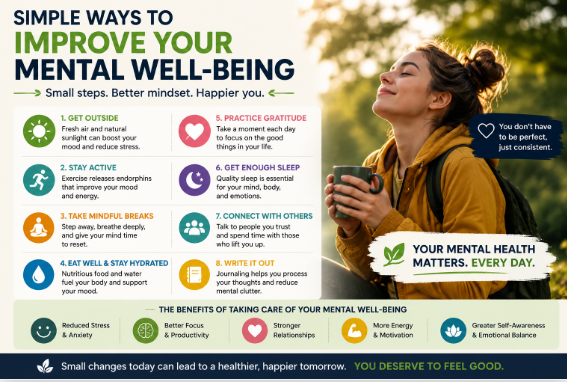
Understanding Mental Well-Being
Mental well-being is a fundamental aspect of our overall health that encompasses emotional, psychological, and social factors. It influences how we think, feel, and act, playing a key role in our ability to navigate life’s challenges and interact with others. A positive state of mental well-being not only supports personal happiness but also enhances resilience against stress and adversity.
Emotional stability is a vital component of mental well-being. It allows individuals to manage their emotional reactions effectively, fostering a balanced approach to both positive and negative experiences. Emotional stability can lead to higher levels of self-esteem and confidence, enabling people to pursue goals and handle setbacks with grace. Moreover, an emotionally stable individual is likelier to maintain healthier relationships, as they often communicate more openly and respond constructively to others’ emotions.
Social connectedness also significantly contributes to mental well-being. The presence of supportive relationships can elevate feelings of belonging and reduce loneliness, which can have detrimental effects on mental health. Connecting with family, friends, or community groups provides individuals with emotional support, offers opportunities for social engagement, and can lead to shared experiences that enhance life satisfaction.
Lastly, a sense of purpose greatly influences mental well-being. Having clear goals and a meaningful direction in life can provide individuals with motivation and fulfillment. This sense of purpose can derive from career aspirations, volunteer work, or personal projects, leading to increased feelings of accomplishment and positive emotional states. Collectively, these components—emotional stability, social connectedness, and a sense of purpose—form the foundation of good mental health, highlighting the importance of nurturing one’s mental well-being in daily life.
The Importance of Self-Care
Self-care is a critical aspect of enhancing mental well-being, as it encompasses the range of activities that individuals engage in to maintain health, manage stress, and promote a sense of balance in their lives. Emphasizing self-care encourages individuals to prioritize their physical, emotional, and psychological needs, which can directly impact their mental health.
One of the cornerstones of self-care is ensuring adequate sleep. Research indicates that a good night’s sleep significantly contributes to emotional regulation and cognitive function. When individuals consistently experience insufficient rest, they may find themselves more vulnerable to stress, anxiety, and depression. Therefore, establishing a regular sleep routine, creating a restful environment, and prioritizing relaxation techniques are essential components of effective self-care.
A balanced diet also plays a crucial role in supporting mental health. The foods we consume directly influence our brain’s chemistry and, consequently, our mood. Incorporating a variety of fruits, vegetables, whole grains, and healthy fats can enhance brain function and decrease symptoms of anxiety and depression. Moreover, staying hydrated and being mindful of one’s nutritional intake fosters overall well-being.
Engaging in regular physical activity is another vital facet of self-care which has been shown to release endorphins, commonly known as “feel-good” hormones. This natural source of happiness not only reduces stress but also serves as an effective intervention for combating feelings of sadness and anxiety. Activities such as walking, yoga, or dancing can be incorporated into one’s routine, providing both physical health benefits and mental relief.
Ultimately, fostering a self-care practice can lead to enhanced resilience, better emotional health, and improved quality of life. By dedicating time to these essential strategies, individuals can cultivate habits that promote a more balanced and fulfilling existence, reinforcing their mental well-being in the process.
Building a Supportive Network
Fostering strong relationships is essential for maintaining good mental well-being. A supportive network, comprising friends, family, and community, can serve as a crucial buffer against the challenges of daily life. These connections provide emotional support, which is invaluable during difficult times, helping individuals to navigate through stress and adversity more effectively.
Nurturing friendships allows individuals to share their experiences and feelings, ensuring they do not feel alone in their struggles. Social interaction is crucial; it can alleviate feelings of isolation that many people experience in today’s fast-paced world. Engaging with a diverse community fosters a sense of belonging and contributes positively to one’s self-esteem and confidence. Individuals who are actively involved in their communities often report higher levels of happiness and fulfillment.
In addition, a strong support network encourages open communication, allowing for a healthy expression of emotions. By talking things through with trusted friends or family, individuals can gain different perspectives and solutions to problems they may face. This network also provides a source of motivation, reinforcing positive behaviors and encouraging personal growth.
Moreover, sharing moments of joy and support can create a positive feedback loop, contributing to enhanced mental resilience. When individuals feel supported, they are more likely to cope effectively with stressors, resulting in better mental health outcomes. It is vital to recognize the importance of building and maintaining these connections, as they form the foundation of a healthy and balanced life.
Ultimately, investing time and effort into developing a supportive network not only enriches relationships but also fortifies one’s own mental well-being. Therefore, one should actively seek to cultivate these connections as part of their overall mental health strategy.
Practicing Mindfulness and Meditation
Mindfulness and meditation have gained considerable attention in recent years, becoming integral components of mental well-being. Mindfulness involves focusing on the present moment, embracing thoughts and feelings without judgment. This practice encourages a heightened awareness of one’s surroundings and inner experiences, ultimately aiding in stress reduction and emotional regulation. Meditation, a method beneath the mindfulness umbrella, involves sustained concentration and awareness, often leading to a measurable reduction in anxiety levels.
The benefits of engaging in mindfulness and meditation are manifold. Research indicates that regular mindfulness practice can decrease symptoms of anxiety, enhance emotional resilience, and increase overall happiness. By cultivating a mindful attitude, individuals can develop a better understanding of their thoughts and emotions, leading to healthier responses during challenging situations.
Incorporating mindfulness into daily routines does not necessitate significant time commitments. Simple techniques can be readily adopted to promote awareness in everyday activities. For instance, individuals can engage in mindful breathing exercises, where one focuses on inhaling and exhaling slowly, bringing attention to the rhythm of breath. This exercise can be performed anywhere, making it a convenient option to alleviate stress.
Another effective method includes the practice of mindful observation, where individuals attentively observe their surroundings, focusing on details often overlooked. Whether it’s during a walk or while enjoying a cup of tea, this technique fosters a deeper connection with one’s environment while cultivating a sense of tranquility.
In conclusion, embracing mindfulness and meditation as part of daily life can lead to significant improvements in mental well-being. By implementing simple practices that promote awareness and emotional balance, individuals can actively reduce stress and enhance their overall quality of life.
Setting Realistic Goals
Setting realistic goals is a fundamental strategy for enhancing mental well-being. When individuals establish achievable objectives, it fosters motivation and a sense of direction. Large, daunting goals can often seem unmanageable, leading to feelings of anxiety and frustration. By contrast, breaking these overarching aims into smaller, more manageable tasks allows for gradual progress, which can elevate self-esteem and reinforce a sense of accomplishment.
For instance, if someone wishes to improve their fitness, an initial goal of running a marathon might feel overwhelming. Instead, setting incremental targets, such as walking a certain distance each day or gradually increasing running time, can provide clear benchmarks that are easier to track. This approach not only diminishes the intimidation factor but also helps individuals celebrate small victories along the way, which contributes positively to mental health.
Moreover, realistic goals should be specific, measurable, achievable, relevant, and time-bound (SMART). This framework provides clarity and ensures that the goals one sets are truly attainable, thus preventing discouragement. Setting such structured goals encourages a more mindful approach to personal development, allowing individuals to focus on what they can control, rather than on unrealistic aspirations that may lead to burnout.
In this regard, setting goals that align with personal values and interests is crucial. When individuals work toward goals that resonate with them, they cultivate a sense of purpose that further enhances their mental well-being. Therefore, by implementing the practice of setting realistic goals and acknowledging progress, individuals can effectively navigate their pathways to improved mental health.
Engaging in Hobbies and Interests
Engaging in hobbies and personal interests can serve as an essential therapeutic outlet for individuals seeking to enhance their mental well-being. The practice of dedicating time to creative activities or leisure pursuits allows individuals to experience joy and fulfillment, which is crucial for maintaining a balanced mental state. Whether it be painting, gardening, playing a musical instrument, or even engaging in sports, hobbies contribute significantly to emotional health.
Participating in such activities provides a valuable distraction from everyday stressors. When one immerses oneself in a hobby, it shifts the focus away from distressing thoughts or anxieties, creating a space for an individual to unwind and de-stress. This form of engagement not only alleviates immediate tension but also promotes a sense of accomplishment and pride in one’s efforts. This is particularly beneficial in fostering resilience during tough times.
Additionally, hobbies and interests can help in building and enhancing one’s sense of identity. Individuals often express themselves through the activities they choose to engage in, allowing for personal growth and exploration. This self-expression can reinforce feelings of uniqueness and foster strong connections with others who share similar interests.
Moreover, becoming part of a hobby group or club can cultivate social connections, further supporting mental wellness. These social interactions alleviate feelings of loneliness and isolation, promoting a sense of community and belonging. Such engagement not only enriches one’s social life but also reinforces mental health through shared experiences.
In summary, engaging in hobbies and interests serves multiple therapeutic functions, from providing emotional relief to enhancing personal identity and fostering social connections. Therefore, actively pursuing these activities can ultimately lead to improved mental well-being.
Physical Activity and Mental Health
Physical activity plays a significant role in enhancing mental health and overall well-being. Engaging in regular exercise has been shown to reduce symptoms of anxiety, depression, and stress while promoting a sense of calm and happiness. This can be attributed to the release of endorphins, often referred to as the body’s natural feel-good chemicals. Endorphins interact with the receptors in your brain, reducing the perception of pain and triggering a positive feeling in the body, often referred to as a “runner’s high.”
There are various forms of exercise that one can participate in to reap these mental health benefits. Aerobic exercises, such as running, cycling, swimming, and even brisk walking, are especially effective in boosting mood and alleviating depressive symptoms. Resistance training has also been linked to improvements in mental health, showing that lifting weights can increase feelings of self-efficacy and body image, contributing to better overall mood.
Incorporating physical activity into daily life doesn’t have to be daunting, and it can be accomplished through simple adjustments. For instance, consider taking short breaks to walk during work hours or commuting by bike instead of driving. Engaging in activities such as yoga or tai chi not only promotes physical fitness but also aids in enhancing mindfulness and relaxation.
Additionally, joining group classes or local sports teams can provide a sense of community and accountability, making it easier to stay motivated. Moreover, regular scheduling of physical activities can help solidify them into a healthy routine, ensuring consistent movement throughout the week. Prioritizing physical activity is a straightforward yet powerful way to enhance mental health and improve your overall quality of life.
Limiting Screen Time and Media Consumption
In the modern era, technology and screens dominate everyday life. While these advancements have fostered connectivity and access to information, excessive screen time and social media use can significantly affect mental well-being. Studies indicate that prolonged exposure to screens can lead to increased feelings of anxiety, depression, and social isolation. In particular, social media platforms often contribute to negative self-perception through comparison with others, which can diminish self-esteem and create feelings of inadequacy.
To counter the adverse effects of screen time, it is essential to establish boundaries around technology use. One effective strategy is the implementation of screen time limits, which can be tailored to individual needs and routines. For instance, setting specific hours for technology-free activities can help individuals regain control over their time and prioritize real-life interactions. These interactions can foster deeper connections with family and friends and promote a stronger support system.
In addition, incorporating regular breaks from screens throughout the day can enhance mental clarity and productivity. Engage in activities that do not involve screens, such as reading a book, participating in outdoor activities, or practicing mindfulness techniques like meditation or yoga. These activities can provide a refreshing change and encourage a healthier balance between the digital and real world.
Moreover, consider adjusting notification settings to minimize distractions from social media and other applications. By reducing the number of interruptions from constant notifications, individuals can experience improved focus and mental tranquility. Setting designated times for engaging with social media can also prevent habitual use and allow for more intentional interactions.
Seeking Professional Help When Needed
The journey towards improved mental well-being can often be challenging, and it is crucial to recognize when the support of a professional is necessary. Mental health issues can manifest in various forms, including anxiety, depression, or stress-related disorders, and may significantly impact daily functioning and quality of life. Seeking help from a qualified mental health provider is an important step in managing these conditions effectively.
There are numerous signs that indicate it may be time to consult a mental health professional. These signs may include persistent feelings of sadness or hopelessness, overwhelming anxiety, difficulty in concentrating, or changes in sleep and appetite. If daily activities become increasingly difficult to manage, it is essential to consider the possibility that professional intervention could be beneficial. Furthermore, individuals may find that talking to someone outside their immediate social circle can provide a fresh perspective and the emotional support needed during challenging times.
When approaching the decision to seek therapy or counseling, individuals should be aware of the various options available. Mental health providers include psychologists, psychiatrists, licensed counselors, and clinical social workers, each offering different approaches and modalities. Scheduling an initial consultation can provide an opportunity to discuss specific needs, enabling the individual to choose the right professional based on their unique situation.
The benefits of engaging with a mental health professional are manifold. Therapy can assist individuals in developing coping strategies, improving self-awareness, and fostering resilience against life’s challenges. Furthermore, many find that discussing their thoughts and feelings in a safe, supportive environment can significantly reduce feelings of isolation and distress. While the process of seeking help may feel daunting, it is a vital component in the journey towards improved mental well-being.