

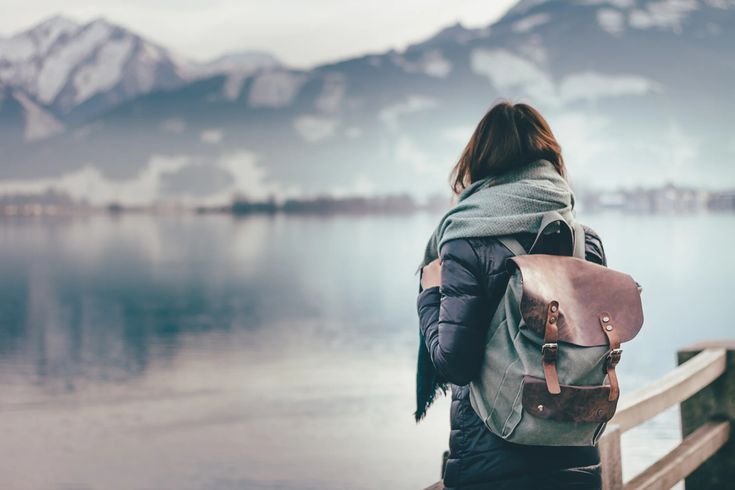
Solo travel offers freedom, flexibility, and the opportunity for personal growth. It allows you to explore new destinations at your own pace, discover different cultures, and build confidence through independent experiences. However, traveling alone can sometimes lead to feelings of loneliness, especially during long trips or while visiting unfamiliar places.
The good news is that loneliness is a common experience for many solo travelers and can often be managed with a few practical strategies. By staying connected, engaging with others, and embracing new experiences, you can enjoy a rewarding and memorable journey.
Why Solo Travelers Feel Lonely
Loneliness can happen for many reasons while traveling.
Being away from family and friends, spending long periods alone, language barriers, and unfamiliar surroundings may contribute to feelings of isolation. Social media can also create unrealistic expectations, making travelers feel they should constantly be having exciting experiences.
Recognizing that occasional loneliness is normal can make it easier to deal with these emotions.

Choose Social Accommodations
Where you stay can greatly influence your travel experience.
Hostels, guesthouses, shared apartments, and community-focused accommodations often provide opportunities to meet fellow travelers. Many organize group dinners, walking tours, or social events that encourage conversation and friendship.
Even if you prefer private rooms, joining shared activities can help you connect with others.
Join Local Tours and Activities
Participating in organized activities is an easy way to meet people with similar interests.
Consider joining:
- Walking tours
- Cooking classes
- Hiking groups
- Museum tours
- Cultural workshops
- Food tasting experiences
These activities create natural opportunities for conversation while helping you learn more about your destination.
Stay Connected with Family and Friends
Regular communication with loved ones can provide emotional support while traveling.
Video calls, messages, and sharing photos help you stay connected without reducing the excitement of exploring independently. Setting aside a few minutes each day to check in can provide reassurance during longer trips.
Visit Community Spaces
Public spaces often make it easier to meet people naturally.
Spend time in local cafés, libraries, parks, coworking spaces, or community events. These environments allow you to observe local culture while increasing opportunities for casual conversations.
Simply being around others can reduce feelings of isolation.
Learn a Few Local Phrases
Making an effort to communicate in the local language shows respect and often leads to friendlier interactions.
Simple greetings, polite expressions, and common travel phrases can help break the ice with local residents and make everyday experiences more enjoyable.
Even basic language skills can build confidence.
Keep a Flexible Schedule
Packing every hour with activities can become exhausting, while having no plans at all may increase feelings of loneliness.
A balanced itinerary allows time for sightseeing, relaxation, and spontaneous experiences. Remaining flexible also makes it easier to accept invitations or discover unexpected opportunities.
Enjoy Time Alone
Solo travel also offers valuable opportunities for self-reflection.
Reading in a park, writing in a journal, taking photographs, or enjoying a quiet meal can become meaningful experiences rather than moments of loneliness.
Learning to appreciate your own company is one of the greatest rewards of independent travel.
Use Technology Wisely
Travel apps and online communities can help you discover local events and connect with other travelers.
At the same time, avoid spending excessive time scrolling through social media. Constant comparisons with carefully curated online posts can make loneliness feel worse.
Focus on creating your own meaningful experiences.
Prioritize Your Well-Being
Maintaining healthy habits can improve both physical and emotional health while traveling.
- Get enough sleep.
- Eat balanced meals.
- Stay hydrated.
- Exercise regularly.
- Spend time outdoors.
- Take breaks when needed.
Looking after your health often improves your mood and overall travel experience.
Be Open to New Friendships
Some of the best travel memories come from unexpected conversations.
Smile, be approachable, and start simple conversations with fellow travelers, local guides, or café staff when appropriate. Even brief interactions can make your day feel more connected.
Not every meeting will become a lasting friendship, but each conversation adds to the experience.
Practice Safe Socializing
While meeting new people is one of the joys of solo travel, personal safety should always remain a priority.
Meet people in public places, let someone know your plans, trust your instincts, and avoid sharing sensitive personal information with strangers.
Balancing openness with caution helps create a safer travel experience.
Embrace Personal Growth
Solo travel encourages independence, resilience, and adaptability.
Challenges such as navigating unfamiliar places or overcoming moments of loneliness often become valuable learning experiences. Many travelers return home with greater confidence and a stronger sense of self.
Viewing loneliness as a temporary part of the journey can make it easier to move forward.
Conclusion
Traveling alone can be both exciting and challenging. While occasional loneliness is a natural part of solo travel, it does not have to define your experience. By staying connected with loved ones, joining local activities, meeting fellow travelers, maintaining healthy routines, and embracing opportunities for self-discovery, you can transform solitary moments into meaningful experiences.
Solo travel is not only about exploring new destinations—it is also an opportunity to grow personally, build confidence, and create unforgettable memories that stay with you long after the journey ends.
Frequently Asked Questions (FAQs)
1. Is it normal to feel lonely while traveling alone?
Yes. Many solo travelers experience occasional loneliness, especially during longer trips or when visiting unfamiliar places.
2. How can I meet people while traveling solo?
You can join walking tours, stay in social accommodations, attend local events, participate in classes, and visit community spaces where conversations happen naturally.
3. Can solo travel improve confidence?
Yes. Navigating new environments independently often helps develop problem-solving skills, resilience, and self-confidence.
4. Should I stay connected with family while traveling?
Yes. Regular communication with family and friends can provide emotional support while allowing you to enjoy your independence.
5. How can I stay safe while meeting new people?
Meet in public places, trust your instincts, avoid oversharing personal information, and let someone know your plans when appropriate.
6. What should I do if loneliness becomes overwhelming during a trip?
Reach out to trusted friends or family, participate in group activities, maintain healthy routines, and consider shortening or adjusting your itinerary if your emotional well-being is significantly affected.