

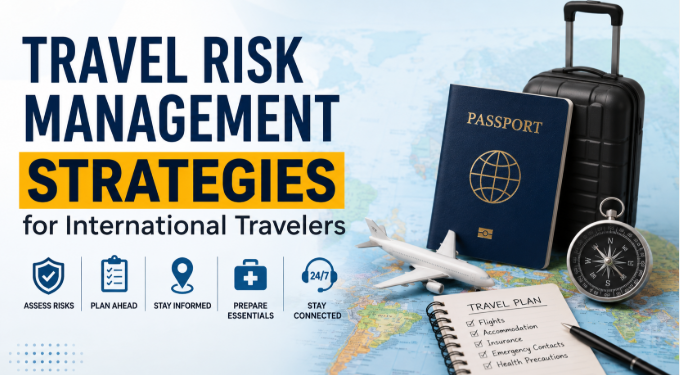
Introduction to Travel Risk Management
Travel risk management is a systematic approach aimed at identifying, assessing, and mitigating the potential risks faced by international travelers. This critical element of global travel encompasses a variety of risks, including health hazards, security threats, and the impacts of natural disasters. Understanding these risks is fundamental for anyone planning to travel abroad, allowing for informed decisions and appropriate precautions.
Health risks are an increasingly significant concern for travelers. These may range from infectious diseases to inadequate medical care in certain destinations. Vaccinations, travel insurance, and access to healthcare facilities are vital components of health risk management. Moreover, travelers must remain vigilant about food and water safety, as well as personal health during their journeys.
Security risks are another paramount consideration. These may involve the potential for theft, scams, or civil unrest in various regions. Travelers must familiarize themselves with current geopolitical situations, understanding local laws and customs to navigate unfamiliar environments safely. Utilizing resources such as travel advisories and local contacts can provide critical insights that enhance personal safety.
Natural disasters, including earthquakes, hurricanes, and floods, represent an unpredictable risk that can severely impact travel plans. Effective risk management strategies involve both preparation and response readiness. Familiarizing oneself with the standard operating procedures in the event of a disaster, as well as understanding the geographic risks associated with a destination, are integral to minimizing harm.
In essence, comprehensive planning and preparation are essential components of travel risk management. By proactively addressing potential challenges, international travelers can significantly decrease their vulnerability and enhance their overall travel experience. This approach not only fosters peace of mind but also empowers individuals to enjoy their journeys with confidence.
Understanding the Types of Risks in International Travel
International travel encompasses a variety of risks that can impact travelers in numerous ways. These risks broadly fall into several categories, which can be crucial for anyone planning to travel abroad. One of the primary types of risk is health-related risks. Travelers may encounter disease outbreaks, such as malaria, dengue, or COVID-19, and these health threats can vary significantly depending on the region. It is imperative for travelers to be aware of vaccination requirements and health advisories pertinent to their destination to mitigate these risks effectively.
Equally important are safety risks, which include potential theft, assault, or even terrorism. Certain regions may have elevated crime rates or are known hotspots for criminal activity. As such, understanding local safety conditions and taking precautions—like securing valuables and being aware of one’s surroundings—can be critical in reducing the likelihood of falling victim to crime.
Moreover, environmental factors contribute significantly to travel risk management. Political instability can lead to sudden changes in safety and security; protests, civil unrest, or governmental changes may occur unexpectedly, making it essential to stay informed through reliable news sources. Additionally, natural disasters such as earthquakes, hurricanes, or floods can pose serious risks that may disrupt travel plans. Prior research into the historical weather patterns and geological activity of the region can provide travelers a clearer understanding of what to expect.
In essence, international travel brings with it a range of potential risks that require significant attention from travelers. By recognizing health-related concerns, safety issues, and environmental factors, individuals can better prepare themselves for a safer journey abroad.
Pre-Travel Risk Assessment
Before embarking on any international journey, conducting a pre-travel risk assessment is crucial for ensuring personal safety and well-being. The initial step involves thorough research on your destination. Understanding local laws and customs can significantly affect your experience abroad. Different cultures may have diverse expectations regarding behavior, dress codes, and social interactions. Familiarizing yourself with these nuances can not only prevent misunderstandings but also foster respect and appreciation for the local way of life.
Additionally, evaluating potential hazards specific to the area is essential. This includes acknowledging natural risks such as extreme weather conditions, political instability, or health concerns prevalent in the region. Travelers should keep abreast of local news and review online platforms that provide valuable insights into current affairs within the destination country.
Furthermore, checking travel advisories from government sources, such as the U.S. Department of State or equivalent agencies in other countries, can provide critical information regarding safety concerns. These advisories often highlight risks related to crime, health, or natural disasters and may recommend precautions or even reconsideration of travel arrangements. It is also advisable to cross-reference multiple sources to gain a well-rounded understanding of the situation.
Finally, families and individuals should build a contingency plan to address any disruptions that may arise. This plan might involve identifying emergency services or establishing communication channels with local authorities. Adequate preparation lays a strong foundation for a secure journey, allowing travelers to immerse themselves in their experiences with confidence.
Travel Insurance: A Crucial Component
Travel insurance is an essential component of effective travel risk management, offering a safety net for international travelers against a variety of unforeseen events. It is designed to mitigate financial losses that could arise due to emergencies such as trip cancellations, medical emergencies, lost baggage, and other unexpected incidents that may occur during travel. By investing in a suitable travel insurance policy, travelers can protect themselves from potential hazards, allowing for a more secure travel experience.
There are several types of travel insurance policies available, each catering to different needs. Comprehensive travel insurance typically includes coverage for trip cancellations, medical expenses, emergency evacuation, and personal liability. For travelers engaging in adventurous activities, specialized adventure travel insurance can be beneficial, offering coverage for risks associated with activities such as hiking, skiing, or diving. Additionally, some travelers may opt for basic policies that cover only essential services, while others may choose policies that include coverage for pre-existing conditions.
When selecting the right travel insurance, it is crucial to assess individual travel needs and destinations. Comparing different policies is advisable to understand the scope of coverage they offer. Travelers should pay attention to the policy’s fine print, including exclusions and limitations, to ensure that they choose a plan that aligns with their circumstances. Specifically, understanding the claims process and available customer support is critical when evaluating the reliability of an insurance provider.
The benefits of having travel insurance become particularly evident in emergency situations. For instance, if a traveler experiences a medical emergency abroad, having the right insurance can facilitate urgent medical treatment without the burden of prohibitive costs. Similarly, in the event of a trip cancellation, travel insurance can help recover prepaid expenses, which can otherwise amount to significant financial strain. Overall, travel insurance stands as a vital element of travel risk management, enabling travelers to navigate their journeys with confidence.
Emergency Preparedness and Response Plans
Traveling internationally presents unique challenges and potential hazards. Therefore, it’s essential for international travelers to prioritize emergency preparedness and response plans. A well-thought-out emergency plan can significantly enhance safety and security, allowing travelers to mitigate risks effectively.
First and foremost, creating a personal emergency response plan is imperative. This plan should encompass essential contact information, including local emergency services, medical facilities, and your country’s embassy or consulate. Familiarizing oneself with local emergency numbers is crucial, as they may differ significantly from those in your home country. Additionally, consider identifying key contact points within your travel itinerary.
Moreover, it is advisable to inform family or friends back home about your travel plans. Sharing your itinerary, including accommodation details and expected destinations, ensures that your loved ones can assist in case of emergencies. Establish a communication strategy that specifies how and when you will reach out to family members. Inform them about the methods of communication you plan to use while abroad, such as local SIM cards or messaging apps that function without cellular data.
Furthermore, understanding the local regulations and customs can be beneficial in emergencies. This knowledge can aid in navigating unfamiliar situations more effectively. Consider enrolling in safety training or workshops specific to your destination, which can provide critical skills for dealing with potential crises. Lastly, having essential items, such as first aid kits and emergency funds, readily available will augment your preparedness.
In conclusion, international travelers must devise comprehensive emergency preparedness and response plans that include critical contact information, effective communication strategies with family, and a clear understanding of local emergency protocols. Such proactive measures can provide peace of mind and ensure a safer travel experience.
Staying Informed During Your Travels
In today’s interconnected world, staying informed while traveling abroad is paramount for ensuring personal safety and a trouble-free experience. International travelers must be proactive in monitoring local events and changes in the travel landscape, as these factors can significantly impact plans and overall security.
One of the primary methods for keeping up to date with current events is through reliable news sources. It is advisable to identify a few trusted news outlets that provide timely information on international affairs, regional conflicts, or natural disasters that may occur in the area you are visiting. Subscribing to their newsletters or following their social media channels can enhance your ability to stay informed in real time.
In addition to traditional news sources, there are several apps designed specifically for travel alerts. These applications can notify you of important updates such as severe weather warnings, civil unrest, or even changes to entry requirements due to health concerns. Examples of such applications include TravelSafe and Smart Traveler, which can help keep you ahead of any potential travel disruptions.
Furthermore, tapping into local news channels or social media platforms provides insight into the cultural atmosphere and current events in the destinations you are visiting. Understanding local sentiments can enhance safety and facilitate more respectful interactions with residents. Utilizing Google News or similar aggregators can streamline the process of accessing up-to-date information relevant to your location.
Engaging with fellow travelers or expats through forums and social media groups can also provide firsthand accounts of situations on the ground, giving additional context to the news. Collaboratively staying informed enhances not only personal safety but overall travel experiences.
Cultural Sensitivity and Local Laws
When traveling internationally, it is of utmost importance to cultivate an understanding and respect for the local culture and laws of your destination. Cultural sensitivity is not only a matter of courtesy; it is also an essential element of travel risk management. Familiarizing oneself with local customs, traditions, and societal norms can greatly enhance your travel experience while minimizing potential misunderstandings.
One effective approach to prepare for cultural differences is to conduct thorough research prior to your trip. This includes investigating the destination’s history, social customs, and etiquette. Online resources, travel guides, and cultural workshops can provide valuable insights into appropriate behavior and societal expectations. For example, in some cultures, gestures that may seem harmless, such as pointing, can be considered offensive. Being aware of such nuances contributes to a more respectful interaction with locals.
Understanding local laws is equally important for international travelers. Each country has its own legal framework, and awareness of these laws can prevent unintentional legal violations. For instance, certain behaviors or items that are legal in one country may be illegal in another, such as specific types of clothing or interactions in public spaces. Travelers should familiarize themselves with local regulations relating to customs, drug use, and social behavior to avoid negative consequences.
Additionally, it is advisable to respect dress codes and personal space, as these can vary widely across cultures. In some regions, modest attire is a sign of respect, while in others, casual clothing may be more acceptable. Adapting to these expectations reflects not only a desire to immerse oneself in the culture but also ensures compliance with local legal standards.
In conclusion, cultivating cultural sensitivity and adhering to local laws fosters meaningful interactions and mitigates risks during international travel. By prioritizing these aspects, travelers can enhance their experiences while demonstrating respect and consideration for the communities they visit.
Health Precautions to Consider
When preparing for international travel, one of the key aspects to address is health. Proper health precautions are paramount to ensure a safe and enjoyable trip. One of the first steps is to consult with a healthcare professional regarding recommended vaccinations specific to your destination. Vaccines can dramatically reduce the risk of contracting preventable diseases prevalent in certain areas. For instance, travelers to regions with risk of Yellow Fever, Typhoid, or Hepatitis A should prioritize receiving these immunizations ahead of their journey.
Understanding local health services is also essential. Before departing, travelers should research healthcare facilities available where they will be staying. Having knowledge of nearby hospitals, clinics, or pharmacies can facilitate timely access to medical care should an emergency arise. This preparation can be crucial in high-risk areas, where medical services may be limited or differ greatly from what is available at home.
Furthermore, carrying essential medications is vital for those with pre-existing conditions or who may require specific treatments during their travels. It is advisable to pack an adequate supply of necessary prescriptions and over-the-counter medications to manage common ailments such as headaches, allergies, or stomach issues. Additionally, travelers should keep prescriptions in their original packaging and carry a doctor’s note explaining any medication needs, particularly when traveling internationally.
To avoid common health issues while abroad, travelers should adopt preventive measures, such as practicing good hygiene. This includes regular handwashing, using hand sanitizers, and consuming food and water cautiously. By taking these proactive steps, international travelers can greatly reduce their risk of facing health challenges during their adventures.
Conclusion: Embracing Safe Travel with Preparedness
In the realm of international travel, understanding and implementing effective travel risk management strategies is fundamental to ensuring a safe and enjoyable journey. Throughout this discussion, we have highlighted the importance of preparation, which involves thorough research and awareness of the local conditions and potential risks associated with the destinations. By conducting a comprehensive risk assessment, travelers can identify specific threats, including geopolitical tensions, health concerns, and natural disasters, enabling them to take proactive measures.
Furthermore, it is essential for travelers to remain informed about travel advisories issued by authoritative bodies. These advisories provide critical updates and recommendations that can impact travel plans, ensuring that individuals are equipped with the most current information. This vigilance, in conjunction with the establishment of emergency protocols and contingency plans, enhances overall safety while traveling abroad.
Lastly, strengthening communication with relevant parties, such as local contacts, travel companions, and family members, serves as a crucial component of risk management. Keeping open lines of communication fosters a supportive environment where assistance can be sought in times of need, thus minimizing the potential for adverse situations.
In conclusion, prioritizing travel risk management not only prepares one for unforeseen circumstances but also enhances the overall enjoyment of international travel. By adopting these strategies, travelers can embark on their adventures with confidence, knowing they are equipped to handle challenges and embrace the enriching experiences that await them. Safe travels begin with thoughtful preparation and a proactive mindset, ensuring that memories created abroad are both positive and lasting.