


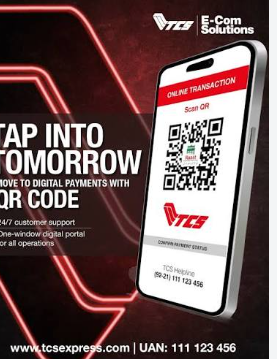
Introduction to Cashless Transactions
In the ever-evolving landscape of the digital economy, cashless transactions have emerged as a transformative force that is reshaping the way businesses operate and consumers engage with financial services. A cashless transaction refers to any payment process that does not involve physical currency, utilizing instead digital methods such as credit cards, mobile payment applications, and online banking systems. This shift away from traditional cash-based transactions is predominantly driven by technological advancements, changing consumer preferences, and the quest for greater efficiency.
The growing popularity of cashless payments among businesses and consumers can be attributed to several key benefits. For consumers, cashless transactions offer unparalleled convenience. The ability to make instant payments through a smartphone app or contactless card eliminates the need to carry cash, thereby streamlining the purchasing experience. This convenience is further enhanced by the speed of transactions, as digital payments can often be completed within seconds, reducing wait times both for customers at the point of sale and for businesses that seek to serve a higher volume of clients.
From a business perspective, cashless transactions can significantly enhance operational reliability and security. Digital payments are often equipped with advanced security measures, such as encryption and biometric verification, which mitigate the risks associated with cash handling and protect against theft. Moreover, businesses that adopt cashless payment solutions can benefit from improved cash flow insights through real-time transaction tracking and reporting. Overall, the transition to cashless transactions not only fosters a more efficient financial ecosystem but also aligns with the digital-first mindset that is increasingly prevalent in today’s economy.
Overview of Smart Digital Payment Applications
Smart digital payment applications have revolutionized the way businesses conduct transactions by allowing cashless payments to be processed efficiently and securely. These applications encompass a range of technologies and services designed to facilitate seamless monetary exchanges using digital platforms. Users can make payments via mobile devices, tablets, or computers, which eliminates the need for physical currency, thus promoting convenience and speed.
Key features of smart digital payment applications include various payment options such as credit cards, debit cards, and electronic wallets, which enable users to complete transactions in just a few clicks. Additionally, these applications often provide functionalities such as transaction tracking, payment history, and financial management tools that help businesses monitor their cash flow effectively.
More Read

Security is a primary concern for both consumers and businesses, and smart digital payment applications typically employ advanced encryption techniques and multi-factor authentication to safeguard users’ financial information. In contrast to traditional payment methods, which often rely on physical currency and face-to-face interactions, these applications facilitate remote transactions, thus fostering a more efficient business environment.
Moreover, smart digital payment applications enhance accessibility as they allow users to perform transactions anytime and anywhere, provided they have internet connectivity. This mobility enables businesses to reach a broader audience and simplifies the payment process for customers, contributing to an improved overall experience.
Furthermore, the integration of biometric technology and artificial intelligence in these applications enhances user experience and security features, distinguishing them from older payment systems. As digital currency continues to gain traction, the adoption of smart digital payment applications is expected to grow, reflecting their pivotal role in modern commerce.
More Read
Types of Smart Digital Payment Solutions
In the evolving landscape of finance, smart digital payment solutions play a pivotal role in facilitating cashless business transactions. One of the most popular types is mobile wallets. These applications, such as PayPal or Apple Pay, allow users to store their credit and debit card information securely on their devices, enabling quick and easy transactions without the need for physical cards. Mobile wallets enhance user convenience by offering features like transaction history tracking and budget management.
Another significant digital payment solution is contactless payments. This technology leverages Near Field Communication (NFC) to facilitate transactions by simply tapping a card or smartphone against a terminal. Services like Google Pay and Samsung Pay exemplify contactless payments in practice. The primary benefit of contactless payment systems is speed, as transactions can be completed in mere seconds, making them ideal for environments with high customer turnover, such as cafes or public transit systems.
Cryptocurrency transactions represent another innovative segment of digital payment solutions. Virtual currencies like Bitcoin and Ethereum enable peer-to-peer transactions without the need for intermediaries such as banks. This decentralized approach not only ensures enhanced privacy and security but also reduces transaction fees significantly. Retailers utilizing cryptocurrency payments can appeal to tech-savvy consumers and may tap into emerging markets that prefer digital currencies over traditional money. Businesses like Overstock and Newegg have successfully integrated cryptocurrency payments, showcasing their increasing acceptance in the commercial ecosystem.
In conclusion, the diverse types of smart digital payment solutions, including mobile wallets, contactless payments, and cryptocurrency transactions, offer unique benefits catering to various consumer and business needs. Adopting these technologies can enhance the efficiency and effectiveness of transactions, ultimately driving the trend toward a cashless economy.
Benefits of Using Smart Digital Payment Applications in Business
In the rapidly evolving landscape of commerce, adopting smart digital payment applications has become a strategic priority for businesses. One of the primary benefits is improved cash flow management. According to a report by the National Retail Federation, businesses that employ digital payment solutions experience a 30% reduction in payment processing time, leading to quicker access to funds. Such efficiency allows organizations to allocate resources more effectively and strengthens overall financial health.
Moreover, smart payment applications significantly enhance the customer experience. Features such as contactless payments and in-app transactions provide convenience and speed, fostering customer loyalty. A study conducted by PayPal found that 62% of consumers were more likely to return to a business that offered seamless digital payment options. As businesses increasingly embrace online and mobile sales channels, adopting these smart solutions can be a differentiating factor in a competitive market.
More Read
Reducing transaction costs is another compelling advantage of implementing smart digital payment applications. Traditional payment processing often carries hidden fees, whereas digital solutions generally offer lower transaction fees, especially when processed in bulk. For instance, transition to smart payment systems can lead to savings of up to 1.5% per transaction when compared to conventional credit card processing methods. Additionally, businesses can reduce administrative costs associated with handling cash and reconciling accounts, further maximizing their return on investment.
Moreover, integrating intelligent payment solutions enhances data collection capabilities. This allows businesses to gain insights into consumer behavior, enabling personalized marketing strategies that can drive sales. In an era where customer data is paramount, leveraging smart digital payment applications positions businesses to capitalize on data-driven decision-making.
Security Features of Digital Payment Apps
The importance of security in digital payment applications cannot be overstated, particularly as businesses increasingly transition to cashless transactions. With a growing reliance on electronic solutions, the risk of cyber threats has intensified, making robust security measures essential for protecting sensitive financial information. Smart payment applications integrate a myriad of security features designed to safeguard users against unauthorized access and potential fraud, thus fostering trust in their services.
One of the most vital security tactics employed by digital payment apps is encryption. This process encodes the data being transmitted, rendering it unreadable to anyone who may intercept it during the transaction. Advanced encryption standards, such as AES (Advanced Encryption Standard), are commonly utilized to ensure that both personal and financial information remains secure from prying eyes. By guaranteeing that sensitive data is encrypted, these applications enhance their credibility and security posture.
Furthermore, two-factor authentication (2FA) serves as a robust layer of security for digital payment applications. This method requires users to provide two forms of identification before accessing their accounts. Usually, this involves something the user knows (like a password) and something the user possesses (such as a verification code sent to their mobile device). The integration of such measures significantly diminishes the likelihood of unauthorized account access, protecting both users and businesses.
In addition to encryption and 2FA, digital payment applications often incorporate fraud detection mechanisms that utilize machine learning algorithms. These systems analyze transaction patterns to identify and flag any unusual or suspicious activity, resulting in timely alerts for users and intervention measures. Such proactive systems not only mitigate financial losses but also contribute to a safer overall user experience. As digital transactions continue to gain popularity, the importance of comprehensive security features in payment applications remains paramount.
Challenges and Drawbacks of Digital Payment Solutions
While digital payment solutions have revolutionized the way businesses conduct transactions, they are not without their challenges and drawbacks. One significant issue is technical difficulties that may arise during the implementation phase. Businesses might face system downtimes, integration problems with existing software, and compatibility issues with various payment gateways. To mitigate these risks, it is essential to invest in comprehensive technical support and to thoroughly test the systems before going live. A staged rollout can also help identify potential issues without affecting the entire operation.
User adoption is another hurdle that businesses often encounter when introducing new digital payment applications. Employees and customers may be accustomed to traditional payment methods and hesitant to embrace unfamiliar technology. To facilitate user acceptance, businesses should provide adequate training and resources to familiarize users with the new system. Clear communication highlighting the benefits of digital payments, such as increased efficiency and improved security, can also encourage a smoother transition.
Regulatory compliance poses an additional challenge in the realm of digital payments. As governments implement stricter regulations around data protection and anti-fraud measures, businesses must ensure their payment systems are compliant. This can require extensive legal understanding and technical adjustments. Seeking advice from experts in regulatory compliance and investing in payment solutions that automatically update to meet changing regulations can help alleviate this concern.
In conclusion, overcoming the challenges associated with digital payment solutions requires a proactive approach that encompasses technical support, user training, and regulatory awareness. By addressing these challenges head-on, businesses can reap the full benefits of cashless transactions, leading to enhanced operational efficiency and customer satisfaction.
Future Trends in Smart Digital Payments
The digital payment landscape is continually evolving, with several upcoming trends poised to redefine how businesses conduct cashless transactions. One of the most significant advancements is the rise of biometric authentication. This technology enhances security by enabling users to verify their identity through unique biological traits such as fingerprints, facial recognition, and retinal scans. As consumers seek greater assurance in their transactions, biometric measures will likely become the standard, streamlining the checkout process while minimizing fraud.
Additionally, the integration of artificial intelligence (AI) in digital payments is transforming the way businesses analyze transaction data. AI-driven analytics allow companies to gain insights into consumer behavior, enabling personalized marketing strategies and enhancing customer experiences. By leveraging machine learning algorithms, businesses can assess purchasing patterns and adjust their offerings accordingly, resulting in more targeted service delivery and increased customer satisfaction.
The Internet of Things (IoT) is set to revolutionize the digital payment ecosystem further. With IoT-enabled devices, such as smartwatches and home assistants, consumers will have unprecedented convenience in executing transactions. These devices can facilitate seamless payments by connecting to users’ bank accounts, allowing for quick and efficient purchases without the need for card swipes or manual input. Moreover, IoT can optimize inventory management and customer engagement, thereby supporting businesses in creating more streamlined operations.
As these trends in biometric authentication, AI-driven analytics, and IoT integration gain traction, they signify a promising future for digital payment applications. The evolution of these technologies not only enhances security and efficiency but also fosters a more customer-centric approach to business transactions. As organizations adapt to these cutting-edge solutions, the potential for innovation in the digital payments realm appears limitless.
Comparative Analysis of Popular Payment Applications
The rise of digital payment applications has transformed the landscape of cashless business transactions. Among the leading applications are PayPal, Square, and Google Pay, each offering unique features tailored to different market segments.
PayPal is a widely recognized platform known for its extensive user base and versatility. It offers buyer and seller protection, which is particularly beneficial for e-commerce businesses. Fees for transactions vary, with a standard fee of 2.9% plus $0.30 per transaction for domestic payments. User reviews often highlight its user-friendly interface, though some note delays in fund transfers as a drawback.
Square has carved a niche for small businesses, providing an intuitive point-of-sale system alongside its payment processing services. Square’s fee structure is straightforward, charging 2.6% plus $0.10 for in-person transactions, which appeals to retail operators. Users appreciate the seamless integration with hardware like card readers and registers, though the lack of international support can limit its usage for businesses with global clientele.
Google Pay, while newer to the payment scene, offers robust integration with other Google services, making it a convenient option for those already embedded in the Google ecosystem. It allows users to make payments both online and in physical stores easily. The fees are minimal for users, as payments made via the app are typically free; however, merchants might incur charges dependent on their payment processor. Reviews on Google Pay emphasize its speed and security features, but some users express concerns over its reliance on the internet for transactions.
In evaluating these applications, businesses should consider their specific needs: PayPal for e-commerce transactions, Square for retail operations, and Google Pay for seamless usability within the current technology landscape. Each platform has its merits, and user reviews reflect varying suitability depending on business type and customer interaction preferences.
Conclusion and Call to Action
As the landscape of commerce evolves, the adoption of smart digital payment applications becomes increasingly essential for businesses aiming to thrive in a cashless environment. These applications not only streamline transactions but also enhance security, improve operational efficiency, and provide valuable insights through data analytics. Traditional payment methods are gradually being eclipsed by digital solutions that cater to consumer expectations for convenience and speed.
Throughout this discussion, we have explored the benefits of integrating various types of digital payment applications, including mobile wallets, contactless payments, and online payment gateways. These tools enable businesses to meet customer demands while also simplifying transaction processes, ultimately leading to a more satisfying customer experience. Moreover, as financial technologies continue to evolve, embracing these innovations positions businesses favorably against competitors who may be hesitant to adapt.
It is paramount for businesses to assess their current payment systems in order to identify any inefficiencies or limitations. Transitioning to smart digital payment applications can enhance not only customer satisfaction but also overall business performance. Organizations should carefully evaluate available solutions, considering factors such as security features, user experience, and integration capabilities. This evaluation will ensure that they choose a payment system that aligns with their operational requirements and strategic goals.
In conclusion, the shift towards a cashless economy is not just a fleeting trend; it is an ongoing evolution that demands proactive adaptation. Business leaders are encouraged to embrace the change by optimizing payment processes with digital applications. This proactive stance will not only future-proof their operations but also ensure they remain competitive in an increasingly digital marketplace. Take the next step and consider how you can enhance your business’s payment systems today.