

Introduction to Smart Workspace Organization
In today’s fast-paced work environment, the arrangement of a workspace plays a crucial role in defining productivity levels. Smart workspace organization refers to the innovative strategies and tools used to enhance the functionality and appeal of an office. A well-organized workspace not only optimizes efficiency but also contributes significantly to the mental well-being of employees. An organized space reduces distractions, thereby promoting concentration and motivation among team members.
The psychological impact of workspace organization cannot be understated. Research indicates that cluttered workspaces can lead to increased stress and decreased focus, which ultimately affects overall performance. Conversely, a tidy and systematic workspace fosters a sense of control, encouraging creativity and critical thinking. Individuals are more likely to excel in environments that allow for easy navigation and accessibility of resources. Moreover, with the rise of remote working, maintaining an organized digital space has become equally essential. Digital clutter can mirror physical chaos, thereby impairing one’s ability to perform effectively.
As technology continues to evolve, it introduces new methodologies for achieving workspace organization. Smart office solutions, such as automated systems and innovative storage options, are reshaping how we think about office layouts. These advancements facilitate superior organization by leveraging data and analytics to optimize space utilization and resources. Traditional filing cabinets are being replaced with digital organization tools that streamline workflows and enhance collaboration. As we delve deeper into the various strategies for smart workspace organization, it becomes clear that integrating technology with traditional organizational practices holds the key to creating productive office environments.
Understanding the Elements of a Productive Office Environment
Creating a productive office environment is critical for enhancing employee focus and creativity. Several key elements significantly contribute to a workspace that promotes efficiency and well-being. These include lighting, ergonomics, the integration of modern technology, and the thoughtful arrangement of physical space.
Lighting plays a crucial role in the workplace, as it can affect mood and productivity. Natural light is known to enhance cognitive function and overall well-being. Therefore, maximizing exposure to daylight through windows or skylights can create an inviting atmosphere. Where natural light is limited, using high-quality artificial lighting that mimics daylight can also help improve employee performance.
Ergonomics is another vital aspect of an effective office environment. Properly designed workstations that support comfortable seating, adjustable desks, and monitor placements can significantly reduce strain and enhance productivity. Employees are more likely to stay focused and engaged when they are physically comfortable in their work area. Incorporating standing desks or collaborative spaces can also encourage movement, which benefits both mental and physical health.
Integrating modern technology is essential for fostering a productive office environment. Tools like project management software, video conferencing platforms, and cloud storage solutions streamline communication and collaboration among team members. Ensuring that technology is user-friendly and seamlessly integrated into the daily workflow can reduce frustration and improve efficiency.
Lastly, the arrangement of physical space should prioritize both privacy and collaboration. Open office layouts can foster teamwork but can also lead to distractions. Therefore, providing designated areas for focused work, along with more open collaborative spaces, allows for a flexible approach that caters to diverse working styles. By thoughtfully considering these elements, organizations can significantly enhance their office environment, leading to increased productivity and creativity.
Digital Tools for Organizing Your Workspace
In today’s fast-paced work environment, effective organization is crucial for productivity, and leveraging digital tools can significantly simplify this process. Numerous applications are available that cater to various aspects of workspace organization. These tools not only help organize tasks but also enhance collaboration and promote efficient time management.
Project management apps, such as Trello and Asana, serve as comprehensive platforms that allow teams to track their projects from inception to completion. These applications offer features such as task assignments, deadlines, and progress tracking, making it easier for team members to stay aligned on project goals. Utilizing such tools can minimize confusion and ensure that everyone is aware of their responsibilities, ultimately streamlining workflow.
Time management tools like Toggl and RescueTime are also essential for maintaining efficiency in the workplace. Toggl, for example, allows users to track the time spent on different tasks, providing insights that help in identifying areas for improvement. Meanwhile, RescueTime automatically logs time spent on applications and websites, empowering users to understand their habits and adjust accordingly. By analyzing these reports, individuals can implement strategies to enhance their productivity and utilize their working hours more effectively.
Additionally, digital note-taking applications such as Evernote and Microsoft OneNote facilitate better organization of ideas and information. These applications allow users to capture and categorize notes easily, making it accessible anytime, anywhere. With features like tagging, search functionality, and cloud synchronization, users can ensure that they never lose important information and can retrieve it without hassle, further contributing to an organized work environment.
Physical Layout and Space Optimization
In the quest for a productive office environment, the physical layout and optimal space utilization play a pivotal role. A well-thought-out arrangement of office furniture and equipment can significantly enhance employees’ effectiveness and comfort. To maximize workspace efficiency, it is crucial to consider factors such as desk organization, the use of vertical space, and the establishment of collaborative areas.
Desk organization is fundamental for maintaining focus and productivity. Each workspace should have essential items within easy reach while maintaining a clutter-free surface. Employing desk organizers, cable management solutions, and utilizing drawer space can contribute to a more streamlined and efficient workspace. This not only helps in finding necessary items quickly but also fosters a sense of order, reducing distractions during work hours.
Another strategy for optimizing space is to leverage vertical storage solutions. Shelving units, wall-mounted organizers, and hooks can effectively utilize vertical areas that would otherwise remain vacant. By freeing up horizontal surfaces, these solutions enable employees to expand their work capabilities and keep essential materials accessible without crowding their workspace.
Creating collaborative areas within the office is also essential for enhancing teamwork and communication. Designated spaces for brainstorming sessions, informal meetings, or social interactions encourage employees to engage and collaborate more effectively. These areas can comprise comfortable seating, whiteboards, or even technology integration for seamless presentations and discussions.
Additionally, the benefits of decluttering and minimalism should be emphasized. Encouraging employees to adopt a minimalist approach to their workspaces not only promotes greater focus but also contributes to a more aesthetically pleasing environment. Regularly evaluating what items are necessary and removing excess can further enhance the efficiency of both the space and the individuals working within it.
Incorporating Smart Technology into the Workspace
In today’s fast-paced business environment, the incorporation of smart technology into workspace organization has emerged as a key factor in enhancing productivity. Smart desks, equipped with adjustable height controls and built-in charging ports, allow employees to customize their working conditions, potentially reducing physical strain and increasing comfort throughout the day. These desks can also be connected to applications that track usage patterns, helping organizations make data-driven decisions regarding office layout and equipment needs.
Additionally, the integration of Internet of Things (IoT) devices provides numerous advantages for workplace efficiency. Smart lighting systems, for instance, can automatically adjust based on occupancy and natural light availability, creating an optimal environment for focus while simultaneously conserving energy. Moreover, smart thermostats can learn the preferences of employees and adjust temperatures accordingly, ensuring a comfortable workspace that aids concentration and productivity.
Automated systems for task and schedule management are another vital component of smart workspace organization. Tools such as digital calendars, project management software, and automated reminders help streamline workflow by minimizing the manual tracking of deadlines and appointments. This digital integration fosters enhanced team collaboration, as everyone remains informed of project statuses and deadlines without relying on time-consuming meetings or emails.
The impact of these technologies on workplace productivity cannot be overstated. By creating a responsive and easily adaptable workspace, smart technology enables employees to focus more on their tasks, reduces distractions, and improves overall job satisfaction. The smart organization of workspaces through these innovative solutions not only empowers employees but also enhances efficiency, paving the way for a more productive office environment. The future of work is here, driven by advancements in technology that prioritize both efficiency and employee well-being.
Color Psychology and Its Impact on Workspace Organization
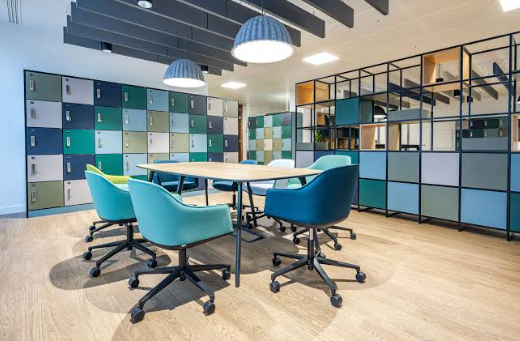
The role of color in workspace organization extends beyond mere aesthetics; it plays a crucial part in influencing behavior and performance within an office environment. Research in color psychology indicates that different hues can evoke specific emotional responses that may either enhance or hinder productivity. For instance, blue tones are often associated with calmness and focus, making them an ideal choice for spaces that require concentration and creativity. Offices painted in shades of blue enable individuals to perform tasks more efficiently and promote a sense of tranquility amid potentially stressful work scenarios.
Conversely, colors such as red and orange can stimulate energy and enthusiasm. However, these vibrant colors, while invigorating, should be used judiciously, as an overabundance may lead to feelings of agitation or distraction. Incorporating red or orange accents, rather than dominating the entire workspace with these colors, can introduce a balance that fosters motivation without overwhelming the senses.
Incorporating greens is another effective strategy for workspace organization. Green is often linked with nature, symbolizing growth and renewal. A workspace enhanced with green elements such as plants or green-painted walls can contribute to a refreshing ambiance that promotes well-being and creativity. Additionally, neutral colors like beige or gray can provide a calming backdrop that allows brighter colors to pop, creating a harmonious balance in the office’s overall design.
In conclusion, selecting the right color scheme for an office is essential in crafting a productive workspace. By understanding the psychological effects of different colors, one can effectively choose hues that foster a conducive work environment, thus enhancing creativity, focus, and overall productivity. As you contemplate your office’s color organization, consider these psychological responses to curate a space that not only looks appealing but also maximizes efficiency.
Creating Zones for Targeted Work
In contemporary office design, the organization of workspaces plays a crucial role in enhancing employee productivity and satisfaction. One effective strategy employed by many businesses is the creation of designated zones for various types of work. This approach not only fosters an organized workspace but also allows employees to choose environments that best align with their tasks, ultimately promoting efficiency and well-being.
The first zone to consider is the focused work area. This section should be designed to minimize distractions, featuring noise-canceling materials, comfortable seating that supports good posture, and adequate lighting to enhance concentration. Often, such areas include individual desks with personal storage options that allow employees to have all necessary resources at their fingertips without interruption. In this focused zone, employees can immerse themselves in tasks that require deep thought and attention.
Conversely, collaborative zones should cater to team interactions and brainstorming sessions. These areas can be equipped with movable whiteboards, comfortable seating arrangements, and technology that supports presentations. By creating a more open and flexible environment for teamwork, employees are encouraged to innovate and communicate more freely, which can lead to improved project outcomes.
Additionally, it is essential to incorporate relaxation zones within the office layout. Such spaces can include lounge chairs, informal seating, or even outdoor patios where employees can take breaks to recharge. Providing areas for relaxation not only helps mitigate stress but also fosters informal interactions among colleagues, enhancing camaraderie and morale.
Overall, by designing distinct zones tailored for focused tasks, collaborative efforts, and relaxation, organizations can create an efficient office workflow. This structured approach to workspace organization cultivates a productive environment that caters to the varied needs of employees, leading to improved performance and job satisfaction.
Maintaining an Organized Workspace: Best Practices
Maintaining an organized workspace is crucial for fostering productivity in any office environment. To achieve a consistently tidy workspace, it is essential to establish best practices that can be incorporated into daily routines. One effective strategy is regular decluttering; dedicating a few minutes each day to tidy up can prevent clutter from accumulating. Office supplies, documents, and personal items should be evaluated regularly. Anything that is no longer needed should be discarded or stored appropriately.
Another helpful technique is scheduling organization days. Setting aside specific times on a weekly or monthly basis to review physical and digital workspaces can greatly enhance overall organization. During these sessions, one can assess what items are vital for daily tasks and what can be archived or removed. Creating a checklist can aid in this process, ensuring that no aspect of the workspace is overlooked. For instance, checking off items such as organizing desk drawers, filing papers, and updating digital files can provide a structured approach to workspace organization.
Furthermore, instilling these practices into day-to-day routines can make a significant difference. Encouraging team members to develop habits around organization can create a culture of tidiness. Simple reminders, such as end-of-day clean-up rituals or communal organization challenges, can motivate individuals to prioritize an organized workspace. By integrating these practices and techniques, not only does each employee benefit personally, but the overall office environment also transitions into a more organized and productive space.
Conclusion and Future Trends in Workspace Organization
As we conclude our exploration into smart workspace organization ideas for productive office environments, we acknowledge the importance of creating an organized, efficient, and adaptable workspace. Throughout this discussion, we have highlighted strategies that promote organization, such as optimizing physical and digital storage solutions, implementing effective communication channels, and utilizing technology to enhance work processes. The ability to tailor workspaces to individual needs can significantly improve employee productivity and overall satisfaction.
Looking toward the future, workspace organization will undoubtedly evolve alongside technological advancements and changing work habits. The rise of hybrid work models, for instance, necessitates flexible office designs that can accommodate both in-person and remote employees. This shift is likely to lead to the emergence of collaborative spaces that are equipped with advanced tools for video conferencing and team collaborations, thereby promoting seamless interactions among team members regardless of their physical location.
Moreover, with the increasing integration of artificial intelligence and automation into office practices, the organization of workspaces will also be impacted. Smart organizational systems that utilize AI-driven insights will enhance the functionality of both physical and digital environments, enabling employees to retrieve information quickly and manage tasks more efficiently. Customization will be a key aspect of future workspace design, as organizations strive to cater to various work styles and preferences.
In summary, the future of workspace organization is poised to focus on flexibility, technology integration, and employee well-being. By embracing these trends, businesses can create highly productive office environments that not only adapt to the changing landscape of work but also empower employees to perform at their best.