
Introduction to Modern Bathroom Design
In recent years, modern bathroom design has gained remarkable significance in contemporary homes, emerging as a reflection of evolving lifestyle needs and aesthetic preferences. The bathroom, once regarded merely as a functional space, has transformed into a sanctuary of relaxation and rejuvenation. This shift is characterized by a growing focus on minimalism, functionality, and aesthetic appeal, resulting in spaces that prioritize tranquility and comfort without compromising on style.
Minimalism has become a preferred trend in modern bathroom interiors, where less is more. Homeowners are increasingly favoring simple lines, neutral colors, and uncluttered spaces to create a serene atmosphere. The emphasis on minimalism not only enhances the visual appeal but also promotes a sense of calmness that is essential for personal retreats within the home.
Functionality also plays a critical role in modern bathroom design. As families grow and lifestyles evolve, the demand for well-designed bathrooms that accommodate various needs has surged. This has influenced the incorporation of innovative storage solutions, smart fixtures, and water-efficient technologies, ensuring that the bathroom serves both practical and sustainable purposes. Moreover, the integration of technology into bathroom design, such as smart lighting and automated controls, is becoming increasingly commonplace.
Aesthetic appeal remains a focal point as homeowners seek to create visually appealing spaces that reflect their personal style. The use of high-quality materials, artistic lighting designs, and unique accents can greatly enhance the overall ambiance. With trends continuously evolving, it is essential to stay informed about the latest innovations and styles available in modern bathroom design, setting the stage for a contemporary living experience.
Minimalism: Less is More
In the realm of modern bathroom interior decoration, minimalism has emerged as a defining trend, emphasizing that less is indeed more. This design philosophy centers around the principle that simplicity and functionality can coexist beautifully, transforming bathroom spaces into serene retreats. By focusing on clean lines and uncluttered spaces, minimalism allows homeowners to cultivate an atmosphere that promotes relaxation and tranquility.
A critical aspect of minimalist design in bathrooms is the choice of color palettes. Soft, neutral hues, such as whites, greys, and beiges, create an airy environment that can make smaller spaces feel larger. These colors are often used in conjunction with natural materials like wood and stone to create a sense of warmth and organic simplicity. The selection of fixtures is crucial, as well. Streamlined faucets and wall-mounted vanities are favored for their sleek appearance, reducing visual clutter. Matte finishes and simple geometrical shapes contribute to the effortless elegance that characterizes minimalist bathrooms.
Furthermore, minimalism encourages intentionality in the choice of decor. Accessories are kept to a minimum, often limited to a few select pieces that enhance the overall aesthetic. This deliberate reduction fosters a cleaner visual landscape, allowing the beauty of each element to shine without distraction. The integration of clever storage solutions is also vital, as they maintain a tidy space by concealing everyday items, thus preserving the uncluttered feel that is so essential to minimalism.
Overall, the rise of minimalistic design trends in bathroom interiors signifies a shift towards creating peaceful spaces that prioritize well-being and simplicity. Through thoughtfully selected colors, fixtures, and decor, minimalist bathrooms emerge as functional spaces that embody tranquility and modern elegance.
Nature-Inspired Elements
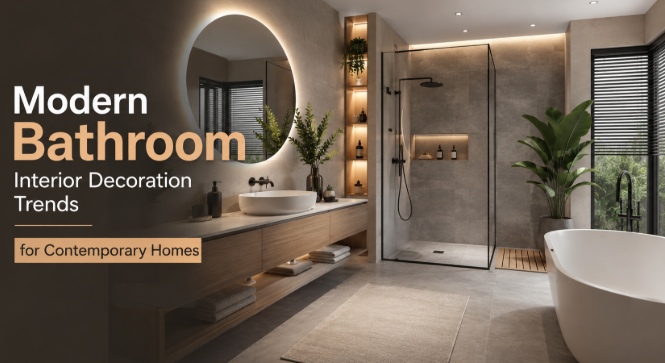
The integration of nature-inspired elements in modern bathroom design has increasingly garnered attention as homeowners seek to create tranquil and organic environments. This trend emphasizes the use of natural materials such as wood, stone, and a diverse range of greenery, contributing to a soothing atmosphere that evokes the serenity of the great outdoors.
Wood, a quintessential element in nature-inspired design, adds warmth and texture to bathroom spaces. Whether utilized for cabinetry, shelving, or even accent walls, the incorporation of wood imbues the bathroom with a sense of coziness and connection to nature. Distressed or reclaimed wood can enhance this effect, offering a rustic charm that resonates with contemporary aesthetics.
Stone is another essential material that plays a pivotal role in this design trend. Natural stone surfaces, such as granite, marble, or slate, provide not only visual appeal but also durability, making them ideal for countertops, flooring, and shower enclosures. The unique patterns and colors found in different types of stone further enrich the design, fostering a sense of individuality and authentic beauty.
Moreover, greenery has emerged as a fundamental aspect of nature-inspired bathrooms. The introduction of indoor plants can significantly enhance the ambiance, promoting a sense of calm and well-being. Plants such as ferns, snake plants, or peace lilies thrive in humidity and can purify the air, creating a healthier environment. Furthermore, the visual contrast of lush green foliage against earthy materials elevates the aesthetic quality of the space.
In conclusion, the embrace of nature-inspired elements within modern bathroom designs fosters a calming retreat that echoes the restorative qualities of the natural world. By integrating wood, stone, and greenery, homeowners create not just functional spaces, but also havens of relaxation and tranquility, seamlessly bridging the gap between indoor and outdoor environments.
Smart Technology and Fixtures
In recent years, the incorporation of smart technology in bathroom design has become a significant trend among homeowners seeking to enhance both functionality and aesthetics. Smart showers, toilets, and mirrors have emerged as popular fixtures, bringing increased convenience, energy efficiency, and advanced features to contemporary bathroom interiors.

Smart showers, for instance, are designed to optimize the user experience. Equipped with features such as customizable temperature settings, water saving modes, and even smartphone connectivity, these modern fixtures allow users to personalize their shower routines with ease. This level of convenience not only caters to individual preferences but also contributes to more sustainable water usage practices, aligning with eco-friendly trends in home design.
Similarly, smart toilets have transformed traditional restroom experiences. With advanced functionalities including automatic flushing, heated seats, bidet functions, and even built-in air dryers, these toilets prioritize hygiene and comfort. Moreover, their energy-efficient designs help reduce utility bills by conserving water and energy, making them an attractive option for environmentally conscious homeowners.
Mirrors equipped with smart technology have also gained traction in modern bathrooms. Featuring integrated LED lighting, defogging capabilities, and touch-screen displays, these mirrors enhance both the practicality and aesthetics of the space. Through connectivity with smartphones and other devices, users can access information such as weather forecasts, news, or even their calendars directly from the mirror.
As smart technology continues to advance, its presence in modern bathrooms is likely to grow. Homeowners are increasingly valuing the merging of utility and style, as well as the benefits that energy-efficient fixtures provide. This trend not only reflects the shift towards smarter living but also underscores the importance placed on innovation in contemporary bathroom design.
Bold Colors and Patterns
In recent years, the trend of incorporating bold colors and intricate patterns into bathroom design has garnered increasing attention, offering an avenue to express personal style while maintaining functionality. While minimalism dominates the contemporary design landscape, the strategic implementation of vivid hues and striking patterns can transform an otherwise subtle space into a vibrant oasis.
The use of colorful tiles is one of the most effective methods for introducing boldness to bathroom interiors. Large-format tiles featuring captivating designs can serve as stunning focal points, drawing the eye while also complementing other design elements. For instance, geometric patterns or colorful mosaics can be employed on accent walls or as splashbacks behind sinks, ensuring that these areas become visually engaging without overwhelming the overall aesthetic.
Moreover, wallpapers have made a significant resurgence in bathroom design. With the introduction of moisture-resistant materials, homeowners can now experiment with patterned wallpaper in areas previously considered too risky. Floral prints, abstract designs, or even bold stripes can create a sense of drama and warmth, making the space more inviting. It is essential to select patterns that harmonize with fixtures and fittings to achieve a cohesive look.
When using paint, the choice of color plays a crucial role in establishing the desired atmosphere. Rich jewel tones, like emerald greens or sapphire blues, can evoke a sense of luxury and sophistication, while lighter shades—such as corals and pastel yellows—can instill a refreshing and airy feel. Utilizing color blocking can also enhance spatial perception, giving the illusion of a larger area while providing an exciting visual experience.
In conclusion, while minimalistic design holds a prominent position in modern interiors, the integration of bold colors and patterns can re-energize bathroom spaces. By carefully choosing tiles, wallpapers, and paint colors, homeowners can achieve a striking balance between style and comfort, ultimately reflecting their unique tastes and preferences.
Luxurious Spa-Like Features
In recent years, the concept of creating a luxurious, spa-like environment within the bathroom has gained considerable traction among homeowners. This trend reflects a growing desire to transform the bathroom into a personal retreat, where relaxation and serenity take precedence. Central to this design philosophy are several key elements that contribute to a spa-like ambiance.
One of the hallmark features of this trend is the incorporation of soaking tubs. These freestanding tubs not only provide a space for relaxation but also serve as a focal point in the bathroom. Homeowners are increasingly choosing deep soaking tubs, often made from materials such as stone or acrylic, to elevate their bathing experience. Some designs even incorporate features like built-in heaters, allowing for a truly indulgent soak.
In addition to soaking tubs, rainfall showers have become a popular choice, further enhancing the spa-like atmosphere. These fixtures simulate the gentle cascade of rain, offering an exhilarating and refreshing shower experience. The installation of multi-function showerheads and body sprays can also amplify this experience, allowing users to customize their shower settings for optimal comfort.
Ambient lighting plays a crucial role in establishing a tranquil environment. Homeowners are increasingly opting for dimmable LED lighting or strategically placed sconces to create gentle illumination, mimicking the soft glow often found in high-end spas. Additionally, the use of natural light is encouraged; large windows or skylights can invite the outside world in, further enhancing the feeling of serenity.
Ultimately, the trend towards luxurious spa-like features in bathrooms reflects a desire for personal sanctuary. Homeowners are investing in thoughtful design elements that not only provide functionality but also contribute to mindfulness and relaxation in their daily routines.
Vintage and Retro Aesthetics
In recent years, vintage and retro design elements have made a significant comeback in modern bathroom interior decoration. Homeowners and designers alike are reimagining classic aesthetics, particularly elements that evoke a sense of nostalgia. These design features, such as clawfoot tubs, pedestal sinks, and vintage-inspired tiles, are being integrated into contemporary spaces to create a unique fusion of old-world charm and modern functionality.
Clawfoot tubs, for example, have transitioned from being seen as outdated to becoming a statement piece in modern bathrooms. Their elegant curves and luxurious design provide an inviting focal point. When placed in a spacious bathroom, they not only enhance the aesthetic appeal but also offer a comfortable bathing experience reminiscent of past eras. Pairing these tubs with modern fixtures can create a striking contrast, allowing for a harmonious blend of styles.
Pedestal sinks have also experienced a revival in the design world. These sinks characterize simplicity and elegance, making them a popular choice for those looking to maximize space while adding a vintage touch. Available in various materials and finishes, they can complement different decorative themes, from classic to contemporary, seamlessly integrating into any bathroom layout.
Furthermore, vintage-inspired tiles are gaining traction, providing endless opportunities for creativity through intricate patterns and bold colors. These tiles can be utilized as accent pieces or for entire walls and floors, allowing homeowners to express their individuality while paying homage to retro styles. By incorporating these timeless designs into modern bathrooms, homeowners can cultivate a unique atmosphere that reflects their personal taste.
As the trend for vintage and retro aesthetics continues to grow, it represents not just a design shift, but a cultural appreciation for the elegance of classic fixtures. Modern bathrooms that embrace these elements prove that the beauty of the past can coexist with contemporary sensibilities, enhancing the overall bathing experience.
Sustainable Design Choices
The contemporary emphasis on sustainability has led to significant changes in bathroom design, catering to environmentally-conscious homeowners. Creating a sustainable bathroom not only contributes to ecological preservation but also enhances the aesthetic and functional value of the space.
One of the key aspects of sustainable bathroom design is the choice of materials. Homeowners are increasingly opting for eco-friendly materials such as bamboo, reclaimed wood, and recycled glass. These materials not only reduce waste but also add a unique character to modern bathrooms. For instance, a shower enclosure made from recycled glass not only ensures clarity and elegance but also minimizes the carbon footprint associated with new glass production.
Water-saving fixtures are another crucial component of sustainable bathroom design. Low-flow toilets, faucets, and showerheads are designed to significantly reduce water consumption without compromising on performance. By installing these water-efficient fixtures, homeowners can achieve considerable savings on their water bills while making a positive impact on water conservation efforts. Moreover, many of these fixtures are now available in stylish designs that blend seamlessly with contemporary aesthetics.
In addition to water conservation, energy-efficient lighting options play a substantial role in promoting sustainability within the bathroom. LED lighting has become the go-to choice for homeowners seeking to minimize energy consumption. Such lights not only consume less electricity but also have a longer lifespan compared to traditional incandescent or fluorescent lights. This shift towards energy-efficient lighting not only enhances the ambiance of the bathroom but also reduces the long-term environmental impact.
In conclusion, the incorporation of sustainable design choices in bathroom interiors reflects a growing awareness of environmental issues among homeowners. By choosing eco-friendly materials, water-saving fixtures, and energy-efficient lighting, individuals can create a stylish and responsible bathroom that meets contemporary environmental standards.
Conclusion: The Future of Bathroom Design
As we have explored throughout this blog post, contemporary bathroom interior decoration is guided by a blend of functionality and aesthetic appeal. The trends we have examined, from sustainable materials to smart technology integration, illustrate a significant shift towards creating spaces that are not only beautiful but also highly efficient. The current focus on minimalism, natural light, and multifunctional furnishings indicates that modern homeowners are increasingly seeking to optimize their bathroom areas as serene retreats within their homes.
Moreover, the use of natural materials, such as stone and wood, reveals an ongoing inclination towards embracing eco-friendly practices that support sustainability without compromising style. The emergence of advanced shower systems, water-efficient fixtures, and smart mirrors underscores a commitment to both environmental consciousness and technological advancement. These innovations are leading the way to a future where bathroom design becomes even more personalized and tailored to individual needs.
It is expected that as the landscape of home design evolves, bathrooms will continue to play a pivotal role in enhancing the overall value and enjoyment of living spaces. Future trends may further blur the lines between indoor and outdoor spaces, incorporating biophilic design elements that connect homeowners with nature. Furthermore, the integration of even smarter technologies might offer solutions that streamline routine tasks, creating a more user-friendly space.
In conclusion, the trends shaping modern bathroom design today are likely to pave the way for innovative approaches in the years to come. As homeowners prioritize personal comfort and sustainability, the bathroom will undoubtedly evolve into a multifunctional sanctuary, reflecting modern lifestyles while enhancing the overall aesthetic value of contemporary homes.