

Introduction to Lifelong Learning
Lifelong learning refers to the continuous, voluntary, and self-motivated pursuit of knowledge for personal or professional development. In an era characterized by rapid technological advancements and an ever-evolving job market, the importance of lifelong learning has never been more pronounced. It serves as a crucial component for individuals seeking to adapt to changes in their environments and maintain their relevance in a competitive workforce.
This concept extends beyond traditional education and formal qualifications, emphasizing that learning can occur in various forms, including online courses, workshops, informal study, and experiential learning. Lifelong learning includes the acquisition of skills and knowledge that may not necessarily be linked to one’s current profession but may enhance an individual’s overall life experience. Engaging in such constant learning not only enriches one’s skill set but also fosters a sense of curiosity and openness that can lead to both personal fulfillment and professional success.
The significance of lifelong learning is underscored by the fact that knowledge is constantly changing. In many industries, the skills required today may not be the same as those needed in a few years. Emphasizing lifelong learning encourages individuals to embrace change and view challenges as opportunities for growth, thereby cultivating resilience and adaptability in their careers. Moreover, it supports the idea that learning does not cease when formal education concludes; learning is a lifelong venture that continues throughout an individual’s life, enabling them to navigate the complexities and uncertainties of modern life effectively.
Personal Development and Growth
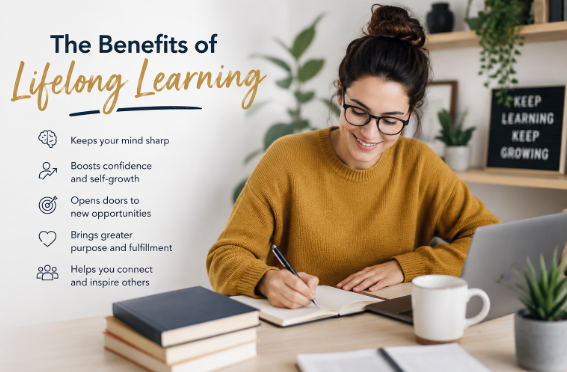
Lifelong learning plays a pivotal role in fostering personal development and growth, serving as a continuous pathway to enhance various aspects of an individual’s life. The act of acquiring new skills and knowledge reaps numerous benefits that extend beyond mere academic enrichment. It nurtures an individual’s innate curiosity and stimulates a desire for self-improvement, thus fostering a growth mindset.
One notable advantage of engaging in lifelong learning is the enhancement of creativity. As individuals delve into diverse subjects and experiences, their ability to think outside the box increases. They are better equipped to connect seemingly unrelated concepts, leading to innovative solutions and original ideas. By embracing new knowledge, individuals enrich their cognitive resources, which contributes to more profound and creative thinking.

Furthermore, continuous learning is instrumental in refining problem-solving abilities. In today’s fast-paced and ever-evolving world, the challenges faced can be complex and multifaceted. Lifelong learners become adept at approaching problems from various perspectives and employing a multitude of strategies drawn from their extensive palette of knowledge. This adaptability is essential not only in professional contexts but also in personal lives where challenges demand flexible thinking and varied approaches.
Additionally, the commitment to lifelong learning encourages resilience and confidence. As individuals confront new information and skills that initially seem daunting, they develop persistence and determination. This resilience is transferable; it instills a belief in one’s ability to grow and tackle future challenges, ultimately fostering a robust sense of self-worth and achievement.
In summary, the myriad benefits of lifelong learning are instrumental in facilitating continuous personal development and growth, enriching one’s life and capabilities through enhanced creativity, improved problem-solving skills, and strengthened resilience.
Career Advancement and Opportunities
Lifelong learning plays a pivotal role in career advancement and the enhancement of professional opportunities. In an ever-evolving job market, the continuous acquisition of new skills becomes essential for individuals striving for promotions and greater job security. Engaging in lifelong learning allows professionals to stay abreast of industry trends and technological advancements, making them more competitive and valuable to employers.
As organizations increasingly seek adaptable employees, the capacity to learn and apply new skills is immensely beneficial. Those who commit to lifelong education not only position themselves for advancements within their current roles but also open doors to new career paths. This adaptability is crucial in today’s rapidly changing workplace environment, where job functions and required competencies can shift unexpectedly due to innovations or market demands.
Furthermore, pursuing additional qualifications or certifications can significantly elevate an individual’s professional standing. For instance, completing advanced training programs in a specific field or gaining certifications can demonstrate to employers a dedication to self-improvement and a proactive approach to career development. Such credentials often serve as a differentiating factor in competitive job markets, particularly when seeking promotions or transitioning to new roles.
Moreover, lifelong learning fosters a culture of innovation and knowledge sharing within organizations. Professionals who engage in continuous learning often become catalysts for change, introducing fresh ideas and perspectives that can enhance productivity and performance. In this manner, the pursuit of knowledge not only enriches the individual’s career but also contributes positively to the overall workplace environment.
In summary, embracing lifelong learning significantly boosts career advancement opportunities by equipping individuals with relevant skills and knowledge, enhancing job security, and promoting adaptability in an ever-changing professional landscape.
Cognitive Benefits and Mental Well-being
Lifelong learning represents an ongoing, voluntary, and self-motivated pursuit of knowledge, which significantly enhances cognitive abilities and promotes mental well-being. Engaging in learning activities consistently stimulates the brain, fostering neuroplasticity—the brain’s capacity to adapt and reorganize itself throughout an individual’s life. This adaptability is essential for enhancing cognitive functions, such as memory and problem-solving skills, which are crucial for both personal and professional development.
Research indicates that individuals who actively pursue learning opportunities demonstrate stronger memory recall. Regularly challenging the brain with new information, whether through formal education, online courses, or even hobbies like learning a musical instrument or a new language, helps maintain and improve memory functions. This continuous engagement acts as a mental exercise, akin to physical activities maintaining bodily health.
In addition to memory enhancement, lifelong learning promotes critical thinking skills. Engaging with diverse subjects and viewpoints encourages individuals to analyze information, draw connections, and develop well-reasoned conclusions. This analytical skill set becomes indispensable when making personal decisions or addressing complex problems in professional environments. Moreover, as individuals learn to evaluate sources of information critically, they become more discerning consumers of knowledge, which contributes positively to informed citizenship and community engagement.
The mental health advantages of lifelong learning are also noteworthy. Continuing to acquire new skills and knowledge fosters a sense of achievement and purpose, vital components of self-esteem. This pursuit can act as an antidote to feelings of boredom or stagnation, which often accompany age-related decline or life transitions. Furthermore, participation in learning environments often involves social interaction, which can reduce feelings of isolation and enhance overall mental health. By providing opportunities to connect with others, lifelong learning can lead to meaningful relationships, further supporting emotional well-being.
In conclusion, the cognitive benefits of lifelong learning extend beyond mere knowledge acquisition; they encompass a range of advantages that improve memory, enhance critical thinking abilities, and foster mental health. Such activities promote a fulfilling and engaged life, showcasing the profound impact that continued learning can have on overall well-being.
Social Connections and Networking
Lifelong learning plays a pivotal role in fostering social connections and enhancing networking opportunities. By engaging in continuous education through various platforms such as workshops, online courses, and community classes, individuals can meet diverse groups of people who share similar interests or goals. These learning environments are not just venues for acquiring knowledge; they also serve as hubs for social interaction.
When individuals participate in learning activities, they often find themselves in collaborative settings where teamwork and discussions are encouraged. This creates an ideal atmosphere for building rapport and establishing connections with peers. Whether it is a local community class or a specialized online course, the networking potential is significant. Participants can exchange ideas, share experiences, and support each other in their learning journeys, fostering a sense of belonging and community.
Moreover, lifelong learning events often attract professionals from various fields, allowing participants to expand their professional network. This networking can lead to new job opportunities, collaborations, or even mentorships. Engaging in workshops or seminars can connect individuals with experts in their respective fields, facilitating valuable interactions that may not occur in a traditional work setting. Thus, lifelong learning not only enriches knowledge but also helps individuals cultivate essential social connections.
Learning together can also bridge gaps between different generations, enriching conversations and offering varied perspectives. Younger learners can benefit from the wisdom and experiences of older participants, while the latter can gain insights into contemporary practices and technological advancements. Ultimately, the social connections formed through lifelong learning contribute to a more engaged and connected community, underscoring the importance of continual education in both personal and professional development.
Adapting to Change in a Rapidly Evolving World
In today’s fast-paced environment, characterized by rapid advancements in technology and shifts in global dynamics, the ability to adapt is more crucial than ever. Lifelong learning plays a vital role in equipping individuals with the necessary skills and knowledge to navigate these constant changes. As industries evolve and new sectors emerge, those who engage in continuous education are better prepared to meet the demands of the job market.
Technological innovations, such as artificial intelligence and automation, are transforming how we work and interact with one another. Staying abreast of these developments is fundamental for professionals across all fields. Lifelong learning enables individuals to enhance their skill sets, ensuring they remain relevant and competent in their roles. Furthermore, it provides a framework for acquiring new competencies that may not have been necessary in the past but are now critical for success.
Globalization further complicates the landscape, as businesses and professionals must contend with diverse markets and cultures. Lifelong learning fosters a mindset that encourages openness to new ideas and perspectives, promoting cultural literacy and adaptability. As organizations seek to integrate employees from varied backgrounds, those who have engaged in lifelong learning are often more adept at collaborating in diverse teams and understanding global trends.
Moreover, the pursuit of knowledge throughout one’s life is not solely a matter of career advancement. It cultivates resilience and empowers individuals to embrace change rather than resist it. By committing to lifelong learning, individuals can foster a sense of curiosity and adaptability, which are essential traits in an ever-changing world. This mindset not only benefits one’s career but also contributes positively to personal growth and fulfillment.
Fulfilling Personal Interests and Hobbies
Lifelong learning serves as a gateway for individuals to explore personal interests and hobbies, providing opportunities that go beyond formal education and professional development. This pursuit of knowledge and skills can be immensely fulfilling, as it allows individuals to engage in activities that genuinely intrigue them. When people dedicate time to learning something new, whether it be playing a musical instrument, painting, or gardening, they open themselves to experiences that enhance their quality of life.
Moreover, the act of learning for enjoyment fosters a sense of accomplishment and satisfaction. By pursuing hobbies that resonate personally, individuals discover new passions and talents they may not have known existed. This exploration can lead to better mental health, as participation in enjoyable activities often acts as a stress reliever and can combat feelings of loneliness or anxiety. The fulfillment gained from such endeavors can significantly contribute to an individual’s overall happiness and well-being.
Additionally, lifelong learning encourages social interaction through shared interests. Many hobbies have communities, clubs, or online platforms where enthusiasts gather to exchange ideas, tips, and experiences. This social facet of learning not only enhances the joy of participation but also helps in building meaningful relationships. Whether engaging in a cooking class or joining a book club, learners find themselves surrounded by like-minded individuals, thereby enriching their social lives.
In sum, the advantages of lifelong learning extend well beyond professional spheres; they touch upon personal fulfillment, discovery, and community engagement. By dedicating time to the pursuit of interests and hobbies, individuals experience a rewarding journey that combines pleasure with personal development.
The Role of Technology in Lifelong Learning
Technology has significantly transformed the landscape of lifelong learning, making it more accessible and engaging than ever before. With the advent of the internet, various online platforms emerged, allowing learners of all ages to pursue knowledge and skills from the comfort of their homes. Educational technology encompasses a vast range of resources, from learning management systems to interactive applications that facilitate continuous education.
One of the most notable advancements in this field is the rise of Massive Open Online Courses (MOOCs). These platforms offer courses from reputable institutions at minimal or no cost, enabling learners worldwide to access high-quality education. Platforms such as Coursera, edX, and Udacity provide a plethora of subjects, catering to diverse interests and skill levels. Individuals can enhance their expertise in specific areas, gain new skills, or pivot their careers thanks to these resources.
Furthermore, traditional educational institutions are increasingly integrating technology into their curricula. Blended learning models combine online resources with in-person instruction, providing a versatile approach that supports various learning styles. This flexibility allows learners to acquire knowledge according to their schedules and commitments, fostering an environment conducive to lifelong learning.
In addition to formal education platforms, numerous digital tools such as podcasts, webinars, and educational apps have emerged, enriching the learning experience. These resources make information readily available, facilitating a self-directed approach to lifelong learning. Social media and online forums also create communities where individuals can engage, discuss, and share insights, further enhancing their learning journey.
The impact of technology on lifelong learning is profound, as it empowers individuals to expand their knowledge and skills beyond traditional boundaries. By utilizing these advancements, learners can adapt to the ever-evolving landscape of knowledge and remain competitive in an increasingly complex world.
Conclusion: Embracing a Lifelong Learning Mindset
In a world that is constantly evolving, the importance of lifelong learning cannot be overstated. Throughout this discussion, we have explored various benefits of adopting a lifelong learning mindset, which not only enhances personal development but also fosters adaptability in an ever-changing environment. Lifelong learning equips individuals with the necessary skills and knowledge to navigate both personal and professional challenges, making it an essential practice in today’s society.
One of the key benefits highlighted is the enhancement of critical thinking and problem-solving skills. By engaging in continuous education, learners expose themselves to new ideas, perspectives, and methodologies, ultimately enriching their decision-making abilities. Moreover, lifelong learning contributes to increased job satisfaction and career advancement. Individuals who pursue ongoing educational opportunities are often found to be more engaged and fulfilled in their roles, paving the way for greater professional success.
Additionally, lifelong learning plays a vital role in mental well-being. By stimulating the mind and encouraging curiosity, it helps prevent cognitive decline and fosters a sense of purpose. Socially, lifelong learners often find themselves connected to diverse networks and communities, which can lead to lasting relationships and collaborations.
As we have seen, the advantages of embracing a lifelong learning mindset are multifaceted, having profound implications for personal growth, career trajectory, and overall life satisfaction. Therefore, it is crucial to advocate for a culture that values continuous education, both within individuals and organizations. By choosing to embark on this journey of lifelong learning, we not only invest in ourselves but also contribute to a more informed and capable society.