


Somewhere between whitening strips, electric toothbrush apps, and the latest oral care gadgets, the simple habits that actually protect our teeth often get overlooked. Good dental health has never been complicated; it just requires consistency. Revisiting the fundamentals is one of the easiest ways to prevent decay, gum disease, and costly treatments down the track, and it costs nothing more than a few extra minutes each day.
Many of us learned these habits as children, then let them slide as life got busier. Work deadlines, family commitments, and general fatigue all chip away at the discipline that good oral hygiene demands, and the effects tend to show up quietly, in the form of tender gums, sensitivity, or a surprise cavity at the next check-up. Going back to basics is less about learning something new and more about being honest about what has quietly dropped off the daily routine.
Why the Basics Still Matter
Cavities and gum disease are still among the most common health issues in Australia, and most cases come down to the same root causes: plaque build-up, irregular brushing, and skipped check-ups. The good news is that these problems are largely preventable. Teaching children and reminding adults about proper hygiene habits can make a measurable difference in long-term oral health, reducing the need for fillings, extractions, or gum treatment later in life. Prevention is also considerably cheaper and less stressful than treatment, which is reason enough to keep the fundamentals front of mind at every age.
Reviewing Your Daily Routine
Even with the best intentions, habits can slip or become outdated as dental needs change with age, medication, or lifestyle. Periodically reassessing a routine, and pairing it with professional guidance, keeps oral care effective rather than just habitual. A modern approach to dental hygiene combines daily care and professional cleaning, ensuring that the basics people practise at home are reinforced and complemented by regular checks that catch problems early, before they turn into something more serious.
Brushing the Right Way, Twice a Day
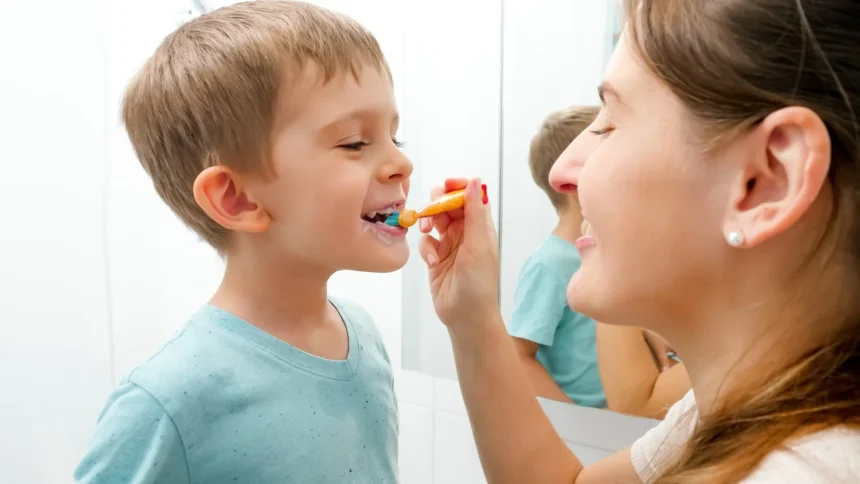
Brushing sounds obvious, but technique matters as much as frequency. Dentists recommend brushing for two minutes, twice daily, using a soft-bristled brush held at a 45-degree angle to the gum line. Gentle, circular motions remove plaque more effectively than aggressive back-and-forth scrubbing, which can wear down enamel and irritate gums over time. Fluoride toothpaste remains essential, as it strengthens enamel and helps reverse the earliest stages of decay before they become visible. It is also worth replacing a toothbrush, or the head of an electric one, every three months, since worn bristles clean far less effectively even when the brushing routine itself hasn’t changed.

Timing matters too. Brushing immediately after acidic food or drink can actually spread softened enamel rather than protect it, so it’s better to wait around thirty minutes before reaching for the toothbrush. Small adjustments like this rarely get taught explicitly, yet they make a real difference to how well daily brushing actually protects the teeth.
Flossing: The Step Most People Skip
Brushing alone only cleans about 60 percent of the tooth surface. Floss reaches the tight spaces between teeth where a toothbrush simply cannot go, removing food particles and plaque before they harden into tartar. Many people avoid flossing because it feels fiddly, but interdental brushes or floss picks offer easier alternatives for those with limited dexterity. The habit only takes a minute a day, yet it plays a major role in preventing gum disease and bad breath.
Consistency matters more than perfection here. Flossing once a day, even imperfectly, does far more for gum health than an occasional, thorough session once a week. Building it into an existing routine, such as straight after the evening brush, tends to make the habit stick for good.
Rinsing and Tongue Cleaning for Complete Care
Mouthwash and tongue cleaning are often treated as optional extras, but both contribute meaningfully to oral hygiene. An antibacterial or fluoride rinse can reach areas missed by brushing and flossing, while gently cleaning the tongue removes bacteria that cause bad breath and contribute to plaque formation elsewhere in the mouth. These small additions round out a genuinely thorough daily routine rather than leaving gaps in it.
Small Habits, Lasting Results
None of these habits require expensive products or complicated routines. What they do require is consistency and a willingness to return to fundamentals rather than chasing every new trend in oral care. Brushing correctly, flossing daily, rinsing thoughtfully, and keeping up with professional cleanings form a foundation that serves people well for life. Diet plays a supporting role too, and pairing good hygiene with the right nutrition, including foods that strengthen teeth and gums, rounds out a truly complete approach to a healthy, confident smile.