



Patient education is a key component of plastic surgery; it allows surgeons to discuss available options, review different procedures, and outline recovery expectations. These consultations also provide an opportunity for patients to ask questions and discuss individual goals, promoting a more personalized treatment plan. Here’s information about patient education and how it prepares individuals for plastic surgery:
Supports a Comprehensive Consultation
The surgical process begins with a consultation where patients discuss their concerns and goals with the surgeon. Patients learn about the different plastic surgery procedures that may be appropriate for their circumstances. Some treatments are minimally invasive and have little downtime; others are complex and involve a longer recovery period. Available procedures for treating aesthetic concerns include:
- Rhinoplasty
- Arm lift
- Facelift
- Liposuction
- Breast augmentation
- Abdominoplasty
The surgical team also uses these consultations to discuss the patient’s medical history, including current medications and past surgeries. Patients should share details such as allergies, especially those involving reactions to latex, anesthesia, or adhesives that may be used during the procedure. Surgical teams also assess the patient’s lifestyle habits; this includes tobacco and alcohol use. They may educate patients on possible changes to help support the recovery process after plastic surgery.
Conversations are specific to the individual and their needs because each patient has different goals and circumstances. A patient exploring breast surgery may have different options depending on whether they want to increase volume, address changing breast shape, or reduce breast size. This also helps create a suitable treatment plan while establishing clear expectations.
Outlines Procedure-Specific Information
Once the surgeon and patient have established a specific surgical option and treatment plan, education shifts to procedure-specific information. This includes discussing the surgical techniques involved, recovery requirements, and expected results. It offers patients a clear understanding of the procedure; this may involve reviewing the expected incision locations and potential scarring.
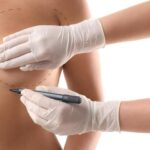
Patients can prepare several questions during this stage to help clarify any information they don’t fully understand. Possible topics include why the procedure suits them, what type of anesthesia is used, and when to resume normal activities. Patients can also discuss the possibility of safely combining procedures, such as a facelift and nose shaping.
Provides Guidance on Recovery Steps
Preparing for recovery is a significant part of patient education, and it may begin before surgical teams schedule the procedure. This is because recovery periods vary according to the specific procedure. While each procedure requires some rest and a temporary hold on daily activities, full recovery can take weeks for some procedures and months for others.
Knowing the expected recovery timeline helps patients arrange practical aspects of their lives following surgery. This includes organizing transportation, seeking assistance at home, and allowing appropriate time away from work. Patients may also need to avoid certain activities during this period, such as lifting or bending; proper education allows individuals to take an active role in safeguarding their recovery.
Surgical teams provide patients with post-care instructions to prevent complications and allow for healing. This includes information on how to change dressings, when to take medications, what nutrient-rich foods to eat, and which signs to watch out for. It is a proactive step that helps patients take care of themselves and know when to schedule an appointment in case of complications.
Learn More About Plastic Surgery
Patient education provides individuals with the right foundation to make informed decisions before plastic surgery. Surgeons use consultations to present different options, provide procedure-specific information, and discuss recovery. Patients also have the opportunity to ask questions about the procedure; this lets them address concerns, such as when they can return to work or exercise. Contact a plastic surgery clinic today to schedule a consultation.