


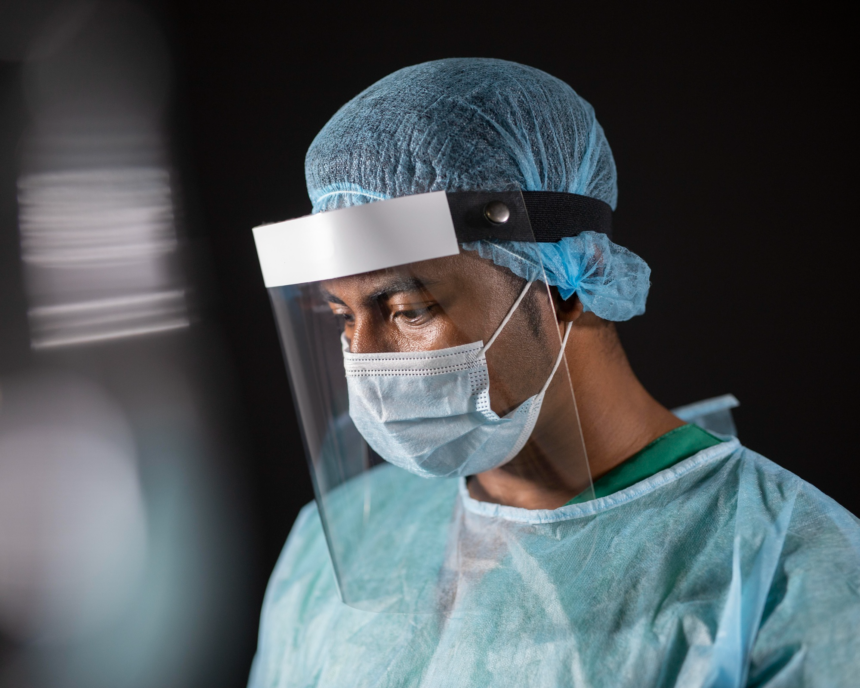
Most people focus on the surgeon holding the scalpel. That makes sense. But standing right at your head is the anesthesiologist — masked, quiet, and easily forgotten. When they do their job right, you won’t even notice them working. Silence is their win. But if something goes wrong, everybody feels it immediately.
Key Takeaways
- Board certification through the ABA proves real clinical competency under extreme pressure.
- Keeping a patient asleep involves managing airways, balancing blood pressure, controlling pain, and steering through sudden crises.
- Andrew Hummel, board-certified anesthesiologist, treats the full operating day as one unbroken line of patient care.
Having surgery today is a world away from what it was two decades ago. Infection rates have dropped significantly, incisions are tiny, and instead of spending days stuck in a hospital room, patients are heading home far sooner. A major reason behind such a leap isn’t just better tools — it’s the relentless clinical standard enforced by board-certified anesthesiologists every single morning.
What Board Certification Actually Means
An American Board of Anesthesiology (ABA) credential isn’t just a trophy for the wall. Residency is brutal. It is about years of sleep-deprived hospital shifts, grueling written exams, intense oral board grilling, and real proof that when a patient’s vitals crash, you won’t lose your head.
Textbooks can only get you to the starting gate, and nothing more. Real instinct takes thousands of hours at the bedside, watching human physiology shift in seconds. When a surgical team works with Dr. Andrew Hummel, MD, they get an ABA Diplomate who pairs sharp technical maneuvers with genuine patient empathy.
Dr. Hummel also holds dual certification in Advanced Cardiovascular Life Support and Pediatric Advanced Life Support. This matters tremendously. It means that his emergency response training covers an 80-year-old grandfather just as thoroughly as a six-month-old infant. When a patient’s vitals drop in a heartbeat, that specific training isn’t optional — it’s everything.

The Anesthesiologist’s Role in Real Terms
Ask most folks what an anesthesiologist does. They’ll say — “They give you medicine to put you out.” That answer leaves out almost everything that matters.
Long before any drugs touch an IV line, the prep work starts. Dr. Hummel evaluates the airway, calculates risk, checks every single medication on the chart, and looks for hidden red flags. He’s caught undiagnosed sleep apnea, quiet heart abnormalities, and dangerous drug interactions during pre-op checks — catching things that completely flipped the plan before the patient ever rolled into the OR.
There’s a human side to all this, too. Picture sitting on a pre-op gurney in a thin paper gown, cold and nervous, listening to machines beep in the background. That’s usually right when Dr. Hummel walks over. He takes those few minutes to talk through the plan in plain English. No heavy medical jargon — just clear facts. That conversation calms the nervous system down, taking the edge off panic before any sedative is drawn into a syringe.
Inside that chilly operating theater, the monitoring never stops for a second. Airway, blood pressure, heart rhythm, depth of sleep — everything stays in tight balance while the surgeon works. When surgery ends, he’s still there managing post-op pain, heading off nausea, and bringing the patient back safely in recovery.
“The entire surgical day is my domain,” Dr. Andrew Hummel, board-certified anesthesiologist, says. “That continuity of care is what defines how I practice.”
Where Complexity Demands More
Elective, easy cases happen. But high-stakes complexity is where the real divide shows up between a decent doctor and a truly great one. Cookie-cutter protocols fail when a case gets messy.
As a dedicated, hands-on physician, Dr. Andrew Hummel, MD, tailors every protocol to the individual’s body. He watches for tiny variations in patient response, catching subtle issues early before they can blow up into real crises during an operation.
On any given shift, Dr. Hummel might place an ultrasound-guided nerve block, set up an epidural for a laboring mom, or use Iovera° cold therapy to numb pain nerves before surgery. But it’s the high-risk cases that really show his depth. Picture an 87-year-old with a failing heart valve and a pacemaker who breaks a hip—or a mother in hard labor with severe scoliosis asking for an epidural. In those moments, who is managing that airway and watching that heart monitor isn’t a theoretical question — it’s the whole ballgame.
Careful planning changes post-op recovery completely. By relying on targeted nerve blocks instead of loading patients up with heavy opioids, Dr. Hummel also keeps side effects down. People wake up clear-headed. They don’t spend hours fighting intense nausea. They get up and start moving hours ahead of normal recovery schedules. This isn’t just a technical win. It changes how a family experiences surgery day.
The Standard Worth Seeking
Dr. Andrew Hummel practices under a simple rule: patient safety belongs to the whole day, not just the hours under the operating lights. Not every facility demands that level of care — but they should.
When you choose who handles your surgery, look at the anesthesiologist with the exact same care you give your surgeon. Board certification is where that check starts.