


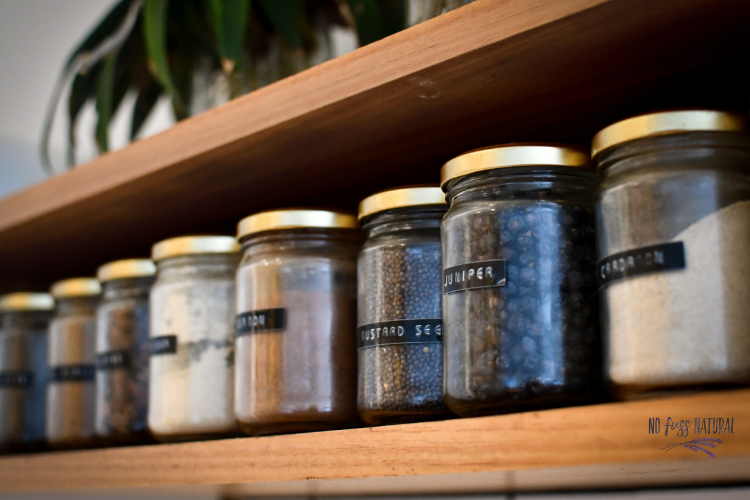
Beginners and seasoned makers can design a variety of unique apothecary products at home with the right supplies. Possible creations include candles, soaps, lotions, and other personal care items. Here are some ways makers can experiment with different formulations to develop their own product ideas at home:
Select a Suitable Product
Makers should start by selecting apothecary products that best match their interests. Different types of products require distinct ingredients and equipment to achieve the expected result. While soap-making supplies include soap bases and molds, candle makers require wicks, wax, and containers. Personal care products involve selecting ingredients such as:
- Oils
- Butters
- Clays
- Fragrances
By choosing one product category, makers can understand how individual ingredients work together. They’re able to establish a basic formulation and experiment with different additives, scents, and customization options to create a unique product. After several trials, they become familiar with the process, allowing them to move on to a different product type or recipe.
Choose the Right Ingredients
Raw ingredients provide the foundation for many homemade apothecary products. Soaps, serums, body scrubs, and lip balms may benefit from natural oils such as coconut and jojoba. Candles require high-quality wax, and makers are able to choose from different options, including paraffin wax and beeswax.
Essential and fragrance oils offer different ways to customize a product’s scent. Makers are able to use them individually or combine them into blends, depending on their preference and end goals. When making self-care products, these oils may help in the following ways:

- Tea tree oil has antiseptic properties and adds a refreshing scent, making it ideal for soaps
- Rosemary oil offers an herbal scent and helps promote growth when added to hair care recipes
- Cinnamon oil benefits massage oil blends and can be used on sore muscles
- Patchouli oil suits skincare blends because it adds a strong, earthy aroma
Makers should evaluate product formulations before selecting ingredients when creating soap or bath products. Melt-and-pour projects use a suitable premade soap base, such as glycerin or shea butter varieties, which can be combined with essential oils, fragrances, and other additives. Cold process soap requires lye as a key ingredient to trigger saponification.
Experiment With Color and Texture
Makers can experiment with decorative botanicals that introduce texture and visual interest to their creations, including soaps, candles, and bath bombs. They’re able to choose from various herbs and spices, such as cinnamon sticks and orange slices, to find the right pairing for their product. Some creators press entire buds or petals onto products; this helps create a unique or themed appearance for seasons and holidays.
Color additives allow makers to further customize each product’s appearance. Depending on the product, options include liquid dyes, mica or pigment powders, color blocks, and soap color bars. Different colorants can produce unique effects, from solid colors to shimmering or decorative finishes. Liquid dyes are highly soluble and concentrated, while color blocks allow makers to adjust the shade by changing the amount used. Mica powders may add vibrant, shimmering, or pearlescent effects to products such as soap and bath products.
Refine Recipes Using Small Batches
Testing a formulation is a key step when creating a new product. Rather than working with large quantities right away, makers should begin with small amounts of each ingredient. They can then adjust the formulation as needed until they achieve the desired results. Through this process, makers refine their creations and identify what works best; this allows them to build their skills before producing larger quantities.
Using small batches is also useful when following a familiar recipe but experimenting with new colors, fragrances, or botanicals. It helps makers identify which ingredients pair well together, enhancing the final product’s scent or appearance. This allows makers to design a formula they can rely on to create consistent batches of the same product. Some ingredient suppliers also provide recipe ideas, supporting experimentation at home.
By keeping notes during the entire process, home makers make successful combinations easier to reproduce. They should record the exact quantities of ingredients, temperatures, mixing speeds, and durations. This information creates a reference for future batches while clearly showcasing areas that need adjustments.
Create Personal Apothecary Products
Creating apothecary products at home provides opportunities to experiment across several categories while maintaining control over presentation and ingredients. Makers can start with simple projects and test small batches before moving to larger projects as they build expertise and refine their formulas. Start by finding the right supplies, whether developing soaps, candles, personal-care items, or bath products.