

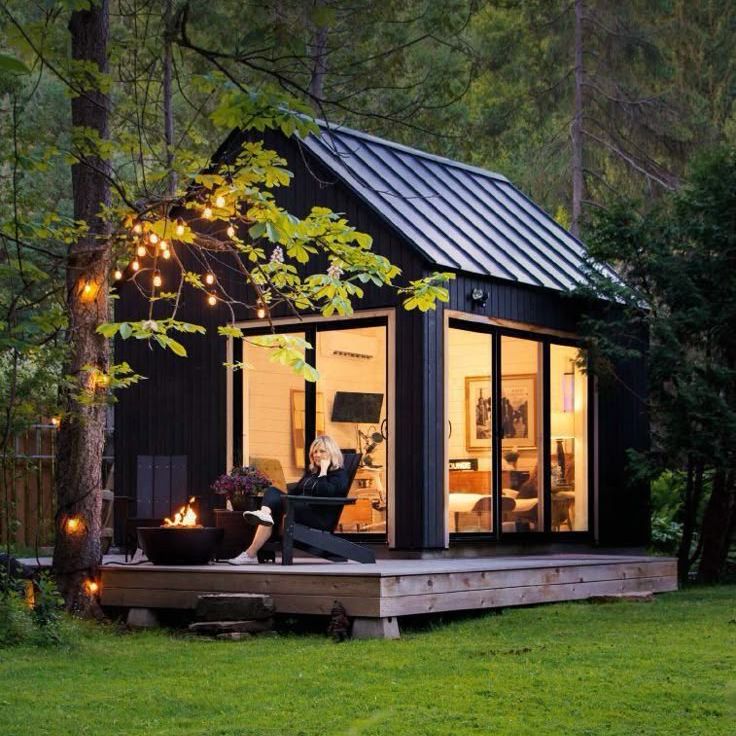
There is a particular kind of quiet that you cannot find anywhere inside a busy house. Not the quiet of an empty kitchen at midnight, which always feels temporary, but the settled quiet of a space that belongs to you and nobody else. For a growing number of women, that space is turning out to be a wooden shed at the bottom of the garden, painted a colour they chose, filled with things they love, and closed off from the demands of everyone else by one simple wooden door.
The idea has picked up plenty of cheerful nicknames over the years, but underneath the labels it is something very practical: a small building that gives you permission to step away. Whether you want somewhere to read, write, paint, practise yoga, pot up plants, or simply sit with a cup of tea and not be needed for half an hour, a well-chosen shed can become one of the most valued rooms you own.
Why the Shed Is Having a Moment
Homes have been asked to do an extraordinary amount in recent years. The spare room became an office. The kitchen table became a classroom. The living room became a gym, a cinema, and a meeting space, sometimes all before lunch. Very few of us have a single room that exists purely for our own enjoyment, and the absence is felt more keenly than we tend to admit.
A garden building answers that need without an extension, a loft conversion, or months of builders in the house. It is separate enough to feel like a genuine escape, close enough to reach in thirty seconds in your slippers, and affordable enough that it does not require a second mortgage. It also has a lovely quality that no internal room can quite match: you have to step outside to get there, and that short walk through the garden works like a reset button.
Deciding What Your Retreat Is For
Before you look at a single building, it is worth being honest with yourself about how you actually want to use it. A reading nook needs a comfortable chair, good light, and not much else. A craft studio needs a proper work surface, storage, and power. A yoga or meditation space needs clear floor area and a sense of calm. A potting retreat needs a sturdy bench and somewhere to hang tools.

These different uses lead to quite different buildings. The most common regret among shed owners is buying something that looks lovely in the photograph but is too small, too dark, or laid out wrongly for what they really wanted to do in it. Ten minutes spent sketching how you would use the floor space, and where the window needs to be, will save a great deal of disappointment later.
The Wellbeing Case for Time Outside
It is tempting to think of a garden retreat as an indulgence, but there is a stronger argument for it than that. Time spent close to nature, even in a small back garden, is widely recognised as good for our mental health. The mental health charity Mind has written thoughtfully about how contact with green space, natural light, and the rhythm of the seasons can lift mood and ease stress, and a shed with a view onto your own planting puts that within reach every single day.
What a retreat adds is permission. Many of us find it hard to rest in a house where there is always washing to fold or a message to answer. A separate space, with its own door and its own purpose, makes rest feel legitimate rather than lazy. That shift in how you feel about taking time for yourself is often worth more than the building itself.
Choosing the Shed Itself
Timber is the natural choice for a retreat, and for good reason. Wood has a warmth, both visually and physically, that other materials struggle to match. It feels calm to sit inside. It can be painted any colour you like, lined for comfort, and fitted with shelves and hooks wherever you want them. It also ages gracefully, settling into a planted garden as though it has always been there.
Look for a building with at least one generous window, ideally facing the part of the garden you most enjoy looking at, and enough headroom that you never feel hunched. Double doors are wonderful if your budget and garden allow, because on a warm day you can throw them open and the retreat becomes part of the garden. When you are ready to browse, it is worth looking at a wooden garden shed you would genuinely want to spend an afternoon in, comparing window sizes, cladding thickness, and internal height rather than simply choosing the prettiest picture.
Making It Feel Like Yours
This is the fun part. Start with colour, inside and out. A soft sage, a warm cream, or a deep inky blue on the exterior can transform a plain shed into something with real personality. Inside, lighter shades will make a small space feel bigger and brighter, while a darker, cocooning colour can create a lovely snug feeling in a reading or relaxing room.
Add textiles generously but sensibly. Cushions, throws, and a rug bring instant comfort, though it is best to choose pieces that can be brought inside or aired regularly, since garden buildings can become damp through the colder months. A small bookshelf, a few framed prints, trailing plants on a high shelf, and a string of warm fairy lights are usually enough to turn four wooden walls into somewhere you cannot wait to get back to.
Keeping It Comfortable through the Year
A retreat that only works in July is a little disappointing, so it is worth thinking about year-round comfort from the start. Lining the walls and roof with insulation, then covering it with thin timber cladding or painted boards, makes an enormous difference to warmth in winter and coolness in summer. A draught excluder on the door and a good seal around the window finish the job.
If you want to use the space on cold evenings, you will need light and gentle heat. Any mains electrical connection to a garden building should be installed by a qualified electrician, and portable heaters should always be the kind designed for safe unattended use in small spaces. It is a small investment that makes the shed usable for far more of the year.
Protecting the Time, Not Just the Space
The most beautiful retreat in the world will not help if you never find time to use it. The women who get the most from their garden rooms tend to treat the time there as an appointment: a Sunday morning hour with a book, a weekday lunchtime sketch, a few minutes of quiet before the school run. They also let their household know that when the shed door is closed, it is closed.
That is really the heart of it. A wooden shed at the bottom of the garden is only timber, glass, and paint, but used well it becomes something rarer: a small, reliable place in your week where you get to be entirely yourself. Few home improvements offer quite so much for quite so little.