


Introduction
A car accident does not always leave behind obvious signs of damage. A dented bumper, a cracked headlight, or a scratched door may appear to be the main concern. However, modern vehicles contain complex electronic systems, sensors, cameras, and safety components that can also be affected by an impact. Even a relatively minor collision may require more attention than a simple visual inspection can provide.
As automotive technology continues to develop, assessing vehicle damage has become more complicated. Drivers need to consider not only the visible condition of their cars but also the possible effects on components that support safety, comfort, and driving performance. Proper documentation and a suitable damage assessment can help vehicle owners understand the situation before making repair decisions.
Modern Vehicles Are More Complex Than They Look
Older vehicles generally relied on mechanical systems that were easier to inspect visually. Modern cars, by comparison, combine mechanical engineering with advanced electronics and computer-controlled features. Parking assistance, adaptive cruise control, lane departure warnings, automatic emergency braking, and reversing cameras are now common in many models.
These technologies improve convenience and road safety, but they also introduce additional components that may be vulnerable during an accident. Sensors can be positioned behind bumpers, inside mirrors, around the windscreen, or within other body sections. An impact that appears to affect only an exterior panel could potentially influence equipment located behind it.
For example, a collision involving the front bumper might affect parking sensors or components associated with driver assistance systems. Similarly, damage near a windscreen could have implications for cameras used by certain safety features. The actual extent of the damage depends on the vehicle, the location of the impact, and the force involved.

This is why modern accident assessments should not focus exclusively on the parts that are immediately visible.
Why Minor Collisions Can Require Detailed Inspection
A low-speed accident can create repair requirements that are not immediately apparent. A bumper may look slightly misaligned, but the impact could also have affected mounting brackets, internal supports, or nearby electronic components.
There are several reasons why a seemingly minor incident deserves attention:
- Hidden structural damage: Internal brackets, supports, and mounting points may be affected even when exterior damage looks limited.
- Electronic components: Sensors and wiring can be located close to impact areas.
- Safety equipment: Some vehicles have components designed to work together during collision prevention and occupant protection.
- Calibration requirements: Certain cameras and sensors may require inspection or recalibration after relevant repairs.
- Modern lighting systems: Advanced headlights and their associated electronics can involve more than simply replacing a damaged outer cover.
These possibilities do not mean that every small accident causes extensive damage. Rather, they demonstrate why assumptions based only on appearance can be misleading.
The Importance of Documenting All Visible Damage
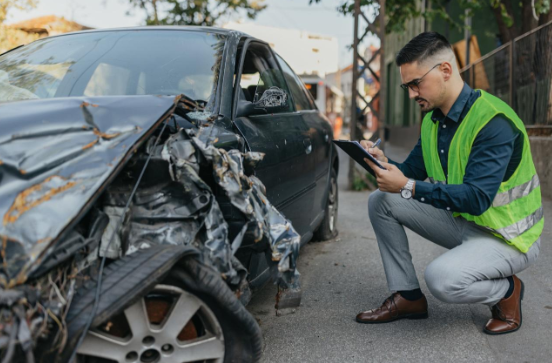
Good documentation is an important first step after an accident. Photographs can preserve information about the vehicle’s condition before repairs begin and help explain how the incident affected different areas.
Vehicle owners should take clear pictures from several angles, including close-ups of damaged sections and wider photographs showing the surrounding bodywork. If there are broken parts, visible gaps, cracked lights, or displaced panels, these details should also be recorded.
It can be useful to photograph:
- The front and rear of the vehicle.
- Both sides of the car.
- Each visibly damaged panel.
- Bumpers, headlights, tail lights, and mirrors.
- Windscreen damage and affected windows.
- Warning messages or dashboard indicators, where safe to document.
- The vehicle identification details when needed for the assessment.
Photographs provide useful supporting information, but they cannot reveal every internal or electronic fault. A professional inspection may still be necessary, particularly when the impact involved safety-related components or the vehicle behaves differently after the collision.
Digital Vehicle Assessment and Its Role in the Initial Process
Technology has also changed how vehicle owners can begin the damage assessment process. Instead of making an immediate trip to a physical location simply to explain what happened, drivers may be able to start with a digital process.
A service such as Kfz online Gutachten provides an online route for initiating a vehicle damage assessment. This can make it easier to submit relevant information and photographs for an initial review.
The value of a digital process is particularly clear when a vehicle owner is dealing with several practical concerns after an accident. The car may be difficult to drive, the owner may have limited time, or arranging an initial appointment may be inconvenient.
Submitting information online can help organise the first stage of the assessment. However, digital photographs should not be treated as a replacement for every type of physical or diagnostic inspection. If a vehicle has warning lights, steering problems, unusual noises, or suspected safety-system faults, it should be checked appropriately before being driven again.
The purpose of an online assessment is to make the initial process more accessible, not to overlook technical issues that require specialist attention.
Repair Costs Involve More Than Replacement Parts
When modern vehicles are damaged, the final repair cost may involve several different elements. The price of a replacement panel is only one part of the calculation.
Depending on the vehicle and the nature of the accident, repair work might involve:
- Removing damaged exterior components.
- Inspecting brackets, supports, and surrounding structures.
- Replacing or repairing affected parts.
- Checking electrical connections and wiring.
- Testing relevant sensors and electronic functions.
- Carrying out calibration where required.
- Reassembling the vehicle and checking the completed work.
Labour costs can also vary according to the complexity of the repair. Some components are difficult to access because they are integrated into larger assemblies. In other cases, the manufacturer may specify particular procedures for replacing or adjusting a component.
This is one reason why vehicle owners should avoid relying on a quick visual guess when estimating accident-related expenses.
When an Online Cost Estimate Can Help
Before authorising repairs, it is useful to understand the likely financial implications. A preliminary estimate can help a vehicle owner organise the next steps and prepare for discussions with a repair workshop or insurer.
An online Kostenvoranschlag can provide a digital starting point for obtaining a repair cost estimate. This may be helpful when the owner wants to understand the expected financial scope of visible damage without beginning the process with an in-person visit.
A cost estimate and a comprehensive vehicle damage report serve different purposes. An estimate concentrates on anticipated repair costs, while a more detailed assessment may address additional information about the damage and its consequences.
The right document depends on the circumstances. Someone who mainly needs an overview of expected repair expenses may have a different requirement from someone dealing with an insurance claim or a more complicated accident.
It is important to understand what the selected document includes and whether additional inspection is needed to establish the full extent of the damage.
Why Electronic Warning Messages Should Not Be Ignored
One of the most important differences between modern and older vehicles is the amount of information communicated through electronic systems. Dashboard warning lights and messages can indicate problems that are not visible from outside the car.
After an accident, drivers should pay attention to unusual warnings involving:
- Airbags and restraint systems.
- Parking assistance.
- Anti-lock braking systems.
- Electronic stability control.
- Driver assistance features.
- Engine or transmission performance.
A warning message does not automatically prove that the collision caused a particular fault. It does, however, provide a reason to investigate rather than assume everything is functioning normally.
Drivers should follow the vehicle manufacturer’s safety instructions and seek qualified assistance when necessary. If a warning relates to braking, steering, airbags, or another critical safety function, continuing to drive may be unsafe.
Photographs of dashboard warnings can support the documentation process, but proper diagnostic checks may be required to identify the underlying issue.
Choosing the Right Assessment for an Insurance Situation
Insurance procedures can vary depending on the policy, the circumstances of the accident, and the parties involved. Before arranging repairs or commissioning a particular document, vehicle owners should establish what information their insurer requires.
A detailed damage assessment may be useful when there are questions about the extent of the damage, the repair method, or the financial consequences of the incident. A cost estimate may be more suitable when the immediate requirement is to understand anticipated repair expenses.
The distinction matters because a simple repair-cost overview may not answer every question associated with an insurance claim.
Owners should keep copies of photographs, accident details, correspondence, repair estimates, and any reports they receive. Organised records can make later discussions easier and reduce the risk of important information being overlooked.
Where there is uncertainty about the required documentation, contacting the insurer before proceeding can help avoid unnecessary steps.
Practical Steps Before Sending a Modern Vehicle for Repair
A careful approach can make the post-accident process more manageable. Vehicle owners can use the following checklist to organise their next actions:
- Prioritise safety. Check whether the vehicle can be moved safely. Do not drive it if there are signs of serious damage or safety-system problems.
- Record the incident. Write down the date, location, and relevant details while they are still clear.
- Photograph the damage. Capture the exterior condition from multiple angles and record any visible warning messages.
- Avoid premature conclusions. Do not assume that the visible damage represents the complete repair requirement.
- Arrange an appropriate assessment. Choose a digital or physical assessment route according to the circumstances and the information required.
- Clarify the financial position. Obtain a suitable repair estimate and understand which items are included.
- Confirm repair requirements. Ask the workshop whether electronic testing, sensor checks, or calibration may be necessary.
- Keep all records. Save the assessment, estimate, invoices, photographs, and insurer correspondence.
Following these steps helps create a clearer record of the incident and supports more informed repair decisions.
The Future of Vehicle Damage Assessment
As vehicles become increasingly connected and automated, accident assessments will need to consider more than bodywork and mechanical components. Cameras, radar systems, electronic control units, and software-dependent functions are becoming important parts of everyday driving.
This development makes accurate information particularly valuable. Vehicle owners need to understand what has been damaged, which checks are appropriate, and how the repair process may affect the vehicle’s safety systems.
Digital services can contribute to this process by making it easier to submit information and begin an assessment. At the same time, physical inspections and technical diagnostics remain important wherever photographs alone cannot establish the full condition of a vehicle.
The most effective approach combines convenient documentation with suitable professional evaluation.
Conclusion
Modern vehicles are equipped with technology that can make driving safer and more convenient, but it also creates additional considerations after an accident. Damage may extend beyond visible dents and scratches to include sensors, wiring, electronic systems, and components that require specialist inspection.
Documenting the vehicle carefully, choosing the appropriate assessment, and understanding expected repair costs can help owners make better decisions. Digital options such as online vehicle assessments and cost estimates offer convenient ways to begin this process, while physical checks remain essential when the circumstances demand them.
Ultimately, the goal should not simply be to restore the vehicle’s appearance. It should be to understand the damage properly, make informed repair decisions, and ensure that important safety and electronic functions receive the attention they need.