


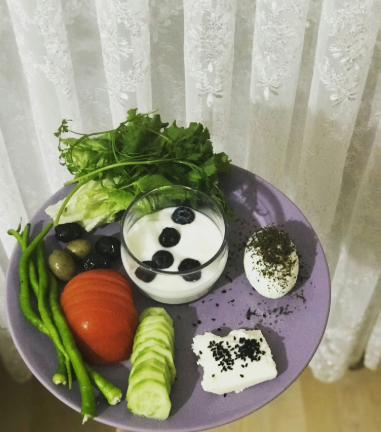
Introduction to High Protein Diets
A high protein diet is characterized by an increased intake of protein-rich foods, which are essential for various bodily functions, especially for individuals engaged in fitness and bodybuilding. Protein plays a crucial role in muscle repair and growth, making it a fundamental component for those looking to enhance their physical performance. Typically, such diets comprise protein sources like meat, fish, eggs, dairy products, legumes, and nuts, often aiming for a macronutrient distribution that favors higher protein consumption relative to carbohydrates and fats.
The importance of a high protein diet in fitness and bodybuilding cannot be overstated. Proteins are made up of amino acids, which are the building blocks necessary for the formation of new muscle tissues. When individuals engage in intensive training, their muscles sustain micro-tears that require adequate protein intake for recovery and growth. Consuming sufficient protein can accelerate this recovery process, thus enabling athletes to train more effectively and consistently.
Moreover, incorporating high protein foods into daily meals has additional benefits beyond muscle development. High protein diets can aid in weight management by increasing feelings of fullness, which may lead to lower overall calorie consumption. This satiety effect is attributed to the energy required for protein metabolism and the hormonal responses elicited by protein intake. Furthermore, protein has a relatively high thermic effect compared to fats and carbohydrates, meaning that the body expends more energy digesting and metabolizing protein, which can also aid in fat loss.
In essence, a high protein diet serves as a vital tool for individuals pursuing fitness and bodybuilding goals, fostering muscle growth, aiding recovery, and providing numerous health benefits. Establishing a balanced and varied meal plan that includes high-quality protein sources can significantly contribute to achieving optimal physical performance and overall well-being.
Nutritional Science Behind Protein Intake
Protein is an essential macronutrient that plays a crucial role in various bodily functions, particularly muscle repair and growth. When individuals engage in fitness activities and bodybuilding, the demand for protein increases due to the stress exerted on muscle tissues during resistance training. The process of protein synthesis—where the body uses amino acids to repair and build new muscle—requires an adequate intake of protein to optimize performance and recovery.

The recommended daily protein intake varies based on several factors, including an individual’s age, activity level, and specific fitness goals. For most adults, the general guideline suggests a protein intake of 0.8 grams per kilogram of body weight. However, for those engaging rigorously in fitness and bodybuilding, this requirement can rise significantly. Fitness enthusiasts and bodybuilders may need between 1.6 to 2.2 grams of protein per kilogram of body weight to support muscle hypertrophy and recovery following intense training sessions.
Age also affects protein needs; younger individuals typically have a higher demand as they are still growing and developing muscle mass. Conversely, older adults may require increased protein intake to preserve muscle mass and prevent sarcopenia, the age-related loss of muscle strength and size. Additionally, the timing of protein consumption throughout the day can enhance muscle protein synthesis. Consuming protein-rich meals or snacks shortly after workouts can yield substantial benefits in muscle recovery and growth.
Incorporating various protein sources into the diet is essential to ensure a complete intake of the essential amino acids. Sources of high-quality proteins include lean meats, dairy products, legumes, and plant-based options, which can be particularly beneficial for those following Vegetarian or Vegan diets.
Understanding the nutritional science behind protein is vital for individuals aiming to optimize their fitness regimes and achieve their bodybuilding goals effectively.
Benefits of a High Protein Diet
A high protein diet offers various benefits that can be particularly advantageous for individuals focusing on fitness and bodybuilding goals. One of the primary benefits is increased satiety. Research indicates that protein has a higher satiety effect compared to carbohydrates or fats, meaning it can help individuals feel fuller for longer periods. This can lead to reduced overall calorie intake, which is crucial for those looking to lose weight or maintain a lean physique while preserving muscle mass.
Muscle preservation is an essential factor, especially during weight loss phases. Studies, such as those published in the “American Journal of Clinical Nutrition”, suggest that higher protein intake can mitigate muscle loss that often accompanies caloric deficits. By consuming adequate amounts of protein, individuals can maintain lean muscle while promoting fat loss, which is a significant aim for both bodybuilders and fitness enthusiasts alike.
Moreover, increasing protein intake can also improve metabolic rate. A well-known phenomenon called the thermic effect of food (TEF) suggests that the body burns more calories digesting protein than it does carbohydrates or fats. According to data in the “Journal of Nutrition”, a high protein diet can elevate resting energy expenditure, potentially assisting in weight management and fat reduction.
Experts unanimously agree that consuming a diet rich in protein supports not only physical performance and recovery but also numerous metabolic processes. A balanced approach that includes an adequate protein intake can enhance overall fitness results, improve body composition, and elevate energy levels. Therefore, for those pursuing fitness and bodybuilding goals, incorporating a high protein diet can significantly enhance results and facilitate the achievement of desired outcomes.
Popular High Protein Foods and Sources
When crafting a high protein diet plan, the selection of food sources is paramount to achieving fitness and bodybuilding goals. Both animal and plant-based options are available, each providing unique nutritional benefits.
One of the most recognized sources of protein is lean meats. Chicken breast, for instance, is favored for its high protein content and low fat levels. Beef, particularly cuts like sirloin or tenderloin, is also rich in protein, contributing essential amino acids necessary for muscle growth and repair. Additionally, pork loin is another excellent option that is both flavorful and protein-dense.
Fish provides a higher quality of protein, along with beneficial omega-3 fatty acids. Salmon and tuna are not only packed with protein but also support heart health and reduce inflammation, making them ideal components of a high protein diet.
Dairy products serve as significant sources of protein as well. Greek yogurt stands out particularly in this category, offering nearly double the protein content of regular yogurt. Cottage cheese is also a versatile option that can be consumed on its own or integrated into various dishes, making it a favorite among those seeking a protein boost.
For those opting for plant-based proteins, legumes such as lentils, chickpeas, and black beans are excellent choices. They are not only high in protein but also provide essential fiber, aiding in digestion and overall health. Nuts and seeds, particularly almonds, chia seeds, and hemp seeds, are also noteworthy for their protein content and healthy fats, making them great snacks or additions to meals.
Lastly, protein supplements such as whey, casein, and plant-based protein powders, such as pea and brown rice protein, have gained popularity for their convenience. They are often used in shakes or smoothies, serving as a quick way to increase protein intake throughout the day.
Sample High Protein Meal Plans
When creating a high protein meal plan tailored to individual fitness goals, it is important to consider both macronutrient ratios and food variety. Below are three sample meal plans designed for muscle gain, weight loss, and maintenance, emphasizing high protein content.
1. Muscle Gain Meal Plan
For those aiming to build muscle, a higher caloric intake accompanied by ample protein is essential. A sample daily meal plan could look like this:
- Breakfast: 4 scrambled eggs with spinach, 1 cup of oatmeal topped with a tablespoon of peanut butter, and a banana.
- Snack: Greek yogurt (200g) with a handful of mixed nuts.
- Lunch: Grilled chicken breast (200g) served with quinoa (1 cup) and steamed broccoli.
- Snack: Cottage cheese (200g) with pineapple chunks.
- Dinner: Baked salmon (200g), sweet potato (1 medium), and asparagus.
- Evening Snack: Protein shake made with whey protein, almond milk, and a tablespoon of flaxseed.
2. Weight Loss Meal Plan
For weight loss, the focus should be on a lower caloric intake while still retaining high protein levels. This sample meal plan includes:
- Breakfast: Smoothie made with protein powder, spinach, and half a banana.
- Snack: Hard-boiled eggs (2 eggs) with sliced cucumbers.
- Lunch: Turkey breast slices (150g), mixed greens salad with olive oil dressing.
- Snack: Edamame (1 cup) sprinkled with sea salt.
- Dinner: Grilled tofu (200g) with stir-fried vegetables.
- Evening Snack: Sliced apple with almond butter.
3. Maintenance Meal Plan
For individuals looking to maintain their weight while still focusing on muscle health, a balanced approach is beneficial. An example daily intake includes:
- Breakfast: Overnight oats with chia seeds, topped with berries.
- Snack: Protein bar (high protein, low sugar).
- Lunch: Chickpea salad with feta cheese and cucumbers.
- Snack: Mixed berries and a handful of almonds.
- Dinner: Stir-fried shrimp (150g) with brown rice and mixed vegetables.
- Evening Snack: Greek yogurt with honey and walnuts.
These sample meal plans illustrate how one can structure their diet around high protein foods while catering to various fitness goals such as muscle gain, weight loss, or maintenance. Incorporating a variety of protein sources ensures balanced nutrition and contributes to overall health and fitness.
Meal Prep Tips for a High Protein Diet
Meal prepping is an essential strategy for individuals committed to a high protein diet, particularly those focused on fitness and bodybuilding goals. It offers both convenience and assurance that one adheres to their dietary needs. By preparing meals in advance, the process ensures that high protein options are readily available, reducing the temptation to deviate from planned nutrition.
A primary step in effective meal prepping is batch cooking. This involves preparing large quantities of protein-rich foods in one go, which can then be divided into individual servings. Ideal ingredients for batch cooking include lean meats, legumes, and whole grains, which can form a substantial foundation for several meals. For example, grilling several chicken breasts or cooking large pots of quinoa can provide versatile bases for various dishes throughout the week.
Portioning meals is another crucial aspect of meal prep. Once the cooking is complete, dividing the food into portion-sized containers allows for easy grab-and-go options. It is recommended to include a good balance of protein sources in these meals, such as turkey, fish, or plant-based options like tofu and chickpeas. Utilizing clear, stackable containers can not only enhance visual appeal but can also help you keep track of your meals.
Storing meals correctly is vital to maintain freshness and prevent spoilage. Utilizing airtight containers can extend the life of meals in the refrigerator or freezer. It is advisable to label containers with the date of preparation and use, making it easier to manage and select meals as days go by. Additionally, consider incorporating convenience options like protein shakes or bars for times when quick fixes are necessary. These should ideally complement home-cooked meals rather than replace them, ensuring that nutrition needs are met without sacrificing health.
Considerations for Special Diets
When it comes to high protein diets, individuals with special dietary needs, such as vegetarians, vegans, or those with allergies, face unique challenges. However, adapting a high protein diet to align with these dietary restrictions is entirely achievable with thoughtful planning and the right knowledge of protein sources.
For vegetarians, incorporating protein-rich foods such as legumes, beans, lentils, dairy products, and eggs is essential. Each of these options can significantly contribute to protein intake while still adhering to a meat-free lifestyle. Quinoa, a complete protein, and tofu, which is derived from soy, are excellent plant-based choices that can easily be integrated into meals. Moreover, snacks such as Greek yogurt, cottage cheese, and protein-packed shakes made with plant-based protein powder can provide additional protein without the need for animal products.
Vegans, on the other hand, will need to focus solely on plant-based protein sources. Options such as chickpeas, lentils, edamame, and a variety of nuts and seeds can be used to meet their protein goals. Additionally, products like tempeh, seitan, and certain forms of plant-based protein powders, such as pea or hemp protein, are valuable choices that ensure adequate protein intake without compromising vegan principles. Combining different plant-based sources, like rice and beans or whole grain bread with peanut butter, can also yield a complete amino acid profile.
Individuals with specific allergies must navigate their protein options more cautiously. For those allergic to common proteins, such as dairy or soy, alternatives like sunflower seed butter, chickpea pasta, and various hemp or pea proteins can serve as excellent substitutes. It is crucial to read labels thoroughly and consult with a healthcare provider or nutritionist to ensure all dietary needs are met without exposure to allergens.
Common Mistakes to Avoid on a High Protein Diet
Transitioning to a high protein diet can be an effective strategy for fitness and bodybuilding, but several common mistakes often hinder the potential benefits. One of the most prevalent errors is neglecting balance in the overall diet. While increasing protein intake is essential, it is crucial to maintain a well-rounded diet. A balanced approach should include healthy fats and complex carbohydrates, ensuring the body receives adequate nutrients for optimal performance and recovery.
Another mistake many people make is overestimating their protein needs. While protein is vital for muscle repair and growth, consuming excessive amounts does not equate to better results. The body can only utilize a certain amount of protein effectively, and anything beyond its requirements may lead to waste or, worse, strain on the kidneys. It is advisable to calculate protein needs based on individual factors such as activity level, body weight, and specific fitness goals. Generally, a protein intake of 1.6 to 2.2 grams per kilogram of body weight is sufficient for most active individuals.
Additionally, hydration is often overlooked when switching to a high protein diet. Increased protein consumption can lead to higher water needs, as the body requires more fluids to process the extra nitrogen produced during protein metabolism. Ignoring proper hydration can result in dehydration, which adversely affects physical performance and recovery. To counteract this, it is essential to drink plenty of water throughout the day and consider adjusting fluid intake based on activity levels and dietary changes.
Aware of these common pitfalls, individuals can optimize their approach to a high protein diet, ensuring that they are not only meeting their protein goals but also promoting overall health and fitness.
Conclusion and Next Steps
In light of the aforementioned discussions on high protein diet plans, it becomes increasingly clear that incorporating an adequate amount of protein in your daily nutrition can greatly impact your fitness and bodybuilding goals. High-protein foods such as lean meats, dairy, legumes, and nuts not only assist in muscle recovery and growth but also promote overall health. To derive the maximum benefits from a protein-rich diet, it is essential to evaluate your current eating habits critically.
Start by analyzing the macronutrient composition of your meals. Consider consulting with a nutritionist for a thorough assessment that can provide tailored advice based on your unique needs, activity levels, and fitness aspirations. Your analysis should emphasize the balance between protein sources, ensuring a mix of both animal and plant-based proteins. Also, keep in mind that different activities may require varying protein intake, so adjustments may be necessary as your fitness goals evolve.
After establishing a baseline, you can begin integrating more high protein foods into your diet. Meal prep can be an invaluable asset in this process, allowing you to maintain consistency and portion control. Explore recipes that highlight high-protein ingredients and experiment with different cooking methods to keep your meals enjoyable and diverse. Furthermore, consider joining fitness or nutrition forums online to share experiences and gather insights from others embarking on similar dietary journeys.
For those eager to deepen their understanding of nutrition, reputable resources such as books authored by registered dietitians or online courses focused on dietary education can be beneficial. Engage in learning about protein timing and how to adapt your diet based on your training cycles. Taking these actionable steps can significantly enhance your nutrition and fitness outcomes, paving the way for a healthier lifestyle.