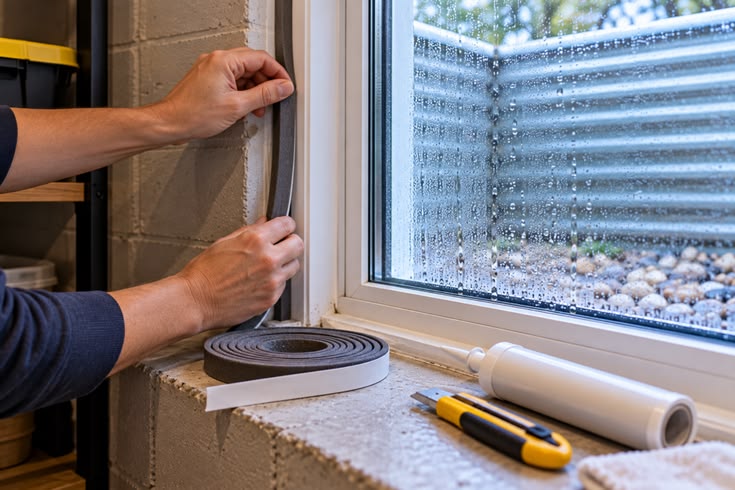
Preparing for basement window replacement starts with clearing access to the existing window and identifying details that affect installation. Furniture, storage boxes, window coverings, and exterior landscaping may restrict the work area. A clear route helps installers carry equipment and remove the old unit. Here are practical ways to prepare your basement and help the installation proceed smoothly:
Clear Window Access
Basements often serve as storage areas, with furniture and boxes placed near the windows. Stored belongings should bemoved away from the opening to provide installers with room to access the frame and use their tools. Keep the route fromthe basement entrance clear, especially around narrow stairs and doorways, and arrange help to move heavy items beforeinstallation day.
Check the floor for rugs, extension cords, toys, and other objects that could obstruct movement. Relocate nearby furniture to another room, or move it far enough from the work area. If built-in shelves restrict access, tell the contractor before the appointment so the team is able to plan around them. A clear work area during a basement window replacement helpskeep the installation space accessible.
Confirm Installation Details
A brief conversation with your contractor helps you prepare for the specific window and installation method. Confirm the replacement type, arrival time, and route the team will use to reach the basement. Share details about narrow stairs, locked gates, or limited space outside the window. Before installation day, clarify the practical details that affect your household:
- Arrival Time: Confirm when the installation team expects to arrive.
- Window Type: Verify the size and style scheduled for replacement.
- Access Arrangements: Explain any restrictions, both inside and outside the home.
- Cleanup Plan: Confirm how the team handles removed materials and installation debris.
For egress windows, confirm how the installation will affect the required emergency exit opening. If you have hopper or sliding basement windows, discuss how the existing frame and surrounding space affect the replacement process. Ask your contractor to identify any additional preparation needed for your specific window type before installation day.

Check the Window Surroundings
Before installation day, inspect the window frame and surrounding wall for signs of damage. Peeling paint or water stains indicate possible moisture exposure; soft wood suggests deterioration that requires closer inspection. Take photographs of affected areas before the existing window is removed to document their condition and provide a reference if additional damage becomes visible during the work.
Pay attention to the exterior seal around the window, since deteriorated caulking allows water and outside air to enter through gaps between the frame and the wall. For basement windows below ground level, examine the window well drainage and surrounding soil. Poor drainage allows water to collect near the window, increasing the risk of leaks and moisture damage. If the basement has experienced flooding or recurring dampness, note where the water appeared and whether the problem occurs after heavy rain. This information helps distinguish window-related leaks from moisture entering through other parts of the foundation. Installation experts are able to seal the windows properly to help prevent moisture intrusion and leaks in the future.
Prepare Exterior Access
Basement window replacement also requires access to the outside of the window. Clear leaves, garden tools, planters, and other objects from the surrounding area. Trim vegetation that blocks access to the wall, and keep the work area free of loose debris. If a window well surrounds the opening, remove stored items and clear the surface. Window wells also affect access to basement egress windows, which provide an emergency escape route. Check for objects that restrict movement, and tell the contractor about standing water or drainage concerns. The installer can assess the opening and discuss applicable egress requirements for your project. Local building codes determine the required dimensions and other safety features for qualifying emergency escape windows.
Get Ready for Basement Window Replacement
A final check of the basement before installation helps make sure the space is ready for the project. Knowing which areas require extra care, particularly around older frames or existing moisture damage, also helps you follow up on any repairs identified during the replacement. Contact a qualified basement window replacement professional to assess your basement windows and arrange an installation plan that suits your home.