


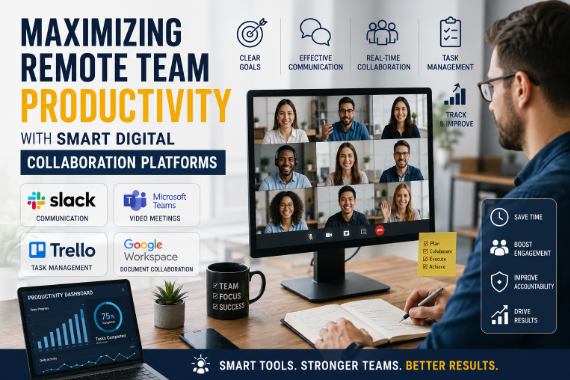
Introduction to Digital Collaboration
Digital collaboration refers to the use of technology to facilitate communication, engagement, and teamwork among individuals, regardless of their physical location. This concept has become increasingly vital in modern workplaces, especially as remote work becomes a norm rather than an exception. Organizations are now leveraging a range of digital tools and platforms to ensure seamless interaction among team members, fostering an environment where collaboration can thrive despite geographical barriers.
The significance of digital collaboration tools is highlighted by the ongoing transition to remote work, accelerated by global events that necessitated a shift away from traditional office setups. These tools not only support daily operations but also enhance productivity and efficiency by offering features such as real-time communication, file sharing, and project management capabilities. They enable teams to work together cohesively, maintain momentum on projects, and achieve their objectives efficiently, regardless of where individuals are located.
In addition to promoting connectivity, digital collaboration helps individuals develop stronger relationships within their teams, fostering a sense of belonging and teamwork even in virtual environments. This importance is underscored by the array of digital platforms available, each tailored to meet specific collaboration needs, such as video conferencing, instant messaging, and project tracking. Consequently, businesses are prioritizing investment in these technologies to sustain not only productivity but also employee morale.
In conclusion, as the landscape of work continues to evolve, embracing digital collaboration is essential for organizations seeking to adapt and thrive in an increasingly digital future. This commitment to utilizing innovative collaboration tools is not just a response to current trends but also a strategic approach towards long-term success in the modern workplace.
Key Features of Smart Digital Collaboration Platforms
Smart digital collaboration platforms are integral to enhancing productivity within remote teams. One of the most critical features of these platforms is real-time communication, which allows team members to engage in instant messaging, video calls, and voice chats. This capability ensures that team members can connect and communicate efficiently, regardless of their geographical location, reducing delays and fostering immediate collaboration.

Another essential feature is project management functionality. Such platforms typically offer tools that enable users to create, assign, and track tasks, allowing for effective workflow management. This feature assists teams in staying organized, ensuring that responsibilities are clear and deadlines are met, ultimately leading to higher productivity levels.
File sharing capabilities are equally important. Smart collaboration tools provide secure cloud storage options for team members to upload and share documents, presentations, and other resources seamlessly. This ensures that all team members have access to the latest versions of crucial files, which is vital for maintaining a streamlined work process.
Integration capabilities represent another key feature. A robust digital collaboration platform should allow for the integration of various third-party applications, such as project management tools, CRM systems, and document editors. This flexibility not only enhances the functionality of the platform but also provides teams with a customized solution tailored to their specific workflows.
Finally, user-friendly interfaces are essential for effective collaboration. A well-designed platform can significantly reduce the learning curve for new users, enabling teams to adopt the tool swiftly and start reaping its benefits immediately. A user-centric design can also enhance engagement and encourage more extensive use among team members, thereby maximizing productivity.
Benefits of Using Digital Collaboration Tools
Utilizing digital collaboration tools offers a multitude of advantages that greatly enhance the productivity and efficiency of remote teams. One of the most significant benefits is the improvement in overall productivity. By centralizing tasks and information, these tools streamline workflows, allowing team members to focus on their responsibilities without unnecessary distractions. This centralized approach helps in reducing redundancy and enhances clarity regarding team objectives.
Another key advantage is the facilitation of enhanced teamwork. Collaboration platforms allow team members to interact seamlessly, regardless of their physical location. With features such as instant messaging, video conferencing, and shared document editing, teams can brainstorm ideas and solve problems in real-time. This capability fosters a collaborative mindset that is essential for successful project execution and promotes a sense of camaraderie among team members, even when they are miles apart.
Furthermore, digital collaboration tools offer better project visibility, which is crucial for tracking progress and meeting deadlines. Managers can easily monitor tasks and milestones, ensuring accountability and providing timely feedback. This transparency not only motivates team members but also aids in identifying potential bottlenecks early in the process, allowing for proactive solutions.
Effective time management is another critical benefit of digital collaboration. These tools provide scheduling capabilities and reminders, enabling teams to organize their time effectively. Time tracking features empower teams to analyze their performance and make data-driven adjustments to improve future productivity.
Lastly, digital collaboration tools play an essential role in bridging communication gaps. Clear communication is vital in remote work settings where the risk of misunderstandings is elevated. By utilizing these platforms, teams can ensure that everyone is on the same page, thus reducing the likelihood of errors and enhancing overall project outcomes.
Challenges of Remote Collaboration
Remote collaboration offers numerous advantages, yet it also introduces a set of challenges that can impede team productivity. One major hurdle is the feeling of isolation that remote workers often experience. When employees operate outside a traditional office environment, they may miss out on face-to-face interactions, which can foster a sense of belonging and camaraderie. This emotional disconnect can lead to decreased motivation and a lack of engagement among team members.
Coordination difficulties represent another significant challenge. Working across different time zones and schedules can complicate meetings, project timelines, and collaborative efforts. Teams may struggle to align their availability, leading to delays in decision-making and project execution. Without a centralized view of project progress, team members may find it difficult to remain on the same page, resulting in duplicated efforts or overlooked tasks.
In addition, technology issues can exacerbate remote collaboration challenges. While various digital tools are available to facilitate communication and project management, their effectiveness is dependent on reliable internet access and proper implementation. Technical glitches, software incompatibility, or insufficient training on collaboration platforms can hinder productivity and create frustration among team members.
Miscommunication is yet another potential threat to successful remote collaboration. The absence of non-verbal cues, commonly present in face-to-face interactions, can lead to misunderstandings and ambiguity regarding task assignments or project goals. Without clear and consistent communication, team members may misinterpret information, leading to further complications.
These challenges underscore the necessity for effective collaboration tools that can bridge the gap between remote team members, ensuring seamless communication, project coordination, and emotional support. By addressing these challenges head-on, organizations can enhance the productivity of their remote teams.
Top Smart Digital Collaboration Platforms
As remote work continues to dominate the modern workspace, choosing the right digital collaboration platforms has become paramount for maintaining productivity. Some of the most popular and effective platforms available today include Slack, Microsoft Teams, Asana, and Trello. Each platform offers unique features tailored to different aspects of team collaboration.
Slack is widely recognized for its user-friendly interface and robust messaging capabilities. It enables teams to communicate in real-time through channels dedicated to specific projects or topics, helping to streamline discussions. Integration with numerous third-party applications enhances its functionality, allowing users to manage tasks and share files seamlessly within the platform.
Microsoft Teams integrates deeply with the Microsoft Office suite, making it an ideal choice for organizations already utilizing Microsoft products. This platform supports video conferencing, file sharing, and collaborative document editing, fostering a cohesive workflow. Its ability to organize meetings and discussions effectively positions Teams as a comprehensive collaboration hub.
Asana, on the other hand, excels in project management. Its intuitive task management features allow teams to create, assign, and monitor tasks with customizable timelines. Asana enables teams to visualize their projects through boards or lists, and its reporting capabilities provide insights into team performance, ensuring accountability and productivity.
Lastly, Trello offers a unique visual approach to project management through its card and board system. This platform is particularly beneficial for teams that thrive on visual organization. Users can create boards for different projects and use cards to manage individual tasks. Trello’s simplicity and flexibility make it suitable for a variety of workflows.
In conclusion, the effectiveness of digital collaboration platforms like Slack, Microsoft Teams, Asana, and Trello is shaped by their unique features and ideal use cases. Organizations should evaluate their specific needs to select the platform that will maximize productivity and enhance team collaboration.
Comparison of Collaboration Tools
As remote work continues to grow, choosing the right digital collaboration tool becomes vital for enhancing team productivity. Various platforms exist, each designed to cater to different needs and budgets. In this section, we will compare several popular collaboration tools, focusing on critical aspects such as pricing, features, user experience, and suitability for different team sizes.
First, let’s look at Trello. Known for its visual approach to project management, Trello offers a free tier with limited features, making it an attractive option for small teams or startups. Its intuitive drag-and-drop interface allows users to easily move tasks between different boards. However, as teams grow, they may need to consider the premium options, which grant access to advanced features such as automation and analytics, starting at $10 per user per month.
Slack is another widely used collaboration tool that excels in communication. With its real-time messaging capabilities and strong integration with multiple apps, it enhances team interaction regardless of location. Slack’s pricing can be suitable for both small and large teams, with a free version available and paid plans starting at $6.67 per user per month. One drawback is that the free plan limits message history, which might be a deciding factor for larger organizations.
On the other hand, Microsoft Teams has gained popularity due to its seamless integration with Microsoft 365 services. It supports video meetings, file sharing, and collaborative document editing, which is particularly useful for remote teams reliant on these features. Pricing starts at $5 per user per month, making it a cost-effective solution, while the full suite allows for extensive file storage and team collaboration capabilities.
Finally, Asana offers comprehensive project management features, suitable for teams of varying sizes, particularly those focusing on task tracking. The basic version is free, but more advanced features are available in premium plans starting at $13.49 per user per month. Asana’s flexible task management functions allow teams to visualize project workflows effectively, which can lead to a more productive remote working environment.
In this competitive landscape, the choice of collaboration tool will depend on specific team needs, budget considerations, and desired features. An informed comparison can thus greatly assist teams in maximizing their productivity through the right digital collaboration platform.
Tips for Maximizing Productivity
In a remote work environment, the effective use of digital collaboration platforms can significantly enhance team productivity. To achieve this, it is essential to implement actionable strategies that streamline workflows and improve communication. One of the fundamental strategies involves setting clear goals and expectations. When each team member knows their specific responsibilities and deadlines, it ensures that everyone is aligned and working towards a common objective. Utilizing features in digital collaboration tools to assign tasks and track progress can reinforce accountability.
Another critical component of maximizing productivity is maintaining regular communication. Establishing routine check-ins via chat or video conferencing can foster a sense of connection among remote team members. Frequent communication helps to clarify doubts, facilitate feedback, and encourage collaboration, thereby minimizing misunderstandings that can impede progress. Using collaboration platforms to create discussion threads for specific projects can also enhance information sharing and keep everyone informed.
Additionally, leveraging integration features offered by many digital collaboration tools can optimize workflows. Many platforms allow integration with other software solutions, such as project management tools, document storage, and time-tracking applications. By connecting these tools, teams can streamline their processes, reduce the time spent switching between applications, and ensure that all relevant data is easily accessible in one location. Implementing automated reminders and notifications can further enhance efficiency, ensuring that tasks are completed on time and objectives are met.
By incorporating these strategies—setting clear goals, maintaining regular communication, and leveraging integration features—remote teams can create a productive work environment. These practices not only enhance collaboration but also empower team members to perform at their best, ultimately leading to improved outcomes and success.
Real-World Case Studies
In the evolving landscape of remote work, many organizations have turned to digital collaboration platforms to enhance team productivity. One notable example is a multinational technology company that implemented Microsoft Teams across its 5,000 employees globally. The transition was particularly impactful during the pandemic, as it allowed teams to maintain seamless communication through video conferencing, chat functions, and file sharing capabilities. The result was a reported 30% increase in project completion rates, demonstrating the effectiveness of digital collaboration tools in fostering productivity.
Another inspiring case is that of a non-profit organization specializing in environmental conservation. Faced with geographical barriers across numerous project sites, the organization adopted Trello as its digital collaboration platform. By utilizing Trello’s visual board system, team members could easily track tasks, assign responsibilities, and monitor project progress in real time. Over the course of six months, the organization achieved a 50% reduction in project delays, showcasing how the right tools can significantly streamline workflow and accountability in remote settings.
In the finance sector, a prominent bank adopted Asana to manage inter-departmental tasks involving over 1,200 employees. With this platform, teams were able to break down complex projects into manageable sub-tasks, set clear deadlines, and assign team members according to their expertise. The bank reported a 45% improvement in efficiency, resulting in expedited service delivery and enhanced client satisfaction. These case studies illustrate the transformative power of digital collaboration platforms in various industries, offering valuable insights for organizations looking to enhance their remote team productivity.
Conclusion and Future Trends
As remote work continues to evolve, the importance of leveraging smart digital collaboration platforms has become increasingly clear. Throughout this blog post, we have explored the various benefits these tools bring to remote teams, including enhanced communication, streamlined workflows, and improved project management. By adopting such platforms, organizations can facilitate real-time collaboration, ensuring that all team members remain engaged and productive, regardless of their physical location.
Looking ahead, several trends are expected to shape the future of digital collaboration technology. Firstly, the incorporation of artificial intelligence into collaboration tools is poised to revolutionize how teams interact and work together. AI can help automate repetitive tasks, provide valuable insights through data analysis, and enhance user experience by personalizing the platform. This will allow teams to focus on strategic activities rather than administrative burdens.
Another notable trend is the increasing emphasis on security and data privacy within collaboration platforms. As remote work expands, businesses must prioritize secure communication channels and data management practices. This will reassure team members and stakeholders alike, fostering a more trusting and productive work environment.
Furthermore, the rise of hybrid work models is likely to influence the design and functionalities of collaboration tools. These platforms will need to offer seamless integration between remote and in-office employees, ensuring equal access to information and resources. Features such as virtual meeting rooms, file sharing, and collaborative project boards will continue to adapt to meet this diverse set of needs.
In conclusion, embracing smart digital collaboration platforms is essential for maximizing remote team productivity. Companies that stay ahead of these trends not only enhance their operational efficiency but also position themselves as innovative leaders in an ever-changing work landscape.