

Introduction to Remote Work Productivity
In recent years, remote work has transitioned from a niche arrangement to a mainstream mode of employment, especially among digital professionals. This significant shift can be attributed to advancements in technology, increased connectivity, and a changing perspective on work-life balance. As companies adopt flexible work policies, the feasibility and attractiveness of remote positions have soared, leading many professionals to embrace this new paradigm.
The rise of remote work comes with both opportunities and challenges that are unique to those operating outside a traditional office environment. For many digital professionals, working from home offers the freedom to design their workspace simply, manage their schedules, and reduce commuting time, which can lead to enhanced job satisfaction and overall productivity. However, this flexibility is often accompanied by distinct hurdles, including potential distractions, feelings of isolation, and difficulties in maintaining a clear boundary between work and personal life.
To navigate the complexities of remote work, it is essential for professionals to adopt effective productivity strategies. These hacks are specifically tailored to address the environment in which remote workers operate, providing solutions that capitalize on their unique circumstances. By employing targeted productivity techniques, remote digital professionals can optimize their performance and maintain a high level of efficiency, despite the absence of a traditional office structure. This blog post will explore various productivity hacks designed for remote workers, setting the stage for discussions that will empower professionals to thrive in the digital landscape.
Creating an Ideal Work Environment
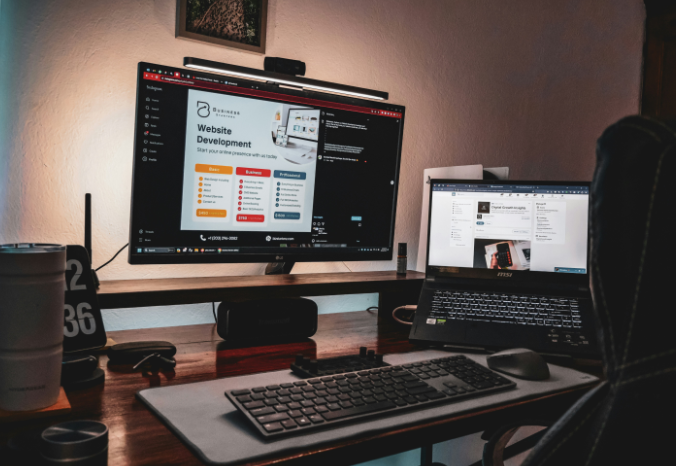
Establishing a dedicated workspace is one of the fundamental aspects of remote work that can significantly influence productivity levels. A well-designed work environment helps minimize distractions and enhances concentration, allowing digital professionals to perform at their best.
To begin with, selecting an appropriate location within your home is crucial. It should ideally be a quiet area, separated from personal spaces that might interrupt your workflow. This separation not only helps in mentally shifting into work mode but also signals to others in your household that you are unavailable during working hours.
More Read

The next element to consider is lighting. Natural light is known to improve mood and productivity, so prioritize a workspace that has ample daylight. If natural light is not an option, invest in quality artificial lighting that closely resembles daylight to prevent eye strain and maintain alertness. Similarly, ergonomic furniture plays a pivotal role in your work environment. A comfortable chair and desk can prevent physical discomfort and promote better posture, which is essential for extended working hours.
Moreover, personalization of your workspace can foster a sense of ownership and motivation. Incorporating elements such as plants, art, or personal photographs can make your workspace more inviting and boost your morale. Additionally, keeping your desk organized can minimize clutter and distractions, enhancing your ability to focus on tasks.
In summary, creating an ideal work environment involves careful consideration of the physical space, lighting, furniture, and personal touches. By optimizing these factors, digital professionals can cultivate a workspace that not only enhances productivity but also enriches their remote working experience.
More Read
Time Management Techniques
Efficient time management is crucial for remote workers striving to maximize their productivity. Various techniques have emerged to help individuals prioritize tasks, maintain focus, and manage their schedules effectively. Among these, the Pomodoro Technique has gained popularity for its simplicity and effectiveness. This method involves breaking work into intervals, traditionally 25 minutes long, separated by short breaks. By concentrating on a single task during each interval, remote professionals can enhance their focus and prevent burnout. This structured approach helps in sustaining productivity throughout the workday.
Another useful strategy is time blocking, where individuals allocate specific blocks of time to particular tasks or projects. This technique requires the user to create a detailed schedule, assigning time slots to each responsibility. By visually mapping out the day, remote workers can better manage their distractions and prioritize high-impact activities. This method not only simplifies day-to-day management but also empowers individuals to estimate the time required for various tasks, thus setting realistic expectations for deliverables.
The Eisenhower Matrix offers an alternative perspective on task prioritization. This technique divides tasks into four categories based on urgency and importance: urgent and important, important but not urgent, urgent but not important, and neither urgent nor important. By categorizing tasks in this manner, remote workers can quickly identify which activities require immediate attention, delegate accordingly, or eliminate non-essential tasks altogether. Implementing this matrix promotes a more strategic approach to time management, ensuring that energy is directed towards activities that foster productivity and growth.
In conclusion, employing these time management techniques enables remote workers to structure their day more effectively, enhance focus, and ultimately yield more productive outcomes. By incorporating methods such as the Pomodoro Technique, time blocking, and the Eisenhower Matrix, professionals can develop a balanced and efficient workflow, essential for thriving in a remote working environment.
Effective Communication Tools
In the contemporary landscape of remote work, effective communication tools have become indispensable for digital professionals striving for productivity. A variety of platforms exist to facilitate seamless collaboration among remote teams, each tailored to specific communication needs and preferences. Understanding which tools to use can significantly enhance teamwork and project outcomes.
One of the most popular communication tools is instant messaging platforms, such as Slack or Microsoft Teams. These platforms enable real-time messaging, file sharing, and integration with other useful applications, fostering a dynamic workspace. Teams can create channels tailored to projects, ensuring that conversations are organized and easy to navigate. Moreover, these platforms often include features for notifications and reminders, which help keep team members informed about important updates.
More Read
Video conferencing solutions, like Zoom or Google Meet, are equally vital. These tools facilitate face-to-face interactions, bridging the gap that physical distance creates. Regular video meetings not only promote engagement but also encourage a sense of connection among remote colleagues. To maximize the benefits of video conferencing, setting clear agendas, utilizing screen sharing features, and following up with notes can help keep meetings focused and productive.
Project management platforms, such as Trello, Asana, or Monday.com, serve as comprehensive systems for tracking project progress and assigning tasks. These tools provide visibility over everyone’s contributions, timelines, and responsibilities, which can enhance accountability and streamline workflows. When using project management software, establishing a consistent structure for updates and deadlines enables teams to stay aligned and aware of project statuses.
Ultimately, leveraging the right combination of communication tools is essential for optimizing productivity in a remote work environment. By establishing clear best practices for their use, digital professionals can ensure effective communication that supports their collaborative efforts.
Setting Clear Goals and Deadlines
In the realm of remote work, setting clear goals and deadlines is vital for maintaining productivity and ensuring that tasks are completed effectively. Establishing specific, measurable, achievable, relevant, and time-bound (SMART) goals creates a clear framework for work expectations. By applying the SMART criteria, remote professionals can define explicit objectives, such as completing a project phase by a specific date or achieving a certain level of client satisfaction within a given timeframe.
Once SMART goals are in place, prioritization of tasks becomes essential. Remote workers often face an overwhelming influx of responsibilities. Utilizing methods such as the Eisenhower Matrix can help distinguish between urgent and important tasks, enabling professionals to focus on what truly matters. Regularly revisiting priorities ensures that efforts remain aligned with overarching goals, ultimately enhancing productivity.
In addition to setting goals and priorities, employing task management tools can significantly streamline the process. Platforms like Trello, Asana, or Microsoft Teams offer functionalities that enable individuals and teams to track projects, milestones, and deadlines. These tools help maintain accountability among team members, allowing for real-time updates on progress and potential roadblocks.
Furthermore, integrating calendar applications to schedule deadlines can aid in visualizing work commitments and deadlines. By blocking time for specific tasks, remote professionals can create structured workdays that minimize distractions. This approach not only reinforces accountability but also helps in maintaining a healthy work-life balance.
Ultimately, by setting clear goals, prioritizing tasks, and utilizing effective tracking tools, remote working digital professionals can enhance productivity and remain accountable to their objectives. These strategies foster a disciplined approach to work, making it easier to navigate the challenges of remote employment.
Incorporating Breaks and Downtime
In the realm of remote working, it is paramount for digital professionals to incorporate regular breaks as a way to enhance productivity. Continuous work without proper intervals can lead to fatigue and diminished focus, ultimately hampering productivity and efficiency. Research has shown that taking breaks can rejuvenate the mind, allowing for improved concentration upon returning to tasks.
To effectively schedule breaks, professionals can implement the Pomodoro Technique, which involves working for 25 minutes followed by a 5-minute break. After four cycles, a longer break of 15 to 30 minutes is recommended. This method not only fosters focused work sessions but also encourages intervals for mental downtime. During these breaks, engaging in physical movement—such as stretching, walking, or doing light exercises—can further boost energy levels and creativity.
It is also beneficial to be mindful of how breaks are spent to ensure they are genuinely restorative. Activities such as meditation, reading, or simply stepping outside for fresh air can provide significant mental relief. This practice allows for a reset of one’s mental state and can counteract the potential onset of burnout. In a remote working environment, where the boundaries between work and personal life can blur, it becomes increasingly important to find a balance that includes adequate downtime.
Ultimately, prioritizing breaks is not merely a luxury; it is a necessity for maintaining high performance and motivation in a remote setting. By consciously integrating scheduled downtime into the work routine, digital professionals can create a sustainable and productive work environment, thereby enhancing overall performance and job satisfaction.
Leveraging Technology for Efficiency
In the realm of remote working, technology plays a pivotal role in enhancing productivity for digital professionals. Various software solutions and applications are available that streamline workflows, enabling streamlined task management, automated processes, and efficient time tracking. By leveraging these tools, professionals can significantly reduce manual effort, allowing them to focus on their core responsibilities.
Task management tools like Trello and Asana offer intuitive interfaces that help individuals and teams organize their tasks effectively. These platforms allow users to create lists, set deadlines, and assign responsibilities, thereby providing clarity and promoting accountability within teams. Users can also prioritize tasks, ensuring that the most critical items are addressed timely, which is vital for maintaining productivity in a remote setting.
Automation tools such as Zapier and IFTTT empower remote workers to connect various applications and automate repetitive tasks. For instance, one can set up workflows that automatically transfer data between apps or trigger specific actions based on predefined conditions. This reduces the time spent on mundane tasks and mitigates human errors, further enhancing efficiency.
Time tracking applications like Toggl and Harvest are also instrumental in monitoring how time is spent across different projects. These tools allow remote professionals to log their hours, analyze productivity trends, and identify areas where time management could be improved. By having a clear visual representation of time allocation, it becomes easier for individuals to adjust their workflows and optimize productivity.
Overall, embracing the right technology is essential for remote digital professionals. By incorporating task management platforms, automation tools, and time tracking software into their routines, they can achieve streamlined operations and heightened efficiency, ultimately leading to improved work performance.
Maintaining Work-Life Balance
Achieving a sustainable work-life balance is essential for remote working digital professionals. The flexibility of working from home can easily blur the lines between personal time and professional commitments, making it crucial to establish clear boundaries. One effective strategy is to designate a specific workspace within the home that is solely reserved for work activities. This physical separation not only helps to create a focused environment, but it also signals to other household members that work hours are in effect.
Additionally, developing a structured daily routine can significantly enhance productivity while promoting overall well-being. Start each day by setting clear, achievable goals to guide your activities. Utilizing time management techniques, such as the Pomodoro Technique, where you work in short bursts followed by brief breaks, can prevent burnout and keep your mind fresh throughout the day. Schedule regular breaks to step away from your work environment, engage in physical activity, or practice mindfulness to recharge.
Moreover, it is vital to avoid the temptation of overworking. With no commute, many remote workers may find themselves extending their work hours beyond normal expectations. To combat this, establish strict work hours that align with your productivity peaks, and adhere to them. Communicate these hours to colleagues and family members to reinforce support for your boundaries. This understanding fosters an environment where personal time is respected, thereby allowing for relaxation and rejuvenation.
By implementing these strategies, remote professionals can better manage their work-life balance. Balancing professional responsibilities with personal well-being ensures not only enhanced productivity but also a healthier state of mind.
Conclusion and Resources for Continued Improvement
In summary, maintaining productivity as a remote working digital professional requires a multifaceted approach that incorporates various strategies and techniques. Throughout this blog post, we have explored essential productivity hacks, including the importance of creating a dedicated workspace, establishing a consistent schedule, and utilizing digital tools effectively. Understanding the unique challenges posed by remote work is crucial, and adopting the right mindset can further enhance your efficiency.
To continue improving your productivity, several resources are available to delve deeper into effective strategies. Books such as “Deep Work” by Cal Newport provide insightful techniques on focusing without distraction in an information-heavy society. Additionally, “The 7 Habits of Highly Effective People” by Stephen R. Covey offers timeless advice that can be particularly beneficial for remote workers seeking to enhance their personal and professional effectiveness.
Online courses such as those offered on platforms like Coursera and Udemy cover a range of productivity topics, from time management to digital organization. Websites like Reddit and LinkedIn groups can also foster discussions and allow remote professionals to share their experiences and hacks, which can lead to innovative solutions.
Engaging with productivity communities, whether through forums or social media channels, can present further opportunities to learn and grow. By continuously seeking knowledge and remaining open to new strategies, you can further refine your remote working practices. Ultimately, the journey toward heightened productivity is ongoing, and utilizing available resources can ensure sustained progress.