

Introduction to Modern Living Room Lighting
In contemporary home design, the importance of lighting in modern living rooms cannot be overstated. It serves as both a functional necessity and a critical element of aesthetic appeal. The right lighting design can significantly enhance the overall ambiance of a room, making it more inviting and aligned with elegant interior themes. Modern lighting approaches focus on combining style with practicality, ensuring that spaces are both visually appealing and comfortable.
Lighting is integral to defining the mood and character of a living room. Through strategic placement and selection of fixtures, homeowners can create distinct zones that cater to various activities and preferences. Layering different types of lighting, such as ambient, task, and accent lighting, is a key strategy in achieving a balanced and harmonious environment.
The modern approach to living room lighting embraces the use of innovative technologies and design trends. From sophisticated pendant lights to sleek recessed options, the variety available today allows for personalization that suits any décor style. Moreover, advances in smart lighting technology empower homeowners to tailor their lighting experiences based on time of day, preference, and mood. Such versatility enhances not only functionality but also the overall elegance of modern interiors.
As we delve deeper into the world of modern living room lighting designs, we will explore various styles and techniques that can transform a simple living area into an elegant sanctuary. By carefully considering color temperatures, fixture designs, and light layers, one can achieve an ambiance that reflects both sophistication and warmth, turning every gathering into a delightful experience.
Key Elements of Modern Lighting Design
Modern lighting design for living rooms integrates various key elements that work together to create an inviting and functional space. Central to this is the concept of layering lighting, which involves combining three main types of light sources: ambient, task, and accent lighting. This strategy allows homeowners to achieve a flexible and dynamic lighting scheme that can be easily adjusted to suit different activities and moods.
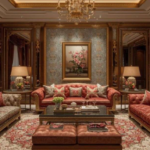
Ambient lighting serves as the primary source of illumination in a room, providing a general level of brightness. It is typically achieved through overhead fixtures such as chandeliers or recessed lights. Task lighting, on the other hand, focuses on specific areas where activities like reading or working are performed. This can include table lamps, floor lamps, and even under-cabinet lighting in adjacent spaces, ensuring that each area serves its functional purpose without compromising aesthetic appeal.
Accent lighting is an essential element that adds depth and visual interest to a living room. By highlighting artwork, architectural features, or decorative objects, accent lights create focal points and enhance the room’s overall design. When incorporating these three types of lighting, the selection of appropriate color temperature and brightness is crucial. Warmer color temperatures, ranging from 2700K to 3000K, tend to create a cozy and inviting atmosphere, while cooler temperatures might be more appropriate for modern, minimalist designs and active environments.
Incorporating dimmers can further enhance the control over each lighting layer, allowing for customization based on the time of day or the occasion. The interplay of these various lighting elements is vital for establishing a harmonious and sophisticated environment that elevates the living room experience. Overall, a successful modern lighting design strikes a balance between functionality and aesthetics, transforming the living room into a welcoming retreat.
Trendy Lighting Fixtures for Modern Minimalism
In the realm of modern interior design, lighting fixtures play a pivotal role in enhancing the aesthetic appeal of a space while maintaining a minimalistic approach. Emphasizing simplicity and functionality, trendy lighting fixtures such as pendant lights, floor lamps, and wall sconces are perfect for complementing sleek interiors.
Pendant lights, often hung from the ceiling, offer a sculptural element that can serve as a focal point in a room. With sleek designs, these fixtures are available in a variety of materials such as metal and glass, which align with the modern minimalist ethos. The beauty of pendant lights lies in their versatility; they can be used over dining tables, kitchen islands, or as a singular piece in an entryway, illuminating the space while contributing to its clean and uncluttered look.
Floor lamps also contribute significantly to modern minimalism, providing both functional and decorative lighting. Characterized by streamlined silhouettes and often crafted from materials like brushed steel or matte black finishes, these lamps can seamlessly fit into any room. A well-placed floor lamp can highlight architectural features of the space, creating ambient lighting without overwhelming the visual harmony of the interior.
Wall sconces are another essential component in contemporary lighting design, serving as accent lights that enhance both mood and functionality. They are particularly effective in narrow spaces like corridors or beside artwork, illuminating without taking up valuable floor space. The design of modern wall sconces often emphasizes geometric forms and finishes that harmonize with metal or glass components, ensuring that they maintain the minimalist aesthetic.
Ultimately, the integration of these trendy lighting fixtures into a modern living space not only fosters an elegant ambiance but also underlines the principle of minimalism through thoughtful design choices.
Smart Lighting Solutions for the Modern Home
Advancements in technology have significantly transformed the landscape of interior design, particularly in the domain of lighting solutions. Smart lighting systems have emerged as an essential component for modern living rooms, providing users with unprecedented control and adaptability. These innovative solutions enable homeowners to manage their lighting environments efficiently, facilitating a seamless blend of functionality with aesthetic appeal.
One of the primary advantages of smart lighting systems is the ability to control lighting remotely. Through the use of smartphones or voice-activated devices, homeowners can adjust the brightness, color, and even the ambiance of their living spaces from virtually anywhere. This level of control is not only convenient but also enhances the overall user experience, catering to various moods and activities, whether it’s hosting a social gathering or enjoying a quiet night in.
Energy efficiency is another significant benefit of smart lighting technology. By allowing users to set schedules or automate lighting based on occupancy, these systems can effectively reduce energy consumption. This leads not only to cost savings on utility bills but also contributes positively to environmental sustainability. Furthermore, many smart lights now utilize LED technology, which not only consumes less energy than traditional bulbs but also offers a longer lifespan, making them a practical choice for the eco-conscious homeowner.
In addition to remote management and energy savings, customizable settings play a crucial role in enhancing everyday living. Smart lighting solutions may include pre-programmed scenes for specific activities, such as reading or entertaining, which allow homeowners to create the perfect atmosphere effortlessly. These tailored settings offer a degree of versatility that caters to personalized preferences, ultimately elevating the overall aesthetic and functional value of modern living spaces.
Creative Use of Color in Lighting Design
The innovative use of color in lighting design has emerged as a significant trend in modern living room interiors. By incorporating colored LED lights, changing filters, and decorative shades, homeowners can introduce a distinct personality into their spaces, enhancing both elegance and ambiance. Colored LED lights are particularly versatile, allowing for a nuanced approach to setting the mood. From soft pastels that create a serene sanctuary to vibrant hues that energize the environment, the strategic application of color transforms the living room experience.
One method to incorporate color effectively is through the use of smart LED bulbs, which offer an extensive palette of shades. These bulbs allow homeowners to adjust the color temperature and intensity according to personal preference or occasion. For example, a warm orange can produce a cozy atmosphere for intimate gatherings, whereas a cool blue can stimulate focus and creativity, making the living room suitable for various activities.
Another innovative approach is employing colored filters on existing light fixtures. By adding filters to overhead lights, one can create diffused pools of color that wash over walls and furniture, effectively altering the perception of space. Furthermore, decorative shades can serve double duty by adding style while influencing light quality. With shades that incorporate intricate patterns, the interplay of shadows and colors can elevate the aesthetic appeal of a living room.
Ultimately, the creative use of color in lighting design invites personalized expression within the home. It promotes an inviting atmosphere that reflects the homeowner’s taste, transforming traditional living areas into contemporary masterpieces. This strategic integration not only enhances elegance but also fosters a harmonious living experience.
Incorporating Natural Light into Your Design
In modern living room designs, the incorporation of natural light plays a pivotal role in creating an inviting and vibrant atmosphere. Utilizing natural light not only enhances the aesthetic appeal of the space but also elevates the overall mood and tranquility of the environment. One of the most effective strategies to maximize daylight is through the installation of large windows. Expansive windows can seamlessly merge the indoors with the outdoors, promoting a sense of openness and airiness.
Moreover, the inclusion of skylights can be particularly beneficial in maximizing light availability, especially in areas where wall space is limited. Skylights flood the room with sunlight, significantly brightening the living area throughout the day. This design element not only serves a functional purpose but also connects occupants to the beauty of the sky, subtly altering the dynamics of the space.
Another approach to enhance the flow of natural light is through the strategic use of reflective surfaces. Incorporating mirrors and glossy finishes in furniture or decor can amplify light diffusion, making even the dimmest living room feel warm and more expansive. Light-colored walls and furnishings also contribute to this effect, as they tend to reflect light rather than absorb it, further enhancing brightness.
Lastly, open floor plans can facilitate the movement of natural light through various spaces, allowing it to reach every nook and cranny of the living room. The thoughtful integration of these design strategies fosters a vibrant and cheerful atmosphere, ensuring that your living room not only looks exquisite but feels comfortable and welcoming as well.
Combining Lighting with Interior Design Styles
Lighting plays an instrumental role in enhancing the overall aesthetic of interior design styles. When selecting light fixtures, it is essential to consider how they complement other design elements such as furniture, wall colors, and thematic decor. An effective lighting scheme not only illuminates the space but also ties together various aspects of the interior design, creating a harmonious and elegant environment.
For minimalist designs, lighting should be sleek and unobtrusive. Simple pendant lights or recessed lighting provide a clean look that aligns with minimalist principles. The key is to choose fixtures that emphasize the lines of the space without overwhelming the overall design. Neutral color tones in lighting, such as whites and grays, are preferable to maintain a cohesive and uncluttered atmosphere.
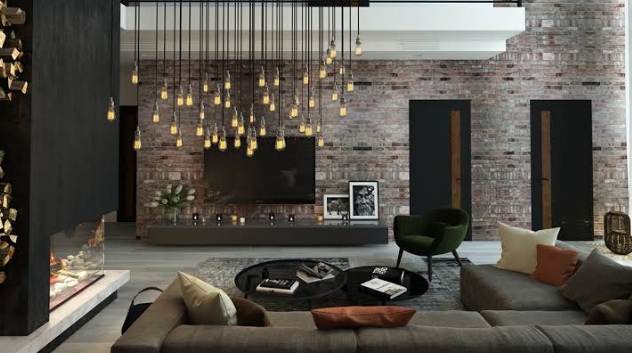
In contrast, industrial design benefits from more textured and robust lighting fixtures. Edison bulbs, iron accents, and exposed wiring can enhance the raw aesthetic often sought in industrial interiors. These lighting choices can align perfectly with reclaimed wood furniture and metallic decor, creating a visually compelling balance. Wall colors in muted grays or browns can further accentuate the drama of industrial lighting.
For a bohemian style, layering different types of light sources allows for a warm and inviting ambiance. A combination of floor lamps, table lamps, and string lights can create a cozy environment that reflects eclectic decor. Rich colors and patterned textiles can be complemented by warm, soft lighting to enrich the distinct character of bohemian interiors. The key is to ensure that the lighting choices echo the vibrancy and diversity inherent in the overall design.
By thoughtfully selecting lighting that harmonizes with furniture and decor themes, one can create a cohesive and beautifully designed home. The interplay between light and style is essential for achieving an elegant and inviting living room that resonates with personality and taste.
Transformative Lighting Techniques
Effective lighting plays a crucial role in establishing the overall ambiance of a modern living room. Utilizing transformative lighting techniques can enhance not only the aesthetic appeal but also the functionality of the space. One of the most versatile solutions is the implementation of dimmers, allowing homeowners to adjust the brightness based on the time of day or the activity taking place, from relaxing evenings to vibrant gatherings.
Layered lighting is another essential technique that can elevate the atmosphere within a living room. This approach combines ambient, task, and accent lighting to create depth and interest. Ambient lighting sets the foundation, providing general illumination, while task lighting, such as table lamps or reading lights, focuses on specific areas. Accent lighting can highlight architectural features or artwork, drawing attention to them and adding character to the room.
Moreover, highlighting architectural features using strategically placed fixtures can dramatically transform a living space. For instance, uplighting can emphasize textured walls or unique ceiling designs, while downlighting can bring attention to elegant furniture pieces or decorative items. Using a combination of these methods not only enhances visibility but also adds visual layers, making the space feel more inviting.
Incorporating dimmers, layered lighting concepts, and highlighting architectural elements contribute to the versatility of the living room. By adjusting the lighting to suit different moods and occasions, one can create a warm and welcoming environment for both family gatherings and quiet nights in. Thoughtfully selected lighting can be a powerful tool in interior design, reflecting the personality of the homeowners while maintaining elegance.
Conclusion and Final Thoughts
In the realm of interior design, modern living room lighting plays a pivotal role in enhancing both the aesthetics and functionality of a home. Through the careful selection of lighting fixtures, homeowners can create a space that is not only visually appealing but also conducive to relaxing and entertaining. The various styles available, from minimalistic designs to more flamboyant statement pieces, allow for a highly personalized approach to lighting.
When designing a living room, it is essential to consider the balance of various lighting sources, including ambient, task, and accent lighting. The integration of these elements can significantly impact the overall atmosphere, making a space feel warm and inviting while also reflecting the homeowner’s personal style. Incorporating energy-efficient options, such as LED lighting, further enhances modern living room designs by promoting sustainability without sacrificing elegance.
To elevate the elegance of your living room, consider focusing on layered lighting techniques. This approach not only enhances the room’s functionality but also invites creativity in how space is experienced. Moreover, by utilizing dimmers and smart lighting solutions, one can seamlessly adjust the ambiance to suit various moods and occasions. As you contemplate modern lighting ideas, keep in mind how these choices can transform your living area into a sophisticated retreat.
Ultimately, the right lighting can be transformative, impacting both the aesthetic appeal and usability of your living room. Embracing modern designs can inspire elegance in home interiors, allowing each homeowner to curate a space that resonates with their unique vision while providing comfort and practicality. As you embark on your design journey, let your personal style shine through your lighting choices, crafting a living space that invites both admiration and functionality.