


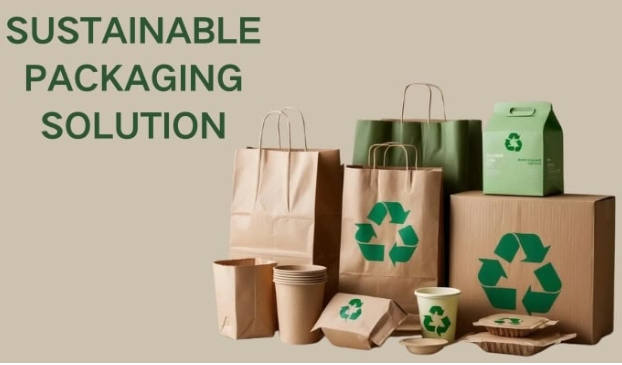
Introduction to Sustainable Packaging
Sustainable packaging refers to the use of materials and processes that minimize environmental impact while maximizing product safety and functionality. Essentially, it encompasses packaging solutions that are created with consideration for their life cycle, from sourcing and production to disposal and potential recycling. As global awareness of climate change and environmental degradation grows, the significance of sustainable packaging has become increasingly evident.
One of the primary reasons for the shift toward eco-friendly packaging solutions is the alarming environmental repercussions of traditional packaging methods. Many conventional packaging materials, such as plastic, contribute significantly to pollution and waste. Estimates suggest that over 300 million tons of plastic are produced each year, much of which ends up in landfills or oceans, threatening wildlife and ecosystems. Additionally, the production of non-biodegradable materials often involves the extensive use of natural resources, leading to resource depletion and further ecological harm.
In contrast, sustainable packaging aims to reduce these adverse effects by utilizing biodegradable, recyclable, or reusable materials. Innovations in sustainable packaging include options like plant-based plastics, recycled cardboard, and biodegradable films. There is a growing recognition among consumers that their purchasing decisions can both reflect and influence environmental sustainability. As a result, many businesses are responding to this shifting demand by integrating sustainable practices into their packaging strategies.
This focus on eco-friendly packaging solutions not only aligns with consumer preferences but can also enhance brand reputation and drive market growth. As environmental concerns continue to shape consumer behavior, companies that prioritize sustainable packaging are likely to enjoy a competitive edge. Embracing these practices is paramount for businesses committed to progressing in today’s environmentally-conscious marketplace.
The Benefits of Sustainable Packaging
Sustainable packaging is increasingly recognized as a pivotal aspect of modern business operations. Adopting such eco-friendly practices offers numerous advantages that contribute not only to a company’s image but also to its bottom line. Firstly, implementing sustainable packaging solutions can significantly enhance a brand’s reputation. Companies that prioritize environmental responsibility attract consumers who are more inclined to support businesses that align with their values. As public consciousness regarding environmental issues grows, the demand for eco-friendly products and packaging continues to rise.

Reducing a company’s carbon footprint is another key benefit of sustainable packaging. Many sustainable materials are designed to be biodegradable or recyclable, which means that they can minimize the amount of waste sent to landfills. This reduction in waste contributes positively to global efforts aimed at combating climate change. Businesses that adopt these sustainable practices not only comply with increasing regulatory standards but also position themselves ahead of potential legislation aimed at limiting unsustainable practices.
From an economic perspective, sustainable packaging presents long-term financial benefits. Initial costs may be perceived as higher, but over time, businesses often experience reductions in packaging and shipping expenses due to lightweight materials and optimized logistics. Additionally, many consumers are willing to pay a premium for eco-friendly products, leading to increased sales and customer loyalty. Emphasizing sustainability in packaging can also open doors to new markets and partnerships, creating opportunities for growth.
In summary, the benefits of sustainable packaging are manifold. Not only does it improve brand perception, reduce environmental impact, and ensure regulatory compliance, but it can also result in substantial economic gains for businesses dedicated to eco-friendly operations. As the trend towards sustainability continues to evolve, companies that adapt will thrive in a conscientious consumer landscape.
Types of Sustainable Packaging Materials
Sustainable packaging solutions are gaining traction in various industries as businesses recognize the importance of reducing their environmental impact. A variety of materials can be employed to create eco-friendly packaging that meets customer demands while supporting ecological preservation. This section explores several prominent sustainable packaging materials available today.
Biodegradable materials are often among the most favored options, as they naturally decompose over time under specific conditions. Common biodegradable materials include corn starch, cellulose, and agricultural waste. These materials are well-suited for many applications, particularly in the food and beverage sector, where freshness is a priority.
Recycled paper presents another effective sustainable option. It is derived from previously used paper products, significantly reducing the consumption of new raw materials and the energy required for production. Recycled paper is highly versatile and can serve various functions, from packaging boxes to filler material, making it a suitable choice across multiple industries.
Glass is a timeless material renowned for its recyclability and durability. It can be reused indefinitely without degrading its quality, which appeals to businesses aiming for a circular economy. This material is prevalent in the beauty and food industries, where premium packaging enhances product appeal while also ensuring a minimal environmental footprint.
Metal packaging, such as aluminum, is another sustainable alternative. It can be recycled multiple times without losing integrity and is often used for beverage cans and food containers. The lightweight nature of aluminum contributes to reduced transportation emissions, exemplifying its value in sustainable supply chains.
Innovative bioplastics, derived from natural sources, are increasingly gaining popularity as a sustainable choice. Unlike traditional plastics, these materials are designed to break down more quickly in the environment, offering a solution to plastic waste issues while still providing the performance needed for effective packaging.
Innovative Packaging Designs
In recent years, the growing awareness around sustainability has prompted businesses to shift towards innovative packaging designs that not only reduce waste but also enhance product appeal. Such creative approaches to packaging serve to attract environmentally conscious consumers while contributing positively to the brand’s image.
Companies like Unilever have embraced sustainable practices by integrating packaging made from recyclable materials. Their “Love Beauty and Planet” line showcases bottles made from recycled plastics, illustrating how a commitment to innovation can effectively resonate with customers seeking eco-friendly alternatives. This not only minimizes their carbon footprint but also strengthens consumer trust and loyalty.
Another example is Coca-Cola, which has introduced the “PlantBottle” made from up to 30% plant-based materials. This initiative reflects a significant shift in how conventional packaging is viewed, transforming standard bottling methods and reinforcing the importance of sustainable practices within the beverage industry.
Moreover, startups like “Lush” have taken the packaging design a step further, opting for minimalistic and functional designs that reduce excess packaging. Their “naked” products eliminate packaging altogether for many items, allowing the consumer to enjoy a product that not only saves on materials but also heightens the visual appeal through simplicity.
These examples illustrate that by focusing on innovative packaging designs, companies can effectively minimize environmental impact while enhancing their market appeal. Such strategies not only demonstrate a commitment to sustainability but can also lead to increased sales, as consumers are increasingly aligned with brands that prioritize eco-friendly solutions. As the landscape of packaging continues to evolve, businesses must remain adaptable, embracing new technologies and designs that align with a sustainable ethos.
Implementing Sustainable Packaging in Your Business
Transitioning to sustainable packaging is a crucial step for businesses aiming to improve their environmental footprint. The first step in this process involves assessing current packaging methods. Evaluate the materials currently in use, their environmental impact, and how they align with your company’s sustainability goals. Understanding the strengths and weaknesses of your existing packaging allows for identifying areas that require change.
Once you have a clear picture of your current operations, the next step is sourcing sustainable materials. Focus on finding biodegradable, compostable, or recyclable materials that not only minimize waste but also fit your product’s needs. Many companies now offer sustainable packaging solutions that meet various market demands while still adhering to eco-friendly practices. Consider options like recycled cardboard, plant-based plastics, or glass, depending on your product type.
In addition to selecting materials, evaluating suppliers plays a pivotal role in the transition to sustainable packaging. Choose partners committed to eco-friendly practices throughout their supply chains. Research potential suppliers to understand their sustainability certifications, production processes, and material sourcing methods. Look for companies that prioritize transparency and have manageable environmental impact metrics.
Moreover, it is essential to involve your team in the transition process. Conduct training and workshops to ensure that all employees understand the importance of sustainable packaging and how they can contribute to the implementation process. Solicit feedback from both staff and customers regarding packaging choices to foster continuous improvement.
Overall, implementing sustainable packaging requires an approach that not only reduces environmental impact but also embraces innovation and collaboration within your business operations. This multi-faceted strategy can lead to significant improvements in sustainability efforts while enhancing brand reputation.
Challenges and Solutions in Sustainable Packaging
Implementing sustainable packaging solutions presents several challenges for businesses aiming to enhance their eco-friendly operations. Among the most significant obstacles is the cost associated with sourcing eco-conscious materials. Sustainable packaging options, such as biodegradable plastics or recycled paper products, often come with higher manufacturing and procurement cost compared to conventional materials. This financial burden can deter businesses, particularly small and medium-sized enterprises, from making the transition to greener packaging alternatives.
Availability of sustainable materials also poses a challenge. Not all regions have equal access to eco-friendly packaging solutions, which can limit a company’s ability to implement preferred sustainable practices. Geographic disparities in resource distribution can create inconsistencies in product offerings, resulting in potential supply chain complications and increased costs.
Another concern is consumer perception of sustainable packaging. While there is a growing demand for eco-friendly products, many consumers remain unaware of the benefits of sustainable packaging solutions or may associate higher prices with lower quality. Education and transparent communication are essential for businesses to effectively convey the advantages of sustainable materials to their customers, thereby fostering support for eco-friendly initiatives.
To overcome these challenges, businesses can adopt several strategies. Firstly, they can conduct a thorough cost-benefit analysis to better understand the long-term savings associated with sustainable packaging, such as reduced waste disposal fees and enhanced brand loyalty. Additionally, forming partnerships with suppliers who specialize in sustainable materials can enhance accessibility and potentially lower costs through bulk purchasing.
Moreover, investing in consumer education campaigns can help reshape public perception regarding sustainable packaging. By showcasing the environmental impact and quality benefits of eco-conscious options, companies can build a loyal customer base that values sustainability.
Case Studies of Successful Sustainable Packaging Initiatives
As environmental concerns escalate, businesses are increasingly adopting sustainable packaging solutions. Several companies have emerged as leaders in this area, implementing innovative strategies that not only benefit the planet but also enhance their brand reputation and customer loyalty.
One notable example is Unilever, which has made significant strides towards sustainable packaging. The company announced its commitment to reduce its plastic footprint by ensuring that all of its plastic packaging is recyclable, reusable, or compostable by 2025. Furthermore, Unilever has implemented a “Less Plastic” initiative that encourages the reduction of packaging sizes and the usage of alternative sustainable materials, such as plant-based plastics. The results have been promising, with the company reporting a decrease in plastic use by over 100,000 tonnes annually.
Another prominent case study is Coca-Cola, which has developed the “World Without Waste” campaign. This initiative aims to collect and recycle the equivalent of every bottle or can sold by 2030. Coca-Cola has begun using rPET (recycled polyethylene terephthalate) for its bottles, significantly reducing reliance on virgin plastic. This commitment not only highlights the importance of recycling in sustainable packaging but also demonstrates a pathway towards a circular economy. The campaign has resulted in improved public perception and increased consumer engagement.
Moreover, a smaller player, an organic skincare brand called Ethique, has achieved notable success by utilizing 100% plastic-free packaging. Their solid shampoo and conditioner bars come with zero-waste wrappers made from compostable materials. The brand’s strategy emphasizes minimalism and environmental responsibility, appealing to eco-conscious consumers. The transition has not only increased their market share but also fortified their position as a pioneer in the sustainable beauty sector.
These case studies exhibit innovative approaches to sustainable packaging that resonate with consumers today. Each initiative underscores the importance of commitment and strategic planning in pursuing eco-friendly operations. Insights from these companies can inspire other businesses to adopt similar sustainable practices, aiding in the larger effort towards environmental stewardship.
The Future of Sustainable Packaging
As the world grapples with the challenges of climate change and environmental degradation, the packaging industry is undergoing a significant transformation. The future of sustainable packaging is poised to be shaped by innovative technologies, evolving consumer preferences, and shifts in regulatory landscapes. With an increasing awareness of the impact that packaging has on the environment, stakeholders across various sectors are prioritizing sustainability as an essential component in their operations.
One key trend is the advancement of biodegradable and compostable materials that can replace conventional plastics. Innovations in biopolymers and bio-based materials are helping businesses develop packaging solutions that break down more naturally, thereby reducing the ecological footprint. Companies are also investing in research to enhance the efficacy and appeal of these sustainable options, ensuring they meet the functional demands while remaining environmentally friendly.
Consumer behavior is another crucial factor shaping the future of packaging. Today’s consumers are increasingly drawn to brands that demonstrate a commitment to sustainability, influencing their purchasing decisions. As a response, many companies are adapting their packaging strategies, focusing on transparency and minimalism. This trend indicates that brands must not only provide eco-friendly options but also clearly communicate the sustainability of their packaging choices to garner consumer trust and loyalty.
Moreover, regulatory changes are likely to accelerate the shift towards sustainable packaging. Governments around the globe are implementing policies aimed at reducing waste and encouraging the use of environmentally responsible materials. Packaging regulations, such as bans on single-use plastics and incentives for sustainable practices, are rapidly evolving, compelling businesses to reassess and improve their packaging solutions.
In conclusion, the future of sustainable packaging is multi-faceted, driven by technological advancements, changing consumer attitudes, and evolving regulations. Companies that embrace these trends are not only contributing to a healthier planet but are also positioning themselves favorably in a competitive marketplace increasingly focused on sustainability.
Conclusion and Call to Action
In today’s rapidly evolving marketplace, the importance of sustainable packaging cannot be overstated. As consumers increasingly prioritize environmental responsibility, businesses are called to harmonize their operations with eco-friendly practices. Sustainable packaging solutions play a pivotal role in significantly reducing environmental impacts, enhancing brand reputation, and fulfilling consumer expectations. By selecting materials that are biodegradable, recyclable, or made from renewable resources, companies can align their packaging with a greener vision, ultimately contributing to the collective effort against climate change.
Moreover, incorporating sustainable packaging strategies is not just beneficial for the environment; it can also enhance a company’s bottom line through cost savings in materials, reduced waste disposal fees, and increased consumer loyalty. As businesses become more aware of their ecological footprints, integrating sustainable initiatives translates into competitive advantages. Consequently, taking steps toward sustainable packaging becomes a strategic necessity rather than a mere option.
As we conclude this discussion, we urge business owners and entrepreneurs to take actionable steps toward adopting sustainable packaging solutions. Evaluate your current packaging practices, conduct a thorough assessment of materials used, and explore alternatives that promote sustainability. By investing in eco-friendly packaging, you not only contribute to a healthier planet but also position your brand as a leader in corporate responsibility. Collaborating with suppliers who prioritize sustainability is another critical step. The actions you take today can pave the way for a more sustainable future, creating a viable business model that respects and nurtures the environment.